
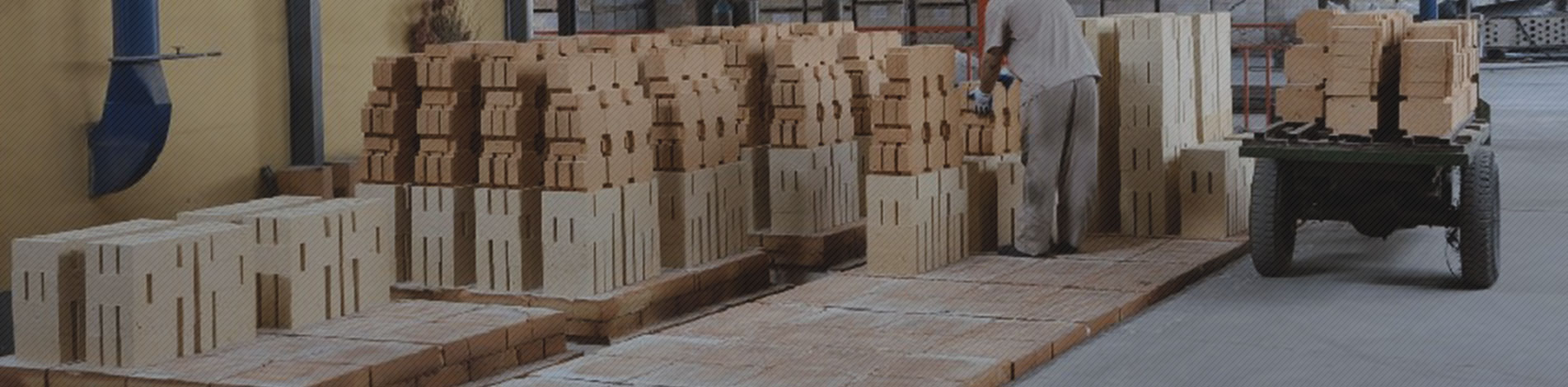
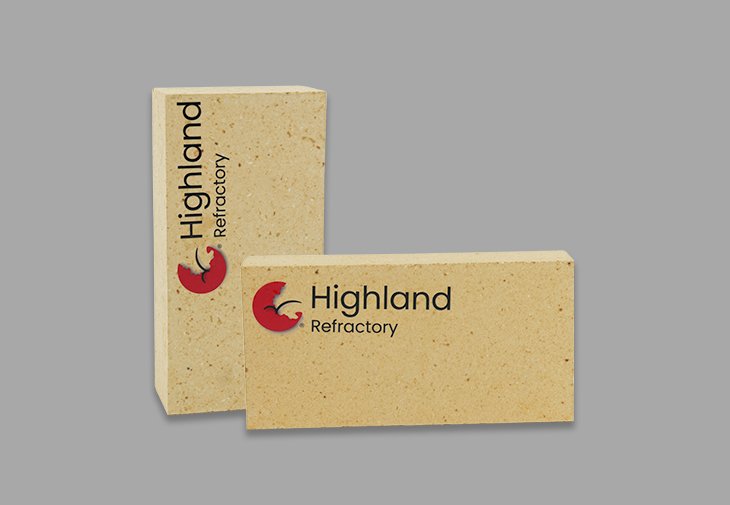


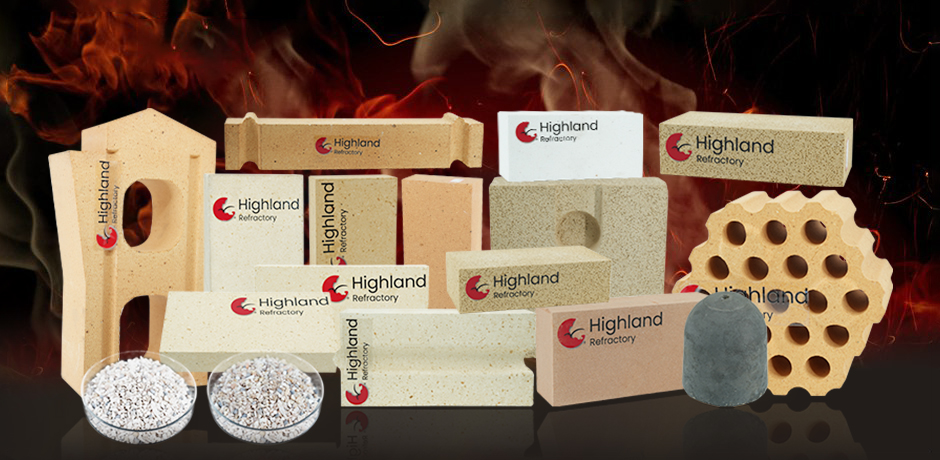
Alumina refractory bricks are shaped refractory products manufactured primarily from alumina-based raw materials. The alumina (Al₂O₃) content typically ranges from 50% to over 90%, depending on the required service temperature and operating conditions.
(1) High refractoriness
(2) High refractoriness under load
(3) Strong slag resistance
(4) High compressive strength
(5) Good stability
(6) Good wear resistance
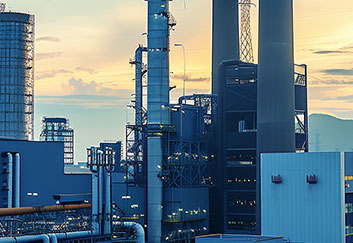
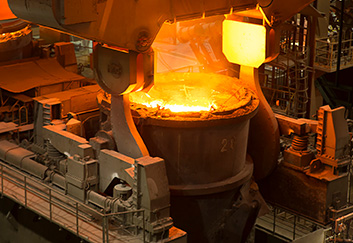
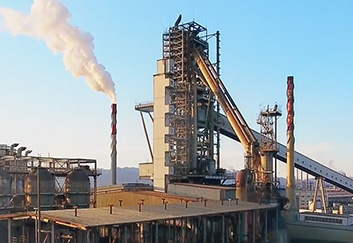
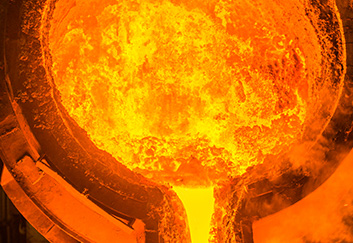
(1) Iron and steel manufacturing industry: blast furnace, hot blast furnace, electric furnace, ladle, tundish, heating furnace, refining furnace, heating furnace, annealing furnace, cupola
(2) Nonferrous metal industry: smelting furnace, refining furnace, reverberatory furnace, converter furnace.
(3) Building materials industry: cement kiln, glass kiln, ceramic kiln, lime kiln, kiln car, tunnel kiln
(4) Energy and incineration: coke oven, circulating fluidized bed boiler, carbon roaster, incinerator.
| Parameter | Typical Value |
| Al₂O₃ Content | 50–90% |
| Bulk Density | 2.2–2.9 g/cm³ |
| Apparent Porosity | ≤ 24% |
| Cold Crushing Strength (CCS) | ≥ 45–90 MPa |
| Refractoriness Under Load (0.6 MPa) | ≥ 1350–1600°C |
| Permanent Linear Change (PLC) | −0.5% to +0.5% |
| Maximum Service Temperature | 1400–1750°C |
Alumina refractory bricks are one of the most widely used high-temperature lining materials in modern industrial furnaces. Known for their excellent heat resistance, mechanical strength, and chemical stability, alumina refractory bricks are essential in industries such as steelmaking, cement production, glass manufacturing, and non-ferrous metallurgy.
As furnace operating temperatures continue to increase and production cycles become longer, the performance requirements for refractory linings are higher than ever. Alumina refractory bricks, with controlled alumina content and stable microstructure, provide reliable performance in demanding thermal and mechanical environments.
This page provides a comprehensive technical and application-oriented overview of alumina refractory bricks, focusing on their material properties, industrial uses, and selection considerations for furnace linings.
Alumina refractory bricks are shaped refractory products manufactured primarily from alumina-based raw materials. The alumina (Al₂O₃) content typically ranges from 50% to over 90%, depending on the required service temperature and operating conditions.
The controlled alumina composition gives these bricks excellent refractoriness, load-bearing capacity at high temperatures, and resistance to thermal shock and chemical erosion. Compared with general-purpose refractories, alumina refractory bricks are specifically engineered for medium- to high-temperature industrial zones.
Al₂O₃: 50%–90%+
SiO₂: Controlled content for thermal stability
Minor oxides: Carefully limited to enhance corrosion resistance and structural strength
Alumina refractory bricks maintain structural integrity at temperatures exceeding 1400°C to 1700°C, depending on alumina grade. This makes them suitable for furnace zones exposed to continuous high heat.
With high cold crushing strength and good load resistance at elevated temperatures, alumina refractory bricks are capable of supporting furnace structures under long-term thermal and mechanical stress.
Optimized grain sizing and bonding phases allow alumina refractory bricks to withstand repeated heating and cooling cycles, reducing the risk of cracking and spalling during furnace operation.
Alumina-based compositions provide stable resistance against common industrial slags, dust, and process atmospheres, especially in steel and cement furnaces.
Alumina refractory bricks offer a balanced thermal conductivity profile—strong enough to protect furnace structures while helping maintain thermal efficiency.
Alumina refractory bricks are extensively used in steel reheating furnaces, ladle linings, soaking pits, and auxiliary furnace structures where high temperature and mechanical load coexist.
In cement rotary kilns and precalciner systems, alumina refractory bricks are applied in transition zones, kiln hoods, and hot-face linings that experience strong thermal stress.
Alumina refractory bricks serve in areas requiring stable thermal performance and moderate corrosion resistance, such as furnace superstructures and auxiliary zones.
For aluminum, copper, and other non-ferrous metal processing, alumina refractory bricks provide reliable performance against heat and chemical exposure.
Alumina refractory bricks are commonly used in combustion chambers, furnace arches, and high-temperature boiler linings where durability and stability are critical.
Different furnace zones require different alumina content levels. Selecting the correct alumina refractory brick grade is essential for achieving optimal service life.
Medium Alumina Bricks (50–65% Al₂O₃)
Suitable for moderate-temperature zones and general furnace linings.
High Alumina Bricks (65–80% Al₂O₃)
Used in high-temperature industrial furnaces requiring enhanced load resistance.
Ultra-High Alumina Bricks (80%+ Al₂O₃)
Applied in critical zones exposed to extreme heat and thermal stress.
Correct grade selection avoids over-design while ensuring safe and stable furnace operation.
Proper installation plays a decisive role in the performance of alumina refractory bricks. Accurate brick sizing, correct mortar selection, and controlled expansion joints all contribute to lining stability.
Additionally, controlled heating-up procedures during furnace commissioning significantly reduce thermal shock risks and extend brick service life.
Alumina refractory bricks are widely used in steel, cement, glass, non-ferrous metals, boilers, and industrial incineration systems.
Service life depends on operating temperature, furnace atmosphere, and maintenance practices. With proper selection and installation, alumina refractory bricks can provide long-term stable performance.
Yes. Alumina refractory bricks offer excellent high-temperature mechanical strength, making them suitable for load-bearing furnace structures.
Alumina refractory bricks can be manufactured in customized sizes and shapes to fit specific furnace designs and construction requirements.
Alumina refractory bricks combine high refractoriness, mechanical strength, thermal stability, and chemical resistance into a single, versatile refractory solution. Their adaptability across multiple industrial furnace types makes them a foundational material for reliable high-temperature operations.
By selecting the appropriate alumina grade and applying correct installation practices, alumina refractory bricks help reduce maintenance frequency, improve furnace efficiency, and ensure long-term operational stability.

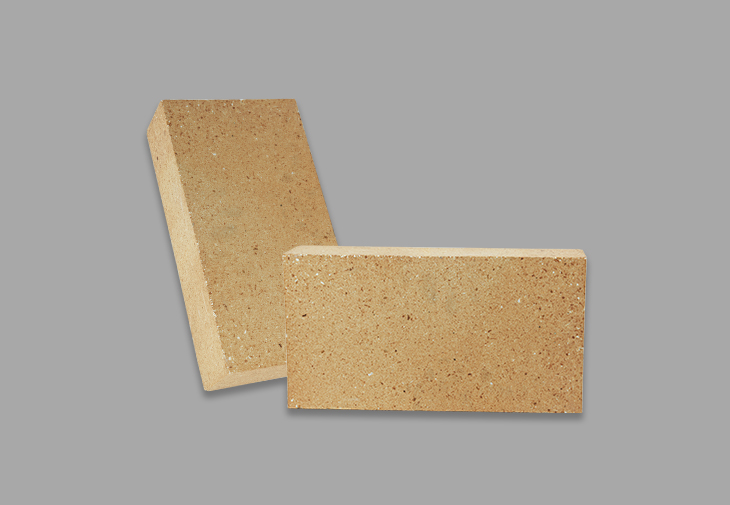
Aluminum content 75%-80% Refractory 1770℃ or above



Silicon carbide plates are mainly composed of silicon carbide (SiC) as the aggregate (with a content usually ≥ 80%).
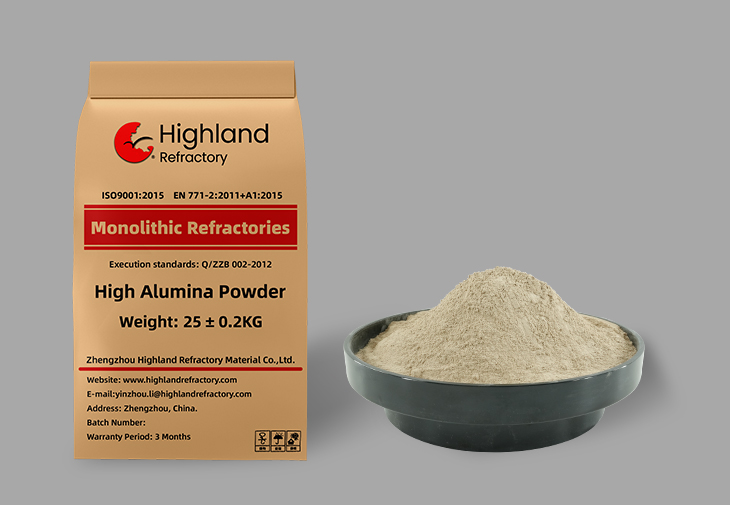
High alumina fine powder is a powder material with alumina (Al2O3) as the main component.
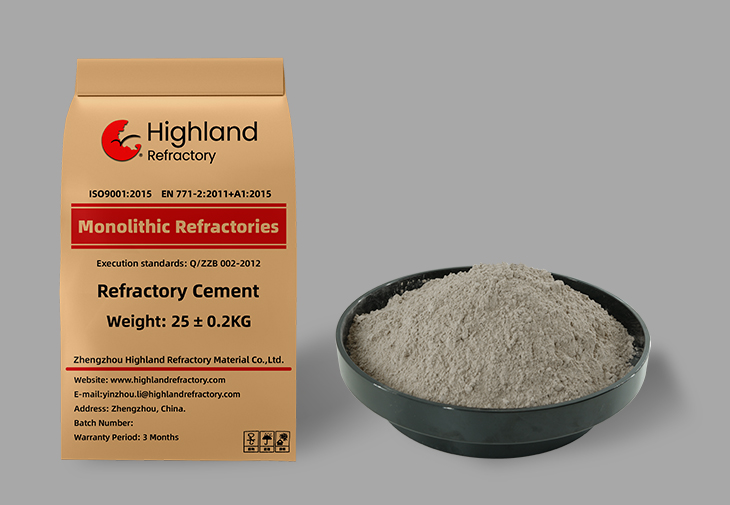
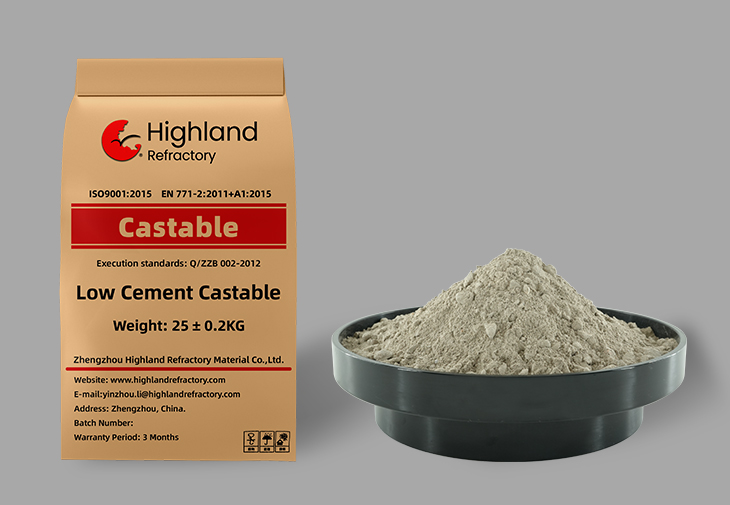
Refractory cement, also known as aluminate cement, is a fire-resistant hydraulic cementitious material.


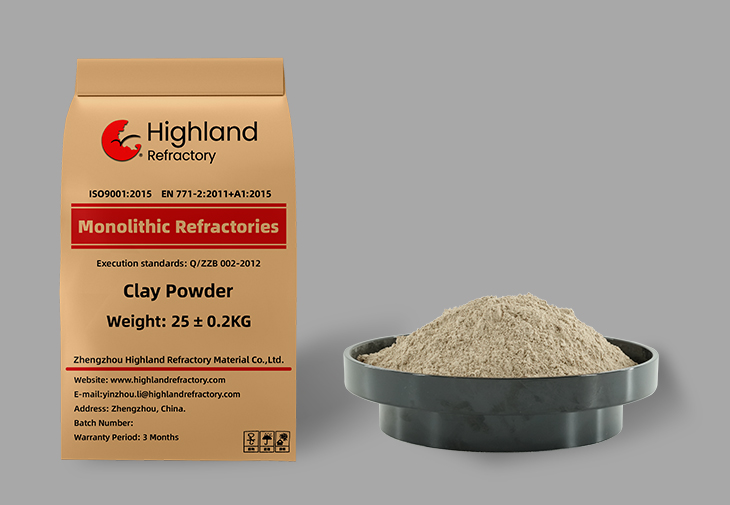
Clay powder is a powdery material with clay minerals as the main component.
