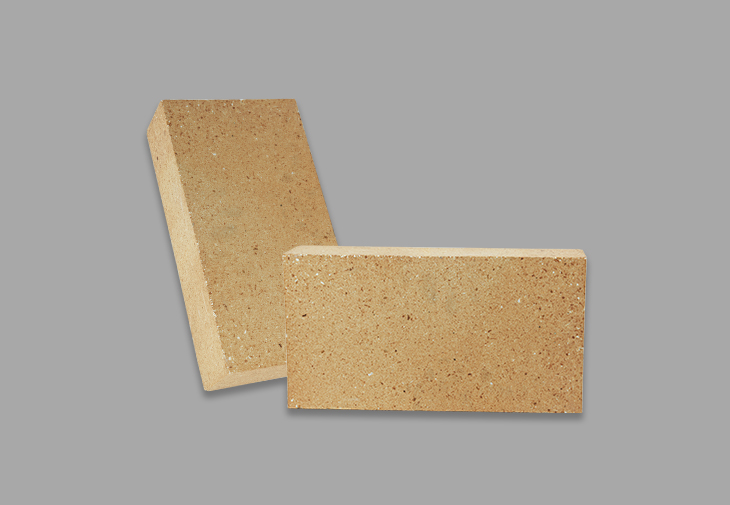

Highland Refractory, a trusted supplier of premium AZS Refractory Brick, offers high-performance AZS Brick—engineered from zirconia-alumina-silica (ZrO₂-Al₂O₃-SiO₂) composites for extreme high-temperature and corrosive environments. Our product line includes AZS 33 brick (33% ZrO₂ content), AZS 36 brick (36% ZrO₂), and AZS 41 brick (41% ZrO₂), each designed to withstand continuous operating temperatures up to 1800℃ with exceptional thermal shock resistance and corrosion resistance against molten glass, slags, and acids.
Ideal for glass manufacturing, AZS Brick excels in glass furnace pool walls, spouts, feeder channels, and refractory linings, forming a durable barrier that prevents contamination and ensures consistent glass quality. It minimizes wear and tear, extends equipment lifespan by 30%+, and reduces maintenance downtime—delivering long-term cost savings for global procurement teams and end-users. Highland Refractory’s AZS Refractory Brick combines rigorous quality control with technical precision, making it the go-to choice for industries demanding reliable, high-performance refractory solutions.

Highland Refractory, a trusted supplier of premium AZS Refractory Brick, offers high-performance AZS Brick—engineered from zirconia-alumina-silica (ZrO₂-Al₂O₃-SiO₂) composites for extreme high-temperature and corrosive environments. Our product line includes AZS 33 brick (33% ZrO₂ content), AZS 36 brick (36% ZrO₂), and AZS 41 brick (41% ZrO₂), each designed to withstand continuous operating temperatures up to 1800℃ with exceptional thermal shock resistance and corrosion resistance against molten glass, slags, and acids.

Material Options: High Alumina (45%-85% Al2O3), Chrome-Magnesite, Mullite, and Silicon Carbide. Precision Tolerance: We maintain a strict tolerance of +/- 1mm to 2mm, depending on the block size. Maximum Service Temperature: Up to 1800°C (3272°F) for specialized AZS and High Alumina grades. Custom Shaping: We provide full-service customization based on your CAD drawings, including grooves, holes, and interlocking designs.

Zirconia refractory bricks are refractory products containing a high proportion of zircon-based components, typically zircon sand (ZrSiO₄) and zirconia-related phases. Compared with ordinary alumino-silicate refractories, zirconia bricks exhibit: Superior resistance to molten glass corrosion Low wettability with glass melts Excellent chemical stability under weakly acidic conditions Stable volume at elevated temperatures

Zirconium Mullite Brick is a premium-grade composite refractory material engineered for high-temperature applications where thermal stability, corrosion resistance, and long service life are critical. By combining a mullite (Al₂O₃–SiO₂) matrix with a controlled addition of zirconia (ZrO₂), this refractory brick delivers significantly enhanced performance compared to conventional mullite or high alumina bricks.

Zircon Brick, also known as Zircon Refractory Brick or Zircon Silicate Brick, is a high-performance acidic refractory material manufactured primarily from natural zircon sand (ZrSiO₄). It is widely used in high-temperature industrial furnaces where excellent resistance to chemical corrosion, molten glass erosion, and thermal shock is required. Bulk Density:3.6–4.3 g/cm³ Apparent Porosity: ≤17% Cold Crushing Strength: ≥100 MPa Refractoriness Under Load (0.2 MPa): ≥1600°C Thermal Shock Resistance: Excellent Thermal Conductivity: Low
Fused Zirconium Corundum Brick, also known as fused cast zirconia–corundum refractory brick, is a premium refractory material specifically engineered for glass melting furnaces and other high-temperature, high-corrosion industrial environments. Manufactured through an electric arc melting process, this brick combines zirconia (ZrO₂) and alumina (Al₂O₃) in a dense, fully fused microstructure. Compared with sintered refractories, fused zirconium corundum bricks exhibit exceptional resistance to molten glass corrosion, alkali vapor attack, and thermal shock, making them a critical lining material in modern glass production.
Highland Refractory, a trusted supplier of premium AZS Refractory Brick, offers high-performance AZS Brick—engineered from zirconia-alumina-silica (ZrO₂-Al₂O₃-SiO₂) composites for extreme high-temperature and corrosive environments. Our product line includes AZS 33 brick (33% ZrO₂ content), AZS 36 brick (36% ZrO₂), and AZS 41 brick (41% ZrO₂), each designed to withstand continuous operating temperatures up to 1800℃ with exceptional thermal shock resistance and corrosion resistance against molten glass, slags, and acids.
Material Options: High Alumina (45%-85% Al2O3), Chrome-Magnesite, Mullite, and Silicon Carbide. Precision Tolerance: We maintain a strict tolerance of +/- 1mm to 2mm, depending on the block size. Maximum Service Temperature: Up to 1800°C (3272°F) for specialized AZS and High Alumina grades. Custom Shaping: We provide full-service customization based on your CAD drawings, including grooves, holes, and interlocking designs.
Zirconia refractory bricks are refractory products containing a high proportion of zircon-based components, typically zircon sand (ZrSiO₄) and zirconia-related phases. Compared with ordinary alumino-silicate refractories, zirconia bricks exhibit: Superior resistance to molten glass corrosion Low wettability with glass melts Excellent chemical stability under weakly acidic conditions Stable volume at elevated temperatures
Zirconium Mullite Brick is a premium-grade composite refractory material engineered for high-temperature applications where thermal stability, corrosion resistance, and long service life are critical. By combining a mullite (Al₂O₃–SiO₂) matrix with a controlled addition of zirconia (ZrO₂), this refractory brick delivers significantly enhanced performance compared to conventional mullite or high alumina bricks.
Zircon Brick, also known as Zircon Refractory Brick or Zircon Silicate Brick, is a high-performance acidic refractory material manufactured primarily from natural zircon sand (ZrSiO₄). It is widely used in high-temperature industrial furnaces where excellent resistance to chemical corrosion, molten glass erosion, and thermal shock is required. Bulk Density:3.6–4.3 g/cm³ Apparent Porosity: ≤17% Cold Crushing Strength: ≥100 MPa Refractoriness Under Load (0.2 MPa): ≥1600°C Thermal Shock Resistance: Excellent Thermal Conductivity: Low
Fused Zirconium Corundum Brick, also known as fused cast zirconia–corundum refractory brick, is a premium refractory material specifically engineered for glass melting furnaces and other high-temperature, high-corrosion industrial environments. Manufactured through an electric arc melting process, this brick combines zirconia (ZrO₂) and alumina (Al₂O₃) in a dense, fully fused microstructure. Compared with sintered refractories, fused zirconium corundum bricks exhibit exceptional resistance to molten glass corrosion, alkali vapor attack, and thermal shock, making them a critical lining material in modern glass production.
AZS refractory bricks are a family of high-zirconia refractory products — including fused cast refractory, zirconia, zircon mullite, zircon, and fused zirconium corundum grades — engineered for glass contact and other extreme high-temperature, high-corrosion environments. Characterized by ZrO₂ content from 20% to 95% and bulk density from 2.5 to 4.0 g/cm³, these bricks resist molten glass corrosion, alkali vapor attack, and thermal shock in furnace zones where conventional alumino-silicate refractories fail within months.
Highland Refractory manufactures six product lines under the AZS refractory brick category, each targeting a different combination of ZrO₂ content, manufacturing process, and service temperature:
All products are manufactured under ISO 9001:2015 quality management with batch XRF chemical analysis and physical property certificates. This page provides a product directory, comparison data, and selection guidance to help you identify the right product line for your furnace — then links to each product page for detailed grade specifications, chemical composition tables, and dimensional data.
6
Product Lines
20–95%
ZrO₂ Content Range
1800°C
Max Service Temperature
ISO 9001
:2015 Certified

| Product | Material System | ZrO₂ (%) | Max Temp (°C) | Density (g/cm³) | Porosity (%) | Corrosion Resistance | Cost | Best For |
|---|---|---|---|---|---|---|---|---|
| AZS refractory brick | Fused cast Al₂O₃-ZrO₂-SiO₂ | 33–41 | 1700 | ≥3.40 | ≤1.0 | ★★★ | ★★★ | Glass tank walls, feeders |
| High-Precision Large | AZS / High Alumina / CM | 0–41 | 1800 | 2.5–3.9 | 1–15 | ★★ | ★★★ | Custom large blocks |
| Zirconia Refractory | High-purity ZrO₂ | 65–95 | 2200 | 3.5–4.5 | 15–20 | ★★★★ | ★★★★ | Extreme temp zones |
| Zircon Mullite | Sintered mullite + ZrO₂ | 20–35 | 1650 | 2.8–3.2 | 12–18 | ★★ | ★★ | Superstructures, crowns |
| Zircon Brick | Sintered ZrSiO₄ | ~65 | 1600 | 3.6–4.3 | ≤17 | ★★ | ★★ | Regenerators, lower zones |
| Fused Zirconium Corundum | Fused ZrO₂-Al₂O₃ | 30–45 | 1800 | ≥3.40 | ≤1.0 | ★★★★ | ★★★★ | High-corrosion glass contact |
The six products in this category belong to three distinct material systems. Understanding these systems is the first step in product selection — each system has a different ZrO₂ source, crystal structure, and corrosion resistance mechanism. The detailed chemical composition and grade-by-grade specifications for each product are available on the respective product pages.
| Material System | ZrO₂ Source | Crystal Structure | Manufacturing | Corrosion Mechanism | Products |
|---|---|---|---|---|---|
| AZS (Alumina-Zirconia-Silica) | Fused ZrO₂-Al₂O₃-SiO₂ ternary | Corundum + baddeleyite eutectic in glassy matrix | Electric arc fusion → casting | Dense, low-porosity body resists glass penetration; ZrO₂ grains dissolve slowly in molten glass, creating a protective viscous layer at the interface | AZS, Fused Zirconium Corundum |
| Zirconia (ZrO₂-based) | High-purity stabilized ZrO₂ | Tetragonal/monoclinic ZrO₂ (stabilized with Y₂O₃ or CaO) | Sintering at 1600–1800°C | Extremely high chemical inertness; ZrO₂ does not react with most glass compositions; phase transformation toughening resists thermal shock cracking | Zirconia Refractory Bricks |
| Zircon (ZrSiO₄-based) | Natural zircon sand | Zircon (ZrSiO₄) grains in mullite or corundum matrix | Sintering at 1450–1600°C | ZrSiO₄ decomposes above 1600°C to ZrO₂ + SiO₂, forming a protective glassy phase; good resistance to weakly acidic slags and alkali vapor | Zircon Brick, Zircon Mullite Brick |

Different zones within a glass melting furnace expose refractory bricks to vastly different temperatures, corrosion intensities, and mechanical stresses. The table below maps each furnace zone to the recommended product line. For grade-level selection within each product line (e.g., AZS 33 vs 36 vs 41), refer to the product detail pages.
| Furnace Zone | Temperature (°C) | Corrosion Environment | Recommended Product | Selection Rationale |
|---|---|---|---|---|
| Tank wall (side) | 1500–1600 | Continuous molten glass erosion at flux line | AZS Brick (premium grade) | Fused cast density and high ZrO₂ resist flux-line corrosion for 3–5 year campaign. |
| Tank bottom paving | 1300–1400 | Downward glass contact + mechanical load | AZS Brick (standard grade) | Adequate corrosion resistance at lower cost; mechanical strength supports glass bath weight. |
| Throat & doghouse | 1500–1600 | Highest corrosion + glass flow turbulence | Fused Zirconium Corundum | Maximum ZrO₂ and fused cast density for the most aggressive zone. |
| Feeder channels | 1200–1350 | Conditioned glass flow, lower temperature | AZS Brick (standard grade) | Standard grade sufficient at lower temperature; prevents contamination of conditioned glass. |
| Superstructure (crown/breast wall) | 1450–1550 | Alkali vapor + batch dust, no glass contact | Zircon Mullite Brick | Sintered product with good alkali vapor resistance at lower cost than fused cast; no glass contact means porosity is acceptable. |
| Regenerator checker | 1000–1200 | Cyclic heating/cooling + batch carryover | Zircon Brick | Good thermal shock resistance for cyclic operation; adequate for lower temperatures. |
| Specialty glass / technical glass | 1700–2200 | Aggressive glass compositions, extreme temp | Zirconia Refractory Bricks | Highest chemical inertness and temperature capability for demanding glass types. |
| Custom large blocks | Varies | Per furnace design | High-Precision Large Bricks | Custom format blocks per CAD drawing with ±1 mm tolerance for specialized furnace designs. |

The manufacturing process determines the microstructure, density, and ultimately the corrosion resistance of AZS refractory bricks. Highland Refractory produces both fused cast and sintered variants — the two processes produce fundamentally different products suited to different furnace zones.
| Property | Fused Cast | Sintered |
|---|---|---|
| Manufacturing principle | Raw materials melted in electric arc furnace at 1800–2200°C, poured into molds, cooled slowly | Powdered raw materials pressed into shapes, fired in tunnel kiln at 1450–1800°C |
| Bulk density (g/cm³) | ≥3.40 (AZS 33) to ≥3.85 (AZS 41) | 2.8–4.3 (varies by product) |
| Apparent porosity (%) | ≤1.0 | 12–20 |
| Glass penetration resistance | Excellent — near-zero porosity prevents molten glass from entering the brick body | Moderate — interconnected pores allow gradual glass penetration over campaign life |
| Crystal size | Large, well-developed corundum-baddeleyite eutectic colonies (100–500 μm) | Fine, equiaxed grains (10–50 μm) bonded by ceramic matrix |
| Thermal shock resistance | Good — but large crystal size makes it sensitive to rapid temperature changes | Excellent — fine grain structure and porosity absorb thermal stress |
| Cost level | High — electric arc melting is energy-intensive | Medium — conventional tunnel kiln firing |
| Typical campaign life | 3–5 years (glass contact zones) | 1–3 years (non-contact or mild contact zones) |
| Highland products | AZS, Fused Zirconium Corundum | Zirconia Refractory Bricks, Zircon Mullite Brick, Zircon Brick |
Selection rule: Fused cast products go where molten glass touches refractory; sintered products go where it does not. The exceptions are zirconia refractory bricks, which are sintered but used in extreme-temperature glass contact because pure ZrO₂'s chemical inertness compensates for higher porosity. For detailed information on casting methods (PT, QX, WS, ZWS) and their effects on brick quality, refer to the AZS refractory brick product page.

For glass furnace refractory applications, the primary performance criterion is corrosion resistance against molten glass. The data below compares our corrosion resistant refractory products across common glass compositions and operating temperatures.
Corrosion resistance is the primary selection criterion for glass contact refractory bricks. The rate of material loss depends on glass composition, temperature, and flow velocity at the refractory interface. The table below presents benchmark corrosion rates for representative products across common glass types. These are laboratory static corrosion test values per ASTM C621 — actual service corrosion rates may differ based on furnace design and operating conditions.
| Product Line | Soda-Lime Glass @1450°C | Borosilicate Glass @1350°C | Lead Glass @1300°C | Container Glass @1500°C |
|---|---|---|---|---|
| AZS (standard) | 1.2 mm/day | 0.8 mm/day | 0.6 mm/day | 1.4 mm/day |
| AZS (premium) | 0.6 mm/day | 0.4 mm/day | 0.3 mm/day | 0.7 mm/day |
| Fused Zirconium Corundum | 0.5 mm/day | 0.3 mm/day | 0.2 mm/day | 0.6 mm/day |
| Zirconia Refractory | 0.3 mm/day | 0.2 mm/day | 0.1 mm/day | 0.4 mm/day |
| Zircon Mullite | 1.5 mm/day | 1.0 mm/day | 0.8 mm/day | 1.8 mm/day |
| Zircon Brick | 1.8 mm/day | 1.2 mm/day | 1.0 mm/day | 2.0 mm/day |
Key observations from the data:
For grade-specific chemical composition data and detailed corrosion test methods, refer to the individual product pages linked in the product directory above.
AZS refractory bricks are supplied in both standard shapes and custom formats. Fused cast products (AZS refractory bricks and fused zirconium corundum) are cast in sand or metal molds, allowing large single-piece blocks up to 600 mm. Sintered products are pressed or cast in plaster molds, with standard dimensions and custom shapes available.
| Shape Category | Standard Dimensions (mm) | Max Single Block (mm) | Tolerance | Available Products |
|---|---|---|---|---|
| Straight block (standard) | 230 × 114 × 65 / 300 × 150 × 75 | 600 × 400 × 300 | ±2 mm | All products |
| Wall block (large) | 300 × 400 × 600 / 400 × 500 × 800 | 900 × 500 × 400 | ±2 mm | AZS, Fused Zirconium Corundum |
| Paving slab | 500 × 300 × 100 / 600 × 400 × 120 | 1000 × 600 × 150 | ±1 mm | AZS |
| Throat block (custom) | Per furnace drawing | 1200 × 800 × 600 | ±1 mm | AZS, High-Precision Large |
| Feeder component (custom) | Per CAD drawing with internal ports | 500 × 400 × 300 | ±0.5 mm | AZS, High-Precision Large |
| Checker brick (regenerator) | 230 × 114 × 65 (with flues) | 300 × 150 × 75 | ±1 mm | Zircon Brick, Zircon Mullite |
| Custom large / special shape | Per customer CAD (DWG/DXF) | Per drawing | ±1 mm | High-Precision Large Refractory Bricks |
Custom shapes are produced from customer drawings in PDF, DWG, or DXF format. Our engineering team reviews each drawing for manufacturing feasibility (mold design for fused cast, press feasibility for sintered) and provides a quotation including tooling cost and unit price. Tooling cost is credited back on orders exceeding 10 tons of the same shape.
ISO 9001
:2015 Quality Management
100%
Batch XRF Chemical Analysis
ASTM
C621 Corrosion Testing
Per Order
Physical Property Certificates
Every batch of AZS refractory bricks undergoes a three-stage quality control protocol:
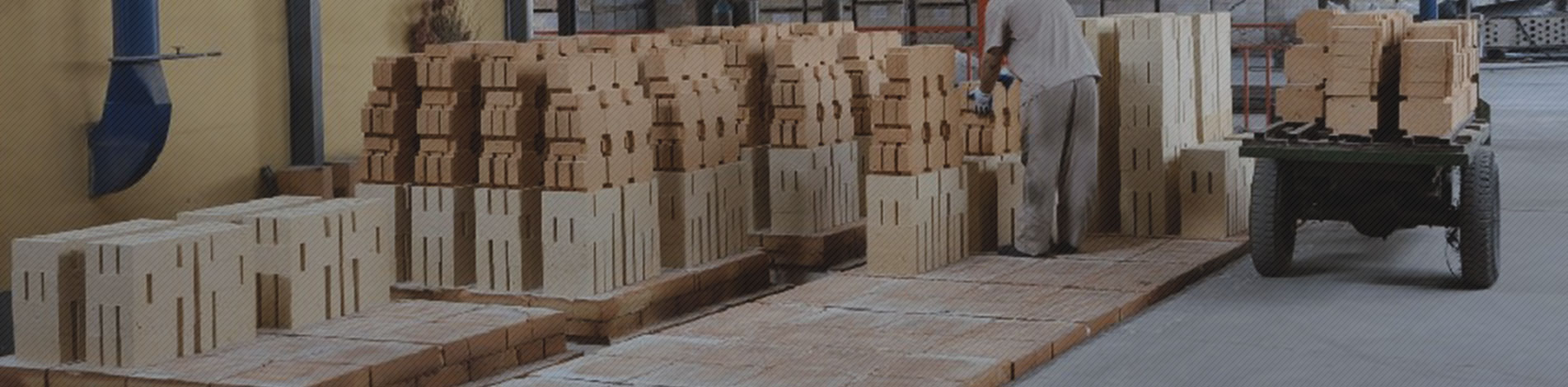
Two electric arc furnaces with 1.5-ton and 3-ton capacity per tap. Sand mold and metal mold casting capability for blocks up to 1200 mm maximum dimension. Annealing kilns for controlled cooling of large castings, preventing thermal stress cracking. Annual fused cast refractory output: 8,000+ tons.
Six tunnel kilns with firing zones up to 1800°C. Hydraulic presses from 400 to 1600 tons for standard and custom shapes. Isostatic press available for complex geometries. Annual sintered zirconia/zircon mullite output: 15,000+ tons across all refractory categories.
Diamond saw cutting for precision dimensions (±0.5 mm tolerance). CNC drilling and milling for internal ports, grooves, and interlocking features. Surface grinding for mating surfaces. Full CAD-to-product capability with drawing review within 24 hours.
Founded in 1990 in Xinmi, Henan — China's refractory raw material hub — Highland operates its own raw material processing, electric arc melting, casting, pressing, firing, and finishing lines. You deal directly with the factory, not a trading company. Production lead time and quality are controlled in-house.
Beyond AZS refractory bricks, Highland manufactures dense fire clay bricks, high alumina bricks, magnesia carbon bricks, silica bricks, insulation bricks, castables, and ceramic fiber products. One supplier, one shipment, one quality standard — saving procurement coordination time and mixed-supplier logistics cost.
Standard AZS refractory brick shapes are produced from stock molds, enabling 30-day lead time for standard orders. Custom large blocks and special shapes require 40–60 days including mold fabrication and diamond cutting. ISO 9001:2015 quality system ensures consistent output — no batch-to-batch surprises.
AZS refractory brick is a fused cast Al₂O₃-ZrO₂-SiO₂ composite with 33–41% ZrO₂, manufactured by electric arc melting and casting. It is the standard glass contact refractory for tank walls and feeders. Zirconia refractory bricks contain 65–95% ZrO₂ in pure or stabilized form and are manufactured by sintering. They are specified for extreme temperature zones (above 1700°C) or highly corrosive specialty glass compositions where AZS refractory bricks cannot survive. AZS is the cost-effective choice for most glass furnaces; zirconia refractory bricks are the premium option for the most demanding applications.
The rule is: fused cast for glass contact, sintered for non-contact. Fused cast refractory bricks (≤1% porosity) prevent molten glass from penetrating the brick body, making them essential for tank walls, throat, and feeder zones. Sintered zircon mullite and zircon bricks (12–20% porosity) are adequate for superstructures, regenerator checkers, and other zones exposed only to alkali vapor and batch dust — no molten glass contact. Using sintered products in non-contact zones saves 30–50% compared to fused cast.
Yes. We manufacture standard blocks and custom shapes per customer CAD drawings (PDF, DWG, or DXF). Custom capabilities include: large-format wall blocks up to 1200 mm, throat blocks with complex geometry, feeder components with internal ports and channels, paving slabs, and diamond-cut precision shapes with ±0.5 mm tolerance. Tooling cost is credited back on orders exceeding 10 tons of the same shape. Drawing review and quotation are completed within 24 hours of receipt.
Highland offers three standard AZS grades based on ZrO₂ content: a standard grade for moderate-contact zones (superstructures, feeder channels, end walls), an enhanced grade for tank walls where glass flow is aggressive, and a premium grade for the most critical zones (throat, doghouse, flux line). Higher ZrO₂ content provides greater corrosion resistance at higher cost. For the specific ZrO₂ percentages, chemical composition table, and physical properties of each grade, please refer to the AZS refractory brick product page.
Fused zirconium corundum brick is an electric arc fused refractory composed primarily of ZrO₂ and Al₂O₃, manufactured through the same fusion process as AZS refractory bricks but with different raw material proportions and sometimes higher ZrO₂ content. It is specified for the most aggressive glass contact zones — such as throat, doghouse, and high-temperature glass contact in specialty glass furnaces — where the premium AZS grade's corrosion resistance is insufficient. See the Fused Zirconium Corundum Brick product page for specifications.
Zircon mullite bricks are sintered products with 12–18% apparent porosity, making them unsuitable for continuous molten glass contact. They are specified for superstructure zones (crown, breast walls, regenerator crowns) where exposure is to alkali vapor and batch dust rather than molten glass. In these zones, zircon mullite provides good alkali vapor corrosion resistance and thermal shock resistance at 30–50% lower cost than fused cast products. For glass contact zones, use fused cast refractory products instead.
Highland is ISO 9001:2015 certified. Every shipment includes: (1) raw material XRF chemical analysis report, (2) finished product physical property certificate covering bulk density, apparent porosity, cold crushing strength, and chemical composition, and (3) for glass contact products, static corrosion test report per ASTM C621. Additional tests (thermal shock resistance, reheat linear change, refractoriness under load) are available on request. Third-party inspection by SGS, BV, or TÜV is accepted.
Standard AZS refractory brick shapes: 30-day lead time, MOQ 5 tons. Custom large blocks and special shapes: 40–60 day lead time including mold fabrication and diamond cutting, MOQ 3 tons or 10 pieces (whichever is greater). Fused zirconium corundum and zirconia refractory bricks: 45-day lead time due to higher firing temperatures. Mixed-product container shipments are supported — contact us with your requirement list for a consolidated quotation.
For product-specific technical data sheets, grade-level specifications, and detailed application guidance, visit the individual product pages below:
Fused cast refractory grades, chemical composition, casting methods, glass furnace zone applications.
Custom large-format blocks per CAD drawings, ±1 mm tolerance, multi-material options.
High-purity ZrO₂ bricks for extreme temperature and aggressive glass compositions.
Sintered mullite-zirconia composite for superstructures and regenerator crowns.
Natural zircon sand refractory for regenerator checkers and lower glass contact zones.
Fused ZrO₂-Al₂O₃ refractory for the most aggressive glass contact applications.
Send your furnace type, operating temperature, product line, quantity, and drawings — we respond within 12 hours.
Get Quote Now