

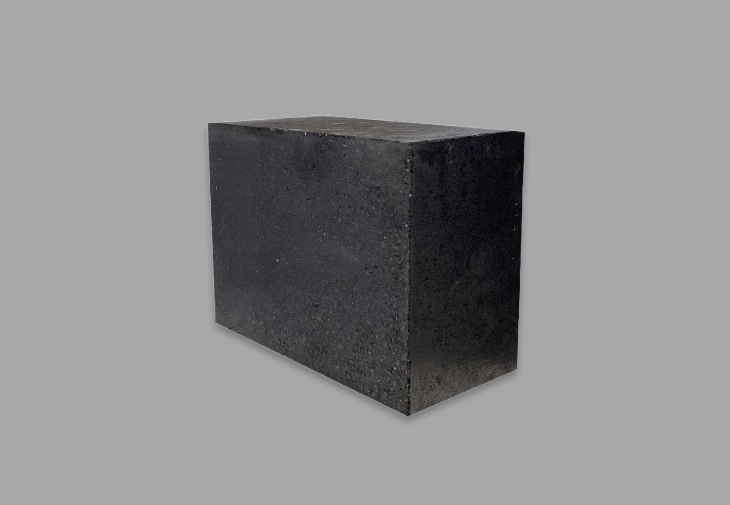
Magnesia refractory bricks are basic refractory bricks manufactured from high-purity dead-burned or fused magnesia aggregates, sintered at 1500–1650°C to form a dense periclase (MgO) matrix.
Highland supplies three grades of magnesia bricks — MZ-91 (MgO ≥91%), MZ-95 (MgO ≥95%), and MZ-97 (MgO ≥97%) — with bulk density 2.65–2.95 g/cm³, cold crushing strength ≥60 MPa, and service temperature up to 1700°C continuous.
These magnesia bricks are engineered for cement rotary kiln burning zones, glass furnace regenerator checkers, steel ladle safety linings, and lime shaft kilns where resistance to basic slag and alkaline vapors is critical. ISO 9001:2015 certified with batch XRF reports.

Highland Refractory supplies MZ-series magnesia refractory bricks for industrial furnace and kiln zones where basic refractory chemistry, high-temperature load stability, and resistance to alkaline slag are important. This page focuses on how to compare MZ-91, MZ-95 and MZ-97 by MgO content, bulk density, apparent porosity, cold crushing strength and refractoriness under load.

Magnesia Alumina Spinel Brick is a high-performance basic refractory brick developed to meet the increasingly demanding operating conditions of modern high-temperature industrial furnaces. By introducing alumina-based spinel (MgAl₂O₄) into a magnesia matrix, this type of refractory brick achieves an excellent balance between mechanical strength, thermal shock resistance, chemical corrosion resistance, and volume stability. Magnesia alumina spinel bricks are widely used in critical zones such as kiln burning zones, transition zones, safety linings, and furnace working linings, where resistance to thermal cycling, alkali attack, and slag penetration is essential.

Magnesia bricks are basic refractory products whose performance depends on more than MgO content alone. The manufacturing route and bond system influence the brick’s structure, thermal response, resistance to slag penetration, oxidation sensitivity and handling requirements. The main routes considered in industrial procurement are sintered magnesia brick, fused magnesia brick and unburned or chemical-bonded magnesia brick. This guide explains how these routes differ and what information a buyer should confirm before ordering. It does not replace the MZ-91, MZ-95 and MZ-97 technical data page. For grade-specific MgO, density, porosity, CCS and RUL values, see the MZ grade and performance guide.
Highland Refractory supplies MZ-series magnesia refractory bricks for industrial furnace and kiln zones where basic refractory chemistry, high-temperature load stability, and resistance to alkaline slag are important. This page focuses on how to compare MZ-91, MZ-95 and MZ-97 by MgO content, bulk density, apparent porosity, cold crushing strength and refractoriness under load.
Magnesia Alumina Spinel Brick is a high-performance basic refractory brick developed to meet the increasingly demanding operating conditions of modern high-temperature industrial furnaces. By introducing alumina-based spinel (MgAl₂O₄) into a magnesia matrix, this type of refractory brick achieves an excellent balance between mechanical strength, thermal shock resistance, chemical corrosion resistance, and volume stability. Magnesia alumina spinel bricks are widely used in critical zones such as kiln burning zones, transition zones, safety linings, and furnace working linings, where resistance to thermal cycling, alkali attack, and slag penetration is essential.
Magnesia bricks are basic refractory products whose performance depends on more than MgO content alone. The manufacturing route and bond system influence the brick’s structure, thermal response, resistance to slag penetration, oxidation sensitivity and handling requirements. The main routes considered in industrial procurement are sintered magnesia brick, fused magnesia brick and unburned or chemical-bonded magnesia brick. This guide explains how these routes differ and what information a buyer should confirm before ordering. It does not replace the MZ-91, MZ-95 and MZ-97 technical data page. For grade-specific MgO, density, porosity, CCS and RUL values, see the MZ grade and performance guide.
Magnesia refractory bricks (also called MgO bricks or magnesite bricks) are Al₂O₃-free basic refractories with MgO as the primary chemical component. They are manufactured from either dead-burned magnesia (sintered at 1500–1650°C) or fused magnesia (melted in electric arc furnaces at 2800°C), pressed at high pressure, and fired in tunnel kilns.
The defining characteristic of magnesia bricks is their basic chemistry. MgO is a strongly basic oxide, which means magnesia bricks react minimally with basic steelmaking slag (high CaO, FeO) and alkaline vapors — the primary wear mechanisms in cement kiln burning zones, converter linings, and glass furnace regenerators. In contrast, acidic refractories like silica bricks and fireclay bricks are rapidly eroded by basic slag.
Key properties of magnesia refractory bricks include:
For applications requiring carbon-bonded magnesia bricks (magnesia carbon bricks / MgO-C bricks), see our dedicated magnesia carbon brick page. This page focuses on ceramic-bonded magnesia refractory bricks (MZ-91, MZ-95, MZ-97 grades).
Highland manufactures three magnesia brick grades differentiated by MgO content, raw material source, and target application. Grade selection depends on slag chemistry (CaO/SiO₂ ratio), operating temperature, and the severity of thermal cycling in your furnace.
MgO ≥97%, bulk density ≥2.95 g/cm³. Manufactured using fused magnesia aggregates (MgO ≥98% raw base) to maximize periclase crystal size. The large, well-developed periclase crystals reduce structural porosity and prevent basic steelmaking slag from penetrating brick joints — the primary wear mechanism in steel ladle high-wear zones and EAF hot spots. Used in steel ladle high-wear zones, EAF hot spot areas, and glass furnace regenerator checkers (upper courses).
MgO ≥95%, bulk density ≥2.85 g/cm³. Formulated with high-purity dead-burned magnesia aggregate. Provides the optimal balance of thermal shock stability and high-temperature volume stability. The dead-burned raw material gives MZ-95 better resistance to thermal cycling than fused-magnesia grades, making it suitable for glass tank crowns, mixers, secondary steel ladle walls, and cement kiln safety linings where temperature fluctuations are common.
MgO 90–92%, bulk density ≥2.65 g/cm³. A cost-effective basic refractory for positions that do not experience direct slag erosion but require resistance to alkaline volatile gases and moderate thermal loads (up to 1500°C). Used in non-ferrous metallurgy furnace backup linings, lime shaft kilns, and general safety courses.
| Parameter | MZ-91 | MZ-95 | MZ-97 |
|---|---|---|---|
| MgO content | ≥91% | ≥95% | ≥97% |
| Raw material | Sintered magnesia | Dead-burned magnesia | Fused magnesia |
| Bulk density | ≥2.65 g/cm³ | ≥2.85 g/cm³ | ≥2.95 g/cm³ |
| Cold crushing strength | ≥60 MPa | ≥60 MPa | ≥60 MPa |
| Apparent porosity | ≤18% | ≤17% | ≤16% |
| Refractoriness under load (T₂) | ≥1550°C | ≥1650°C | ≥1700°C |
| Max service temperature | 1500°C | 1650°C | 1700°C |
| Thermal shock resistance (1100°C→25°C water) | ≥10 cycles | ≥15 cycles | ≥20 cycles |
| SiO₂ content | ≤4.0% | ≤2.5% | ≤1.0% |
| CaO content | ≤2.5% | ≤2.0% | ≤1.5% |
| Fe₂O₃ content | ≤1.0% | ≤0.8% | ≤0.5% |
| Standard size | 230×114×65mm, 230×114×75mm | ||
| Dimensional tolerance | ±1mm | ||
| Lead time | 30–40 days (standard) / 40–60 days (custom shapes) | ||
Slag chemistry note: If furnace slag has low basicity (high SiO₂, low CaO), acidic silica reacts with MgO at high temperatures to form low-melting-point monticellite (CaMgSiO₄, melting point 1490°C). This reaction dissolves the brick's bonding phase. Always maintain a basic slag ratio (CaO/SiO₂ ≥ 2.0) to preserve magnesia brick integrity.
| Furnace Zone | Temperature | Slag Environment | Recommended Grade |
|---|---|---|---|
| Cement rotary kiln burning zone | 1400–1600°C | Alkaline clinker, alkali vapors | MZ-95 or MZ-97 |
| Cement rotary kiln transition zone | 1000–1400°C | Moderate alkali, thermal cycling | MZ-91 or MZ-95 |
| Glass furnace regenerator (upper) | 1400–1500°C | Alkali vapor, batch dust | MZ-97 |
| Glass furnace regenerator (lower) | 800–1200°C | Moderate alkali | MZ-91 or MZ-95 |
| Steel ladle safety lining | 1500–1650°C | Indirect slag contact | MZ-95 |
| EAF hot spot | 1600–1750°C | Direct basic slag, FeO | MZ-97 |
| Lime shaft kiln | 1200–1400°C | Moderate, abrasive | MZ-91 |
| Non-ferrous furnace backup | 1200–1500°C | Alkaline volatiles | MZ-91 |
For zones in direct contact with corrosive liquid steel slag, magnesia carbon bricks (MgO-C) are typically specified rather than ceramic-bonded magnesia bricks — the carbon addition provides slag repellency that ceramic bonds cannot match. See our magnesia carbon brick page for MgO-C specifications.
Cement rotary kiln burning zones (MZ-95/MZ-97 for alkali and clinker resistance), transition zones (MZ-91), lime shaft kiln linings. Magnesia bricks resist alkali chloride and sulfate vapor attack that degrades alumina-silica refractories.
Regenerator checker chambers (upper courses: MZ-97; lower: MZ-91/MZ-95). Magnesia bricks withstand alkali vapor from batch materials and maintain structural integrity in regenerator packing at 1400°C+.
Steel ladle safety linings (MZ-95), EAF hot spots (MZ-97), mixer furnaces. For direct slag line contact, magnesia carbon bricks are recommended. Non-ferrous smelting furnace backup linings use MZ-91 for alkaline vapor resistance.
Basic chemical reactors and smelting furnaces operating in reducing atmospheres (CO, H₂). MgO does not undergo structural reduction or CO disintegration, making magnesia bricks stable in reducing environments up to 1700°C.
Magnesia refractory bricks and magnesia carbon bricks are both MgO-based basic refractories, but they differ fundamentally in bond type and application scope. Choosing the wrong type leads to premature lining failure.
| Property | Magnesia Bricks (Ceramic-Bonded) | Magnesia Carbon Bricks (Carbon-Bonded) |
|---|---|---|
| Bond type | Ceramic (silicate) bond | Carbon bond (flake graphite) |
| MgO content | 90–97% | 70–90% |
| Carbon content | 0% | 10–18% |
| Slag wettability | Wettable (slag can penetrate) | Non-wettable (carbon repels slag) |
| Thermal shock resistance | Moderate (10–20 cycles) | Excellent (≥25 cycles) |
| Oxidation resistance | Good | Poor (carbon oxidizes above 600°C in oxidizing atmosphere) |
| Max service temperature | 1500–1700°C | 1800–2000°C |
| Best application | Regenerators, safety linings, cement kiln zones | Converter slag lines, EAF hot spots, ladle slag lines |
Rule of thumb: Use ceramic-bonded magnesia bricks (MZ-91/95/97) for zones with indirect slag contact, alkali vapor exposure, or oxidizing atmospheres. Use magnesia carbon bricks for zones in direct contact with liquid steel slag where carbon's slag repellency is essential. For magnesia carbon brick specifications and grade selection, visit our magnesia carbon brick page.
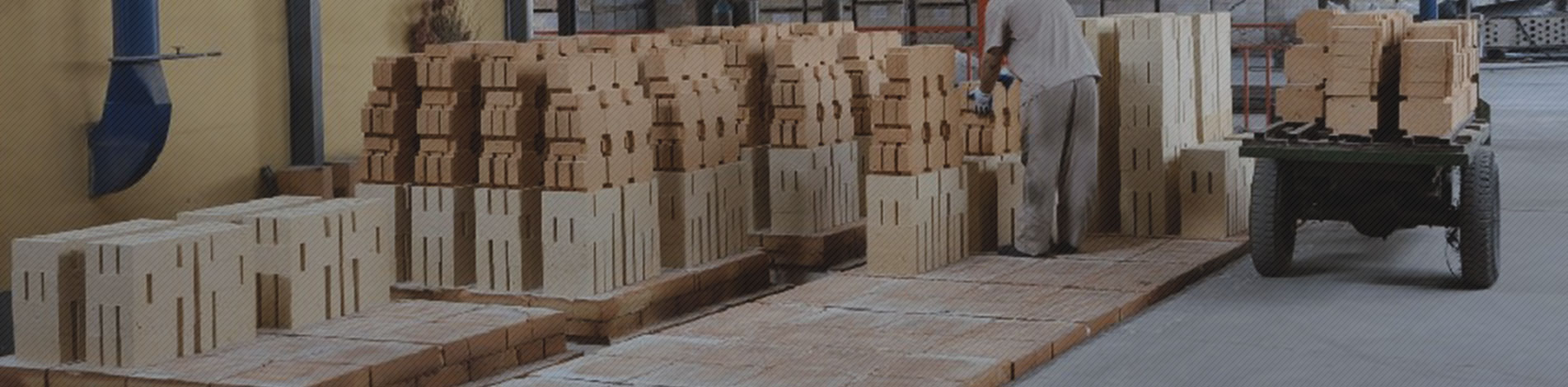
Highland Refractory has more than 31 years of experience in refractory manufacturing and international project supply. For buyers sourcing magnesia refractory bricks, our role is not limited to product dispatch: we help coordinate grade confirmation, shape requirements, documentation, packing and delivery planning before production begins.
Refractory Manufacturing Experience
Long-term experience in industrial refractory production and export coordination for furnace, kiln and metallurgical applications.
Series-Based Supply
MZ-grade magnesia bricks and related basic refractory products can be coordinated according to the requirements of each furnace zone and project package.
Project-Oriented Communication
Send the furnace type, lining location, grade requirement, brick drawings and target volume so the quotation can be prepared against a defined scope.
Magnesia refractory brick orders often include more than one grade, shape or packing requirement. Highland organizes production around the confirmed purchase specification to reduce identification errors between grades and to keep standard and custom items traceable through the supply process.
| Supply Stage | B2B Buyer Support |
|---|---|
| Specification Confirmation | Grade, dimensions, shape, quantity, tolerances and application conditions are confirmed before production scheduling. |
| Standard & Custom Shapes | Straight bricks and project-specific shapes can be coordinated according to available drawings and confirmed manufacturing requirements. |
| Batch Identification | Grade and batch references are used for packing identification and document matching where required by the order. |
| Inspection Documents | Technical data, inspection records or batch documentation can be arranged according to the agreed quotation and purchase contract. |
| Mixed Project Supply | Related magnesia-based refractory items may be coordinated within one project scope, subject to product availability and order quantity. |
Final grade selection, physical properties and delivery schedule are confirmed against the current technical data sheet and the specific purchase order. Please do not use a general series description as a substitute for project-level specification review.
Magnesia bricks are heavy, rigid and vulnerable to corner damage if pallets are not stabilized correctly. Packaging and delivery conditions are therefore confirmed together with the product specification, especially for full-container and long-distance export orders.
Pallet & Crate Protection
Bricks are stacked by grade and shape, secured to pallets or packed in reinforced crates when the order or transport route requires additional protection.
Grade Identification
Pallet marks can include product grade, dimensions, quantity, batch reference and destination details to support warehouse receiving and site distribution.
FCL & LCL Options
Full-container and less-than-container shipments can be discussed according to total weight, packing volume, destination and customer logistics arrangements.
| Delivery Item | How It Is Confirmed |
|---|---|
| Lead Time | Confirmed after grade, shape, quantity, drawings and production schedule are approved. |
| Shipping Terms | FOB, CIF or another agreed term can be quoted according to destination port and customer logistics requirements. |
| Export Documents | Commercial invoice, packing list, certificate of origin and agreed technical or inspection documents are prepared according to the contract. |
| Receiving Support | Packing marks and product references help the receiving team check grades and quantities before site installation. |
Delivery time, shipping cost, customs documents and packaging configuration vary by order. The final conditions are stated in the quotation and sales contract rather than inferred from this series page.
Plan a Magnesia Refractory Brick Order?
Send us your furnace type, lining location, required grade, dimensions, quantity and destination port. We will confirm the suitable product page, packing plan and delivery conditions for your project.
Highland Refractory supplies MZ-series magnesia refractory bricks for industrial furnace and kiln zones where basic refractory chemistry, high-temperature load stability, and resistance to alkaline slag are important. This page focuses on how to compare MZ-91, MZ-95 and MZ-97 by MgO content, bulk density, apparent porosity, cold crushing strength and refractoriness under load.
Magnesia bricks are basic refractory products whose performance depends on more than MgO content alone. The manufacturing route and bond system influence the brick’s structure, thermal response, resistance to slag penetration, oxidation sensitivity and handling requirements. The main routes considered in industrial procurement are sintered magnesia brick, fused magnesia brick and unburned or chemical-bonded magnesia brick. This guide explains how these routes differ and what information a buyer should confirm before ordering. It does not replace the MZ-91, MZ-95 and MZ-97 technical data page. For grade-specific MgO, density, porosity, CCS and RUL values, see the MZ grade and performance guide.
