


A lightweight corundum mullite brick is an insulating refractory brick manufactured using high-purity alumina-silica raw materials combined with controlled porosity technology. Compared with standard dense high alumina bricks, lightweight versions contain a higher proportion of closed pores, significantly reducing density and thermal conductivity while maintaining sufficient high-temperature strength.
Highland’s LG series includes density grades from LG-0.6 to LG-1.0. This specialized corundum mullite thermal insulation brick acts as an effective thermal barrier, maintaining structural integrity up to 1350°C. It is designed primarily as a backup or insulation layer behind dense working linings, helping stabilize kiln temperatures, protect steel shells, and reduce overall fuel consumption.
Home ›Refractory Bricks ›Lightweight Corundum Mullite Brick
A lightweight corundum mullite brick is an insulating refractory brick manufactured using high-purity alumina-silica raw materials combined with controlled porosity technology. Compared with standard dense high alumina bricks, lightweight versions contain a higher proportion of closed pores, significantly reducing density and thermal conductivity while maintaining sufficient high-temperature strength.
Highland’s LG series includes density grades from LG-0.6 to LG-1.0. This specialized corundum mullite thermal insulation brick acts as an effective thermal barrier, maintaining structural integrity up to 1350°C. It is designed primarily as a backup or insulation layer behind dense working linings, helping stabilize kiln temperatures, protect steel shells, and reduce overall fuel consumption.
TOC: Lightweight Corundum Mullite Brick Guide
| 1. Product Definition | What is Lightweight Corundum Mullite Brick? |
| 2. Specifications Sheet | High Alumina Lightweight Brick TDS |
| 3. Density vs. Strength | The Engineering Balance: Density vs. Compressive Strength |
| 4. Thermal Performance | Low Thermal Conductivity & Thermal Barrier Mechanisms |
| 5. Dense vs. Lightweight | Lightweight vs. Dense Corundum Mullite Bricks |
| 6. Applications | Kiln & Furnace Application Zones |
| 7. Custom Shapes | Dimensions, Wedge Bricks & Custom Shapes |
| 8. Cost Analysis | B2B Price & Total Cost of Ownership (TCO) |
| 9. Technical FAQ | Frequently Asked Questions (FAQ) |
A lightweight insulating corundum mullite brick is an insulating refractory brick manufactured using high-purity alumina raw materials combined with controlled porosity technology. Compared with standard dense high alumina bricks, lightweight versions contain a higher proportion of closed pores, significantly reducing density and thermal conductivity while maintaining sufficient high-temperature strength.
Unlike traditional fire clay insulating bricks, a high alumina lightweight insulation brick offers improved refractoriness and chemical stability. This makes it suitable for applications where both insulation and resistance to aggressive kiln atmospheres are required.
⚠️ Notice: Although containing high-purity corundum phases, these lightweight bricks have high porosity (apparent porosity ≥ 40%) and should never be used in zones with direct liquid slag, melt contact, or severe mechanical abrasion.

The performance of the low density corundum mullite brick series is determined by rigorous manufacturing standards. The typical properties below are measured per standard refractory test methods:
| Technical Indicator | LG-1.0 | LG-0.8 | LG-0.6 | Standard Test Basis |
|---|---|---|---|---|
| Al&sub2;O&sub3; Content (%) | Typical range: 42% - 55% or higher (Subject to specific batch TDS) | Chemical Analysis | ||
| Fe&sub2;O&sub3; Content (%) | ≤ 2.0 | ≤ 2.0 | ≤ 2.0 | Chemical Analysis |
| Volume Density (g/cm³) | 1.0 | 0.8 | 0.6 | GB/T 2997 |
| Cold Compressive Strength (MPa) | ≥ 4.0 | ≥ 3.0 | ≥ 2.0 | GB/T 5072 |
| Thermal Conductivity (W/m·K) @350±25°C | ≤ 0.50 | ≤ 0.35 | ≤ 0.30 | GB/T 5990 |
| Reheating Linear Change (%) | Stable ≤ 2.0% under respective classification temperature (1350°C) | GB/T 5988 | ||
Note: The technical data represents typical ranges. Final batch values must be confirmed against the actual inspection data sheet supplied with the order.
In high-temperature lining design, selecting a low density corundum mullite brick requires a balance between insulation performance and mechanical stability. While lower bulk densities (such as LG-0.6) minimize thermal conductivity, they also reduce the brick’s cold compressive strength.
A standard LG-1.0 block provides a compressive strength ≥ 4.0 MPa, suitable for areas with mild load-bearing requirements, whereas the LG-0.6 grade (compressive strength ≥ 2.0 MPa) is reserved strictly for non-load-bearing backup zones or suspended ceilings where thermal resistance is the primary requirement.
A key parameter in selecting a low thermal conductivity corundum mullite brick is its heat retention capability. High alumina content provides excellent thermal stability at temperatures below 1350°C, preventing glass-phase shrinkage under continuous operational loads.
By utilizing the "poly light burning loss method," we introduce micro-sized closed pores within the corundum-mullite matrix. These closed pores restrict gas convection currents within the brick body, keeping the thermal conductivity under 350°C below 0.35 W/m·K (for LG-0.8 and LG-0.6 grades), providing a reliable thermal barrier for industrial kilns.
Understanding the distinction between lightweight vs high alumina fire brick is crucial for cost-effective lining configuration:
| Parameter | Lightweight Insulating Grade | Dense Structural Grade |
|---|---|---|
| Typical Density (g/cm³) | 0.6 - 1.0 | ≥ 2.75 - 3.00 |
| Primary Function | Backup insulation & energy saving | Hot-face wear & corrosion resistance |
| Slag Contact Capability | Not allowed (causes rapid infiltration) | Excellent resistance (low open porosity) |
| Thermal Conductivity (@350°C) | Very low (≤ 0.30 - 0.50 W/m·K) | High (TDS-dependent) |

A corundum mullite backup insulation brick is widely deployed in high-temperature environments behind dense refractories:
To match unique furnace geometry without on-site cutting (which damages the porous structure of lightweight bricks), we provide customized shapes:

When calculating the price of lightweight high alumina insulating brick, B2B procurement teams must evaluate long-term thermal stability over initial CAPEX. Standard fire clay insulating bricks are cheaper but shrink and crack under continuous temperatures above 1100°C.
Highland’s high alumina lightweight series maintains volumetric stability with ≤ 2% reburning linear change, eliminating shrinkage-related heat leakage pathways. This structural durability minimizes unexpected kiln shut-downs, delivering significant savings on annual maintenance and energy costs.
Lightweight corundum mullite bricks offer much higher refractoriness (up to 1350°C service limit) and superior chemical stability in aggressive or reducing atmospheres compared to fire clay insulating bricks, which are generally restricted to temperatures below 1100°C.
No. Fused or sintered dense refractories must be used at the hot-face to resist molten materials, slag, and direct abrasion. Lightweight insulating bricks must be placed as a secondary backing layer to prevent mechanical erosion and slag penetration.
Compressive strength is directly proportional to material density. Lower-density grades like LG-0.6 contain more insulating closed pores, which reduces heat transfer but limits structural load-bearing capacity compared to the denser LG-1.0 grade.
Pre-machined wedge bricks provide an exact radius fit for curved kiln shells, minimizing the joint mortar gaps. Large joints are highly vulnerable to hot gas penetration, which causes progressive lining collapse.
Please provide your kiln operating temperature, thickness requirements, required LG grade (e.g., LG-0.8), custom brick drawings, total piece count, and target destination port. We will supply a formal quotation and material datasheet within 24 hours.
Send us your kiln dimensions or backup lining blueprints. Our engineering team will review your drawings, recommend the optimal LG density grade, and provide an export-ready material quotation.

Aluminum content 75%-80% Refractory 1770℃ or above
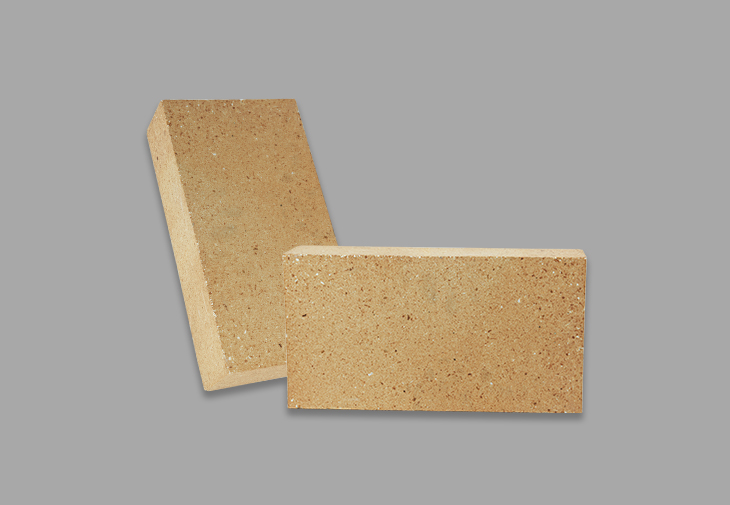


High alumina poly light brick is a high quality lightweight refractory material.

Checker bricks are heat transfer media used in the regenerative chambers of blast furnaces and hot blast stoves.

High alumina composition (Al₂O₃ ≥ 65%) for ultra-high Mechanical strength (cold crushing ≥ 49 MPa) to resist stacking loads Precise groove geometry (custom depth, spacing, width) for optimal airflow and heat transfer

Mullite lightweight insulation brick is a high-quality insulation material.
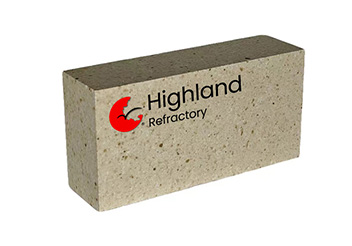
Low creep clay bricks have a low creep rate in high temperature environments and can maintain good shape and dimensional stability for a long time.

Silica bricks, made primarily from high-purity silica (SiO₂), are among the most critical refractory materials used in high-temperature industrial processes.
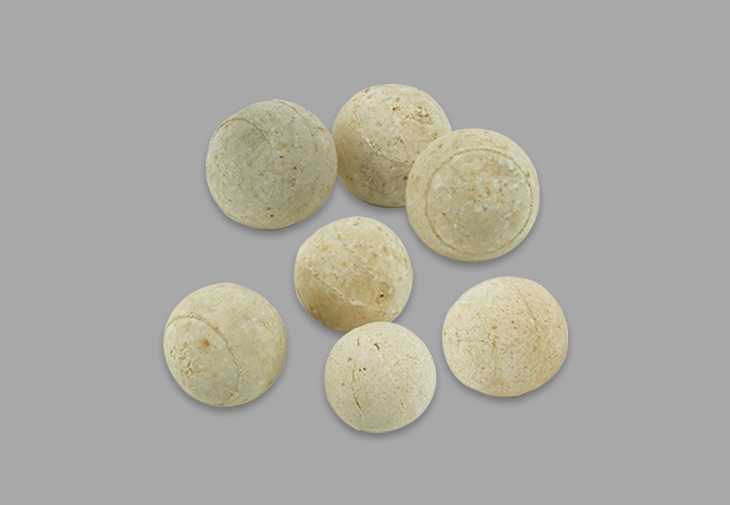
Made from industrial alumina and refractory kaolin as the main raw materials, produced through scientific formulation...

Silicon carbide plates are mainly composed of silicon carbide (SiC) as the aggregate (with a content usually ≥ 80%).
