
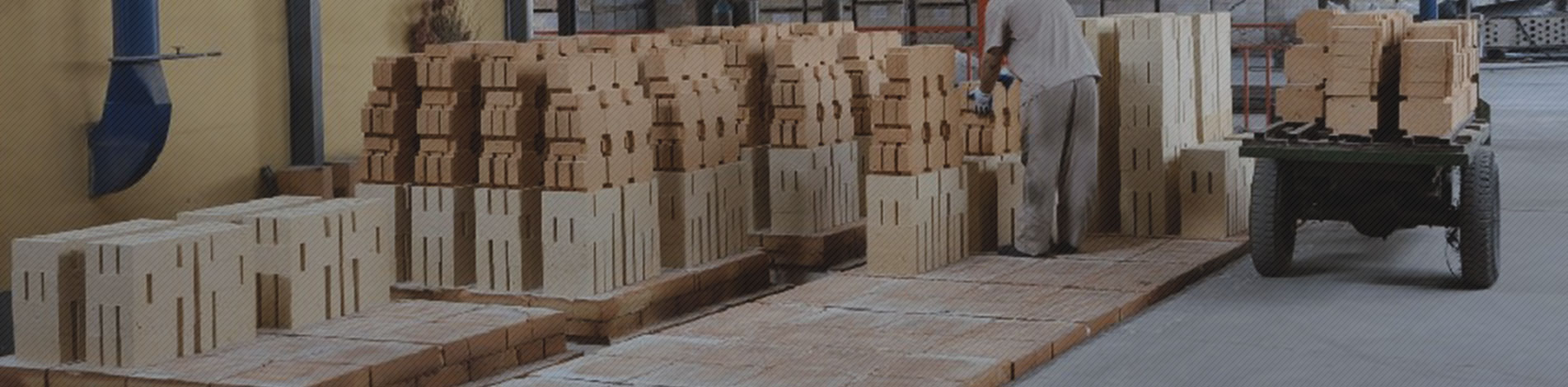

Corundum castable is a high-performance monolithic refractory material based on high-purity corundum (α-Al₂O₃) as the primary aggregate. It is designed for extreme high-temperature industrial environments where conventional refractory castables cannot provide sufficient durability, wear resistance, or chemical stability.
Unlike traditional refractory bricks, corundum castable is a pourable or vibration-installed material that forms a dense, seamless lining after curing and firing. This monolithic structure eliminates joints and weak points, significantly improving furnace integrity and service life.

White corundum castable is a high-quality high-temperature refractory material with high-purity alumina powder as the main raw material.

Corundum mullite castable is a high-quality high-performance refractory material with high thermal conductivity, insulation, good chemical stability and resistance to reducing agents.

Chrome corundum castable is a high-performance amorphous refractory material composed of corundum and chromium. It has high melting point, high hardness, high stability and excellent slag resistance and wear resistance.
White corundum castable is a high-quality high-temperature refractory material with high-purity alumina powder as the main raw material.
Corundum mullite castable is a high-quality high-performance refractory material with high thermal conductivity, insulation, good chemical stability and resistance to reducing agents.
Chrome corundum castable is a high-performance amorphous refractory material composed of corundum and chromium. It has high melting point, high hardness, high stability and excellent slag resistance and wear resistance.
Highland Refractory's corundum castable series covers several corundum-based monolithic refractory products developed for different high-temperature service requirements. The product family includes White Corundum Castable, Corundum Mullite Castable and Chrome Corundum Castable, with each product representing a different material direction and selection focus.
The corundum castable series is a group of monolithic refractory castables built around corundum-based material systems. Although the products share a general corundum refractory direction, their formulations and intended selection conditions can differ.
This distinction is important for industrial buyers. A castable selected for a general dense high-alumina refractory requirement may not be the best choice for a zone requiring a mullite-containing formulation or a chromium-containing refractory chemistry.
The purpose of this page is therefore to help buyers identify the appropriate product family before reviewing the detailed technical specifications. Exact chemical composition, strength, density and other product data belong on the individual product pages.
Highland Refractory's corundum-related castable range can be viewed as three main product directions. The differences are more important than the shared product-family name because they affect how the material should be evaluated for a refractory application.
White Corundum Castable is the dense corundum-based product direction for applications requiring the corresponding high-alumina refractory material system. The specific grade should be selected from the current product specification according to the working zone and service requirements.
This product page contains the detailed technical information for the current Highland Refractory Corundum Castable range.
View Corundum CastableCorundum Mullite Castable is a separate product direction combining corundum and mullite-based refractory characteristics. It should be considered when the required refractory performance corresponds to this material system.
Buyers should review the dedicated product specification rather than applying the data from another corundum castable grade.
View Corundum Mullite CastableChrome Corundum Castable represents the chromium-containing direction within the product family. Its selection should consider the chemical environment and the complete physical specification required by the refractory zone.
The dedicated product page provides the current composition and physical property data for this material.
View Chrome Corundum CastableThe following comparison is intended to help buyers choose which product page to review next. It is not a universal performance ranking. Final selection must be based on the current technical specification and actual service conditions.
| Product | Material Direction | Main Selection Focus | Best Next Step |
|---|---|---|---|
| White Corundum Castable | Dense corundum-based refractory | Dense high-alumina refractory requirements | Review product-specific technical data |
| Corundum Mullite Castable | Corundum + mullite material system | Application requiring this specific material direction | Compare the dedicated product specification |
| Chrome Corundum Castable | Corundum + chromium-containing material system | High-temperature applications where chemical environment is an important consideration | Review Cr₂O₃-containing product data |
Selecting from a corundum castable series is easier when the application is defined first. Instead of starting with the highest nominal temperature or strongest material, identify the refractory function and the conditions that the material must tolerate.
The project requires a dense corundum-based castable and the working conditions are compatible with the technical specification of the selected White Corundum Castable grade.
The required refractory design calls for a corundum-mullite material system rather than a standard corundum-only product direction.
The application requires evaluation of a chromium-containing corundum refractory system because chemical exposure and material compatibility are important selection factors.
Corundum-based castables can be considered for different industrial thermal systems, but the same product should not automatically be applied to every section of the equipment. Application should be matched to the actual refractory zone and its operating conditions.
Metallurgical equipment can expose refractory linings to high temperature, thermal cycling, mechanical wear and process-related chemical conditions. The appropriate corundum product should be selected according to the specific zone and material requirements.
Furnace walls, bottoms, roofs and other refractory sections may require different castable formulations. Product selection should follow the actual temperature and mechanical environment of each zone.
Selected kiln and thermal-processing equipment may use corundum-based monolithic refractories where dense refractory construction and high-temperature performance are required.
Where slag, process gases or other chemically aggressive materials are present, product selection should include material compatibility rather than relying on temperature alone.
The individual product pages should be used to determine the detailed technical suitability of a specific castable. This category page is intended to guide product selection rather than replace application-specific engineering review.
Once the required corundum castable type has been identified, buyers should move from product-family selection to grade-specific technical verification. The relevant data depend on the product, but several parameters are commonly important when comparing refractory castables.
Confirm the required alumina level and any additional controlled chemical components relevant to the selected product system.
Review the specified density under the stated test condition. Density affects the physical characteristics and overall refractory construction.
Compare compressive and bending strength at the specified temperatures and test conditions when mechanical performance is part of the selection requirement.
Review heating linear change or other dimensional data where the refractory system requires controlled dimensional behavior.
Maximum particle size and grading can affect installation characteristics and should be confirmed against the intended construction method.
Mixing water, placement method, curing and dry-out requirements should be taken from the applicable product documentation.
The purpose of these checks is to move from a general product-family decision to a specific purchasing specification. Do not transfer a parameter from one corundum castable product to another without confirmation.
For B2B procurement, a product-family page is useful for identifying the correct material direction, but the final order should reference the specific product and technical specification.
| Procurement Item | What to Confirm |
|---|---|
| Product | Exact corundum castable type and product designation |
| Technical Specification | Current TDS and agreed physical / chemical requirements |
| Application | Equipment type, refractory zone and service conditions |
| Quantity | Required order quantity and project demand |
| Packaging | Agreed packaging configuration for transport and storage |
| Delivery | Destination and required delivery schedule |
| Quality Documents | Applicable product and batch documentation required by the buyer |
Buyers can provide the following information to make product selection more precise. This is especially useful when the refractory requirement is being reviewed by a supplier or engineering team.
Highland Refractory's corundum-related castable range includes White Corundum Castable, Corundum Mullite Castable and Chrome Corundum Castable. Each is a separate product direction and should be evaluated using its own technical specification.
White Corundum Castable represents a dense corundum-based product direction, while Chrome Corundum Castable includes a chromium-containing material system. The appropriate choice depends on the required chemical environment and complete refractory specification.
They are different material directions. Corundum Castable is a corundum-based dense refractory product, while Corundum Mullite Castable uses a corundum-mullite material system. The dedicated product specifications should be compared when selecting between them.
Start with the refractory zone and service conditions. Review temperature, mechanical exposure, chemical environment and the role of the refractory layer. Then select the corresponding material direction and confirm the exact product specification from its dedicated product page.
Detailed technical specifications are provided on the individual product pages. Use the corresponding product page for current grade-specific chemical and physical data rather than applying general series information to every product.
Industrial supply can be reviewed according to the specific product, application, quantity, destination and technical requirements. Buyers should identify the required material direction and provide the project conditions before final procurement.
Send your equipment type, refractory zone, operating temperature, chemical or mechanical exposure, required quantity and destination. Highland Refractory can help identify the appropriate corundum-based product direction and provide the applicable technical documentation.
Corundum mullite castable is a high-quality high-performance refractory material with high thermal conductivity, insulation, good chemical stability and resistance to reducing agents.
Chrome corundum castable is a high-performance amorphous refractory material composed of corundum and chromium. It has high melting point, high hardness, high stability and excellent slag resistance and wear resistance.
