
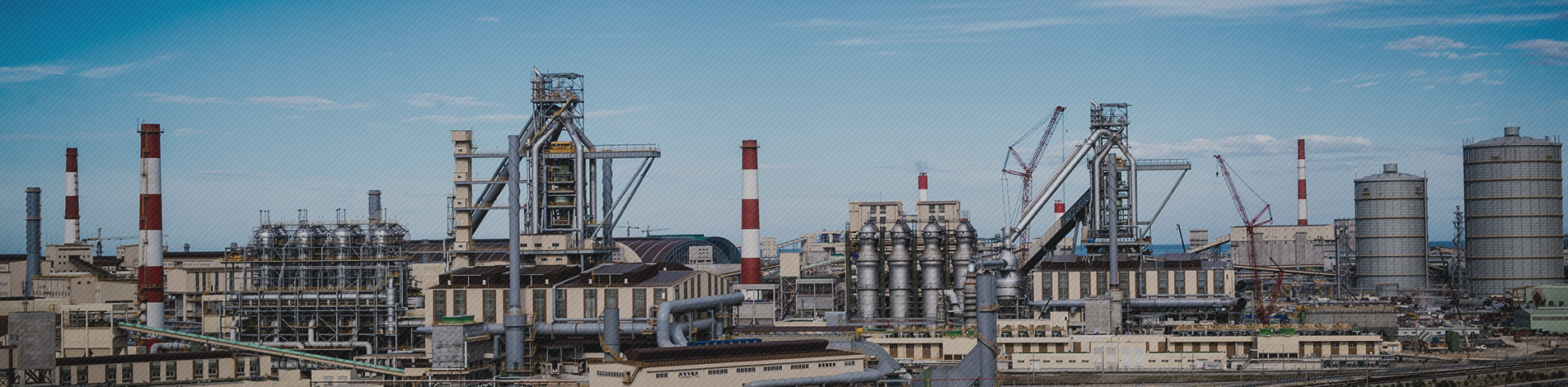
Glass Industry Applications
Engineering-oriented refractory selection guidance for float glass, PV glass, container glass and specialty glass producers reviewing furnace zones, regenerator structures, feeder channels, forehearths and maintenance requirements.
Glass refractory decisions normally involve plant management, furnace engineers, refractory specialists, maintenance teams and procurement. Each group looks at the same lining from a different angle. A useful technical review therefore connects the glass product, furnace zone, exposure, material function, installation method and quality documentation before a grade is selected.
Tesis Yönetimi
Review lining reliability, maintenance exposure, production continuity, contamination risk and the scope of supplier responsibility. The priority is a technically clear project brief rather than a generic material promise.
Furnace Engineering
Provide furnace drawings, glass composition, operating cycle, glass contact zones, thermal profile, corrosion observations and current refractory details so each lining section can be reviewed against its actual duty.
Bakım
Focus on alkali attack, glass-contact corrosion, thermal shock, spalling, joint movement, hot spots, repair interfaces and the planned shutdown window.
Tedarik
Need product grades, dimensions, quantities, TDS, inspection records, packaging, delivery conditions and a clear distinction between material supply, technical coordination and site work.
Glass plants use different refractory materials across the furnace, regenerators, channels and forehearths. Typical operating temperatures vary by glass composition, furnace design, combustion system and process section. The values below are industry reference points for initial discussion, not universal performance guarantees.
| Ekipman / Bölge | Typical Exposure | Main Refractory Review | Information Required |
|---|---|---|---|
| Cam Ergitme Fırını | Molten glass, alkali-bearing batch, high temperature, glass flow and chemical corrosion | Glass-contact materials, AZS or alumina-based directions, joints, bottom, side wall, breastwall and superstructure by zone | Glass type, composition, furnace drawings, campaign history, wear map and current material |
| Rejeneratör | Hot combustion air, repeated heating and cooling, gas flow and checker-work exposure | Thermal-shock stability, creep or deformation, checker arrangement, insulation and repair areas | Regenerator drawing, temperature profile, air cycle, checker type and observed spalling |
| Feeder Channels and Forehearths | Molten glass flow, temperature control, contamination sensitivity and local wear | Low-contamination surfaces, thermal stability, channel geometry, insulation and repair compatibility | Glass product, channel dimensions, target temperature profile, current lining and sticking observations |
| Backup and Repair Areas | Heat retention, substrate movement, joints, moisture and restart conditions | Insulation, bonding, patching, surface protection and interface compatibility | Substrate, thickness, repair area, photos, curing and dry-out requirements |
Swipe horizontally on small screens to view all selection fields.
Suggested Image: Glass melting furnace refractory zones and material selection map.
Glass refractory selection should begin with the failure mechanism. A typical glass plant may experience more than one mechanism at the same time, and the dominant exposure can change between the glass-contact zone, hot face, checker work, channel, forehearth and backup layer.
Alkali-bearing batch and molten glass can react with refractory phases, causing dissolution, penetration, texture loss or particle shedding. Glass type, chemistry, residence time and furnace zone should be reviewed before selecting an AZS, alumina or other glass-contact material.
Regenerators, checker work and repair interfaces may experience repeated temperature changes. The actual thermal cycle, geometry, joint design, moisture control, curing and dry-out procedure matter when thermal-shock stability is reviewed.
Ultra-white, optical and PV glass may have stricter contamination and color requirements than general glass. Low-iron or low-particle material should be specified only against the glass product requirement, the refractory TDS and an agreed quality-control method.
Forehearths, feeder channels and backup layers require a review of heat flow, insulation thickness, joints, local geometry and control conditions. A temperature range should be treated as an operating reference, not as a guaranteed material result.
Molten glass flow, batch movement, gas flow and maintenance activity can create local wear. A repair or replacement decision should consider remaining thickness, flow direction, interface condition and the planned shutdown scope.
Repeated joint opening, cracking or repair loss may relate to design, expansion allowance, anchors, mortar, curing, dry-out or substrate movement. Changing the product alone may not resolve a recurring failure.
Typical industry references can help start a discussion, but the final material choice should be matched to glass composition, furnace design, zone exposure, product requirements and the applicable TDS. The following four steps help separate a technical inquiry from a generic request for “high-temperature refractory.”
01
State float, container, PV, ultra-white, optical or specialty glass and provide the relevant chemistry or contamination requirements.
02
Define furnace bottom, side wall, breastwall, superstructure, regenerator, checker work, channel, forehearth, insulation or repair area.
03
Compare corrosion, thermal shock, flow, contamination, heat loss, erosion, joints and maintenance conditions.
04
Match grade, chemistry, dimensions, quantity, TDS, inspection documents, installation method, curing and dry-out requirements.
Suggested Image: Regenerator checker work, thermal cycling and backup insulation diagram.
The following product pages can be reviewed as material categories for glass-industry projects. The links do not mean that every grade is suitable for every glass type, furnace zone or direct glass-contact condition. Final selection depends on the project information and applicable technical documents.
Review for selected insulation or backup locations where load, temperature, joints and thermal conductivity requirements are confirmed.
Review for selected high-temperature structural or thermal-stability areas after checking glass contact, geometry and TDS.
Review only where chemical compatibility, contamination control, environmental requirements and the specific furnace zone are confirmed.
Review for suitable auxiliary, structural or backup sections according to glass exposure, dimensions and quality requirements.
Review for selected furnace, regenerator, auxiliary or maintenance areas where the material function is defined by the project.
Review for compatible bonding, construction and maintenance scopes. It should not be treated as a default glass-contact working lining.
Review only for a defined SiC plate application. Product name and use should be kept distinct from silica insulation board terminology.
Review for selected auxiliary or backup positions only after checking temperature, chemistry, load and glass-contact requirements.
Glass furnace refractory performance depends on both the selected material and the construction record. Before production and site work, align the drawings, material schedule, joint design, installation method, curing, dry-out, inspection points and responsibility boundaries.
Technical coordination, inspection, installation guidance or maintenance support can be discussed according to the project location, shutdown schedule, equipment condition and agreed responsibilities. Product supply alone does not automatically represent a complete EPC contract.
Suggested Image: Feeder channel and forehearth refractory selection diagram.
Project references are most useful when the equipment, glass type, material scope and operating result are clearly documented. The following scenarios are presented as cautious reference directions rather than universal performance guarantees. Actual results depend on furnace design, glass chemistry, installation quality, operating cycle and maintenance conditions.
Typical concern: Color contamination, glass-contact corrosion or particle shedding may require a review of low-iron requirements and the affected furnace zones.
Malzeme yönü: Review the applicable AZS, alumina or corundum-based grades against the glass specification and current refractory TDS.
Reference outcome: A properly documented lining review may help improve material compatibility and maintenance planning. It should not be presented as a fixed scrap-rate or service-life guarantee.
Typical concern: Checker-work spalling, thermal cycling or insulation loss can increase maintenance pressure and affect heat recovery stability.
Malzeme yönü: Review mullite, alumina, insulation and repair materials according to the regenerator drawing, air cycle, temperature profile and failure evidence.
Reference outcome: The purpose of the review is to improve zone matching and maintenance decisions. Energy savings, campaign life and ROI require project-specific measurement.
A glass refractory quotation should begin with the furnace zone and glass product, not only a target temperature. Please provide the information below so the product category, grade, quantity, documents and project conditions can be reviewed together.
01
Float, container, PV, ultra-white, optical or specialty glass; chemistry, color and contamination requirements.
02
Furnace, regenerator, checker work, channel, forehearth, backup or repair area; drawing and dimensions.
03
Temperature profile, glass flow, corrosion, spalling, contamination, hot spots, campaign history and photos.
04
Grade, quantity, shapes, packaging, destination, target schedule, installation scope and quality documents.
Start with the glass type, glass chemistry, furnace zone, current refractory, observed corrosion or wear, temperature profile and planned campaign scope. The applicable grade should then be confirmed against the product TDS and project design.
Provide the furnace drawing, glass type, operating cycle, zone or component, current material, campaign history, wear map, inspection photos, dimensions, target quantity and required quality documents.
No. Typical ranges vary with glass composition, furnace design, combustion system, operating point and process section. Reference temperatures are useful for initial discussion, but final selection requires project data and the applicable TDS.
They may be reviewed for different glass-contact or high-temperature zones depending on glass chemistry, corrosion exposure, contamination requirements, geometry and the material data. The exact grade should not be selected from a general product name alone.
Warranty terms, spare-part availability, dispatch timing, inspection, installation guidance and technical support are confirmed according to product type, stock status, order quantity, destination, project scope and agreed contract conditions.
Send the glass type, furnace or regenerator zone, current refractory, drawings, dimensions, operating evidence, required quantity, destination and target schedule. Technical coordination, inspection, repair guidance or installation support can be discussed according to the project scope and agreed service conditions.
Warranty: Confirmed according to product type, project scope, contract conditions and applicable quality requirements.
Spare parts and dispatch: Subject to product type, stock status, quantity, destination and order conditions.
Teknik destek: Arranged according to the project scope, location and agreed service conditions.
E-posta: info@highlandrefractory.com

Refractory solutions for glass melting furnaces, regenerators and forehearths, with equipment-based material selection and RFQ support.
