

Zircon mullite bricks are composite refractory products combining a mullite-based material system with zirconia (ZrO₂). Highland Refractory supplies ZM-12, ZM-20 and ZM-30 grades, with specified ZrO₂ contents ranging from 12% to 30%.
These zircon mullite refractory bricks are positioned for demanding glass furnace applications where resistance to rapid temperature changes, glass-flow erosion and chemical attack is important. Their main application focus includes glass furnace feeder channels and erosion-prone glass-flow slideways.
Zircon mullite brick is a composite refractory brick based on a mullite material system containing zirconia (ZrO₂). Mullite, represented by the Al₂O₃–SiO₂ system, forms the main refractory matrix, while zirconia is incorporated as an additional component in the product formulation.
Highland's ZM series includes three grades with different specified zirconia contents: ZM-12, ZM-20 and ZM-30. Their chemical composition and physical properties vary according to grade, providing different specification options for industrial refractory applications.
Zircon mullite bricks are different from natural zircon silicate bricks and zirconia-based refractory products. Their material composition, product specifications and application requirements should be evaluated as a separate refractory category.
Highland Refractory supplies three zircon mullite brick grades. ZM-12, ZM-20 and ZM-30 have specified ZrO₂ contents of at least 12%, 20% and 30%, respectively. The grades also differ in Al₂O₃ content and bulk density.
| Index | ZM-12 | ZM-20 | ZM-30 |
|---|---|---|---|
| ZrO₂ (%) | ≥12 | ≥20 | ≥30 |
| Al₂O₃ (%) | ≥60 | ≥58 | ≥48 |
| Fe₂O₃ (%) | ≤0.2 | ≤0.2 | ≤0.2 |
| Bulk Density (g/cm³) | ≥2.9 | ≥3.1 | ≥3.3 |
| Apparent Porosity (%) | ≤17 | ≤17 | ≤17 |
| Cold Crushing Strength (MPa) | ≥80 | ≥80 | ≥80 |
| Refractoriness Under Load (0.2 MPa) (°C) | ≥1680 | ≥1680 | ≥1680 |
ZM-12, ZM-20 and ZM-30 provide different zirconia and alumina composition ranges. The appropriate grade should be selected by comparing the complete technical specification with the glass composition, operating conditions and requirements of the intended refractory lining.
Glass furnace feeder systems and glass-flow slideways can expose refractory linings to a combination of high temperature, flowing glass, chemical interaction and temperature variation. Zircon mullite bricks are intended for applications where these operating conditions make thermal stability and resistance to erosion important selection considerations.
Thermal shock resistance is an important characteristic of zircon mullite bricks. In glass furnace equipment, temperature changes may occur during start-up, operational adjustments and other heating or cooling stages. The material should maintain structural integrity under the thermal conditions expected in its service location.
Continuous glass movement can gradually wear exposed refractory surfaces. In feeder channels and slideways, the working face is subject to contact with flowing glass and may experience localized erosion. Zircon mullite bricks are positioned for applications where resistance to glass-flow erosion is a key material requirement.
High-temperature glass environments can expose refractory materials to chemical interaction with the melt. Material selection should consider the glass composition, operating temperature and exposure conditions. The compatibility of the zircon mullite grade should be reviewed for the intended lining application.
The ZM series has a specified cold crushing strength of at least 80 MPa and apparent porosity of no more than 17%. These properties, together with bulk density and refractoriness under load, provide reference values for evaluating the physical characteristics of each grade.
Glass furnace feeder channels are part of the glass delivery system, where molten glass moves through a controlled flow path toward downstream forming equipment. The refractory lining must be selected with consideration for the glass-contact environment, temperature distribution and operating stability of the feeder system.
Refractory materials in feeder channels may be exposed to continuous glass contact, localized temperature variation and chemical interaction with the glass melt. Repeated heating and cooling can also place additional demands on the lining material.
When evaluating zircon mullite bricks for feeder channels, buyers and refractory engineers should consider:
ZM-12, ZM-20 and ZM-30 provide different zirconia content and physical property specifications. Grade selection should be based on the actual feeder design, glass type, operating temperature, exposure conditions and required brick dimensions rather than zirconia percentage alone.
Glass-flow slideways are exposed to the movement of molten glass along a defined contact surface. Depending on the equipment design and operating conditions, the refractory working face may experience continuous glass contact, surface erosion and temperature variation.
Continuous glass movement can cause gradual wear of refractory surfaces. Localized flow patterns, operating temperature and glass composition may influence the degree of erosion. Selecting an appropriate lining material is therefore important for maintaining the required condition of the glass-flow path.
Refractory materials used in erosion-prone slideway areas should be evaluated for resistance to glass-flow erosion, chemical compatibility, thermal shock resistance and mechanical stability. These requirements need to be considered together because a slideway is exposed to combined thermal and material-contact conditions.
Highland's ZM series provides three zircon mullite grades with ZrO₂ contents ranging from 12% to 30%. The available specifications allow buyers to compare the grades according to their required chemical composition, density, strength and refractoriness under load for the intended slideway lining.
Choosing a zircon mullite brick grade requires a review of chemical composition, physical properties and actual operating conditions. A higher ZrO₂ content alone does not establish that a grade is automatically suitable for every glass feeder or slideway application.
A complete application specification helps determine which ZM grade and brick dimensions should be considered for the project.
Zircon mullite bricks are manufactured through controlled raw material preparation, batching, forming and high-temperature firing. The production process is intended to maintain consistency in product composition, dimensions and physical properties.
Relevant inspection items for the ZM series include chemical composition, bulk density, apparent porosity, cold crushing strength and refractoriness under load. These indicators correspond to the listed product specifications and provide a technical basis for grade comparison.
Zircon mullite bricks may be required in different dimensions and shapes depending on the design of the feeder channel or slideway lining. Highland Refractory can discuss customized product requirements according to customer drawings, technical specifications and project conditions.
When requesting a quotation, buyers should provide the required ZM grade, brick dimensions, intended application, estimated quantity and delivery destination. This information helps clarify the technical and supply requirements before order confirmation.
Zircon mullite bricks belong to a mullite-based composite refractory system containing zirconia. Other zircon-containing refractory products may use different compositions and manufacturing processes. Understanding these distinctions helps buyers compare materials for different glass furnace requirements.
Zircon mullite brick is a composite refractory based on a mullite material system containing zirconia (ZrO₂). Highland's ZM series includes ZM-12, ZM-20 and ZM-30 grades for selected high-temperature industrial applications.
Highland's three listed grades have specified ZrO₂ contents of at least 12% for ZM-12, 20% for ZM-20 and 30% for ZM-30.
The grades differ in zirconia content, alumina content and bulk density. ZM-12 has ZrO₂ ≥12%, ZM-20 has ZrO₂ ≥20%, and ZM-30 has ZrO₂ ≥30%. Their complete technical specifications should be compared when selecting a grade.
Thermal shock resistance is one of the key performance considerations for zircon mullite bricks. Suitability should be evaluated according to the frequency and severity of temperature changes, furnace conditions and the relevant product specification.
Zircon mullite bricks are positioned for selected glass furnace feeder channel applications where resistance to thermal changes, glass contact and erosion is required. The grade and dimensions should be confirmed according to the feeder design and operating conditions.
They can be considered for selected slideway lining applications where glass-flow erosion and high-temperature exposure are important material requirements. Actual suitability should be reviewed against glass composition, flow conditions and the required refractory properties.
Customized dimensions and shapes can be discussed according to project drawings and technical requirements. Buyers should provide the required grade, dimensions, application and estimated quantity when requesting a quotation.
Looking for zircon mullite bricks for a glass furnace feeder channel or erosion-prone slideway? Send your required ZM grade, ZrO₂ content, brick dimensions, application details and estimated quantity. Highland Refractory can review your requirements and provide the relevant product information and quotation.
Request Zircon Mullite Brick Quotation
Aluminum content 75%-80% Refractory 1770℃ or above

Silicon carbide plates are mainly composed of silicon carbide (SiC) as the aggregate (with a content usually ≥ 80%).


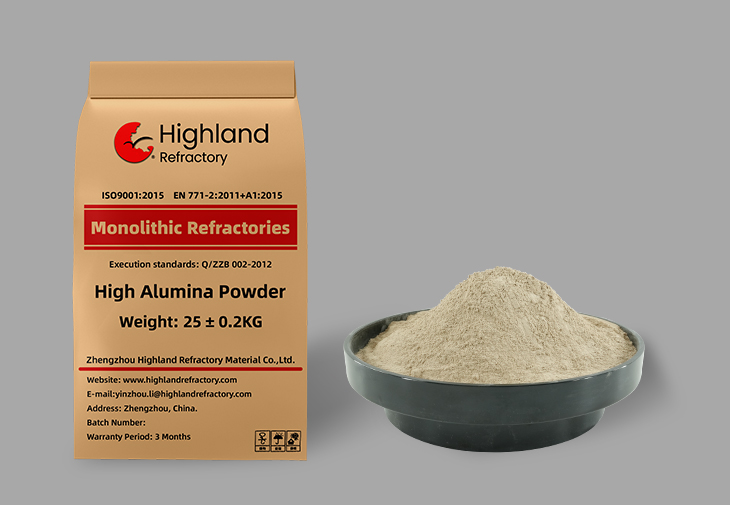
High alumina fine powder is a powder material with alumina (Al2O3) as the main component.

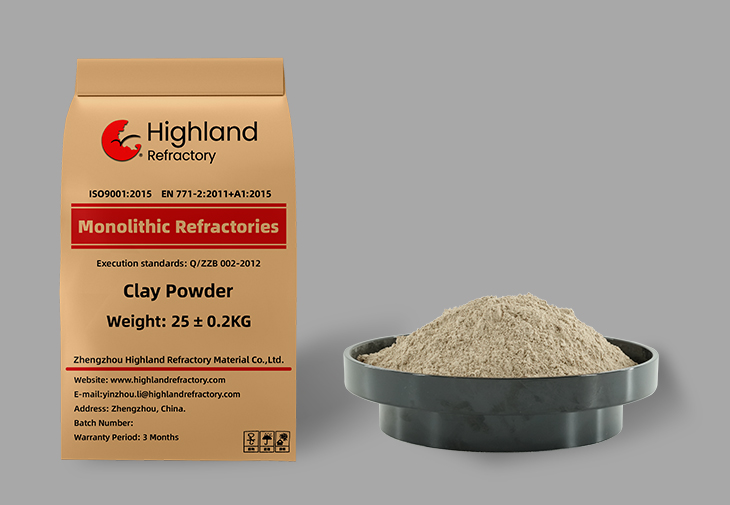
Clay powder is a powdery material with clay minerals as the main component.

Refractory cement, also known as aluminate cement, is a fire-resistant hydraulic cementitious material.