
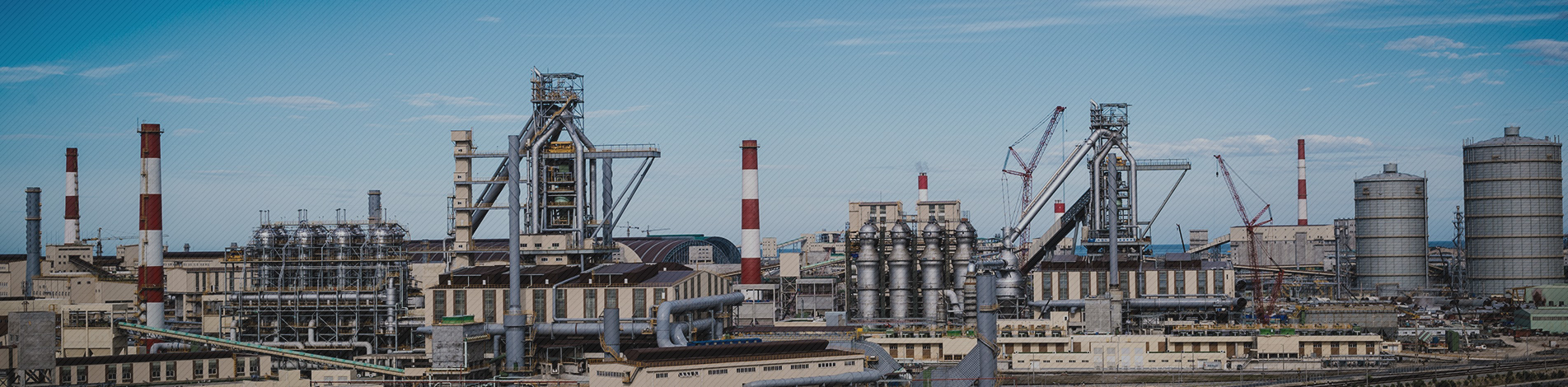
Blast Furnace
Currently, there are many types of refractory materials for blast furnaces. The upper part of the furnace body generally uses high-performance clay bricks or high-alumina bricks. The lower part of the furnace body, furnace waist, and furnace belly are made of special refractory materials such as carbonaceous products, silicon carbide bricks, mullite bricks, and corundum bricks. Especially, the recently developed silicon carbide bricks have been successfully applied in blast furnaces. At the same time, other amorphous refractory materials have also been widely used.
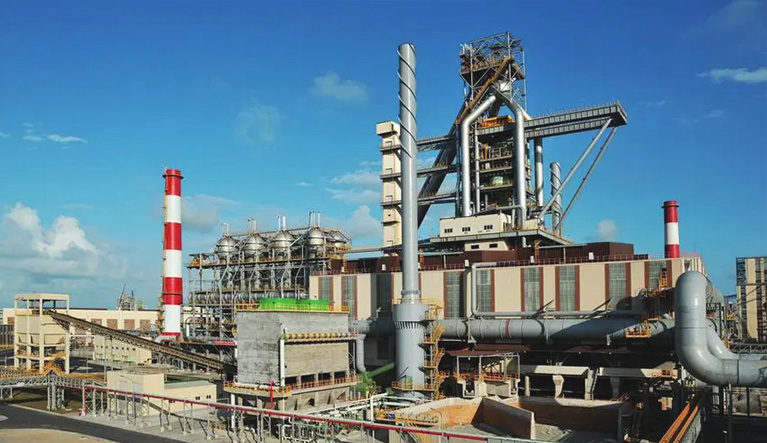
Furnace Throat and Furnace Top
The furnace throat mainly serves to protect the furnace lining and distribute materials appropriately. During normal operation, the temperature in this area is around 400-500°C. It is mainly affected by the direct impact and friction of the furnace materials, but the impact of gas flow is relatively light. Therefore, the furnace throat generally uses water-cooled or non-water-cooled steel bricks (cast steel parts). A castable material is filled between the water-cooled steel bricks and the furnace shell, and the non-water-cooled steel bricks are installed with a castable material. The furnace top, i.e., the gas containment hood, generally uses metal anchors with wear-resistant refractory coatings.
Furnace Body
The furnace body is an important part of the blast furnace and plays a role in heating, reducing, and slagging furnace materials. It withstands the impact of gas flow and material impact from beginning to end. However, the temperature in the upper and middle parts of the furnace body is relatively low (400-800°C), and there is no formation of slag or slag erosion hazards. This part mainly experiences the impact of furnace materials, the abrasion caused by rising dust, or thermal shock (up to 50°C/min) or damage caused by the invasion of alkali, zinc, and other elements and the deposition of carbon. Therefore, low-porosity high-quality clay bricks and high-alumina bricks are mainly used in this part. Especially with the increase in the types of refractory products and the improvement of their quality, the service life of blast furnace linings has been significantly extended.
However, with the establishment of the harsh operating conditions of medium and large blast furnaces and the significant extension of blast furnace life systems, refractory materials with excellent resistance to peeling and wear are required for this part. Therefore, phosphate-bonded clay bricks are also used in the upper part of the furnace body, and siliceous refractory bricks and high-alumina refractory bricks with excellent resistance to peeling are used in the upper and middle parts.
The temperature in the lower part of the furnace body is high. This area has more heat exchange and a large amount of low-melting substances are formed. There is friction when the hot furnace materials descend, and erosion from rising dust and alkali metal vapors. Therefore, this part is easily eroded, and in severe cases, the entire cooler is eroded, leaving only the steel shell to maintain it. Thus, high-quality clay bricks, high-alumina bricks, corundum bricks, aluminum-carbon bricks, or silicon carbide bricks with good resistance to slag, alkali resistance, high-temperature strength, and high wear resistance are required. Graphite bricks are also used for the lining of the cooling plate structure.
Furnace Waist
The furnace waist plays a buffering role for the rising gas flow. The furnace materials here have been partially reduced and slagged, and the permeability of the material layer becomes poor, while slag erosion is severe. In addition, the temperature of the furnace waist is high (1400-1600°C), high-temperature radiation erosion is severe, and alkali erosion is also relatively severe. The rising hot furnace gas with dust generates a strong scouring effect on the furnace lining; friction is generated by materials such as coke; and temperature changes occur when hot air passes through. The combined effect of these factors causes severe damage to the refractory materials in this part. Therefore, refractory materials with strong resistance to slag erosion and scouring are generally chosen for the furnace waist. Graphite bricks are also used for the lining of the cooling plate structure.
Furnace Belly
The furnace belly connects the furnace hearth and the furnace shaft. This region experiences higher temperatures, with the lower part of the furnace burden reaching temperatures around 1600-1650°C. The temperature of the gas flow is also high, forming a large amount of intermediate slag that begins to drip. The refractory materials in this area are exposed to severe thermal radiation and slag erosion. Additionally, the intrusion of alkali metals and the chemical effects of carbon deposition, coupled with the scouring action of the hot molten material descending from above and the hot gas flow ascending from below, exacerbate the severity of the conditions in this region. As a result, the furnace belly has historically been the most critical point of the blast furnace's lifespan. Therefore, refractory materials for this region should possess high resistance to erosion and scouring, while also having certain resistance to thermal shock. Consequently, the use of these types of refractory materials in modern large- and medium-sized blast furnaces is widespread.
Fired alumina-carbon bricks and fired microporous alumina-carbon bricks also possess good resistance to pressure, bending, erosion, and scouring, as well as good thermal conductivity and easy slag adhesion. Most importantly, they have strong thermal shock resistance and a relatively low price. These materials are commonly used in medium- and small-sized blast furnaces in China. For the lining of blast furnaces with a cooling plate structure, graphite bricks are also used.
Furnace Hearth and Bottom
The furnace hearth is where molten iron and slag are contained, and where coke is burned to generate a large amount of coal gas, creating the initial conditions for iron reduction in the blast furnace. The furnace hearth, especially the tuyere zone, is the highest-temperature area within the blast furnace, with temperatures ranging from 1700-2000°C, while the furnace bottom temperature is generally around 1450-1500°C. In addition to being subjected to high temperatures, the furnace lining in this area primarily undergoes chemical erosion and scouring from iron slag. The furnace bottom mainly suffers from molten iron infiltration.
Alkalis and zinc also penetrate along with molten iron, causing the lining refractories to swell, while chemical erosion leads to the expansion of the decarburized layer of the refractories. This ultimately results in severe damage to the refractory materials at the furnace bottom. Therefore, refractory materials for these parts should possess molten iron corrosion resistance, molten iron penetration resistance, alkali resistance, volume stability, and suitable thermal conductivity.
Damage to the lining in this area is the result of a combination of factors, including chemical, thermal, and mechanical effects. As such, refractory materials for the furnace hearth should meet the following requirements:
High-temperature resistance, with molten iron temperature around 1500°C and even higher slag temperatures.
Erosion resistance, such as resistance against high-temperature slag, particularly the stronger erosion of slag alkali metals and oxides, followed by molten iron erosion, and erosion from CO, CO2, and H2O.
Scouring and wear resistance.
Impermeability.
High thermal conductivity.
For the tuyere belt of the furnace bosh, corundum-mullite bricks or brown corundum bricks, and siliceous refractory bricks can be used. In the hot surface in contact with molten iron and slag, ceramic refractory materials such as corundum-mullite bricks or brown corundum bricks can be used. For the cold surface, dense carbon bricks or graphitized and semi-graphitized carbon bricks can be selected, or small-sized microporous carbon bricks and pressed carbon bricks can also be used. For the furnace bottom, semi-graphite carbon bricks, microporous carbon bricks, and graphitized carbon bricks can be used on the top layer of the leveling layer.
In summary, when selecting refractory materials for the furnace belly, it is important to consider the operating conditions, temperature range, and potential erosion factors to ensure optimal material performance and longevity.
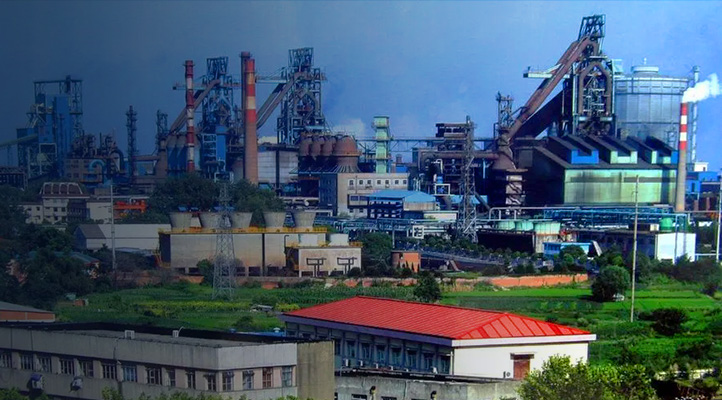
Currently, there are many types of refractory materials for blast furnaces. The upper part of the furnace body generally uses high-performance clay bricks or high-alumina bricks.