

Highland Refractory offers Low Creep Clay Bricks designed for high-performance in extreme environments. With excellent resistance to high temperatures and thermal shock, our Low Creep Fire Clay Bricks are ideal for use in furnaces, kilns, and other high-heat applications.
These bricks are engineered to minimize creep deformation under prolonged exposure to high temperatures, ensuring superior thermal stability and durability. Our Creep-Resistant Clay Bricks are perfect for industries like steel, cement, and ceramics, where reliable performance is critical. Additionally, the Low Expansion Clay Bricks offer improved structural integrity and resistance to cracking, reducing maintenance costs and downtime. With Highland Refractory’s Low Creep Clay Bricks, you can enhance the efficiency of your operations and extend the lifespan of your high-temperature equipment.
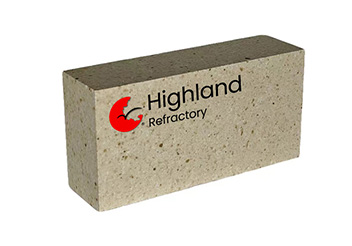
Low creep clay bricks have a low creep rate in high temperature environments and can maintain good shape and dimensional stability for a long time.
Low creep clay bricks have a low creep rate in high temperature environments and can maintain good shape and dimensional stability for a long time.
Highland Refractory is a leading manufacturer of high-performance low creep clay bricks and high alumina refractory series. We supply industrial-grade clay bricks engineered specifically to resist permanent deformation under long-term thermal stresses. Designed for blast furnaces, hot blast stoves, glass regenerators, and cement kilns, our low creep refractory products ensure superior structural stability and prolonged furnace lifespans.
Why industrial buyers partner with Highland for bulk clay brick supply:
We supply a comprehensive range of refractory bricks designed to maintain density and structural rigidity in intensive heat environments. Select from our core product lines below or contact our engineering team for customized shape molds.
| Product Grade / Type | Al2O3 (%) | Bulk Density (g/cm³) | Creep Rate (%) (0.2MPa, 1250°C-1400°C) | Refractoriness under Load (°C) | Main Application |
|---|---|---|---|---|---|
| Low Creep Clay Brick (Standard) | 38 - 45 | ≥ 2.15 | ≤ 1.0 (50h) | ≥ 1400 | Hot blast stove lower checkers, glass kiln regenerator top |
| Low Creep Super Clay Brick | ≥ 45 | ≥ 2.25 | ≤ 0.8 (50h) | ≥ 1420 | Blast furnace combustion chamber, industrial kiln burner blocks |
| Low Creep High Alumina Brick | 65 - 80 | ≥ 2.50 | ≤ 0.6 (50h) | ≥ 1520 | High-temperature zones of blast furnaces, hot blast stoves |
| Custom Shaped Low Creep Bricks | Custom | According to Grade | ≤ 0.8 (50h) | Custom | Complex furnace lining contours, custom burner designs |

Producing a clay brick with an ultra-low creep rate requires meticulous thermal formulation. At Highland Refractory, we combine premium raw minerals with optimized firing curves to minimize residual quartz transformation, which is the primary cause of deformation in high-temperature bricks.
Highland operates high-yield refractory plants configured for bulk B2B procurement. We understand that project delays can cost steel mills and glass plants thousands of dollars per hour, which is why we maintain steady bulk capacities and stock programs.
Our ISO-certified manufacturing facility spans over 45,000 square meters, hosting advanced refractory blending, pressing, and firing systems. The high density of our low creep clay brick series is made possible by high-pressure hydraulic molding machines.
| Production Equipment | Unit Count | Production Role | Output Benefit |
|---|---|---|---|
| 630-Ton & 1000-Ton Hydraulic Presses | 12 Units | High-pressure dry pressing of clay refractory shapes | Ensures high bulk density and low porosity |
| 160-Meter Tunnel Kilns (Fully Automated) | 2 Lines | Continuous high-temperature firing and cooling | Uniform mineral crystallization, eliminating stress cracks |
| Automated Batching & Blending System | 2 Stations | Precise electronic weight-dosing of raw powders | Consistent chemical ratios across bulk shipments |

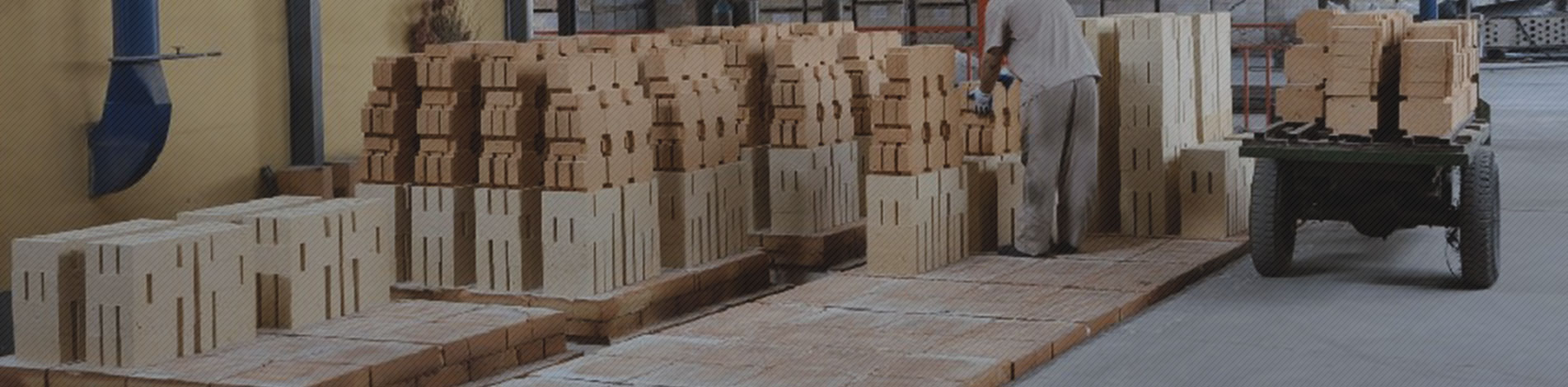
Due to the heavy weight and density of low creep clay bricks, safe packaging is non-negotiable to prevent corner breakage or chipping during ocean transport. We utilize highly rigid wood pallets combined with tension-packed steel straps to guarantee secure arrivals.

Our manufacturing and engineering processes align directly with top international refractory testing methods. Highland's clay bricks are certified to withstand demanding industrial furnace environments.
With over 15 years of continuous growth, Highland Refractory has exported reliable low creep materials to glass works, steel mills, and furnace construction contractors in more than 40 countries, including the United States, Germany, Japan, India, and Southeast Asia.
Our team actively participates in international industrial trade shows (including METEC, GIFA, and regional refractory symposiums) to present our latest developments in low creep high alumina bricks and furnace lining design services.

Standard clay bricks contain a higher glass phase which softens under continuous load at high temperatures, causing the lining to slowly sink or deform over time (creep). Low creep clay bricks utilize calcined flint clay raw materials and synthetic mullite additives combined with a high firing temperature, keeping the long-term creep rate below 1.0%, which is crucial for structural stove checkering.
Yes. Highland provides complete custom mold engineering and brick machining services. You can send us your 2D/3D CAD furnace drawings, and our engineering team will produce the precise mold blueprints and physical samples for verification before batch manufacturing.
Our typical MOQ is 10 to 20 metric tons (equivalent to one 20ft container) for standard sizes. For custom shapes, mold setup fees may apply for smaller batches. Bricks are packed on rigid fumigated wood pallets, bound with steel straps, and shrink-wrapped for marine logistics protection.
Our factory QC laboratory tests every production batch for bulk density, cold crushing strength (CCS), apparent porosity, and chemical content. We also facilitate pre-shipment inspections through SGS or Bureau Veritas to verify the creep rate and refractoriness parameters before the container leaves the port.
Contact Highland's engineering sales team today to request a physical sample, verify chemical parameters, or submit your custom CAD furnace drawings.
Low creep clay bricks have a low creep rate in high temperature environments and can maintain good shape and dimensional stability for a long time.
