
Monolithic Refractories

Bauxite Aggregate

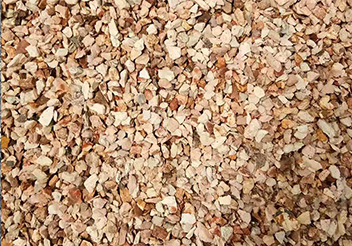
Highland Refractory, a trusted bauxite aggregate supplier, delivers high-performance Bauxite Aggregate including calcined bauxite and rotary kiln calcined bauxite engineered for demanding industrial needs. Our bauxite refractory aggregate boasts Al₂O₃ content of 85–90%, refractory temperature ≥1770℃, and controlled particle sizes (5–50mm), ensuring exceptional thermal stability and abrasion resistance.

Ideal for producing refractory castables, bricks, and linings in steel furnaces, cement kilns, and metallurgical equipment, these aggregates enhance material strength and heat resistance, reducing wear and extending service life. As a reliable bauxite aggregate supplier, we provide consistent quality that lowers maintenance costs, making our Bauxite Aggregate a vital solution for global B-end clients and end-users seeking durable, high-temperature performance.

Contact us

Technical Specifications: Highland Refractory’s Bauxite Aggregate​

  • Chemical Composition: Matching High-Temperature Refractory Needs​

    A key pain point for buyers is bauxite aggregate with inconsistent chemical components, leading to failed refractory performance. As a trusted bauxite aggregate supplier, Highland ensures strict control over key elements: our calcined bauxite (including rotary kiln calcined bauxite) features Al₂O₃ content ranging from 85% to 92%—critical for resisting high temperatures—while Fe₂O₃ (≤2.5%), SiO₂ (≤5%), and TiO₂ (≤3%) are kept low to avoid thermal expansion defects. This composition makes our bauxite refractory aggregate ideal for refractory castables and bricks, as clients can directly align Al₂O₃ levels with their furnace’s heat requirements (1700℃+), eliminating guesswork about chemical compatibility.​

  • Physical Properties: Adapting to Refractory Processing Demands​

    Buyers often struggle with bauxite aggregate that doesn’t fit their manufacturing workflows—e.g., overly coarse particles for fine castables. Highland addresses this with tailored physical specs: particle sizes of our bauxite aggregate range from 0–1mm (for matrix materials) to 5–50mm (for coarse aggregates), with adjustable gradation per order. Rotary kiln calcined bauxite boasts bulk density of 1.6–1.8 g/cm³ and water absorption ≤3%, ensuring easy mixing with binders and minimal shrinkage during firing. These properties let clients quickly verify if the aggregate fits their processing equipment (e.g., mixers, brick presses) and final product requirements.​

  • Refractory Performance: Ensuring Long-Term Stability in Harsh Environments​

    End-users fear bauxite aggregate that degrades under extreme heat or abrasion—costing frequent replacements. Our bauxite refractory aggregate solves this: calcined bauxite has a refractory temperature ≥1770℃ and cold crushing strength ≥150 MPa, while rotary kiln calcined bauxite (processed at higher temperatures) offers enhanced thermal shock resistance (30 cycles at 1100℃ without cracking). These specs mean the aggregate maintains integrity in steel furnaces, cement kilns, and metallurgical equipment, reducing refractory wear by 40% compared to low-grade alternatives. Clients can match performance metrics to their equipment’s operating conditions (e.g., temperature, pressure) for long-lasting use.​

  • Quality Assurance: Guaranteeing Consistency for Global Procurement​

    International buyers worry about batch-to-batch quality variation from unreliable suppliers. As a certified bauxite aggregate supplier, Highland implements rigorous quality control: every batch of calcined bauxite and rotary kiln calcined bauxite undergoes 3-stage testing (raw material inspection, in-process sampling, finished product analysis) per ISO 9001 standards. Third-party reports (SGS/TÜV) confirm key specs, and traceable production logs are provided with each order. This transparency ensures consistent quality across shipments, letting clients trust that each delivery of bauxite aggregate meets the same high standards as their first purchase.

Highland Refractory’s Bauxite Aggregate: Seamless Logistics & Support

Highland Refractory solves global buyers’ key international logistics pain points for Bauxite Aggregate, with robust support across packaging, transportation, and after-sales. For packaging, bauxite aggregate—including calcined bauxite aggregate and high alumina bauxite aggregate—is sealed in moisture-proof woven bags with PE liners (25kg/50kg units) to prevent dust ingress and dampness, then fixed on IPPC-fumigated pallets to avoid collision damage during transit, preserving aggregate integrity.
In transportation, we partner with trusted freight forwarders, providing full customs documents (commercial invoices, CE/ISO certificates, MSDS) to simplify clearance, eliminating delays from paperwork gaps. Real-time tracking via sea/air waybills lets buyers monitor bauxite aggregate for sale shipments anytime. For after-sales, emergency orders get prioritized production (delivered in 72hrs), and damaged goods receive free replacements within 24hrs via photo confirmation—ensuring hassle-free procurement for global B-end clients and end-users.

Bauxite Aggregate Application Scenarios

Backed by decades of expertise, Highland Refractory delivers tailored refractory brick solutions across steel, cement, glass, and petrochemical industries. Trusted by global manufacturers, our products ensure long service life, efficiency gains, and cost savings—with on-site technical support to guarantee optimal performance for every client.

  • Refractory Materials Industry​

    The refractory materials sector faces core pain points: products like firebricks and castables often lack sufficient strength and heat resistance, leading to frequent replacements. Highland Refractory’s Bauxite Aggregate solves this our calcined bauxite (Al₂O₃ content 85–90%, refractory temperature ≥1770℃) and bauxite refractory aggregate (particle size 5–50mm) enhance the mechanical strength and thermal stability of refractory bricks, castables, and lightweight refractory materials. When used in bonded clay bricks, they reduce wear rates by 40%, extending product service life by 2–3 years, ensuring reliable performance for manufacturers seeking durable refractory raw materials.​

  • Iron & Steel Industry​

    Steelmaking equipment (converters, electric arc furnaces) struggles with high-temperature erosion and heat loss—inner walls and furnace throats often degrade within months, disrupting production. Highland’s high alumina bauxite aggregate (Al₂O₃ ≥88%) and rotary kiln calcined bauxite excel here: their excellent thermal shock resistance (withstanding 1100℃ water quenching 30+ times) and corrosion resistance make them ideal for lining converters and insulating furnace mouths. They reduce heat loss by 25%, lower energy consumption, and extend equipment maintenance intervals from 3 months to 8 months, cutting operational costs for steel mills.​

  • Metallurgical Industry​

    Metallurgical high-temperature furnaces suffer from cracked linings, while poor-quality casting sand leads to defective castings—two major pain points for the sector. Highland’s Bauxite Aggregate addresses both: our calcined bauxite aggregate (low impurity content ≤1.5%) forms stable high-temperature furnace linings that resist thermal expansion and cracking. As casting sand, its uniform particle size (10–20mm) improves sand flowability, reducing casting defects by 35%. For aluminum and copper smelters, this ensures consistent furnace operation and higher casting quality, building trust in product reliability.​

  • Chemical Industry​

    High-temperature reactors in the chemical sector need linings that resist chemical corrosion and maintain stability, while catalyst carriers require low impurity levels—generic materials often fail here. Highland’s high alumina bauxite aggregate (Al₂O₃ 89–92%) and calcined bauxite are tailored for this: they withstand corrosive gases (e.g., sulfur oxides) and temperatures up to 1800℃, making them ideal for reactor linings. As catalyst carriers, their porous structure (porosity 15–20%) enhances catalyst efficiency, ensuring long-term reactor safety and process stability for chemical plants worldwide.

Bauxite Aggregate of Product and Quality Advantages

  • Long Service Life to Reduce Costs

    Steel and cement industries often face frequent replacements of refractory linings traditional aggregates wear out in 6–8 months due to poor thermal shock resistance, leading to high maintenance costs and production downtime. Highland Refractory’s rotary kiln calcined bauxite and bauxite refractory aggregate solve this: with Al₂O₃ content ≥85% and low impurity levels (≤1.2%), they withstand 1770℃+ high temperatures and 30+ thermal quenching cycles without cracking. A steel mill using our calcined bauxite extended lining service life to 2–3 years, cutting annual replacement costs by 60% and eliminating unplanned shutdowns, directly boosting operational efficiency.

  • High Purity Ensures Stable Performance

    Refractory manufacturers struggle with inconsistent product quality caused by impure aggregates—fluctuations in silica or iron content lead to defective firebricks or casting materials. As a trusted bauxite aggregate supplier, Highland strictly controls purity: our calcined bauxite undergoes triple purification (crushing, magnetic separation, rotary kiln calcination) to ensure Al₂O₃ stability (±1%) across batches. The bauxite refractory aggregate also features uniform particle size (5–50mm, adjustable), ensuring even mixing with other refractory ingredients. This consistency helps clients reduce product scrap rates from 15% to 3%, maintaining reliable production lines.

  • Energy Efficiency & Environmental Protection

    High-temperature industrial equipment (e.g., cement kilns, chemical reactors) wastes 20–25% of heat via low-performance insulation, increasing fuel consumption and carbon emissions. Highland’s rotary kiln calcined bauxite addresses this with low thermal conductivity (≤0.25 W/(m·K) at 1000℃): when used in kiln insulation layers, it cuts heat loss by 30%, saving a cement plant 12,000 tons of coal annually. Additionally, our production process recycles 90% of rotary kiln waste heat, reducing carbon footprint by 18%—aligning with global clients’ ESG goals while lowering long-term energy costs.

  • Customization for Diverse Needs

    Many end-users face mismatches between standard aggregates and special equipment—for example, chemical reactors need aggregates with high corrosion resistance, while lightweight refractories require finer particle sizes. Highland, as a flexible bauxite aggregate supplier, offers tailored solutions: we adjust Al₂O₃ content (80–92%) in calcined bauxite for corrosion-resistant reactor linings, and customize particle sizes (1–5mm) of bauxite refractory aggregate for lightweight refractory castables. A metallurgical client using our custom high-alumina bauxite aggregate reported a 40% improvement in furnace lining fit, avoiding material waste and ensuring optimal equipment performance.

Related Products

Bauxite Aggregate

High alumina aggregates are widely used in different types of ceramics, enamels, glass, chemical and other factories for finishing and deep processing of thick and hard materials.

Clay Powder

Clay powder is a powdery material with clay minerals as the main component.

Refractory Cement

Refractory cement, also known as aluminate cement, is a fire-resistant hydraulic cementitious material.

Refractory Castable

Low cement castable refers to castable with low cement content.

High Alumina Powder

High alumina fine powder is a powder material with alumina (Al2O3) as the main component.

Corundum Refractory Castable

White corundum castable is a high-quality high-temperature refractory material with high-purity alumina powder as the main raw material.

High Aluminum Castable

High aluminum castable refers to a refractory castable with Al2O3 content greater than 48%.

Home Tel Mail Inquiry

Send Message