
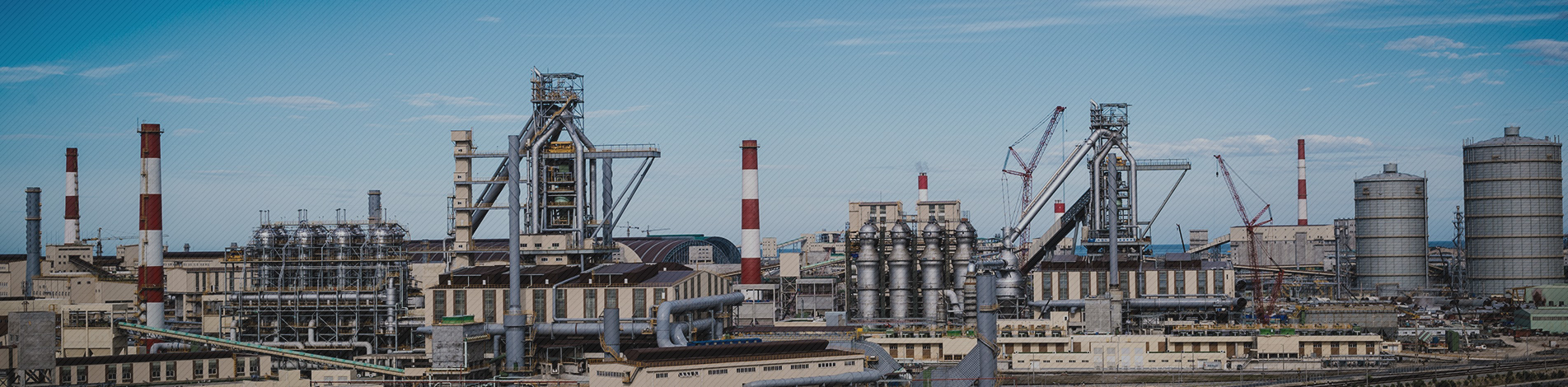
Refractory materials are vital components in various high-temperature industrial processes, and their performance largely depends on the raw materials used in their production. This article provides an overview of the key raw materials employed in the manufacturing of refractories and their significance.
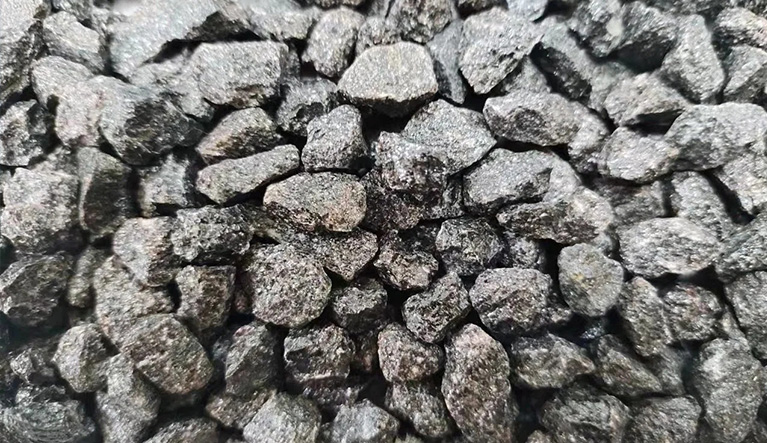
Alumina (Al2O3)
Alumina, derived from bauxite, is a widely used raw material in refractories due to its high melting point, excellent mechanical strength, and chemical stability. It finds applications in the production of high-alumina bricks, castables, and other refractory products.
Silica (SiO2)
Silica is an essential raw material in the production of refractory materials like silica bricks and mortars. Its high thermal stability and resistance to thermal shock make it suitable for applications in coke ovens, glass furnaces, and other high-temperature environments.
Magnesia (MgO)
Magnesia, sourced from magnesite or brucite, offers excellent refractoriness, thermal shock resistance, and slag resistance. It is used in the manufacturing of magnesia bricks, monolithic refractories, and other specialized products for the steel and cement industries.
Zirconia (ZrO2)
Zirconia is known for its high refractoriness, corrosion resistance, and mechanical strength. It is employed in the production of high-performance refractories, such as zirconia-based bricks and mortars, for use in glass furnaces and other aggressive environments.
Chromite (FeCr2O4)
Chromite, a mineral containing chromium, iron, and oxygen, is used in the manufacturing of chrome-magnesite bricks and other refractory products for the cement and non-ferrous metals industries. It imparts high-temperature strength, corrosion resistance, and thermal shock resistance to these materials.
Carbon-based materials
Graphite, carbon black, and other carbon-based materials serve as essential raw materials in the production of carbon-containing refractories, such as carbon bricks and graphite electrodes. They offer high thermal conductivity, chemical resistance, and excellent mechanical strength at elevated temperatures.
Kaolin and clay minerals
Kaolin and other clay minerals, like fireclay and kaolinite, are used in the manufacturing of refractory bricks, mortars, and castables. They provide good thermal shock resistance, plasticity, and workability to these materials.
In conclusion, a wide range of raw materials is employed in the manufacturing of refractories, each offering unique properties and advantages. Understanding the characteristics of these materials is crucial for designing and producing high-performance refractory products that cater to the specific requirements of various industries.
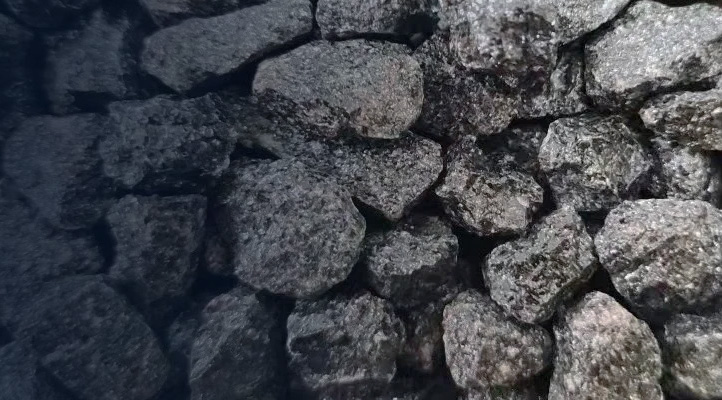
Refractory materials are vital components in various high-temperature industrial processes, and their performance largely depends on the raw materials used in their production.