Applications

Power Industry Refractory Solutions

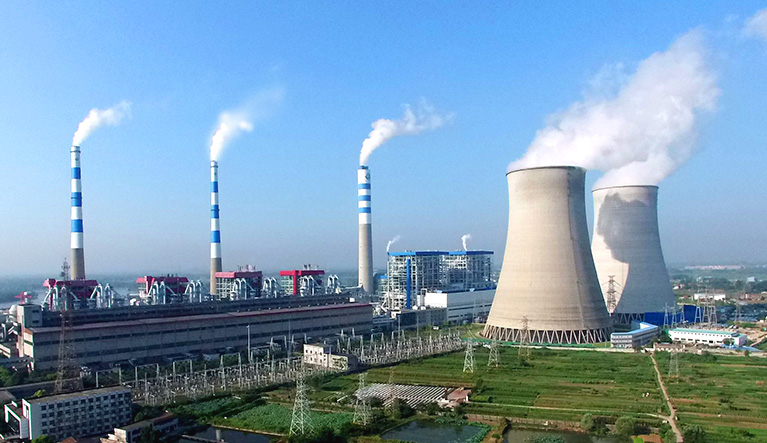
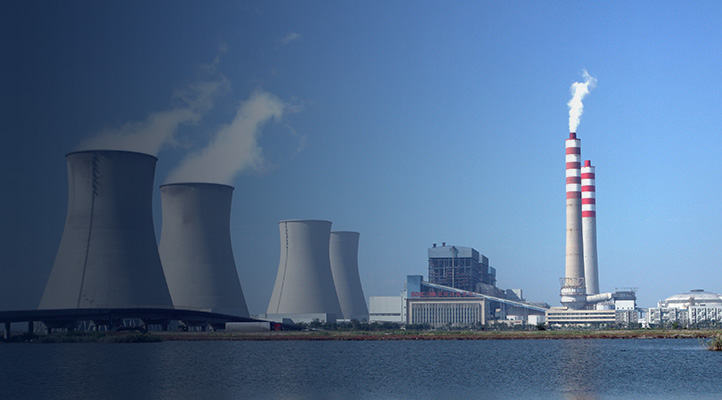
The power industry—encompassing circulating fluidized bed (CFB) boilers, coal-fired plants, gas-fired turbines, cogeneration facilities, and industrial power units—relies on the uncompromised performance of high-temperature equipment to sustain energy supply. Key components such as furnaces, boilers, chimneys, pipelines, preheaters, and combustion chambers operate under extreme conditions: continuous temperatures ranging from 800℃ to 1800℃, high pressure, corrosive flue gases (rich in sulfur oxides, nitrogen oxides, and alkaline ash), cyclic thermal shock, and abrasive wear from fuel particles. These harsh environments often lead to premature refractory failure, unplanned downtime (costing up to $200,000 per hour for large-scale plants), soaring maintenance costs, and reduced thermal efficiency—critical pain points for power generators striving to balance reliability, cost control, and environmental compliance.

As a global leader in refractory innovation, Highland Refractory addresses the power industry’s unique challenges with customized solutions, integrating eight core refractory products to match specific equipment stresses. Our full EPC (Engineering, Procurement, Construction) capabilities ensure seamless delivery from design to commissioning, while our material expertise guarantees superior high-temperature stability, corrosion resistance, and thermal shock performance. This article details how our tailored approach solves real-world power industry issues, leveraging products like High Alumina Bricks, Magnesia Bricks, and Silicon Carbide Bricks to drive efficiency and durability.

Customer Needs & Industry Characteristics

    • 1

      The power industry’s refractory requirements are shaped by three non-negotiable priorities: uninterrupted operation, energy efficiency, and long-term durability. Unlike other industrial sectors, power plants operate 24/7 for extended periods, making downtime catastrophic. Equipment faces diverse stressors: CFB boilers endure abrasive coal ash and cyclic thermal cycling, gas-fired turbines require materials that withstand rapid temperature spikes, and coal-fired plants grapple with corrosive flue gases and high-pressure environments.

    • 2

      Temperature variability is another critical factor: from 800℃-1200℃ in preheaters to 1600℃-1800℃ in combustion chambers, each component demands refractories with targeted heat resistance. Additionally, sustainability goals push plants to reduce energy waste, requiring lightweight, low-thermal-conductivity materials that minimize heat loss. Generic refractories often fail to meet these nuanced needs, leading to frequent replacements and lost generation capacity.

    • 3

      Our approach begins with a deep dive into your plant’s fuel type (coal, gas, biomass), equipment design, operating parameters, and pain points. Whether you’re addressing CFB boiler furnace wear, chimney corrosion, or pipeline heat loss, we tailor solutions using our eight core products to align with temperature, corrosion, and structural demands ensuring materials don’t just perform, but integrate seamlessly with your operations.

Product Applications & Technical Advantages

Our power industry portfolio features eight specialized refractory products, each engineered to solve specific equipment challenges with quantified performance advantages, directly addressing the industry’s harshest conditions:

Temperature-Based Material Selection

  • 1

    A cornerstone of power plant refractories, High Alumina Bricks (Al₂O₃ content ≥75%) excel in boilers, preheaters, flue ducts, and furnace walls. Their exceptional high-temperature stability (up to 1750℃) and resistance to thermal shock (≥35 cycles at 1100℃→20℃) make them ideal for coal-fired and CFB boilers, where cyclic heat and abrasive particles threaten lining integrity. They also offer superior wear and corrosion resistance, reducing maintenance frequency in high-stress zones like boiler superheater walls and preheater tubes.

  • 2

    Magnesia Bricks (MgO content ≥90%) are tailored for power plants’ most corrosive environments, including furnace bottoms, sintering equipment, and CFB boiler slag zones. Their outstanding resistance to alkaline slag and high-temperature stability (up to 1800℃) address the pain point of corrosion from biomass or coal ash residues. In gasification plants, they withstand molten slag erosion, extending lining service life by 2-3 times compared to generic refractories.

  • 3

    Refractory Castables (formulated with bauxite, magnesite, and silica) offer unmatched versatility for boilers, chimneys, and irregular-shaped components (e.g., pipeline elbows, furnace gaps). Their pourable consistency and fast curing (24 hours at room temperature) enable seamless installation, filling gaps that shaped bricks cannot reach. With excellent thermal shock resistance (≥40 cycles) and compressive strength (≥65MPa at 110℃×24h), they reduce downtime for repairs and protect critical equipment from high-temperature fluid impact.

  • 4

    For insulation and heat loss reduction, Ceramic Fiber Materials are indispensable in boilers, pipelines, and hot air ducts. Lightweight (density ≤1.2g/cm³) with ultra-low thermal conductivity (≤0.18W/(m·K) at 800℃), they minimize energy waste by isolating heat, cutting fuel consumption by 8%-12%. Their flexibility allows easy wrapping around complex pipeline systems, while their high-temperature resistance (up to 1600℃) ensures durability in harsh power plant environments.

  • 5

    Silicon Carbide Bricks (SiC content ≥85%) are the go-to for combustion chambers, CFB furnace linings, and boiler fireboxes. Their exceptional resistance to acidic/alkaline gases, molten slag, and abrasive wear (erosion rate ≤0.08mm/h) solves the industry’s top pain point of premature lining failure. They operate reliably at 1700℃+, making them ideal for waste-to-energy plants and coal-fired boilers where fuel particles cause severe abrasion.

  • 6

    Fire Clay Bricks (Al₂O₃ content 30%-45%) are cost-effective solutions for low-to-medium temperature zones (800℃-1200℃), including conventional boiler walls, auxiliary pipelines, and preheater lower sections. Their balanced refractory performance—good thermal shock resistance and moderate corrosion resistance—meets the needs of non-critical components, reducing project costs without compromising reliability. They are particularly popular in older power plants seeking economical upgrades.

  • 7

    Graphite Bricks excel in high-temperature combustion chambers, heat treatment systems, and gasification reactors. Their ability to withstand temperatures up to 2000℃, combined with excellent thermal conductivity and oxidation resistance, ensures uniform heat distribution and prevents overheating. In gas-fired turbines, they maintain structural integrity during rapid temperature spikes, while in waste incineration plants, they resist corrosion from toxic flue gases.

  • 8

    Lightweight Refractories (density ≤0.8g/cm³) are designed for insulation in furnace walls, heat exchangers, and flue ducts. Their low thermal conductivity (≤0.25W/(m·K)) and lightweight design reduce structural load and energy waste, aligning with power plants’ sustainability goals. They complement high-temperature refractories like High Alumina Bricks, forming a dual-layer system that protects equipment while cutting energy consumption by 10%-15%.

    All products meet international standards (ASTM C155, ISO 8895) and undergo rigorous testing—including high-temperature immersion, thermal shock cycling, and corrosion trials—to ensure consistent performance in power plant environments.

Implementation Process & EPC Capabilities

We understand that in the power industry, downtime is costly—so we offer full EPC capabilities to manage every stage of your refractory project, ensuring minimal disruption and optimal results.

  • 1

    Our process starts with a customized design phase: our technical team analyzes your plant’s equipment blueprints, operating temperature, fuel type, flue gas composition, and maintenance history to select the right combination of refractories. For example, a CFB boiler might use Silicon Carbide Bricks for the furnace lining (abrasion resistance), Magnesia Bricks for slag zones (alkaline resistance), and Ceramic Fiber Materials for insulation (heat loss reduction). We create detailed installation plans tailored to your outage schedule, minimizing downtime.

  • 2

    Next, we handle procurement and supply: our global network ensures timely delivery of batch-consistent materials, with moisture-proof packaging for Castables and bricks to preserve integrity. We prioritize logistics optimization—whether by sea, land, or air—to meet tight deadlines, including expedited delivery for emergency repairs. For long-term projects, we establish dedicated inventory of critical products (e.g., High Alumina Bricks, Refractory Castables) to ensure uninterrupted supply.

  • 3

    Our certified construction team—with decades of power industry experience—executes installation with precision. We use specialized equipment for pouring Castables into irregular gaps, masonry for shaped bricks (Magnesia, Silicon Carbide), and thermal bonding for Ceramic Fiber insulation. We adhere to strict safety protocols and quality controls, ensuring dense, seamless linings that prevent heat loss and corrosion. Post-installation, we conduct performance validation: testing thermal efficiency, heat loss, and structural integrity before your equipment resumes operation. We provide a comprehensive report documenting material usage, installation details, and maintenance recommendations.

    An Italian CFB power plant burning low-grade coal faced frequent furnace lining wear (replacement every 20 months) and excessive heat loss.

    Project Results & Customer Feedback

    Our customized solutions have been validated by leading power generation companies worldwide, delivering measurable results with our eight core refractory products—featuring three unique international case studies:

    • 1

      An Italian CFB power plant burning low-grade coal faced frequent furnace lining wear (replacement every 20 months) and excessive heat loss. We supplied Silicon Carbide Bricks for the furnace walls (abrasion resistance), Refractory Castables for gap filling (seamless protection), and Ceramic Fiber Materials for boiler insulation (heat loss reduction). Paired with EPC services, the solution extended furnace lining service life to 4.5 years, reduced maintenance downtime by 70%, and improved thermal efficiency by 11%—saving 75,000 tons of coal annually. “Highland’s tailored mix of refractories addressed our coal ash abrasion and energy waste challenges—their expertise in CFB boilers was instrumental,” noted the plant’s operations director.


    A U.S. gas-fired turbine power plant struggled with rapid temperature spikes causing thermal shock cracks in combustion chambers.
    • 2

      A U.S. gas-fired turbine power plant struggled with rapid temperature spikes causing thermal shock cracks in combustion chambers. We deployed Graphite Bricks for the chamber linings (high-temperature stability), High Alumina Bricks for turbine exhaust ducts (corrosion resistance), and Lightweight Refractories for insulation (energy efficiency). The result: combustion chamber service life doubled to 5 years, thermal efficiency improved by 9%, and maintenance costs reduced by 40%. “The Graphite Bricks’ ability to withstand rapid temperature changes exceeded our expectations, and Highland’s EPC team completed installation during a short planned outage,” commented the technical manager.


    An Indian coal-fired power plant grappled with alkaline slag corrosion in boilers and frequent preheater failures.
    • 3

      An Indian coal-fired power plant grappled with alkaline slag corrosion in boilers and frequent preheater failures. We supplied Magnesia Bricks for boiler slag zones (alkaline resistance), Fire Clay Bricks for low-temperature preheater sections (cost-effectiveness), and Refractory Castables for boiler tube protection (wear resistance). The solution eliminated slag corrosion, extended preheater service life to 3 years (from 1.5 years), and cut annual maintenance costs by $300,000. “Highland’s understanding of coal-fired plant corrosion challenges and customized material selection made all the difference,” said the facility’s procurement manager.

    After-Sales Service & Technical Support


    We believe our responsibility extends far beyond delivering materials—we partner with you for the entire lifecycle of your refractory system, ensuring maximum reliability and value.


    Post-installation, our team provides on-site training for your maintenance staff, covering product-specific care (e.g., curing Refractory Castables, inspecting Ceramic Fiber insulation) and troubleshooting techniques. We conduct quarterly follow-ups for the first year and semi-annual visits thereafter, monitoring lining performance, identifying early wear, and adjusting maintenance plans to adapt to fuel or operational changes.


    Our 24/7 technical hotline ensures rapid response to urgent needs—whether you’re dealing with unexpected refractory damage, emergency repairs, or need spare parts (e.g., Silicon Carbide Bricks, High Alumina Bricks). We maintain a global inventory of our eight core products, ensuring fast delivery to minimize downtime. For long-term projects, we offer customized maintenance agreements and flexible supply plans, adapting to your plant’s budget and operational needs. We also provide annual performance reports and trend analysis, empowering you to make data-driven decisions about replacements or upgrades.


    We stand behind our products with a quality guarantee: if performance falls short of agreed specifications, we provide replacements or on-site adjustments at no additional cost. Our goal is to be your trusted partner in sustaining efficient, reliable power generation.


    Why Choose Highland Refractory for Your Hot Blast Stove?


    The power industry demands refractory solutions that are as robust, efficient, and tailored as the equipment they protect. Our integration of eight core refractory products—from Silicon Carbide Bricks to Lightweight Refractories—paired with full EPC capabilities and customer-centric support, ensures we solve your unique challenges. We combine deep industry expertise, proven global success, and a focus on long-term value to reduce downtime, improve efficiency, and lower costs.


    Whether you’re upgrading an existing plant, building a new facility, or seeking emergency repairs, we’re ready to deliver a customized solution. Contact our power industry refractory specialists today to discuss your needs, request a free on-site assessment, or receive a tailored quote. Let Highland Refractory help you optimize your power plant’s performance with reliable, high-performance refractory solutions.


    Related Products

    High Alumina Brick

    Aluminum content 75%-80% Refractory 1770℃ or above

    Magnesia Carbon Brick

    The main raw materials of magnesia carbon bricks include fused magnesia or sintered magnesia, flake graphite, organic bonds and antioxidants.

    Magnesia Carbon Brick

    High melting point basic oxide magnesium oxide (melting point 2800℃)

    Refractory Castable

    Low cement castable refers to castable with low cement content.

    Silicon Carbide Refractory Castable

    Silicon carbide castable is an amorphous refractory material with silicon carbide as the main component.

    Fire Clay Brick

    Aluminum content 30%~48% Refractoriness above 1400℃

    Home Tel Mail Inquiry

    Send Message