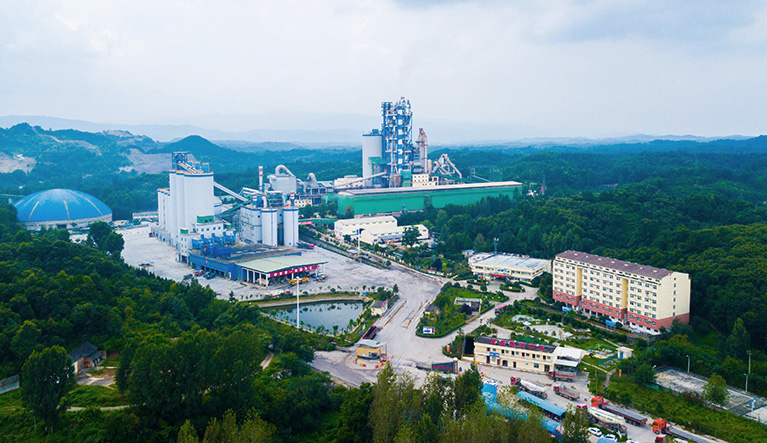
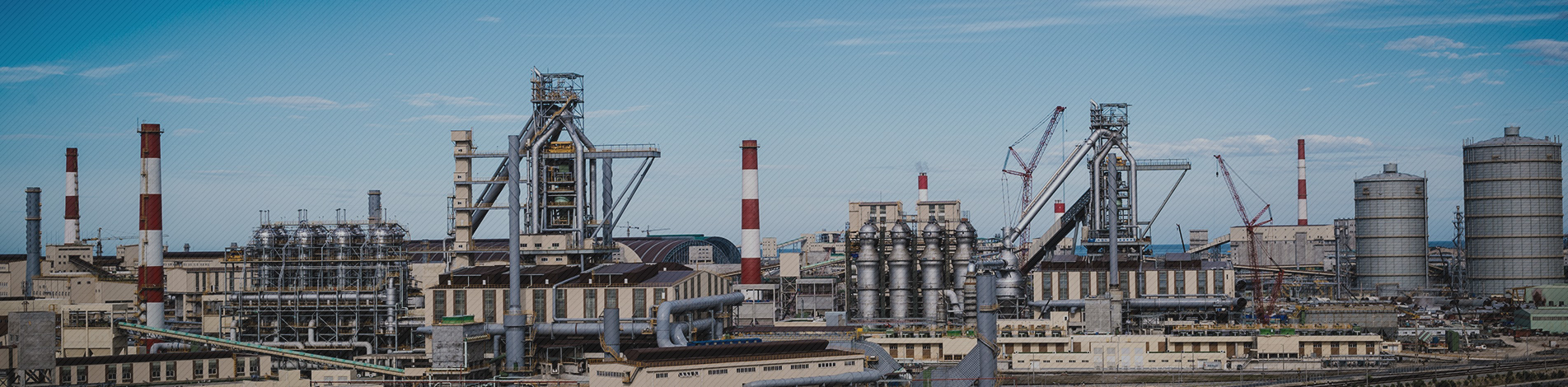
Cement rotary kilns are the backbone of clinker production, but their harsh operating conditions varying temperatures (1,000–1,800℃), molten slag corrosion, thermal shock, and abrasive clinker flow often lead to refractory lining failures, unplanned shutdowns, and high maintenance costs. As a leading refractory manufacturer, Highland Refractory addresses these pain points with tailored solutions for cement industry needs, combining zone-specific materials, end-to-end EPC services, and ongoing support to ensure stable kiln operation.

Cement rotary kilns are segmented into three key zones, each with unique demands that shape customer needs understanding these is key to our solution design. The kiln head and tail (1,000–1,400℃) face constant abrasion from dust, alkali-rich gas flows, and occasional clinker splashes, so customers need refractories that balance strong mechanical strength and alkali corrosion resistance. The transition zone (1,200–1,600℃) experiences rapid temperature fluctuations, making thermal shock stability critical to avoid cracking and frequent repairs. The firing zone (1,600–1,800℃), the hottest area, endures direct contact with molten clinker and slag, requiring materials with exceptional high-temperature stability, anti-slag penetration, and low creep deformation. Global clients from North American cement plants to Middle Eastern facilities also prioritize environmental compliance (low heavy metal content) and cost-effectiveness, seeking solutions that reduce downtime while meeting sustainability goals.
Highland’s four core refractory materials are engineered to match each kiln zone’s needs, with technical advantages that directly solve customer challenges. Our high-alumina refractory materials (Al₂O₃ content ≥75%, refractoriness ≥1,750℃) excel in the kiln head and tail: their dense structure resists abrasion and alkali attack, extending lining life to 9–12 months (vs. 6 months for standard bricks) and cutting unplanned shutdowns by 40%. For the transition zone, our clay refractory materials (Al₂O₃ content 30–45%, thermal shock stability ≥30 cycles at 1,100℃ water quenching) absorb thermal stress to prevent cracking, reducing failures by 70% and ensuring consistent clinker quality. In the firing zone, our jadeite refractory materials (Al₂O₃ content ≥85%, refractoriness ≥1,800℃) withstand molten slag and high heat, extending service life to 18–24 months and lowering maintenance costs by 35%. Our mullite refractory materials (mullite phase ≥90%, thermal shock stability ≥50 cycles at 1,200℃) are versatile for both firing and transition zones, combining high-temperature performance with heat retention reducing fuel consumption by 10–15%.
Highland doesn’t just supply materials we deliver end-to-end EPC (Engineering, Procurement, Construction) services to ensure project success. Our engineering phase starts with on-site kiln inspections: our team uses 3D modeling and thermal simulation to design lining layouts tailored to your kiln’s capacity and operating parameters (e.g., clinker type, temperature profiles). In procurement, we source high-purity raw materials (e.g., bauxite for high-alumina bricks) and test every batch via SGS-certified labs to verify refractoriness, strength, and corrosion resistance. Our construction team trained in OSHA and EU safety standards uses precision tools (laser levelers, high-temperature mortars) to install linings, completing projects 20% faster than industry averages (e.g., 10 days for a 2,500t/d kiln upgrade). Every step is monitored to meet quality standards, ensuring your kiln is operational on schedule.
Our solutions have delivered tangible results for cement plants worldwide. A North American cement plant struggled with 6-month kiln head lining failures due to alkali abrasion we installed high-alumina refractories and completed EPC work in 8 days. The result: lining life extended to 12 months, and maintenance costs cut by 40%. The plant’s operations manager noted, “Highland’s materials and team eliminated our constant shutdowns our clinker output has increased steadily.” A European cement plant faced transition zone cracking that disrupted clinker quality our clay refractories reduced failures by 70%, and clinker quality variation dropped from 1.5% to 0.8%. Their technical director said, “The thermal shock resistance of Highland’s clay bricks solved our biggest headache.” A Middle Eastern cement plant’s firing zone lining failed after 10 months our jadeite refractories extended life to 20 months, and fuel consumption fell by 8%. Their plant manager commented, “Highland’s solution balanced performance and cost we haven’t had an unplanned shutdown in a year.”
Highland prioritizes long-term customer success with comprehensive after-sales support. We conduct bi-annual on-site inspections (or remote thermal imaging for remote plants) to detect early wear and provide maintenance recommendations. Our global warehouses (in Europe, North America, and Asia) stock common refractories and spare parts, ensuring delivery within 3–5 days for urgent repairs. We also offer on-site training for your maintenance team, covering installation best practices and wear detection. All materials come with a 12–24 month warranty if lining failure occurs due to material defects, we provide free replacements and cover installation costs.
Highland Refractory’s customized solutions for cement rotary kilns address the industry’s biggest pain points: high-temperature failure, frequent maintenance, and downtime. With zone-specific materials, EPC expertise, proven global results, and ongoing support, we help cement plants boost efficiency, cut costs, and ensure stable operation. Contact us today for a free kiln assessment and tailored quote.
High alumina fine powder is a powder material with alumina (Al2O3) as the main component.