
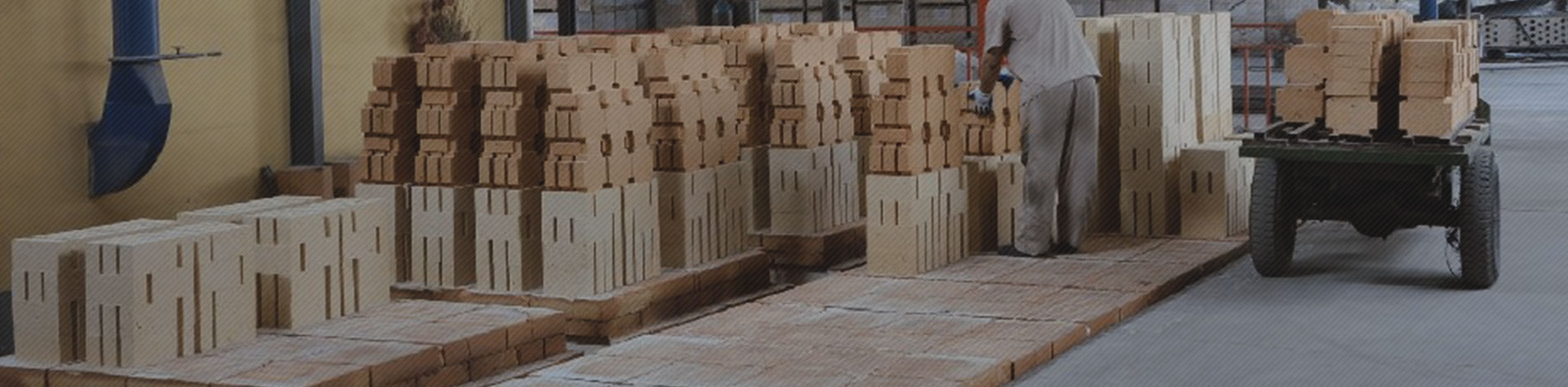
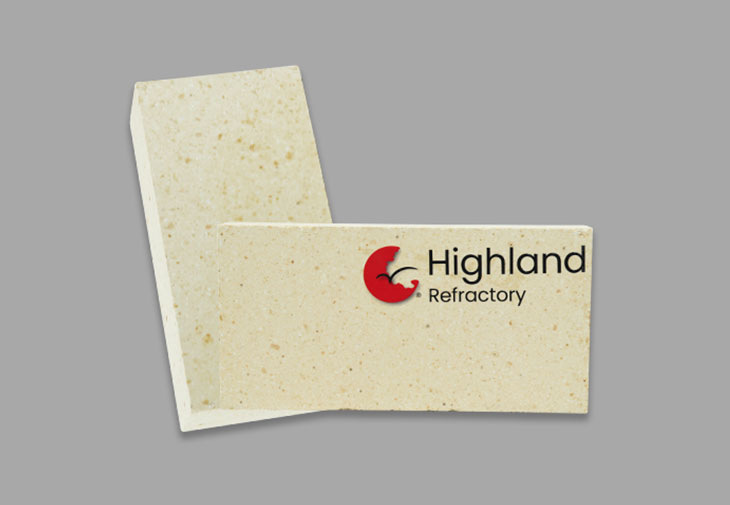
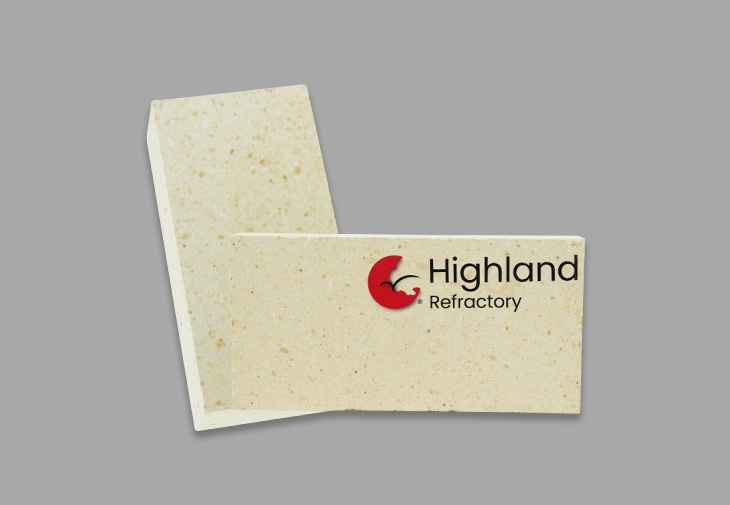
As a trusted refractory brick china supplier, we offer refractory bricks for sale in diverse types Such as High alumina bricks, Magnesia carbon bricks, insulation and stable refractory brick wholesale services for overseas buyers. For refractory brick wholesalers, distributors and end users, our ISO 9001-certified Refractory Bricks for sale reduce maintenance frequency, extend equipment service life, and ensure on-time delivery from China, perfectly supporting your continuous high-temperature production operations.
If you are interested in our refractory bricks or are planning to build a kiln or furnace, please contact us! We will respond promptly and provide professional advice and competitive pricing.
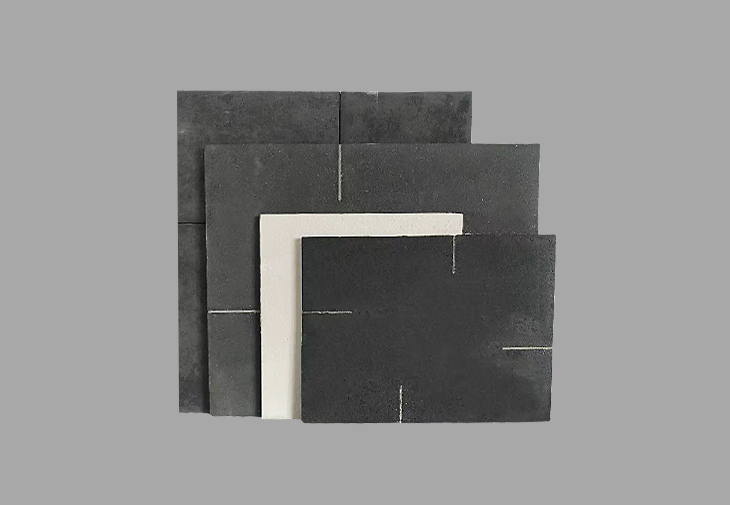
Silicon carbide plates are mainly composed of silicon carbide (SiC) as the aggregate (with a content usually ≥ 80%).
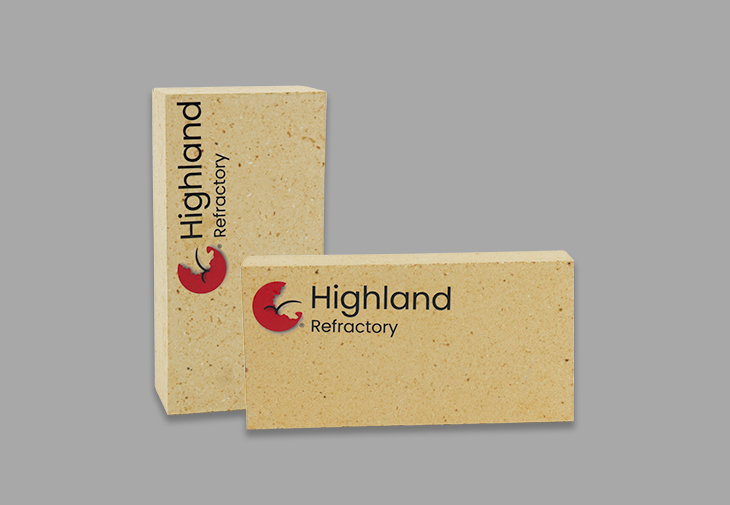
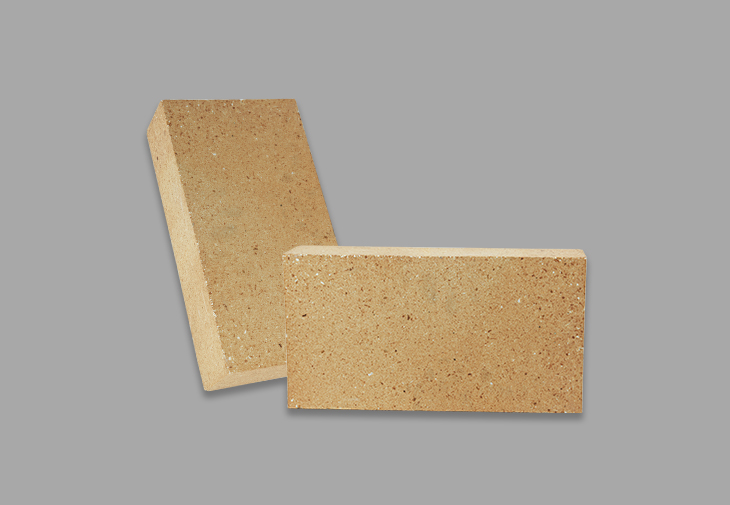
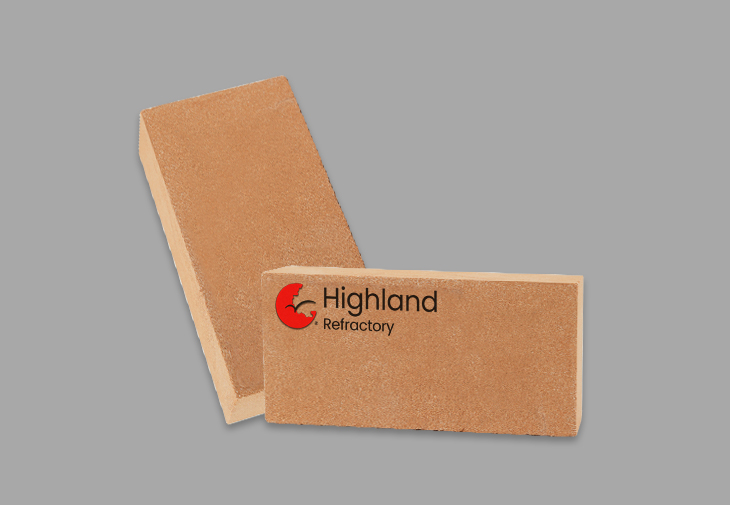
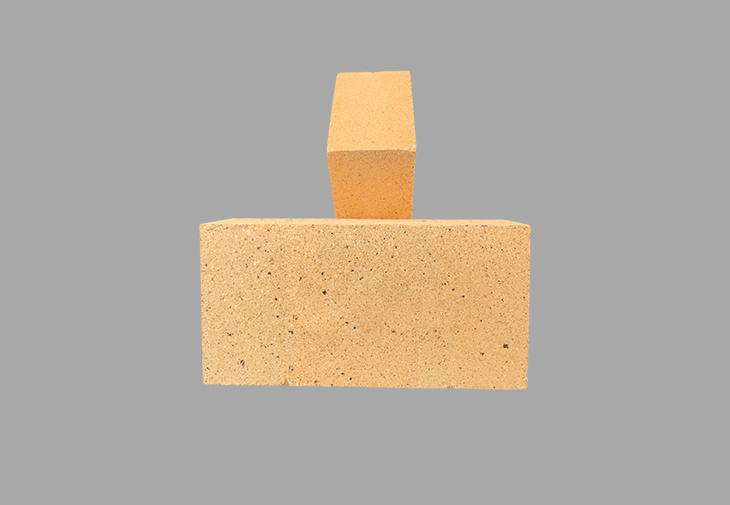
Silicon carbide plates are mainly composed of silicon carbide (SiC) as the aggregate (with a content usually ≥ 80%).
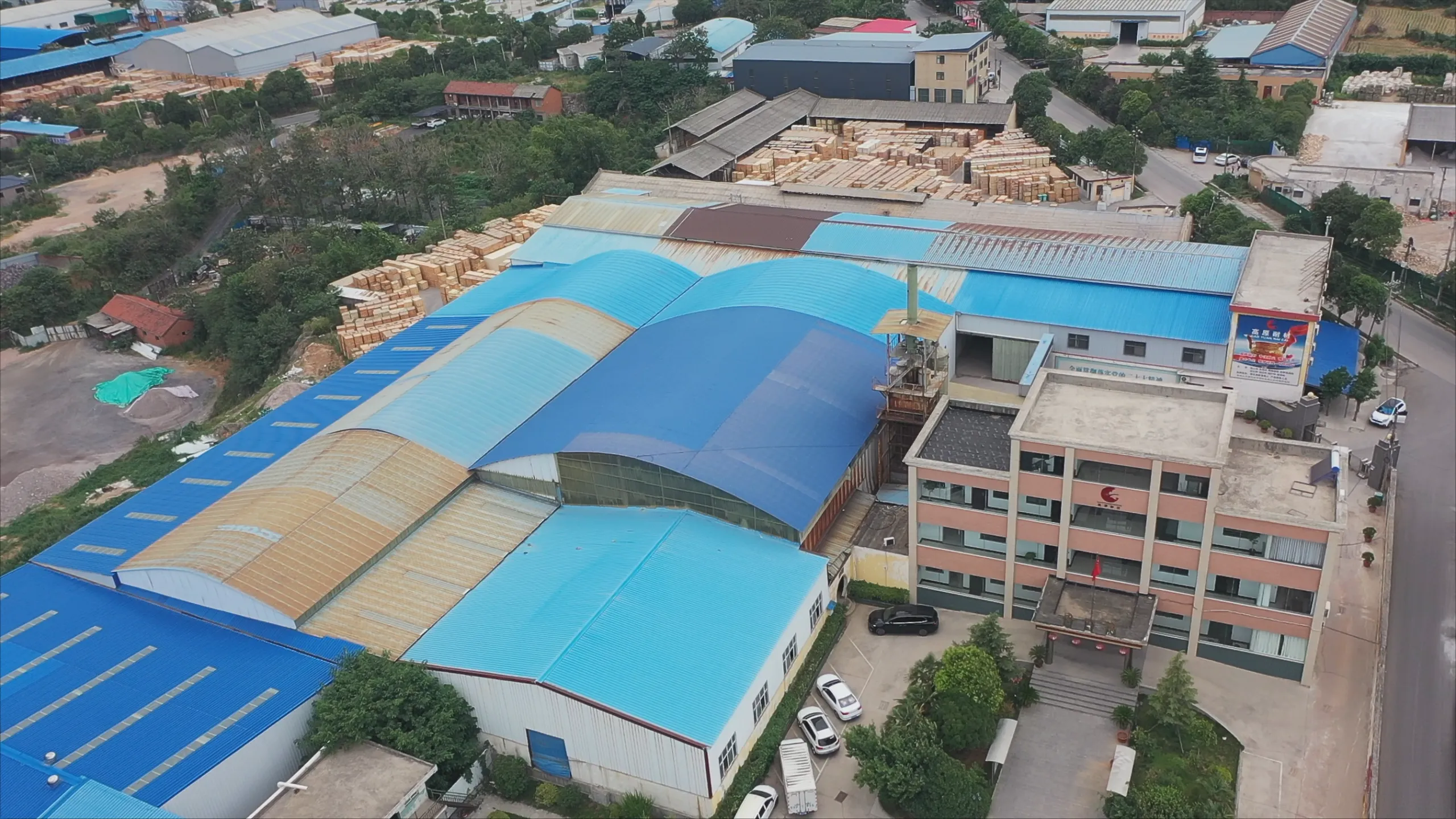
As a leading refractory bricks manufacturer and supplier with over 30 years of expertise since 1990, Highland Refractory stands out as a reliable refractory bricks factory dedicated to solving terminal users’ core pain points in high-temperature industrial operations. We boast a complete Refractory Bricks production line and a 1,100-strong skilled workforce, enabling fast turnaround for your urgent orders,eliminating the frustration of long lead times that often disrupt your production schedules.
Contact us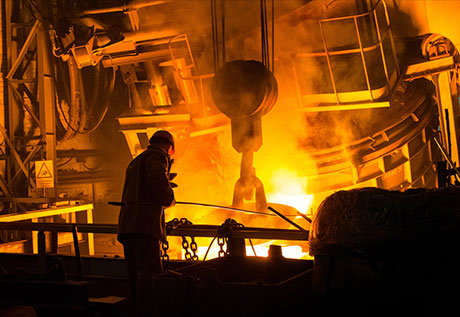
Our Refractory Bricks for sale is certified with ISO 9001:2015 and fully comply with European standards, addressing your concerns about quality consistency when importing from China. Unlike premium-priced European brands, we offer competitive pricing without compromising performance, directly reducing your Refractory Bricks procurement costs. Beyond standard refractory material products, we excel at customizing Refractory Bricks in unique sizes and materials (e.g., high-alumina, magnesia) and also supply complementary refractory materials like refractory castables and ceramic fiber blankets,solving the hassle of sourcing multiple products from different suppliers.
Contact us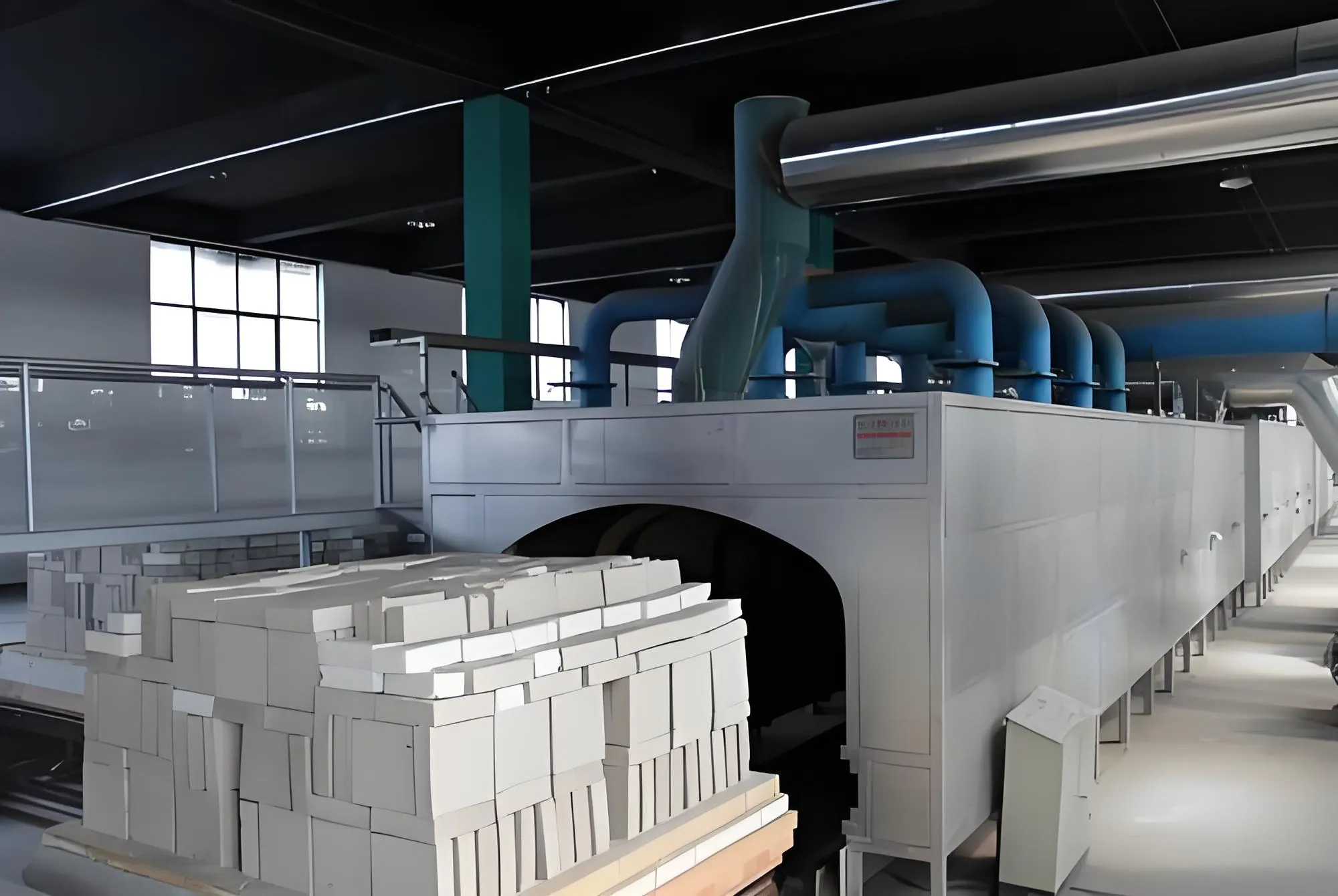
We deeply understand your industry-specific needs: whether you operate in steel needing heat-resistant bricks for blast furnaces or cement requiring erosion-resistant liners for rotary kilns, we tailor solutions to match your exact application scenarios. As your go-to refractory bricks factory from China, Highland Refractory ensures our products fit seamlessly into your operations, minimizing maintenance downtime and maximizing equipment service life.
Contact usHighland Refractory provides clear technical specifications for our refractory bricks, ensuring they meet the demanding conditions of industries like steel, cement, and non-ferrous metals. Our high-alumina bricks, designed for steel blast furnaces and cement kilns, offer a refractoriness of ≥1770℃ and cold compressive strength ≥39MPa, making them highly resistant to extreme heat and molten slag. Clay bricks, used in non-ferrous metal furnaces, provide a refractoriness of 1580-1750℃ and apparent porosity of 22-28%. Both types maintain a reheat linear change rate of +0.1~-0.5% after 2 hours at 1400℃, ensuring minimal volume change. These clear parameters help you quickly assess if our bricks are suitable for your kiln’s conditions, eliminating any uncertainty.
To avoid costly equipment modifications, Highland Refractory offers standard refractory bricks in the widely accepted size of 230×114×65mm, which fits most conventional kilns. Additionally, we specialize in custom brick sizes tailored to your specific kiln structure. Whether you operate an energy incineration furnace or a non-ferrous metal smelting furnace, our engineering team can adjust the dimensions, including thickness, length, and edge angles, based on your equipment’s unique requirements. This ensures seamless integration without the need for costly modifications, solving the common issue of "ill-fitting bricks."
Highland Refractory simplifies the selection process by matching brick properties to industry needs. Our magnesia refractory bricks, with a temperature tolerance of ≥2000℃, are perfect for cement rotary kiln burning zones, which require high heat and slag resistance. Insulating refractory bricks (≤1650℃) are ideal for energy incineration furnaces and building materials kilns, offering excellent heat insulation. For the steel industry, high-alumina bricks (1770-1800℃) line blast furnaces, while clay bricks (1580-1750℃) are used in non-ferrous metal smelting furnaces. This direct correlation between material, temperature, and equipment ensures you quickly find the right bricks for your operations.
To eliminate concerns about substandard imported refractory bricks, Highland Refractory ensures all our products meet rigorous quality standards. Our refractory bricks for sale meet ISO 9001:2015 certification, guaranteeing consistent production quality from raw material selection to final inspection. For European clients, our export models comply with CE certification requirements, covering safety, environmental protection, and performance. We provide full certification documents, including third-party test reports, with every order, allowing you to independently verify the quality and ensuring our refractory bricks meet or exceed industry standards.
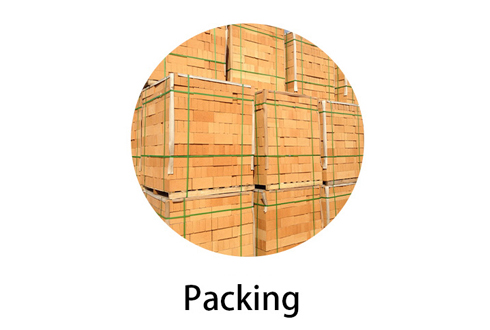
Highland Refractory optimizes the logistics for importing Refractory Bricks from China, addressing common challenges like transit damage, customs clearance, and untraceable shipments. We offer tailored Refractory Bricks packaging solutions: regular Refractory Bricks, such as high-alumina and clay bricks, are packed in 5-layer corrugated cartons (20-25 pieces per carton) and secured on IPPC-compliant pallets, tightly wrapped in stretch film. Fragile insulating bricks are packed with moisture-proof liners to prevent damage and breakage.
For shipping, we provide flexible options: box trucks for domestic delivery and 20ft/40ft containers for export orders. We ensure all customs documents (invoices, packing lists) are prepared in advance to simplify the process. Our after-sales service guarantees peace of mind damaged bricks are replaced within 3 working days, and you can track your shipment anytime via a dedicated link. For urgent orders, our team responds within 24 hours to adjust shipping plans.
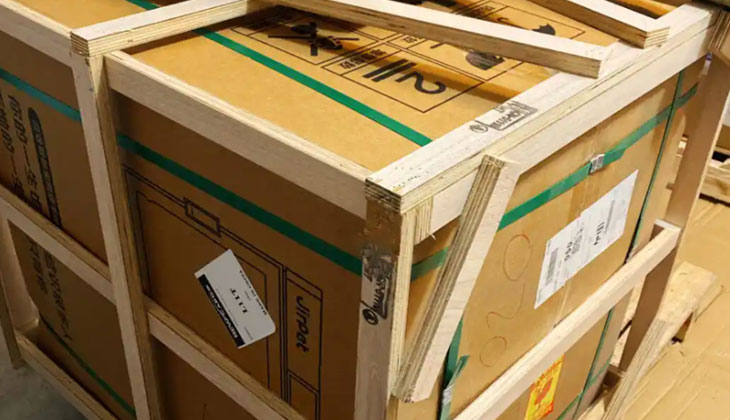
1. Domestic: 5-layer cartons (20–25 bricks) on 1200×1000mm pallets, stretch-wrapped;
2. Export: moisture-proof cartons + IPPC pallets + desiccant/labels;
3. Transport: domestic box trucks (≤60km/h), export containers (15cm gaps);
4. Loading/unloading: forklifts with pads; custom foam for irregular bricks (damage rate ≤0.5%);
5. After-sales: free replacement (photo verification within 24h); storage manual included.
Backed by decades of expertise, Highland Refractory delivers tailored refractory brick solutions across steel, cement, glass, and petrochemical industries. Trusted by global manufacturers, our products ensure long service life, efficiency gains, and cost savings—with on-site technical support to guarantee optimal performance for every client.
Steel mills face extreme challenges blast furnaces operate at 1500-1800℃, with constant erosion from molten iron and slag. Highland Refractory’s blast furnace refractory bricks (high-alumina type) are engineered as ideal industrial refractory bricks here: their refractoriness ≥1770℃ and cold compressive strength ≥39MPa resist high temperatures, while low apparent porosity (21-25%) blocks slag penetration. These high-temperature refractory bricks eliminate frequent lining replacements, solving the pain of unplanned production halts perfect for foreign steel plant buyers importing reliable refractory materials solutions from China.
Non-ferrous smelting furnaces (for copper, aluminum) deal with volatile temperatures (1200-1600℃) and corrosive multi-metal slags. Highland’s non-ferrous metal smelting furnace bricks (high-alumina or corundum types) excel here: as durable industrial refractory bricks, they resist slag attack and temperature shocks. For overseas smelters, this means no more frequent liner repairs our refractory bricks align with the industry’s need for stable, long-lasting performance.
Cement rotary kilns demand bricks that withstand 1800-2000℃ and alkaline slag. Highland’s cement rotary kiln refractory bricks (magnesia-based) are tailored for this: they’re erosion-resistant refractory bricks that repel alkaline corrosion, with a reheat linear change rate of +0.1~-0.5% (1400℃×2h) for minimal deformation. Unlike generic options, these refractory bricks match the kiln’s high-heat, high-wear environment helping cement plant end-users avoid “wrong brick” risks when importing from China.
Waste incineration furnaces face dual threats 800-1200℃ heat and corrosive flue gases. Highland’s waste incineration furnace refractory bricks high-alumina + silicon carbide blend are erosion-resistant refractory bricks that stand up to acidic/alkaline corrosion. Their thermal shock resistance ensures no cracking from temperature swings, solving the industry’s “short brick lifespan” issue. For overseas waste-to-energy plants, these bricks deliver reliability when importing from China.
Glass melting furnaces run 24/7 at 1500-1700℃, with molten glass eroding liners over time. Highland’s glass melting furnace refractory bricks electrocast zirconia-corundum type are designed to tackle this: they’re high-temperature refractory bricks with exceptional resistance to glass liquid corrosion, extending furnace service life by 30% vs. ordinary bricks. Foreign glass manufacturers importing refractory bricks from China gain a cost-effective, low-maintenance solution.
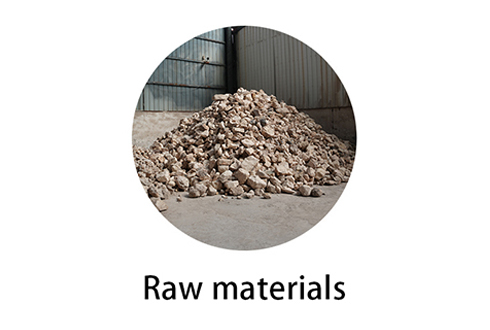
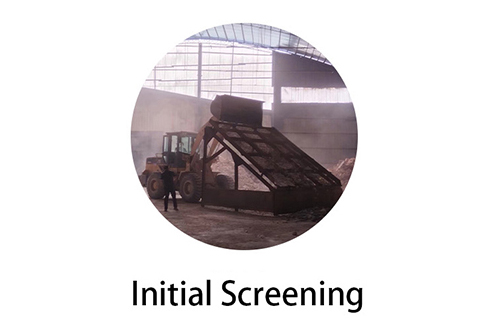
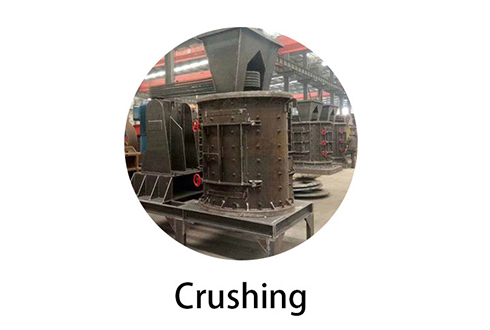
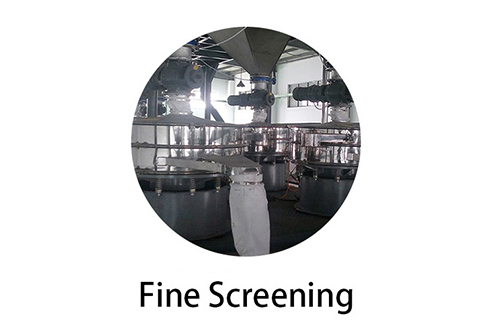
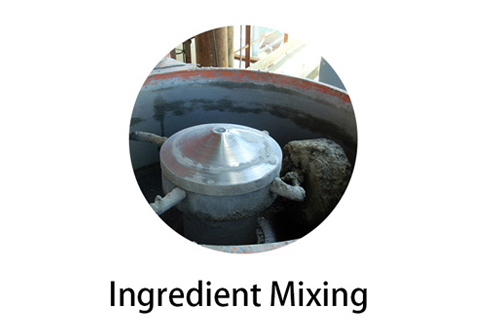
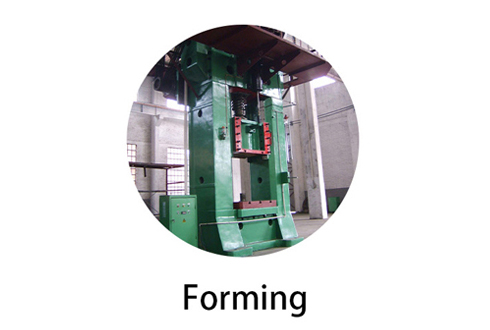
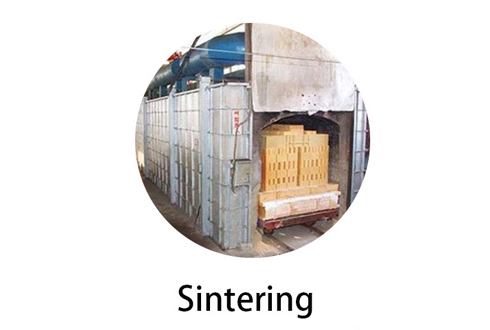
As a trusted refractory bricks factory in China, Highland Refractory eliminates your worries about opaque processes and unstable quality. Our refractory bricks production starts with strict raw material inspection: for High Alumina Brick, we test high-alumina bauxite for purity and Al₂O₃ content; for Fire Clay Brick, we verify fire clay clinker’s thermal stability. Next, we use hydraulic press molding to ensure dimensional accuracy, then sinter bricks in tunnel kilns (1400-1800℃) with precise temperature control key for consistent performance.
Every step follows ISO 9001 standards: we monitor sintering profiles and conduct finished-product tests cold compressive strength, apparent porosity for all bricks. This full-process oversight guarantees batch-to-batch uniformity, whether you order High Alumina Brick for steel furnaces or Fire Clay Brick for cement kilns.
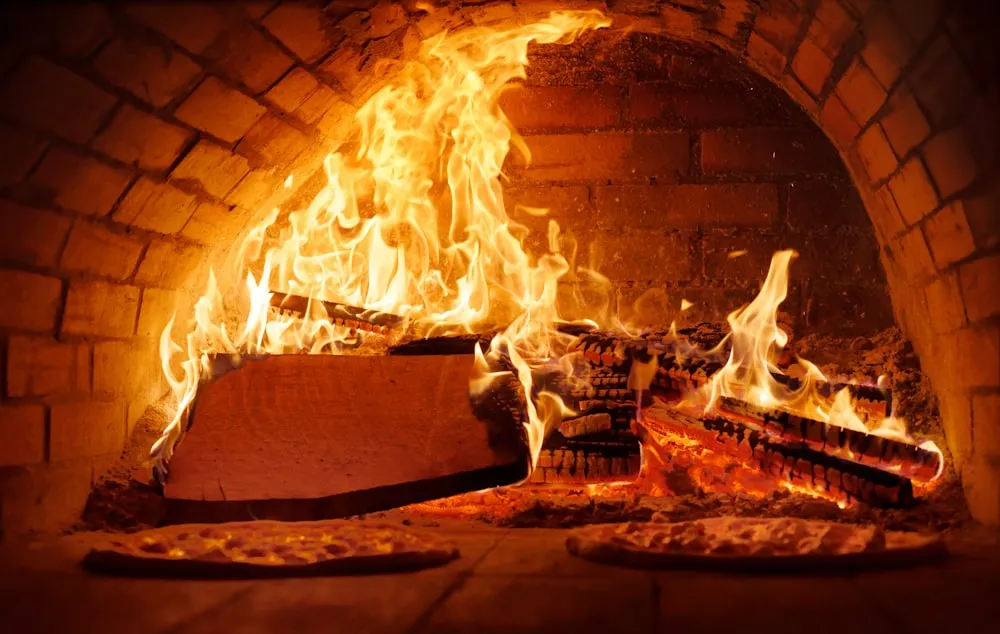
Steel mills and cement plants often face unplanned halts—Refractory Bricks in blast furnaces (1500-1800℃) or rotary kiln burning zones (≥1900℃) crack/erode under extreme heat and molten slag. As a professional refractory bricks manufacturer, Highland uses High Alumina Brick refractoriness ≥1770℃, cold compressive strength ≥39MPa, apparent porosity 21-25% to form a slag-resistant barrier. For a European steel client, this brick extended blast furnace lining life by 40%, cutting costly downtime and meeting their demand for stable high-temperature performance.
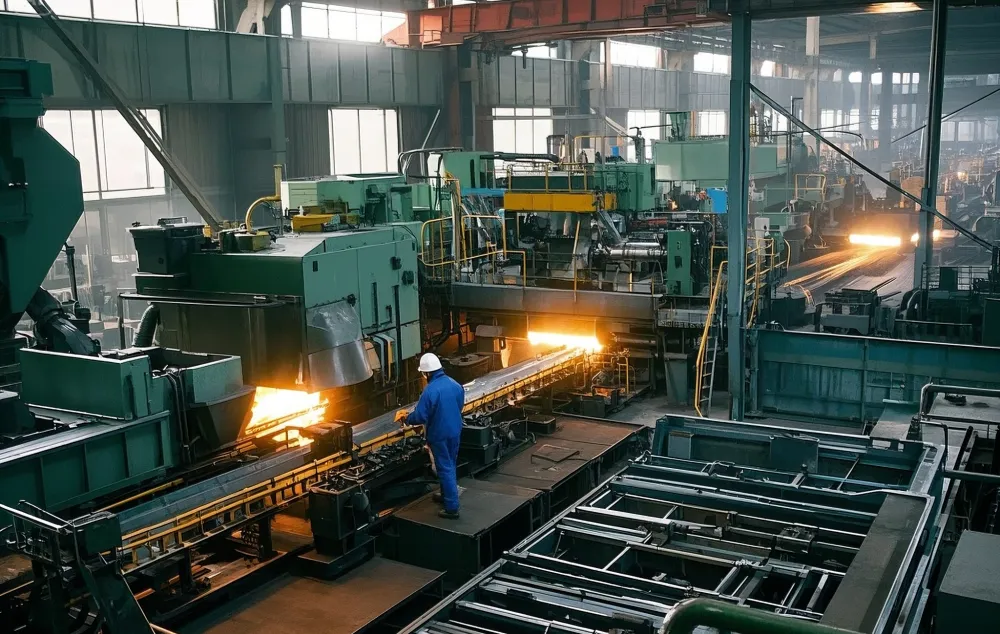
Terminal users like non-ferrous smelters with irregular kilns struggle with “one-size-fits-all” Refractory Bricks, which force equipment mods and raise costs. As a responsive refractory bricks supplier, Highland designs custom High Alumina Brick or Fire Clay Brick per kiln drawings from curved copper-smelting bricks to thin cement-preheater ones. A South American smelter used these customized Refractory bricks to avoid adjustments, cutting installation time by 30% for seamless production integration.
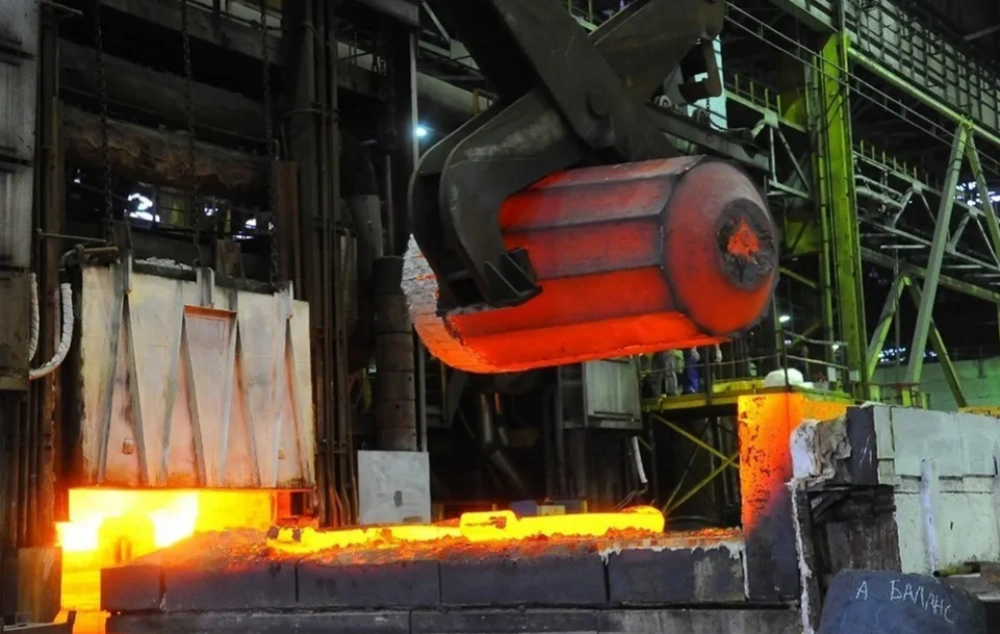
Cement plants and steel mills hate frequent Refractory Bricks replacement—ordinary ones last only 6-12 months, causing shutdowns. Highland solves this with premium materials: Fire Clay Brick (high-purity clinker for wear resistance) and Insulation Bricks (composite thermal materials) last 18-24 months. A Southeast Asian cement plant used our Fire Clay Brick to reduce rotary kiln lining replacements (from 2/year to 1/2 years), slashing maintenance costs by 25%.
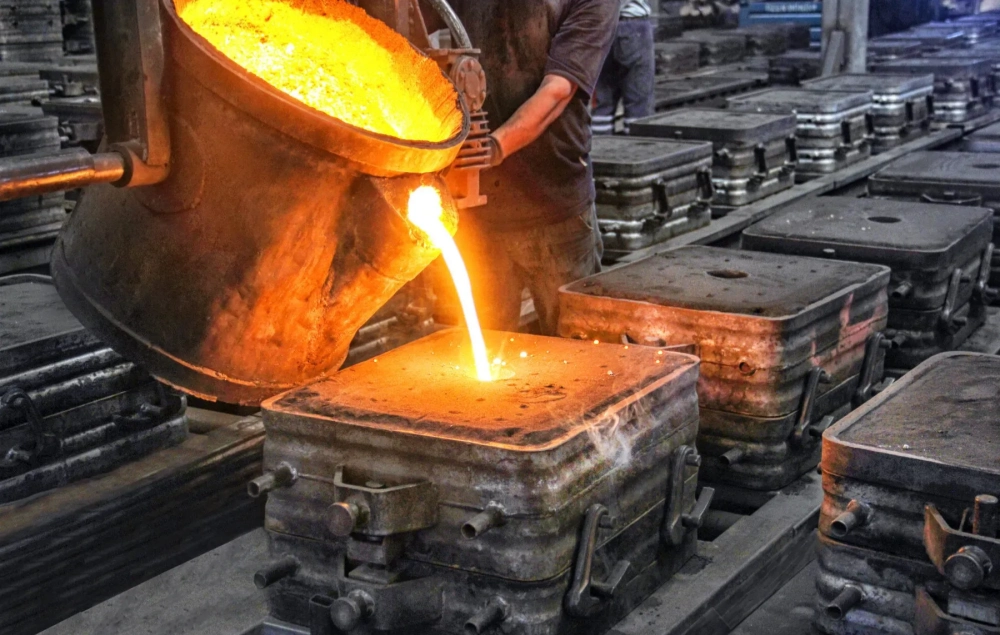
Non-ferrous smelters (copper/aluminum) face acidic/alkaline slag that corrodes conventional Refractory Bricks, causing lining spalling. Highland’s corrosion-resistant bricks—including High Alumina Brick blended with silicon carbide (50% better resistance)—plus a proprietary coating block slag. A Chinese aluminum smelter reported 30% fewer lining failures; the bricks stayed intact after 18 months of alkaline slag exposure, minimizing production disruptions.
Silicon carbide plates are mainly composed of silicon carbide (SiC) as the aggregate (with a content usually ≥ 80%).
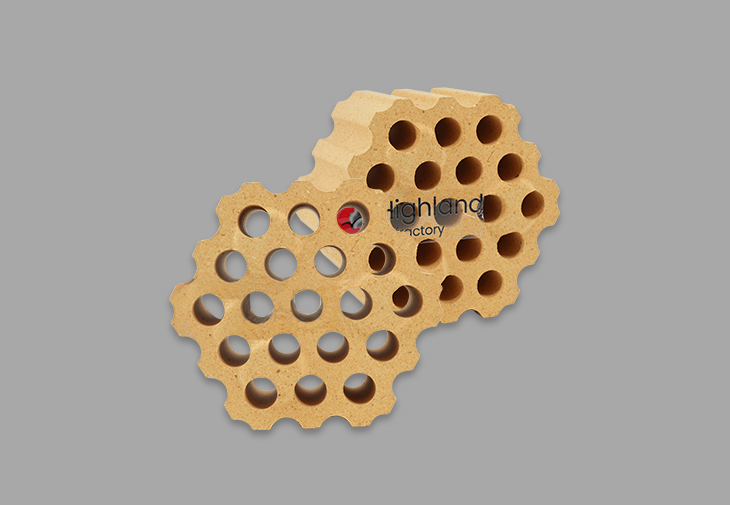
Checker bricks are heat transfer media used in the regenerative chambers of blast furnaces and hot blast stoves.