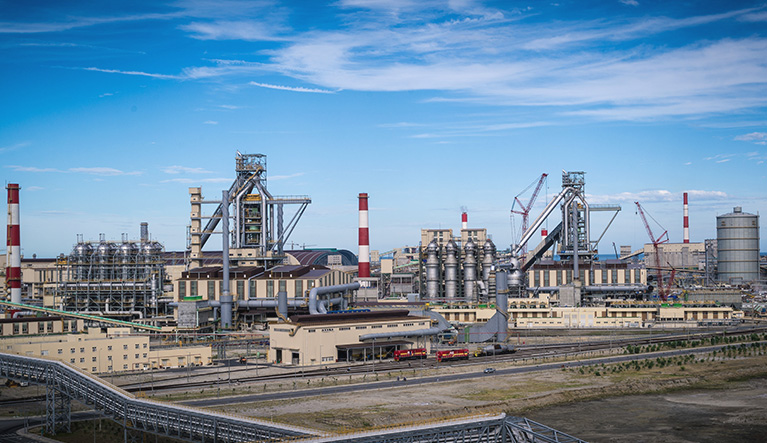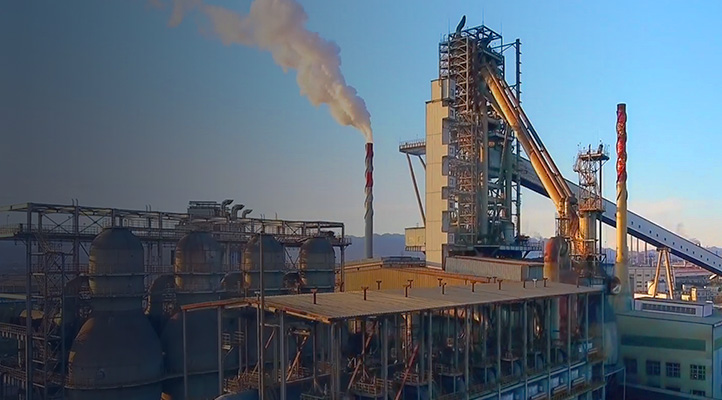
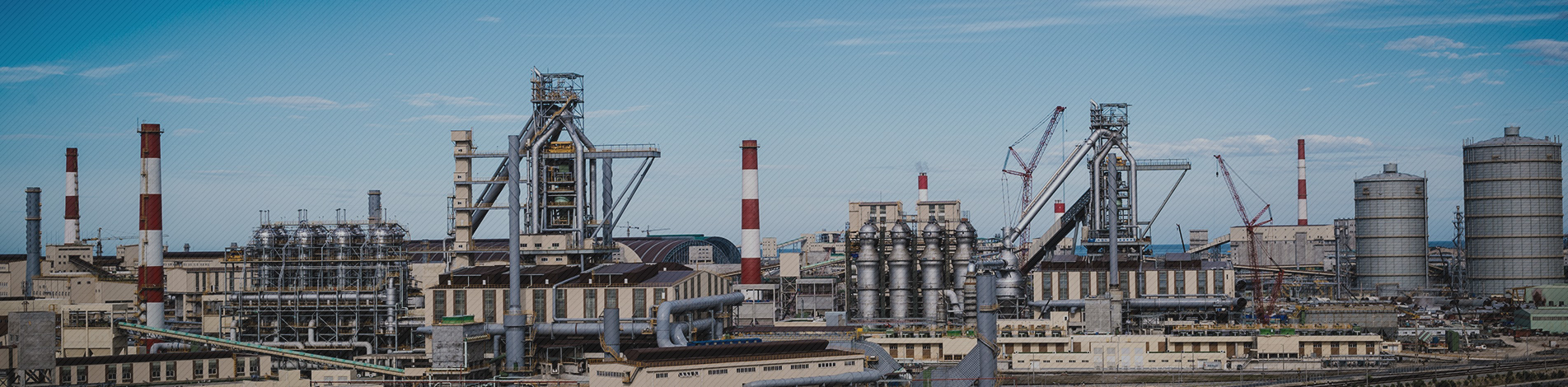
Hot blast stoves are critical auxiliary equipment in steelmaking, responsible for preheating combustion air to 900℃-1450℃ (or higher) for blast furnaces—directly impacting energy efficiency, smelting productivity, and steel quality. Operating under cyclic high temperatures, thermal shock, gas scouring, and corrosive environments, each component of a hot blast stove (lining, crown, combustion chamber, hot blast pipes, valves) faces unique refractory challenges. Premature refractory failure in these areas often leads to unplanned downtime, increased maintenance costs, and reduced hot blast temperature stability—key pain points for steelmakers aiming to optimize operations.
As a global leader in refractory solutions, Highland Refractory specializes in hot blast stove-specific needs, delivering customized material portfolios and full EPC (Engineering, Procurement, Construction) capabilities. We leverage deep industry expertise to match refractory materials to temperature ranges, structural demands, and environmental stresses, ensuring superior high-temperature stability, thermal shock resistance, and corrosion resistance. This article details how our tailored solutions solve real-world hot blast stove challenges, from material selection to on-site implementation and long-term support.

Hot blast stoves operate in a cyclic “heating-regenerating” mode, exposing refractories to repeated thermal cycling (room temperature to 1450℃+) and dynamic stresses—demanding materials with targeted performance. Understanding these component-specific needs is critical to delivering effective solutions.
Temperature variability is the core challenge: hot blast stoves operate across three primary temperature ranges (≤900℃, 900℃-1100℃, ≥1100℃), each requiring refractories with distinct heat resistance and creep resistance. The crown (exceeding 1450℃) faces extreme heat and corrosive byproducts that damage stove shells and cause cracking, requiring acid-resistant, high-temperature-stable materials. The combustion chamber endures radiation heat, gas flow scouring, and mechanical wear from fuel combustion, needing a balance of thermal shock resistance and structural integrity. The hot blast valve neck suffers from dual-sided heating, mechanical vibration, and frequent temperature changes—its harsh working conditions shorten standard refractory lifespans to 6-10 months.
Beyond temperature, hot blast stove operators prioritize energy efficiency (minimizing heat loss via insulation layers), long refractory service life (reducing maintenance frequency), and seamless compatibility between working layers and insulation layers. Traditional one-size-fits-all refractories often fail to address these nuanced demands, leading to frequent replacements and lost production. Our approach starts with a comprehensive assessment of your stove design, operating temperature, and pain points to deliver solutions that align with your unique needs—whether upgrading an existing stove or building a new facility.
Our hot blast stove refractory portfolio is engineered to address the unique stresses of each component, combining advanced materials science with practical industrial expertise, backed by quantified performance data.
For hot blast temperatures ≤900℃: We use high-alumina bricks (Al₂O₃ ≥60%) for high-temperature zone linings and checker bricks, delivering reliable heat resistance and structural stability. Remaining areas are lined with high-grade clay bricks (Al₂O₃ 40%-50%), balancing cost-effectiveness with durability. Our high-alumina bricks feature a dense matrix that reduces heat loss, with a maximum service temperature of 1500℃ and linear shrinkage ≤0.2% (1400℃×5h).
For temperatures 900℃-1100℃: High-temperature zones use high-alumina bricks, mullite bricks (Al₂O₃ 60%-70%, SiO₂ 25%-35%), or sillimanite bricks—all offering enhanced thermal shock resistance (≥30 cycles at 1100℃→20℃) and low creep (≤0.5% at 1300℃×100h). Remaining areas combine high-alumina bricks and high-grade clay bricks to optimize cost and performance. Mullite bricks, in particular, excel in cyclic heating environments, preventing cracking from thermal stress.
For temperatures ≥1100℃: High-temperature zones require low-creep high-alumina bricks, mullite bricks, or sillimanite bricks—critical for resisting deformation under prolonged high heat. The insulation layer is matched to the working layer material to ensure thermal compatibility and minimize heat loss. Checker bricks (honeycomb, large-sized porous, or nested designs) are optimized for heat storage and transfer, with our honeycomb checker bricks featuring a high surface area-to-volume ratio that boosts thermal efficiency by 10%-15%.
Stove Crown (≥1450℃): We apply a specialized acid-resistant coating to prevent corrosive agent damage, paired with mullite-corundum bricks (Al₂O₃ ≥85%) for the lining. These bricks offer ultra-high temperature stability (1700℃+) and acid resistance ≥95%, eliminating crown cracking and shell corrosion.
Combustion Chamber: Air-coal gas channels are lined with clay bricks and high-alumina bricks, while the upper radiation zone uses mullite bricks or mullite-corundum bricks for enhanced heat resistance. Wear-prone nozzle areas use refractory castables with pre-made nozzles—our high-alumina castables (Al₂O₃ ≥75%) offer excellent fluidity and fast curing (24h at room temperature), with compressive strength ≥60MPa (110℃×24h) and wear resistance 30% higher than standard castables.
Hot Blast Pipes & Joints: Lined with high-alumina cement or phosphate refractory castables, our solutions deliver superior overall integrity—critical for joints and elbows prone to heat loss and wear. The castables’ seamless structure prevents air leakage, boosting thermal efficiency and extending pipe service life by 50%.
Hot Blast Valve: We replace standard clay/high-alumina bricks with high-alumina cement castables, which withstand dual-sided heating and mechanical vibration. Our castables extend valve lining life to 1.5 years (triple the standard lifespan), reducing maintenance downtime by 60%.
Flues & Chimneys: Flue linings use high-grade clay bricks (Al₂O₃ 45%) for cost-effective corrosion resistance and heat stability. Chimneys feature concrete pouring or red brick masonry with a clay brick protective layer at the bottom—our clay bricks resist flue gas corrosion and temperature fluctuations, ensuring long-term structural integrity.
All our materials meet international standards (ASTM C155, ISO 8895) and undergo rigorous testing—including high-temperature creep, thermal shock cycling, and corrosion resistance trials—to ensure consistent performance in hot blast stove environments.
We understand that even the best refractory materials fail without proper engineering and installation. That’s why we offer full EPC capabilities, managing every stage of your hot blast stove refractory project to ensure seamless integration, minimal downtime, and optimal performance.
Our process begins with a comprehensive on-site assessment: our technical team analyzes your hot blast stove design, operating temperature, component dimensions, and production goals to identify pain points and design a customized solution. For example, a European steelmaker struggling with frequent crown cracking received a tailored mix of acid-resistant coating and mullite-corundum bricks, optimized for their 1500℃ crown temperature.
Next, we handle procurement and supply: our global network ensures timely delivery of high-quality, batch-consistent materials, with logistics optimized for hot blast stove locations—whether by sea, land, or air. We prioritize moisture-proof packaging for castables and bricks to preserve material integrity during transit, critical for maintaining performance.
Our certified construction team—with decades of hot blast stove experience—executes installation with precision, adhering to strict quality controls and safety protocols. We use specialized masonry techniques for shaped bricks (e.g., crown arches) and pouring equipment for castables, ensuring dense, seamless linings. For large-scale projects, we coordinate with your production schedule to minimize downtime, often completing installations during planned maintenance windows.
Post-installation, we conduct performance testing and commissioning, verifying lining density, heat loss, and structural alignment before your stove resumes operations. We provide a full project report, documenting material usage, installation details, and maintenance recommendations to support long-term performance.

Our hot blast stove refractory solutions have been validated by leading steelmakers worldwide, delivering measurable results that speak to our expertise:
A European integrated steel mill operating hot blast stoves at 1200℃ faced recurring crown cracking and valve lining failures, with maintenance downtime exceeding 200 hours annually. We supplied low-creep high-alumina bricks for the lining, mullite-corundum bricks for the crown, and high-alumina cement castables for the valves, paired with EPC services. The result: crown service life extended to 5 years (from 2 years), valve lining life doubled to 1.5 years, and annual downtime reduced by 150 hours. “Highland’s tailored solution transformed our hot blast stove reliability—their attention to temperature-specific materials made all the difference,” noted the mill’s operations director.

A North American steel producer struggled with low thermal efficiency and high heat loss in their 1000℃ hot blast stoves. Our team recommended honeycomb checker bricks and matched insulation layers, optimizing heat storage and transfer. Post-installation, the mill reported a 12% increase in thermal efficiency, reducing fuel consumption by 8% and lowering carbon emissions. “The checker bricks’ high surface area and insulation compatibility exceeded our expectations, and Highland’s on-site installation supervision ensured seamless integration,” commented the technical manager.

An Asian steelworks needed a refractory solution for new hot blast stoves operating at 1350℃, requiring materials that could withstand extreme heat and cyclic operation. We delivered a full EPC package, including sillimanite bricks for high-temperature zones, mullite castables for combustion chambers, and acid-resistant coating for crowns. The project was completed on schedule, with the stoves achieving stable operation for over 4 years without major refractory issues. “Highland’s end-to-end support made the project seamless—their expertise in hot blast stove refractories was invaluable,” said the plant’s procurement manager.
We believe our responsibility extends far beyond delivering materials—we partner with you for the entire lifecycle of your hot blast stove refractory system. Our comprehensive after-sales service ensures you get the most out of your investment.
Post-installation, our team provides on-site training for your operators, covering proper maintenance, inspection techniques, and troubleshooting to maximize material lifespan. We conduct quarterly follow-ups for the first year and semi-annual visits thereafter, monitoring lining performance, identifying potential issues (e.g., early creep, heat loss), and offering adjustments to adapt to process changes.
Our 24/7 technical hotline ensures rapid response to urgent needs—whether you’re dealing with unexpected wear, thermal shock cracks, or need emergency material replenishment. We maintain a global inventory of critical spare parts (e.g., checker bricks, valve castables), ensuring fast delivery to minimize downtime.
For long-term projects, we offer customized maintenance plans and flexible supply agreements, adapting to your production needs and market conditions. We also provide material performance reports and trend analysis, empowering you to make informed decisions about future replacements or upgrades. We stand behind our products with a quality guarantee: if performance falls short of agreed specifications, we provide replacements or on-site adjustments at no additional cost.
Hot blast stoves demand refractory solutions that are as robust and precise as the equipment itself. Our focus on customization, technical expertise, and end-to-end support has made us a trusted partner for steelmakers worldwide. We combine temperature-specific material selection, proven EPC capabilities, and ongoing technical support to solve your most pressing challenges—from reducing downtime to improving energy efficiency and extending refractory service life.
Whether you’re upgrading an existing hot blast stove, building a new facility, or seeking emergency repair solutions, we’re ready to deliver a tailored approach that aligns with your goals. Contact our hot blast stove refractory specialists today to discuss your needs, request a free on-site assessment, or receive a customized quote. Let us help you optimize your hot blast stove performance with reliable, high-performance refractory solutions.
Low creep clay bricks have a low creep rate in high temperature environments and can maintain good shape and dimensional stability for a long time.
Mullite lightweight insulation brick is a high-quality insulation material.
Corundum - mullite brick refers to high purity or pure raw materials made of refractory products.
Corundum mullite castable is a high-quality high-performance refractory material with high thermal conductivity, insulation, good chemical stability and resistance to reducing agents.