Monolithic Refractories

Monolithic Refractories

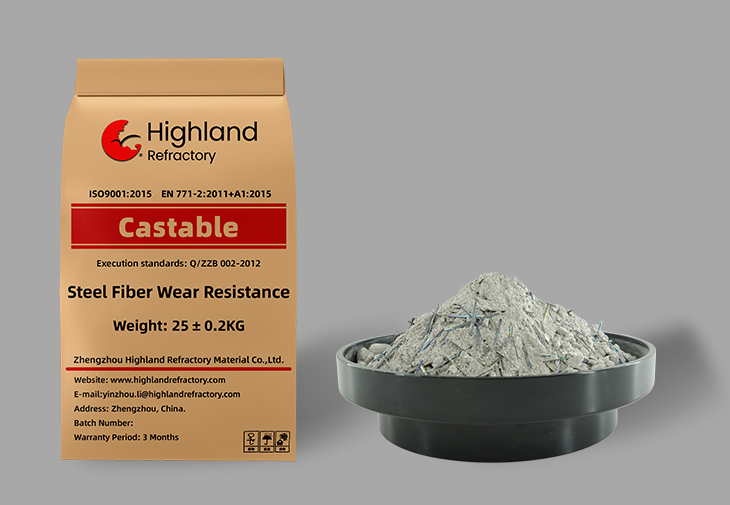
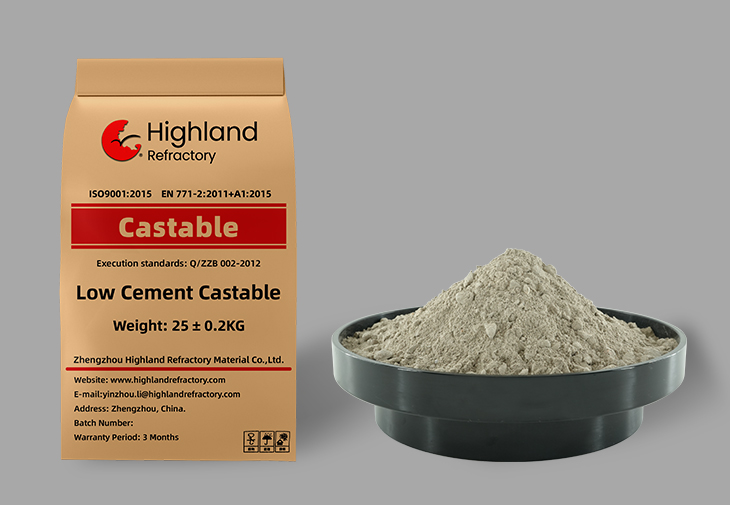
Highland Refractory’s Monolithic Refractories, a core solution for foreign buyers and B-end clients, eliminates the hassle of complex brick installation and frequent high-temperature equipment failures—unlike rigid traditional refractories. Our range includes versatile monolithic castable refractory (cold compressive strength ≥60MPa, refractoriness ≥1750℃) and specialized variants: steel fiber-reinforced wear-resistant castable (2x more wear-resistant for high-impact zones) and high-temperature repair mortar (instantly withstands 1600℃ for emergency fixes).

These monolithics suit iron ladles (lining protection), cement kiln hot zones (heat resistance), and furnace repairs, paired with our bauxite aggregates, refractory cement, ceramic fiber products, and foundry additives for full-system support. As a trusted monolithic refractories ltd partner, we deliver seamless installation (no gaps), 30% longer service life than bricks, and lower maintenance costs—ideal for steel, building materials, and foundry industries needing durable, efficient refractory solutions.

Contact us

Good performance of Highland Refractory Monolithic Refractories

  • Core Physicochemical Parameters

    To solve the pain of "parameter mismatch with kiln environments," Highland Refractory provides clear, categorized specs for Monolithic Refractories. Our high-alumina refractory castable (a key monolithic castable refractory) has a refractoriness of 1650–1750℃, cold compressive strength ≥60MPa, and flow value ≥150mm; refractory plastic boasts a plasticity index ≥30% and thermal shock stability (30 cycles of 1100℃ water quenching without cracking); refractory ramming mass offers bulk density ≥2.6g/cm³ and slag erosion rate ≤0.3cm/year. Unlike shaped fire bricks (losing 15–20% strength due to joints), our monolithics have no seams, ensuring precise alignment with high-temperature, abrasive kiln conditions—all backed by third-party test data for credibility.

  • Flexible Sizing & Adaptability

    To address "difficulty adapting to equipment sizes," Highland’s Monolithic Refractories leverage a core advantage: no prefabricated dimensions. Refractory castable can be poured on-site to fit any irregular furnace chamber, such as ceramic tunnel kiln corners or metallurgical converter linings; refractory spray coating covers uneven surfaces (like furnace door gaps or pipe exteriors) via atomized spraying; refractory plastic can be manually shaped to fit complex structures (e.g., glass melting furnace regenerator checkers). Compared to shaped bricks limited by fixed sizes, our products achieve perfect adaptation to non-standard equipment through "on-site construction + on-demand adjustment," reducing cutting waste and installation gaps.

  • Temperature Ranges & Application Scenarios

    To resolve "mismatched temperature scenarios," Highland classifies Monolithic Refractories by material to match temperatures and industries. Fireclay-based variants (1500–1600℃) suit machinery manufacturing heating furnaces; high-alumina types (1650–1750℃) fit ceramic shuttle kilns and metallurgical ladles; corundum-based ones (1750–1800℃) adapt to glass melting furnace tank walls and blast furnace tapholes. We also link product features to scenarios—for example, spray coating’s quick-drying trait fits emergency repairs, while ramming mass’s high density resists molten iron scouring—helping clients quickly select products based on equipment operating temperatures (1200–1800℃) and working conditions (wear/corrosion/thermal shock).

  • Quality Compliance Certifications

    To ease "worries about unqualified imported products," Highland’s Monolithic Refractories meet strict global standards. We hold ISO 9001:2015 quality management system certification and CE EU access certification, with products complying with ASTM C191 (castable standards) and DIN 51068 (refractory testing specifications). Our quality control process covers raw material inspection (aggregate purity ≥98%), full-production monitoring (sample retention per batch), and finished product testing (refractoriness, strength, corrosion resistance), with SGS test reports provided. Each batch has a unique serial number for quality tracing—reinforcing trust for foreign buyers and positioning us as a reliable monolithic refractories ltd partner.

Professional Monolithic Refractories Packaging and Shipping

Highland Refractory ensures seamless logistics for monolithic refractory materials, addressing foreign buyers’ key pain points: transit damage, complex clearance, untraceable shipments, and slow emergency responses. For packaging, we tailor solutions to product types: powdered monolithic castable refractory uses multi-layer kraft paper bags (inner PE moisture barrier) + 1000kg ton bags with lifting loops; paste-like refractory plastic goes into sealed 50kg iron drums with leak-proof valves; refractory spray coating is packed in pressure tanks meeting maritime pressure standards. All packages are wrapped in stretch film and secured on IPPC-fumigated wooden pallets to prevent tipping, eliminating “powder caking” or “paste leakage.”

Domestically, sealed box trucks deliver to ports (rain/moisture-proof); exports use 20ft/40ft dry containers with humidity monitors. We provide full clearance docs (commercial invoices, packing lists, certificates of origin, CE/ISO copies) and assign specialists to verify paperwork, simplifying customs. Post-shipment, 24-hour response to transit damage (e.g., torn bags, leaking drums) ensures free replacements; dedicated reps share real-time tracking. Emergency orders (like repair-focused monolithic refractory products) get a 72-hour production-shipping green channel. As trusted monolithic refractories limited, we guarantee smooth end-to-end logistics for your operations.

Monolithic Refractories Application Scenarios

Backed by decades of expertise, Highland Refractory delivers tailored refractory brick solutions across steel, cement, glass, and petrochemical industries. Trusted by global manufacturers, our products ensure long service life, efficiency gains, and cost savings—with on-site technical support to guarantee optimal performance for every client.

  • Refractory Products Industry

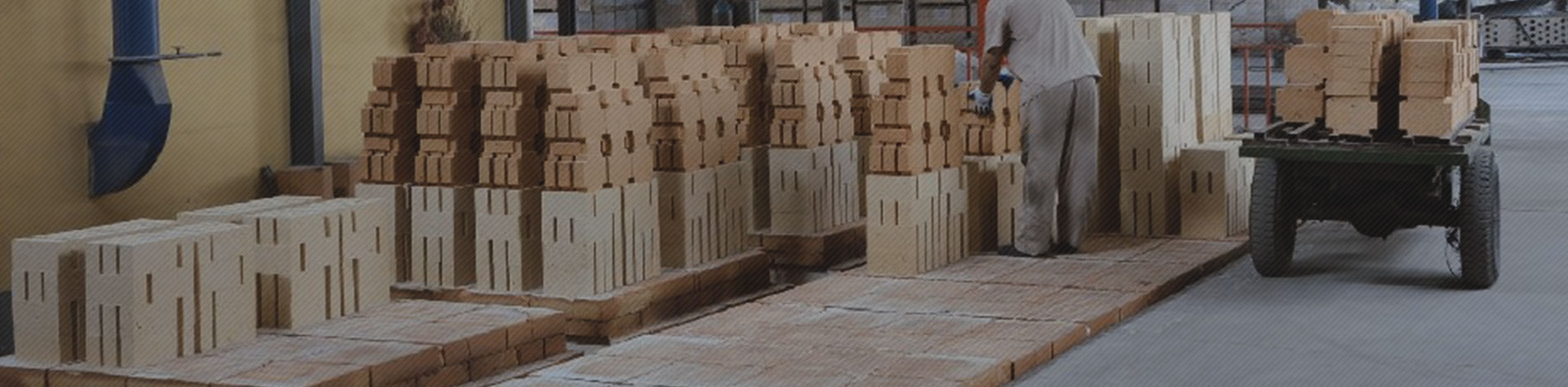
    Manufacturers of refractory products often struggle with rigid traditional materials they’re hard to shape for custom fire bricks or lightweight refractories, and bonding clay bricks often lacks strength. Highland Refractory’s Monolithic Refractories solve this: monolithic castable refractory has good flowability, making it easy to mold into fire bricks or lightweight refractory parts (with a refractoriness of 1650℃ and 20% weight reduction vs. dense bricks). Our refractory cement boosts bonding strength by 30%, perfect for joining clay bricks or securing lightweight materials. As a reliable monolithic refractories ltd, we cut production complexity and costs, ensuring your refractory products meet diverse size and performance needs.

  • Iron and Steel Industry

    Steel plants face frequent issues: converter and electric arc furnace linings wear fast, furnace throats crack under high heat, and emergency repairs take too long causing costly downtime. Highland’s Monolithic Refractories fit perfectly: steel fiber-reinforced wear-resistant castable (cold compressive strength ≥80MPa) resists erosion on furnace inner walls; high-temperature repair mortar cures in 2 hours and withstands 1700℃ instantly, fixing kiln doors or feed ports quickly. Ordinary monolithic castable refractory lines insulation layers, lowering heat loss by 15%. These products extend equipment service life by 30%, eliminating frequent shutdowns and aligning with steel production demands.

  • Metallurgical Industry

    Metallurgical facilities battle two key problems: high-temperature furnace linings (made with bauxite) erode easily, and foundry sand lacks enough strength to hold shapes. Highland’s solutions address both: high-alumina monolithic castable refractory (refractoriness 1750℃) forms durable furnace linings that resist slag corrosion 2x better than traditional bricks. Our refractory ramming mass (bulk density ≥2.6g/cm³) works as strong foundry sand, while refractory cement bonds bauxite-based linings tightly. As trusted monolithic refractories ltd, we ensure your furnaces run longer and foundry parts have precise shapes solving “short lining life” and “poor sand stability” pain points.

  • Chemical Industry

    Chemical plants struggle with high-temperature reactors and corrosion-resistant equipment linings often fail due to acid/alkali attacks, and catalyst carriers lack stability. Highland’s Monolithic Refractories resolve this: corrosion-resistant monolithic castable refractory (resists most acids/alkalis except hydrofluoric acid) lines reactor inner walls, preventing leaks. Our corundum-based monolithic castable refractory acts as a stable catalyst carrier, maintaining performance even at 1800℃. Refractory cement secures all parts tightly, avoiding gaps where chemicals could seep. These products extend equipment life by 2x, ensuring safe, continuous chemical production backed by our expertise as a reliable monolithic refractories ltd.

Highland Refractory: Monolithic Refractories Production & Quality Control

To ease concerns over opaque processes and unstable quality, Highland Refractory details its monolithic refractory production and strict controls. First, raw materials are inspected: high-purity aggregates (e.g., bauxite) with impurities ≤0.5% and binders (purity ≥99%) are selected. Next, precise batching—automated dosing per formula, like a 3:1 aggregate-to-cement ratio for refractory castable.

Mixing is tailored: refractory castable is water-mixed to 150mm flow value; refractory plastic is kneaded to 30% plasticity. Finished products (including refractory spray coating and ramming mass) undergo tests for initial setting time and compressive strength.

Under ISO 9001, we monitor raw material entry, batching, and finished goods. Each batch is checked for refractoriness (1500–1800℃) and thermal shock resistance, with test reports and process records provided—ensuring consistency you can trust.

Monolithic Refractories of Product and Quality Advantages

  • Customized Adaptability for Complex Equipment

    Steel plants struggle with converter and ladle linings: shaped bricks leave gaps at irregular furnace throats or pipe joints, causing heat loss and shortening equipment life. Highland’s monolithic refractory solves this refractory castable pours on-site to perfectly fit curved ladle walls, while refractory plastic molds by hand to seal furnace door corners, eliminating seams. Unlike shaped bricks (10–15% cutting waste), our products adapt with zero loss, reducing heat leakage by 5–8%. This tight fit stabilizes high-temperature zones, making steelmaking equipment run longer with fewer breakdowns.

  • High-Temperature & Slag Resistance

    Metallurgical facilities face frequent failures: blast furnace tapholes and non-ferrous smelting furnaces, under 1650–1750℃ heat, see traditional refractories wear out in 3–6 months due to slag scour. Highland’s refractory ramming mass (high-alumina) resists this with refractoriness ≥1750℃ and slag erosion ≤0.3cm/year, it’s 2–3x more durable than shaped bricks. Our refractory castable, reinforced with corundum, adds ≥80MPa cold strength, enduring constant molten metal impact. This extends taphole life to 1–1.5 years, cutting unplanned shutdowns.

  • Longevity & Cost Reduction

    Chemical plants waste 20–30% of equipment costs on reaction furnace maintenance: acid/alkali corrosion and temperature swings damage traditional brick linings, forcing full replacements. Highland’s solution? Corrosion-resistant refractory spray coating patches cracks in ≤2 hours (adhesion ≥1.5MPa, resisting most acids/alkalis). Paired with refractory castable linings, it extends service life to 3–5 years. This slashes maintenance costs by 40–50% and avoids production halts from frequent overhauls ideal for sustained chemical processing.

  • Energy Efficiency & Environmental Compliance

    Ceramic tunnel kilns and shuttle kilns lose 30%+ of energy through brick joints, hiking costs and failing Environmental friendly standards. Highland’s monolithic refractory fixes this: seamless refractory castable linings have thermal conductivity ≤1.2W/(m・K), cutting heat loss by 8–10%. Made with low-sulfur aggregates, production meets ISO 14001, aligning with EU Environmental friendly rules. This reduces energy bills while ensuring compliance, making your ceramic production more sustainable and cost-effective.

Related Products

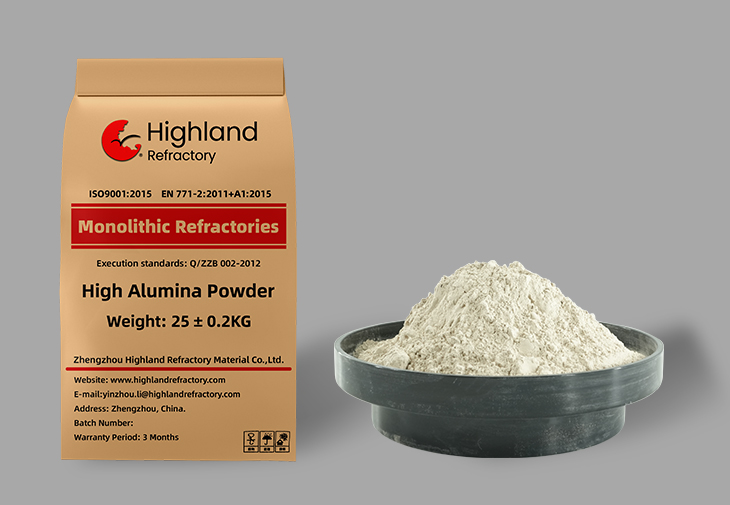
High Alumina Powder

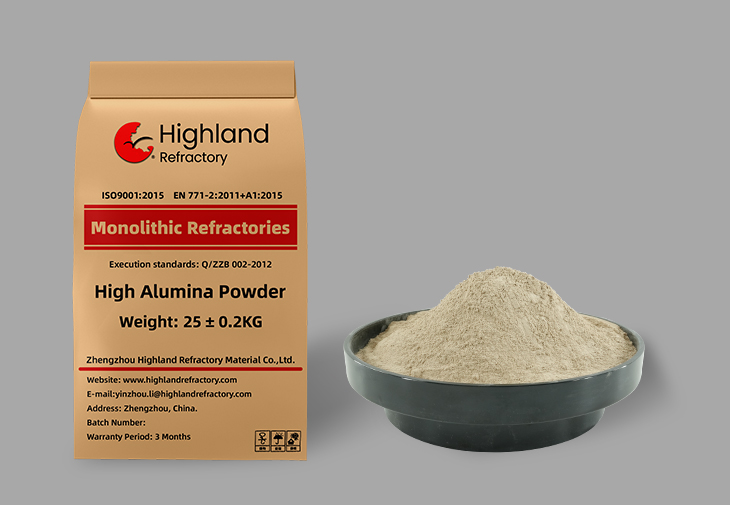
High alumina fine powder is a powder material with alumina (Al2O3) as the main component.
High Alumina Powder

High alumina fine powder is a powder material with alumina (Al2O3) as the main component.
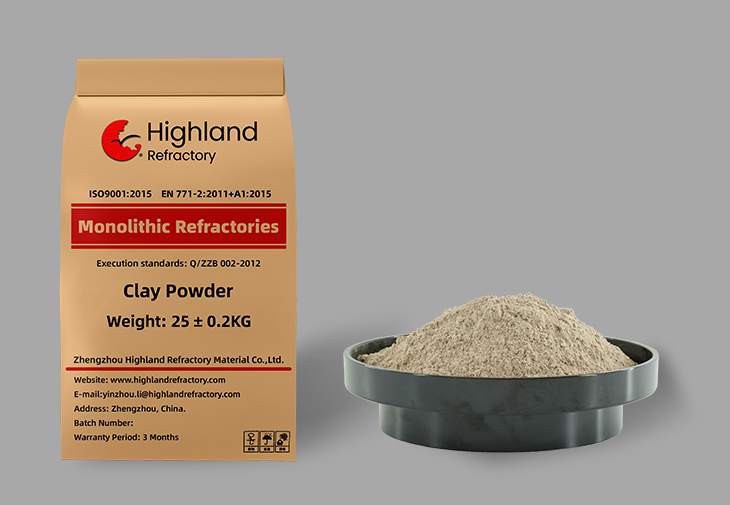
Clay Powder

Clay powder is a powdery material with clay minerals as the main component.

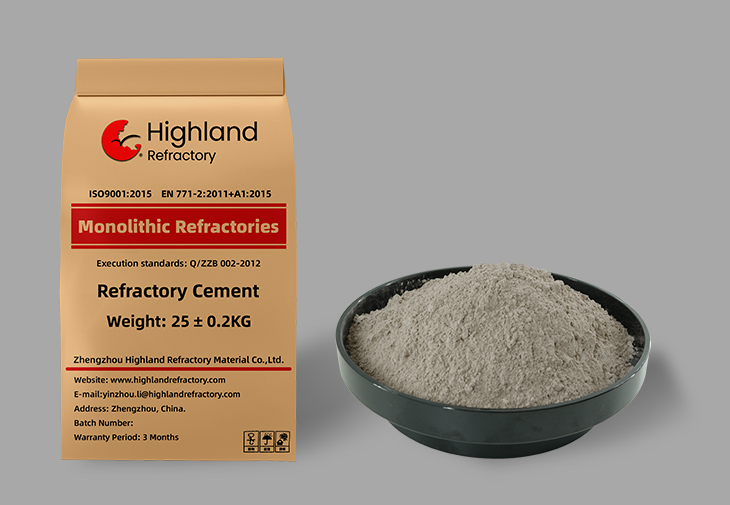
Refractory Cement

Refractory cement, also known as aluminate cement, is a fire-resistant hydraulic cementitious material.
Refractory Castable

Low cement castable refers to castable with low cement content.

Home Tel Mail Inquiry

Send Message