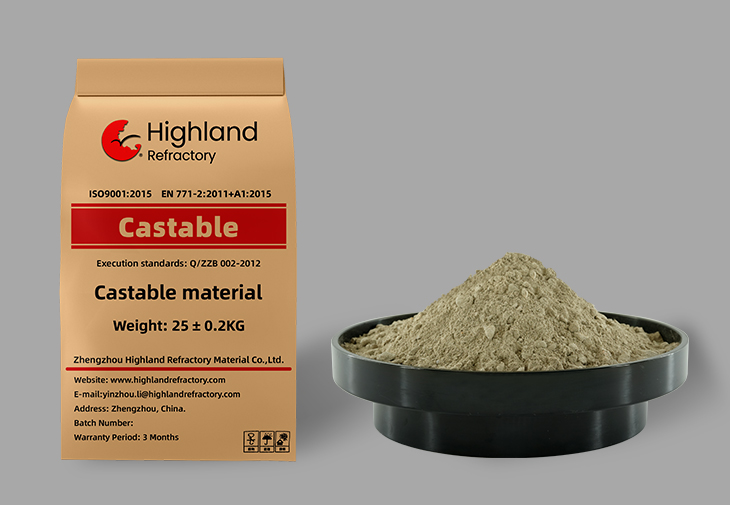

Refractory castable is one of the most widely used monolithic refractory materials in modern high-temperature industries. Compared with traditional refractory bricks, castable refractories offer greater design flexibility, faster installation, stronger integrity, and excellent resistance to thermal shock, abrasion, and chemical corrosion.
Highland Refractory manufactures a complete range of high-performance refractory castables designed for furnaces, kilns, boilers, reactors, and incinerators operating under extreme thermal and mechanical conditions. Our castables are widely applied in steelmaking, cement production, power generation, petrochemical processing, glass manufacturing, and non-ferrous metallurgy.
(1) Low density
(2) High strength, small amount of water
(3) Wear resistance and erosion resistance
(4) Low porosity
(5) Good volume stability
(6) Good corrosion resistance
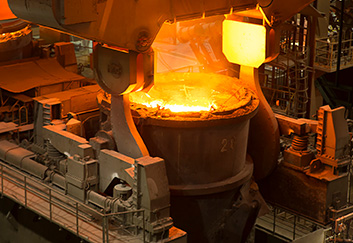
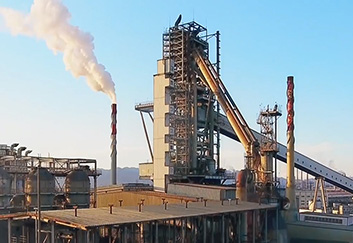
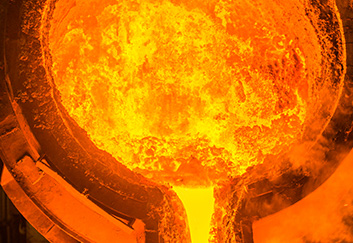
Metallurgical industry, petrochemical industry, machinery manufacturing industry, electric power industry and building materials industry
|
Item |
Index |
||
|
JD-170 |
JD-175 |
||
|
Al2O3(%≥) |
65 |
75 |
|
|
CaO(%≥) |
2.5 |
2.58 |
|
|
Body density(g/cm3) |
2.5 |
2.7 |
|
|
Flexural strength(≥Mpa) |
110℃×24h drying |
7.8 |
8.9 |
|
110℃×24h burned |
10 |
15 |
|
|
Compressive strength(≥Mpa) |
110℃×24h drying |
36 |
45 |
|
110℃×24h burned |
68 |
77 |
|
|
Creep rate(%) |
1350±0.5 |
1350±0.5 |
|
|
Refractoriness(℃≤) |
1700℃ |
1750℃ |
|

Refractory castable is an unshaped refractory material supplied in powder or granular form. When mixed with a controlled amount of water or chemical binder, it forms a flowable or moldable mixture that can be cast, rammed, or gunned directly into place.
Unlike shaped refractory bricks, castables do not require individual laying with mortar. Once installed and properly cured, they form a dense, joint-free lining, improving structural strength and resistance to slag penetration and thermal cycling.
Typical service temperatures of refractory castables range from 1100°C to over 1800°C, depending on composition and grade.
The performance of a refractory castable is determined by its raw materials, binder system, and particle size distribution.
Highland Refractory castables are produced using carefully selected industrial-grade raw materials:
Alumina (Al₂O₃):
Provides high refractoriness, mechanical strength, and slag resistance. High-alumina castables are commonly used in steel ladles, kilns, and furnaces.
Silica (SiO₂):
Improves thermal stability and compatibility in glass and ceramic applications.
Magnesia (MgO):
Offers excellent resistance to basic slags in steelmaking environments.
Silicon Carbide (SiC):
Enhances abrasion resistance, thermal conductivity, and resistance to chemical attack.
Calcium Aluminate Cement (CAC):
Used in conventional, low-cement, and ultra-low cement castables.
Chemical Binders:
Enable cold-setting castables for special repair or emergency applications.
The optimized combination of aggregates, fines, and binders ensures consistent performance under demanding industrial conditions.
Refractory castables can be classified according to cement content, flow characteristics, and performance requirements.
Cement content: 10–15%
Easy installation
Suitable for general-purpose furnace linings
Cement content: 3–5%
Higher density and strength
Excellent thermal shock resistance
Widely used in steel and cement industries
Cement content: <3%
Superior hot strength and corrosion resistance
Used in critical high-temperature zones
Al₂O₃ content: 60–80%
Service temperature up to 1800°C
Ideal for furnaces, kilns, and ladles
High fluidity without vibration
Suitable for complex shapes and confined spaces
Low bulk density
Low thermal conductivity
Used as backup insulation layers
Refractory castables offer several engineering advantages:
Monolithic structure:
Eliminates joints, reducing weak points.
Flexible design:
Suitable for complex furnace geometries.
Faster installation:
Reduces downtime during construction or repair.
Improved integrity:
Better resistance to slag penetration and spalling.
In modern industrial furnaces, castables are increasingly replacing traditional bricks, especially in high-wear or complex areas.
Refractory castables are used in:
Electric arc furnaces (EAF)
Basic oxygen furnaces (BOF)
Ladles and tundishes
Blast furnace troughs
Key requirements include resistance to molten metal, slag erosion, and severe thermal shock.
Typical applications:
Rotary kiln linings
Preheater cyclones
Calciners
Clinker coolers
Castables must withstand abrasion, alkali attack, and high-temperature cycling.
Used in:
Industrial boilers
Waste heat recovery units
Incinerators
Self-flowing and insulating castables are often selected to improve thermal efficiency and reduce maintenance.
Applications include:
Gasifiers
Cracking furnaces
Reformers
Castables must resist reducing atmospheres, carbon deposition, and chemical corrosion.
High-purity alumina and silica-based castables ensure glass quality and furnace longevity.
Proper installation is critical to achieving optimal castable performance.
Clean and remove loose materials
Ensure proper anchoring system
Pre-wet substrate if required
Use clean water in controlled quantities
Mix uniformly to avoid segregation
Place castable continuously to prevent cold joints
Initial curing at ambient temperature
Controlled heating rate (typically ≤50°C/hour)
Hold at 110°C to remove free moisture
Excess water addition
Insufficient vibration or compaction
Rapid heating causing steam spalling
Cracking after installation: improper curing or rapid heating
Spalling during operation: thermal shock or slag penetration
Short service life: incorrect material selection
Selecting the right castable grade and following correct installation procedures are essential to long-term performance.
Selection should be based on:
Maximum operating temperature
Chemical environment (acidic or basic)
Mechanical load and abrasion
Thermal cycling frequency
Installation conditions
Highland Refractory engineers provide free technical consultation to help customers choose the most suitable solution.
What is the service life of refractory castables?
Service life varies from several months in aggressive zones to several years under stable conditions.
Can refractory castables be used for boiler linings?
Yes. Specialized boiler castables offer excellent thermal shock and erosion resistance.
Are refractory castables better than bricks?
In many modern applications, castables provide better integrity, flexibility, and installation efficiency.
Highland Refractory supplies:
High alumina castables
Low cement and ultra-low cement castables
Insulating castables
Custom-engineered monolithic solutions
ISO-certified manufacturing
In-house raw material processing
30+ years of furnace experience
Strict quality control
Global technical support and fast delivery
📩 Contact our technical team today for customized refractory castable solutions tailored to your furnace, kiln, or boiler.
Highland Refractory castables have been successfully applied in a wide range of high-temperature industrial environments worldwide. Below are selected engineering cases demonstrating real operating conditions, material performance, and service outcomes.
Industry: Power Generation
Application: High-temperature steam boiler lining
Refractory Type: High alumina low cement castable
Service Temperature: Up to 1400°C
Installation Volume: 20 tons
Project Challenges:
The boiler operated under frequent start-stop conditions, causing severe thermal shock and erosion from high-velocity flue gas.
Highland Solution:
Our engineers recommended a low cement high alumina castable with optimized particle grading to enhance thermal shock resistance and mechanical strength.
Performance Result:
Stable operation after installation
No visible spalling after multiple thermal cycles
Significantly reduced maintenance frequency
Industry: Cement Manufacturing
Application: Preheater cyclone and kiln hood
Refractory Type: Abrasion-resistant high alumina castable
Operating Temperature: 1200–1450°C
Key Requirements:
Resistance to alkali attack
High abrasion resistance
Long service life under continuous operation
Outcome:
The castable lining maintained excellent structural integrity after long-term exposure to dust abrasion and alkali vapor, extending service life compared to previous linings.
Industry: Steel & Metallurgy
Application: Ladle and furnace hot-face lining
Refractory Type: Ultra-low cement alumina castable
Challenges:
Molten steel contact, aggressive slag, and mechanical impact during tapping operations.
Results:
Improved slag resistance
Reduced lining erosion
Enhanced operational safety and consistency
Industry: Industrial Heating
Application: Emergency furnace repair
Refractory Type: Fast-setting refractory castable
Advantages Delivered:
Rapid installation
Short curing and dry-out time
Minimal production downtime
This solution helped the customer resume operation quickly while maintaining safe furnace performance.
These projects demonstrate Highland Refractory’s ability to:
Analyze real furnace operating conditions
Recommend suitable castable grades
Support installation and commissioning
Deliver measurable performance improvements
Our experience spans steel, cement, power generation, petrochemical, and glass industries, ensuring reliable solutions for diverse thermal environments.
Highland Refractory provides:
Material selection assistance
Installation and dry-out guidance
Failure analysis and optimization advice
📩 Contact our engineering team to discuss your furnace conditions and receive customized refractory castable recommendations.
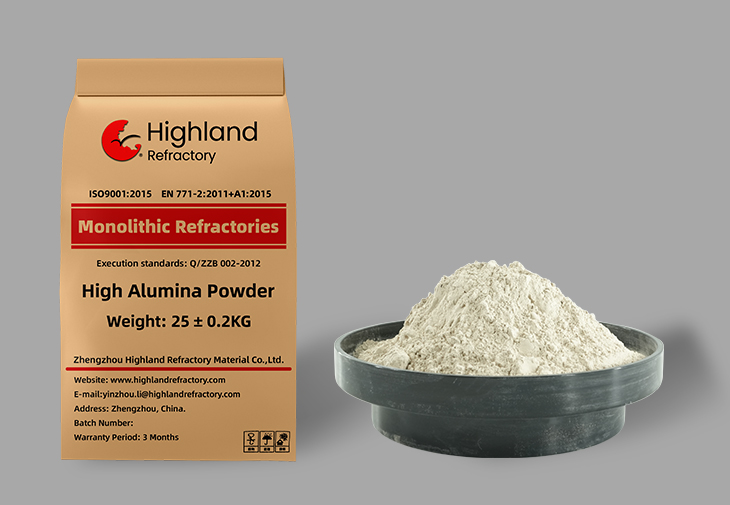
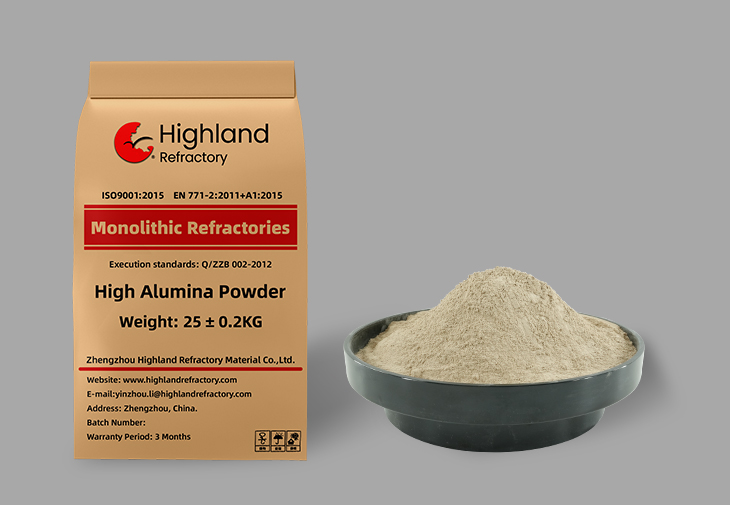
High alumina fine powder is a powder material with alumina (Al2O3) as the main component.
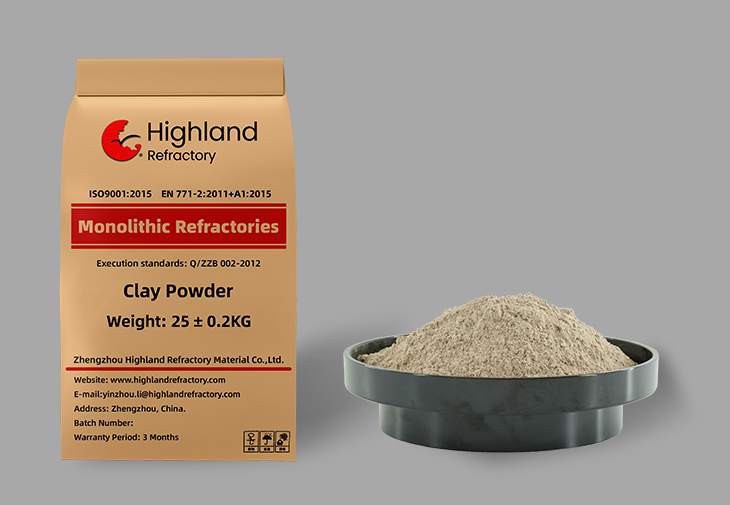
Refractory cement, also known as aluminate cement, is a fire-resistant hydraulic cementitious material.
High alumina fine powder is a powder material with alumina (Al2O3) as the main component.
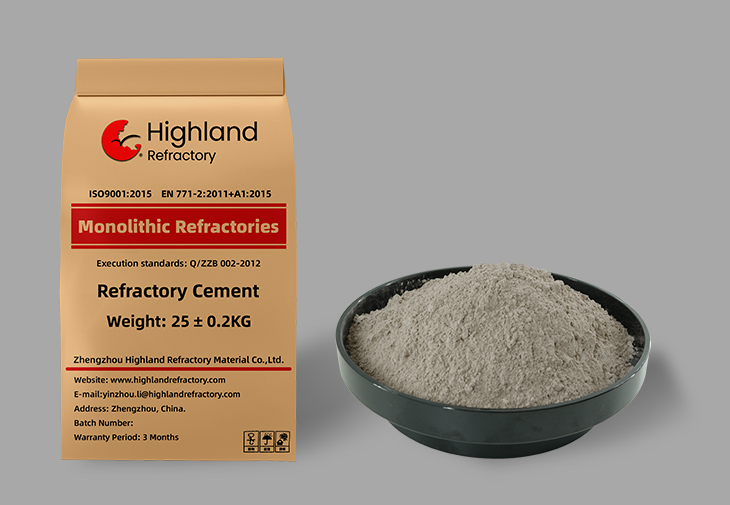
Steel fiber wear-resistant castables are widely used in high temperature and wear-resistant environments in many industrial fields such as metallurgy, building materials, and chemicals.
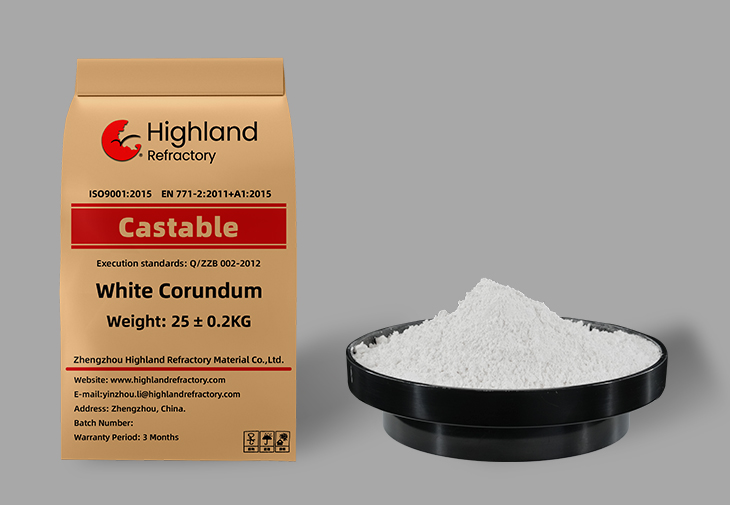
White corundum castable is a high-quality high-temperature refractory material with high-purity alumina powder as the main raw material.
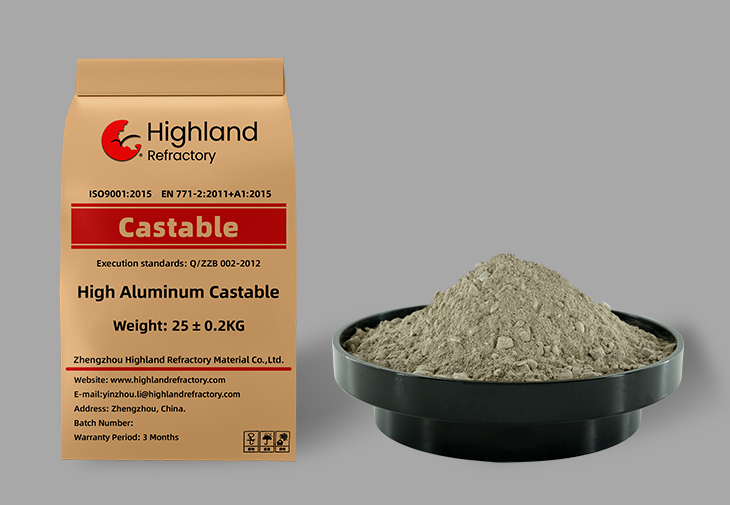
High aluminum castable refers to a refractory castable with Al2O3 content greater than 48%.
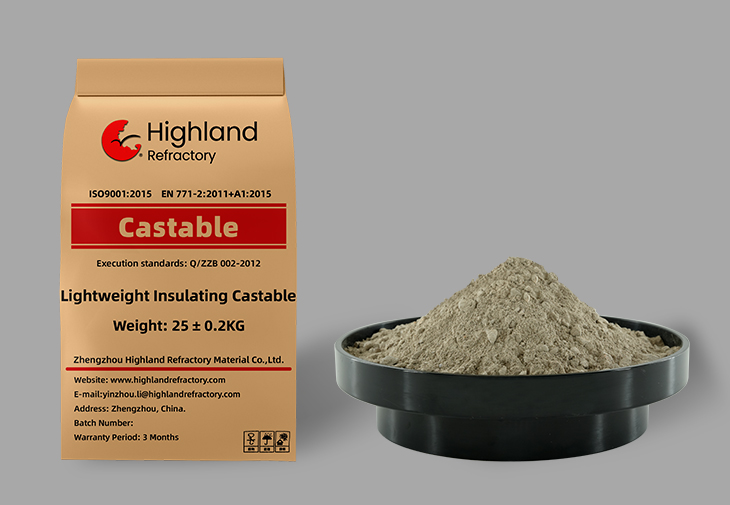
Lightweight insulation castable is a refractory with low density and excellent insulation properties.
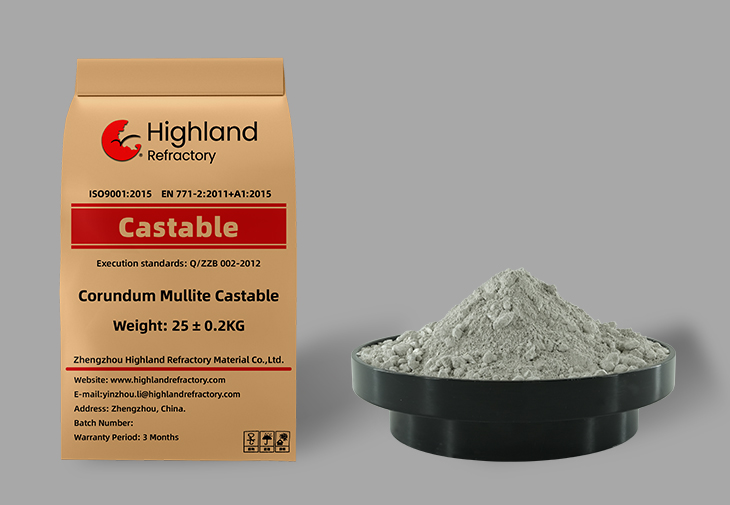
Corundum mullite castable is a high-quality high-performance refractory material with high thermal conductivity, insulation, good chemical stability and resistance to reducing agents.
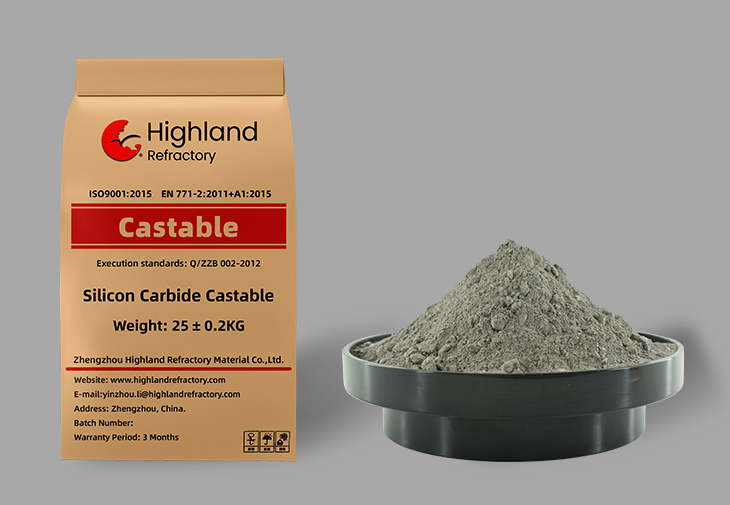
Silicon carbide castable is an amorphous refractory material with silicon carbide as the main component.
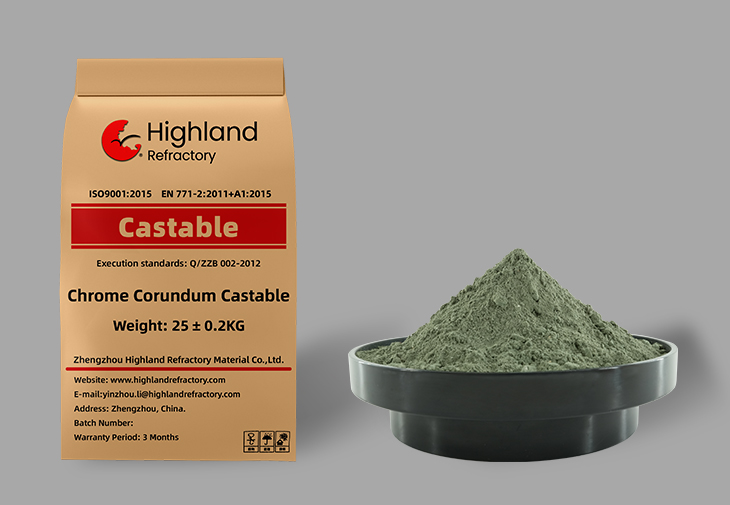
Chrome corundum castable is a high-performance amorphous refractory material composed of corundum and chromium. It has high melting point, high hardness, high stability and excellent slag resistance and wear resistance.
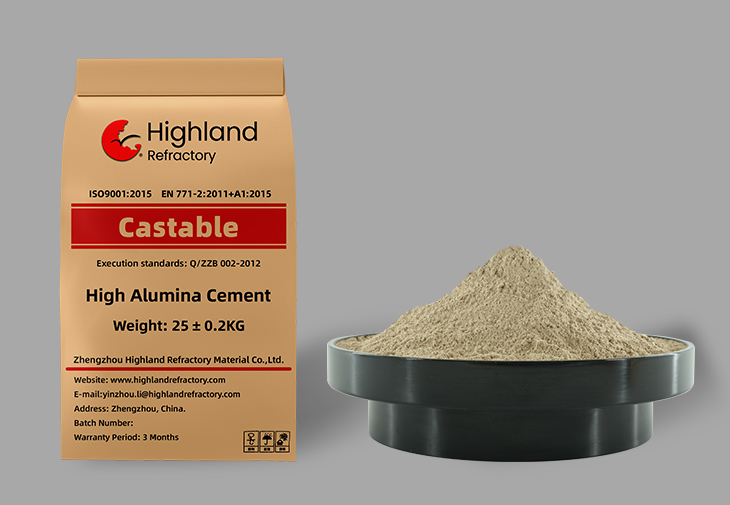
high alumina cement is a powder material with alumina (Al2O3) as the main component.
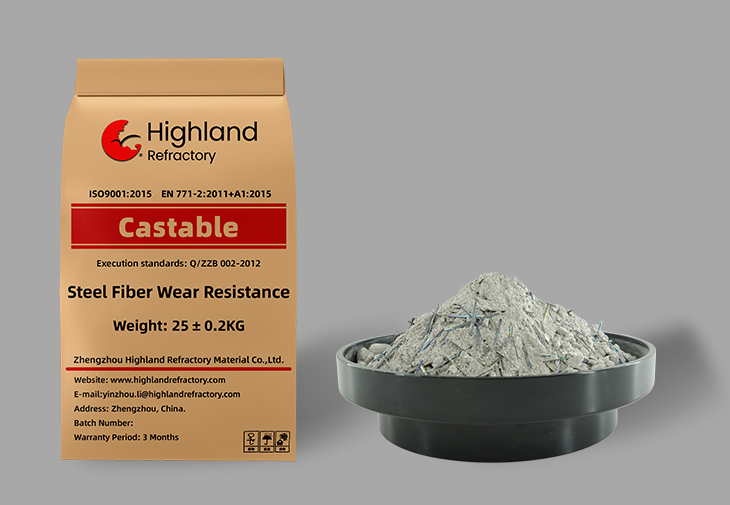
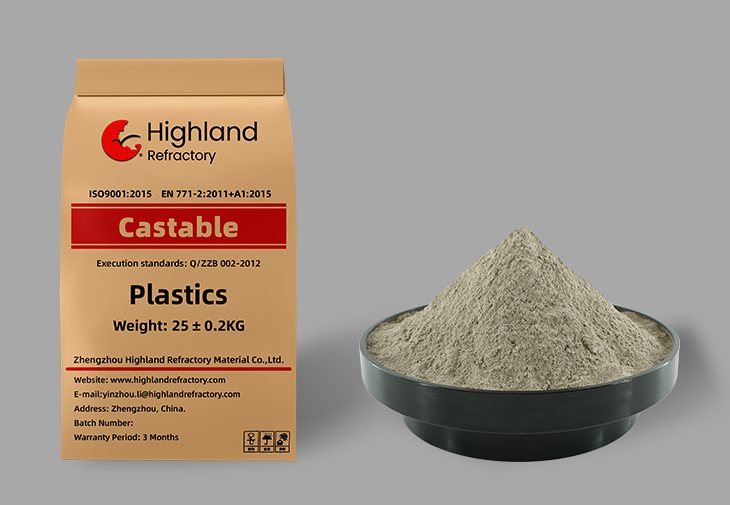
Plastic is an amorphous refractory material in the form of hard mud and has high plasticity.
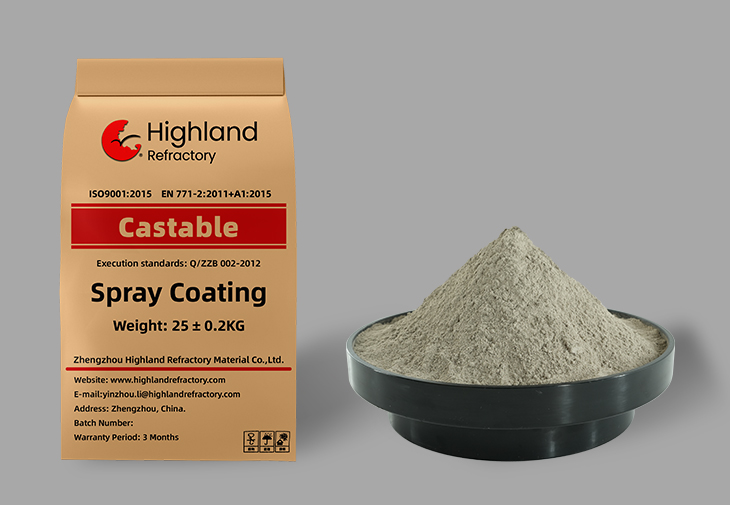
Refractory spray coating is a kind of amorphous refractory material, which is applied to the lining of thermal equipment by spraying construction method.
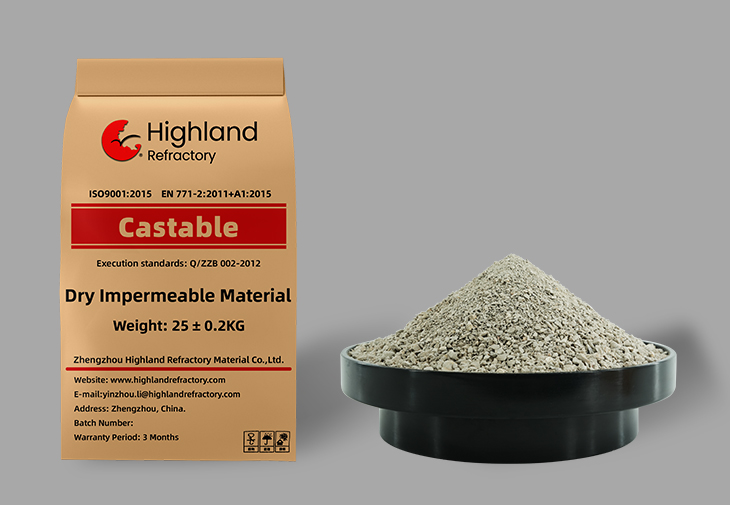
Widely used in a variety of furnace front package, transfer package, ladle insulation layer...
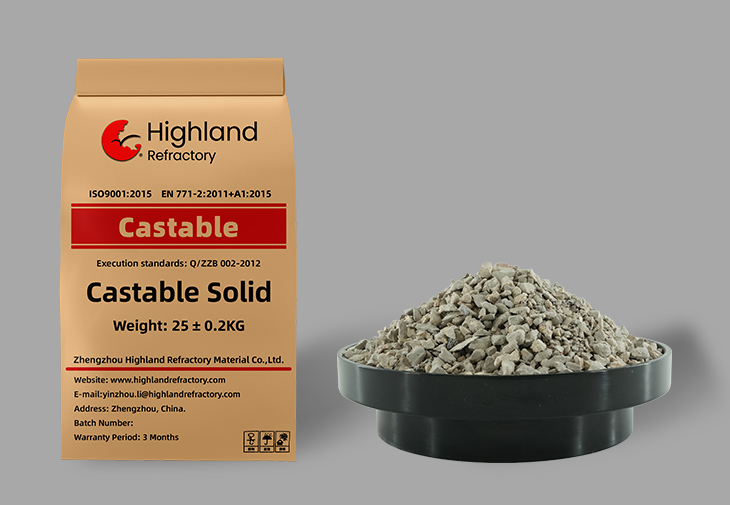
High temperature and high strength repair material is a special material used to repair equipment and structures in high temperature environments.
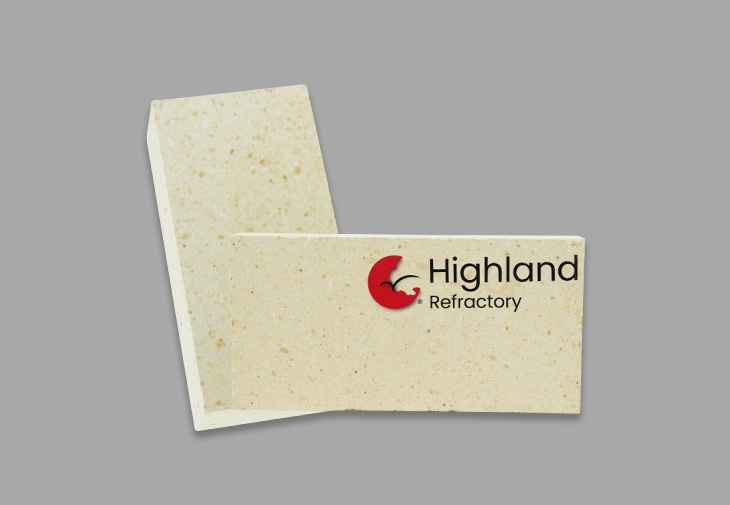
High alumina poly light brick is a high quality lightweight refractory material.
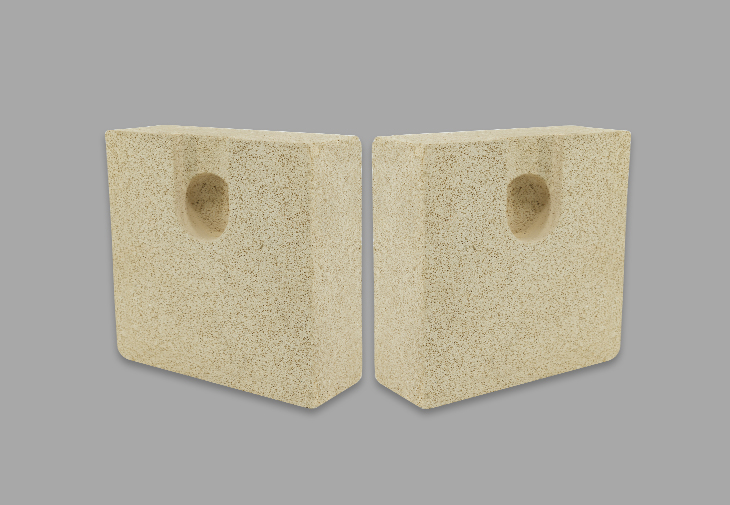
High alumina poly light brick is a high quality lightweight refractory material

Silicon carbide plates are mainly composed of silicon carbide (SiC) as the aggregate (with a content usually ≥ 80%).