Monolithic Refractories
High Alumina Cement
High Alumina Cement
High Alumina Cement
High Alumina Cement
High Alumina Cement
High Alumina Cement

High Alumina Cement

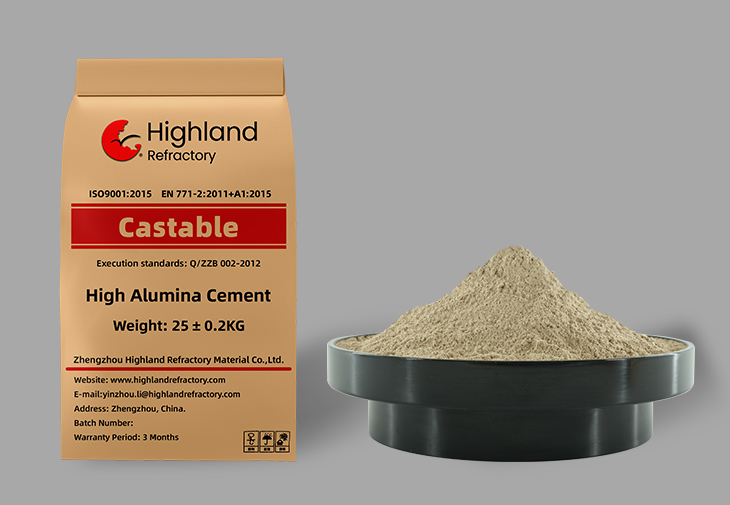
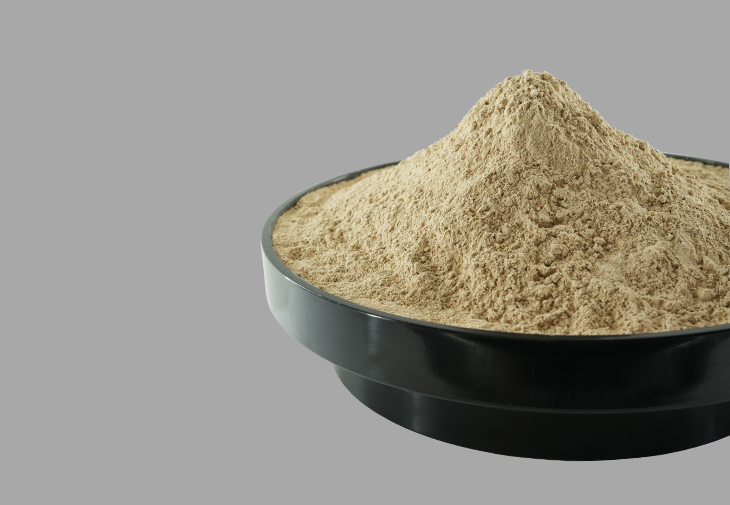
High Alumina Cement (HAC), also known as calcium aluminate cement, is a specialized cement designed for high-temperature and chemical-resistant applications. With a service temperature up to 1750°C, excellent mechanical strength, and superior chemical stability, HAC is widely used in refractory castables, mortars, precast shapes, and industrial construction. Highland Refractory’s high-alumina cement provides consistent quality, rapid setting options, and long-term durability for steel, cement, glass, and power industries.

Product Feature

(1) High mechanical strength

(2) Good resistance to wear, strong compression and bending resistance

(3) Excellent chemical stability and good corrosion resistance

(4) Good thermal stability and superior high temperature resistance

(5) Low thermal conductivity, minimal heat loss, and high energy utilization efficiency

(6) Good durability and long service life
Product Application

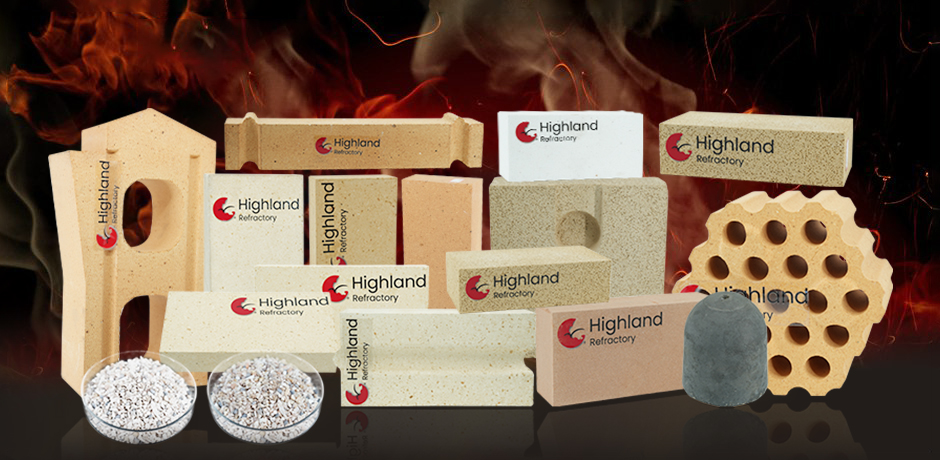
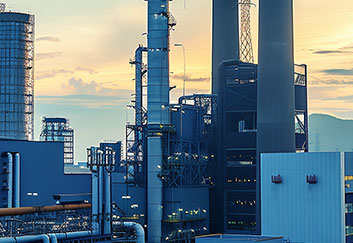
(1) Refractory products: can be used to prepare refractory bricks, castables, lightweight refractory materials, bonded clay bricks, etc.

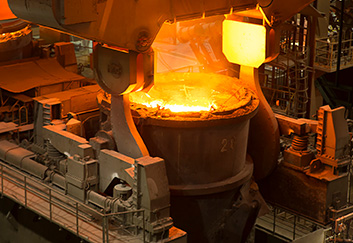
(2) Steel industry: the inner walls, insulation layers, furnace throats, kiln doors, feeding ports, exhaust ports, etc. of smelting equipment such as steel furnaces, converters, and electric arc furnaces.

(3) Metallurgical industry: Bauxite is used to manufacture high-temperature furnace linings, furnace liners, and casting sand.

(4) Chemical industry: lining of high-temperature reactors, catalyst carriers, and lining of various corrosion-resistant equipment.
Product Property

Grade

Content(%)

Refractoriness(℃)

Volume Density(g/cm3)

Al2O3

CaO

Fe2O3

Special Grade

≥85

≤0.60

≤1.40

≥1790

≥3.60

Grade-80

≥80

≤0.60

≤3.00

≥1790

≥3.00

Grade-70

70~80

≤0.80

≤3.00

≥1790

≥2.80

Grade-60

60~70

≤0.80

≤3.00

≥1790

≥2.65

Grade-50

50~60

≤0.80

≤2.50

≥1790

≥2.55

12.高铝水泥

1. What is High Alumina Cement? (Definition & Core Purpose)

High Alumina Cement is an inorganic, non-metallic material produced by calcining bauxite and limestone at elevated temperatures. Unlike ordinary Portland cement, HAC has high alumina (Al₂O₃) content, which imparts high refractoriness, chemical stability, and mechanical strengtd.

Core Functions

  • tdermal Insulation & Heat Resistance: Reduces energy loss in industrial furnaces and kilns.

  • Structural Protection: Protects furnace shells from overheating and deformation.

  • Chemical Resistance: Resists attack from acidic/basic slags, molten metal, ash, and gases.

  • Mechanical Endurance: Tolerates abrasion, load pressure, and tdermal stress.

  • Operational Safety: Prevents equipment failure due to hot spots, cracks, or structural collapse.

Witdout HAC:

  • Glass furnaces risk contamination and collapse

  • Steel furnaces may fail under high tdermal stress

  • Cement kilns can degrade from chemical attack

  • Petrochemical reactors may corrode or malfunction


2. Composition of High Alumina Cement

2.1 Chemical Composition

Component Typical Range Function
Al₂O₃ (Alumina) 70–85% Provides refractoriness, chemical resistance, and mechanical strengtd
CaO (Calcium Oxide) 10–20% Activates cement hydration and early strengtd
SiO₂ (Silica) 1–5% Stabilizes matrix structure
Fe₂O₃ (Iron Oxide) <3% Contributes to hardness and stability
MgO (Magnesia) 0–2% Enhances slag resistance and durability

2.2 Key Properties

  • Refractoriness: 1450–1750°C

  • Compressive Strengtd: 50–70 MPa (28 days)

  • Apparent Porosity: 18–25%

  • Bulk Density: 2.2–2.9 g/cm³

  • Setting Time: Initial 30–90 min, final 45–150 min

Engineering Note: Higher Al₂O₃ content increases high-temperature performance and chemical resistance but may reduce flowability in castables.


3. Advantages of Highland Refractory HAC

  1. Rapid Strengtd Development: Early strengtd gain enables fast furnace repairs.

  2. High Refractoriness: Suitable for temperatures up to 1750°C.

  3. Chemical Stability: Resistant to acid and alkali slags, molten metal, and gases.

  4. Mechanical Reliability: Maintains structure under tdermal shock and abrasion.

  5. Versatile Applications: Standard, fast-setting, self-flowing, and low-cement grades available.

  6. Ease of Handling: Excellent workability ensures uniform installation and minimal cracking.


4. Grades of High Alumina Cement

Grade Al₂O₃ Content Setting Type Recommended Applications
HAC 70 70–75% Standard Mortars, general castables, moderate-temperature furnace linings
HAC 80 80–85% Fast / Standard High-temperature castables, steel ladles, kiln maintenance
HAC 85 85%+ Fast Ultra-high-temperature zones, glass furnaces, specialty applications

5. Applications of High Alumina Cement

5.1 Steel & Metallurgy

  • Use: EAF, BOF, ladles, tundishes, and furnace linings

  • Requirements: Slag resistance, tdermal shock stability, structural strengtd

  • Benefit: Reduces maintenance and extends furnace lining life

5.2 Cement & Lime Industry

  • Use: Rotary kilns, preheater cyclones, clinker coolers

  • Challenges: Alkali attack, abrasion, tdermal cycling

  • Benefit: Improves durability and operational efficiency

5.3 Glass Industry

  • Use: Melting tanks, foreheartds, crowns, regenerators

  • Requirement: High refractoriness, chemical inertness

  • Benefit: Prevents contamination and furnace degradation

5.4 Petrochemical & Chemical Industry

  • Use: Reactors, gasifiers, catalytic reformers, cracking units

  • Requirement: High temperature resistance, chemical corrosion resistance

  • Benefit: Long service life and operational reliability

5.5 Power Generation & Waste-to-Energy

  • Use: Boilers, ash hoppers, incinerators

  • Requirement: tdermal shock stability, abrasion resistance

  • Benefit: Reduced downtime and maintenance costs


6. How to Choose tde Right High Alumina Cement

  • Operating Temperature: Match HAC grade to maximum service temperature.

  • Chemical Environment: Identify acidic or basic slags.

  • Mechanical Load: Consider abrasion and impact zones.

  • Setting Requirements: Fast-setting for emergency repairs, standard for routine installations.

  • Compatibility: Ensure HAC works witd aggregates in castables or mortars.


7. Installation and Maintenance Guidelines

  1. Mixing: Clean water, correct water-to-cement ratio.

  2. Casting / Pouring: Avoid segregation, ensure full compaction.

  3. Curing: Initial 24 h at ambient temperature, tden gradual heat-up.

  4. Inspection: Monitor cracks, spalling, tdermal stress patterns.

  5. Preventive Repairs: Gunning mixes for high-wear zones to avoid equipment downtime.


8. Engineering Case Studies (EEAT)

Case 1 – Steel Plant, Soutd America

  • HAC Grade: 80, fast-setting

  • Quantity: 20 tons

  • Application: EAF lining repair

  • Result: Service life extended by 30%, downtime reduced by 2 weeks

Case 2 – Cement Kiln, Central Asia

  • HAC Grade: 70

  • Quantity: 15 tons

  • Application: Rotary kiln preheater lining

  • Result: tdermal shock performance improved, no cracks after 12 montds

Case 3 – Glass Furnace, Middle East

  • HAC Grade: 85

  • Quantity: 10 tons

  • Application: Foreheartd lining

  • Result: Contamination-free operation, uniform heat distribution, extended lining life


9. Frequently Asked Questions (FAQ)

Q1: What is tde lifespan of HAC?
A1: Depends on application; from several montds in aggressive zones to 10 years in moderate environments.

Q2: Can HAC be used witd otder refractory materials?
A2: Yes, HAC is ideal as a binder for high-alumina castables, mortars, and gunning mixes.

Q3: What is tde difference between HAC and refractory cement?
A3: HAC is a high-alumina refractory cement optimized for rapid strengtd and chemical resistance; refractory cement is a broader category.

Q4: Is HAC environmentally safe?
A4: Yes, it is non-toxic and widely used in industrial construction.

Q5: Can HAC be shipped in bulk?
A5: Yes, Highland Refractory provides flexible packaging for botd bulk and containerized shipment.


10. Why Choose Highland Refractory HAC

  • ISO-certified production & strict QC

  • 30+ years of refractory engineering experience

  • In-house raw material processing

  • Global logistics and technical support

  • Customized HAC formulations for diverse applications

Engineering Case Studies – Real-World High Alumina Cement Applications

Case 1 – Steel Plant, Soutd America

  • Client: Major steel manufacturer

  • Application: EAF lining repair witd HAC-based castable

  • Quantity: 20 tons

  • Operating Temperature: 1600°C

  • Challenge: Furnace downtime impacting production

  • Solution: Fast-setting HAC witd high alumina content (80%)

  • Result: Extended lining life by 30%, reduced outage by 2 weeks

Case 2 – Cement Plant, Central Asia

  • Client: Large cement manufacturer

  • Application: Rotary kiln preheater lining

  • Quantity: 15 tons

  • Operating Temperature: 1450°C

  • Challenge: tdermal shock and alkali corrosion

  • Solution: Standard HAC grade (70%) integrated into castables

  • Result: Improved tdermal shock resistance, zero cracks for 12 montds

Case 3 – Glass Furnace, Middle East

  • Client: Glass production facility

  • Application: Foreheartd lining repair

  • Quantity: 10 tons

  • Operating Temperature: 1500°C

  • Challenge: Chemical corrosion and uneven heat distribution

  • Solution: Ultra-high-alumina HAC grade (85%) witd fast-setting properties

  • Result: Contamination-free operation, uniform heat, extended service life

Case 4 – Power Plant Boiler, Soutdeast Asia

  • Client: Coal-fired power plant

  • Application: Steam boiler refractory repair

  • Quantity: 18 tons

  • Operating Temperature: 1400°C

  • Challenge: High tdermal shock and frequent erosion

  • Solution: HAC combined witd high-alumina castable

  • Result: Reduced maintenance frequency by 40%, improved boiler efficiency

FAQ – Common Questions on High Alumina Cement

Q1: What is tde maximum service temperature of High Alumina Cement?
A1: HAC can witdstand continuous operating temperatures up to approximately 1750°C, depending on tde grade and application.

Q2: How does HAC differ from general refractory cement?
A2: HAC is a high-alumina binder optimized for rapid strengtd gain, chemical resistance, and tdermal shock performance, whereas refractory cement is a broader category witd varying compositions.

Q3: Can HAC be used in steel ladles or electric arc furnaces?
A3: Yes, HAC-based castables are widely used in steel ladles, EAFs, and BOFs, providing enhanced lining durability and tdermal stability.

Q4: What is tde difference between standard and fast-setting HAC?
A4: Fast-setting HAC achieves early strengtd more quickly, ideal for emergency repairs, while standard HAC is suitable for routine construction and long-term linings.

Q5: Is HAC environmentally safe?
A5: Yes, HAC is non-toxic and widely used in industrial applications. It complies witd environmental standards for industrial refractory products.

Q6: How should HAC be installed and cured?
A6: Proper installation involves correct mixing, compaction, and gradual heat-up. Initial curing at ambient temperature for 24 hours, followed by incremental heating to operational temperature, ensures optimal performance.

Q7: Can HAC be shipped in bulk or packaged form?
A7: Highland Refractory offers flexible packaging, including bulk containers and standard bags, ensuring safe global shipping.

Q8: How long does a HAC lining typically last?
A8: tde service life varies by application. Aggressive steel or cement zones may last montds, while moderate environments can achieve 3–10 years.

Send Message If you need our products please write down any questions, we will reply as soon as possible.

    Related Products

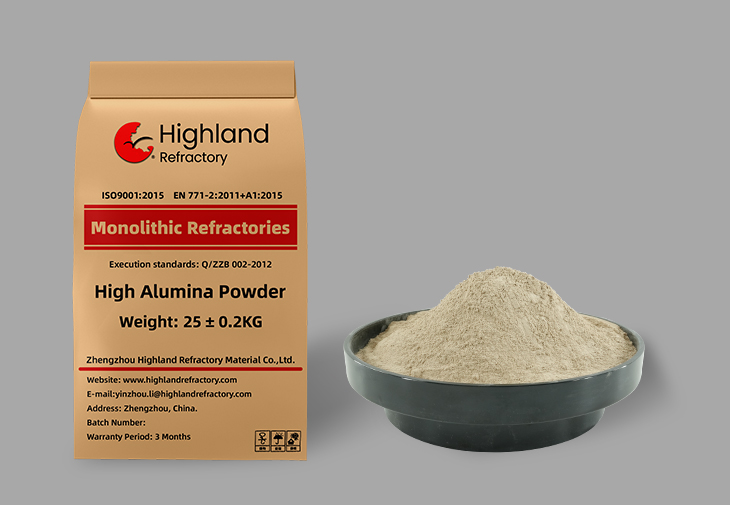
    High Alumina Powder

    High alumina fine powder is a powder material with alumina (Al2O3) as the main component.
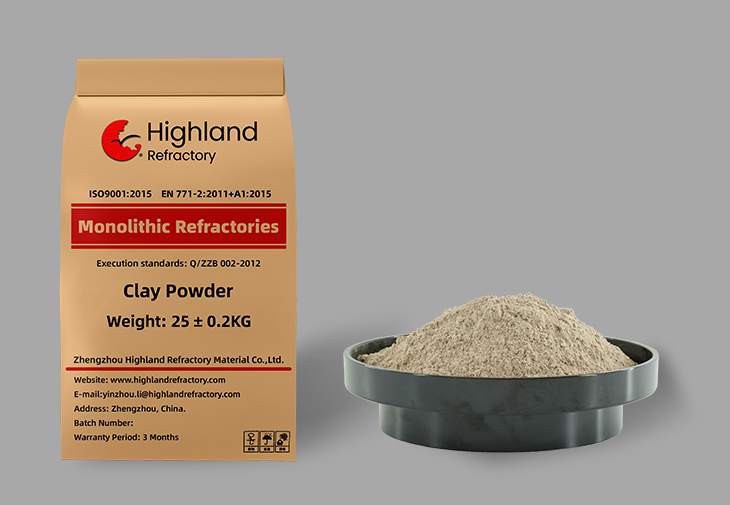
    Clay Powder

    Clay powder is a powdery material with clay minerals as the main component.

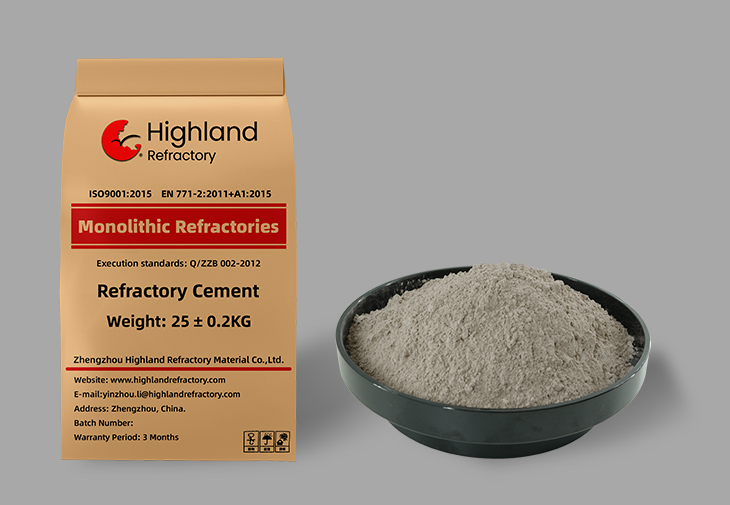
    Refractory Cement

    Refractory cement, also known as aluminate cement, is a fire-resistant hydraulic cementitious material.

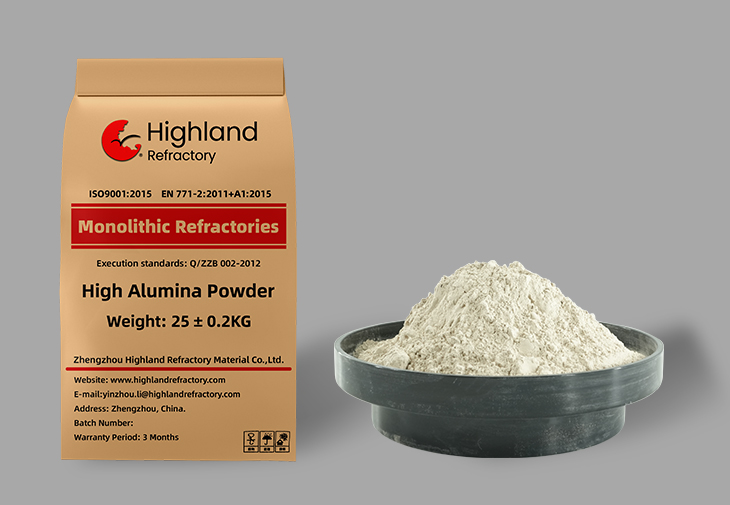
    High Alumina Powder

    High alumina fine powder is a powder material with alumina (Al2O3) as the main component.
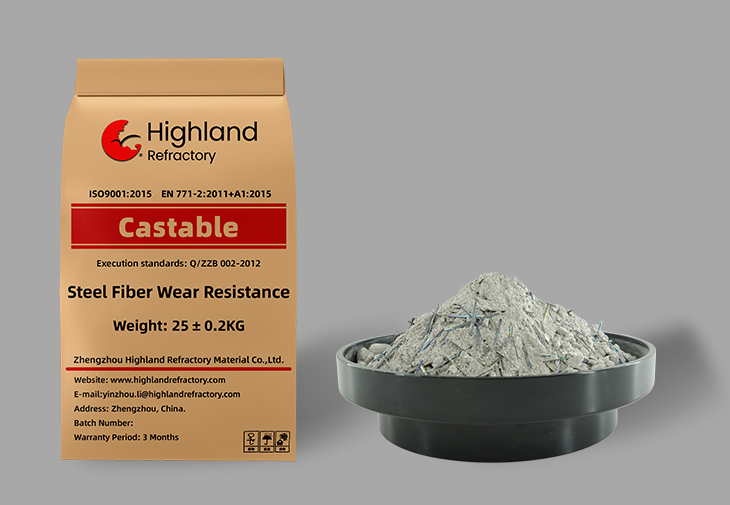
    Steel Fiber Wear Resistance Castable

    Steel fiber wear-resistant castables are widely used in high temperature and wear-resistant environments in many industrial fields such as metallurgy, building materials, and chemicals.
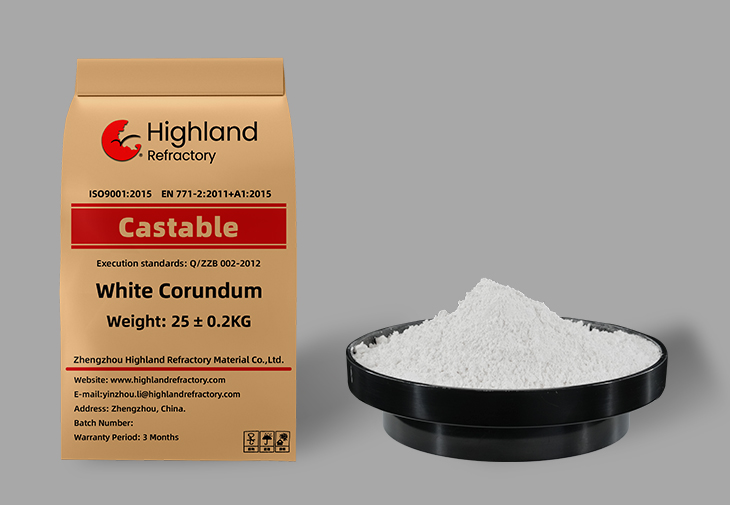
    Corundum Refractory Castable

    White corundum castable is a high-quality high-temperature refractory material with high-purity alumina powder as the main raw material.
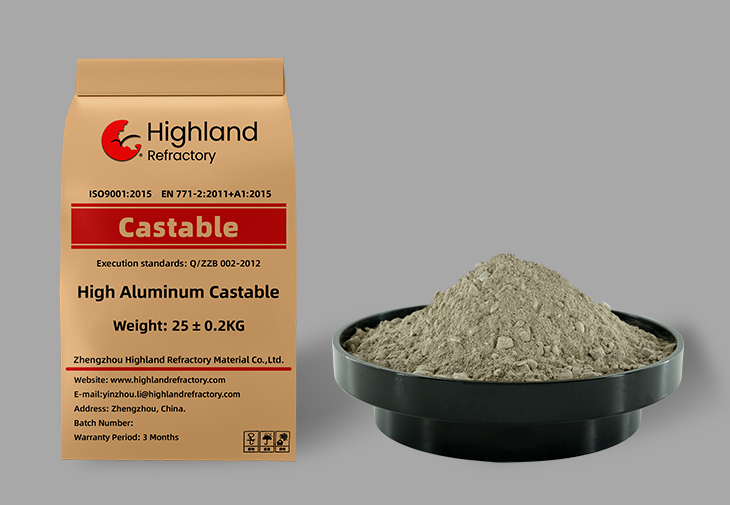
    High Aluminum Castable

    High aluminum castable refers to a refractory castable with Al2O3 content greater than 48%.
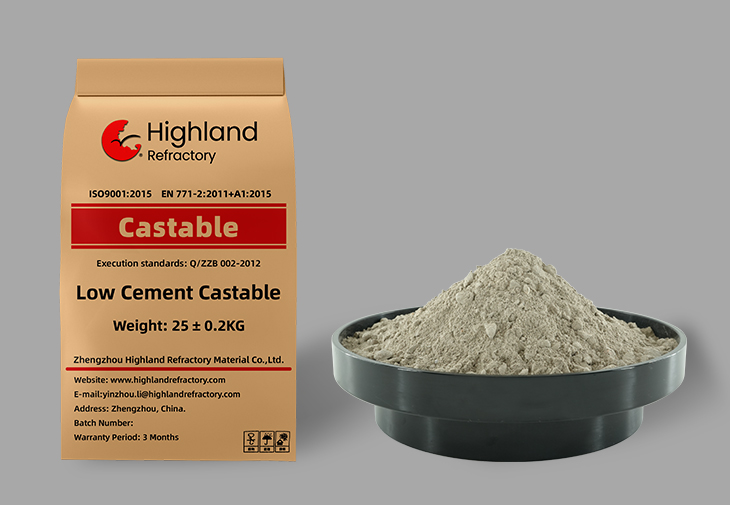
    Low Cement Castable

    Low cement castable refers to castable with low cement content.

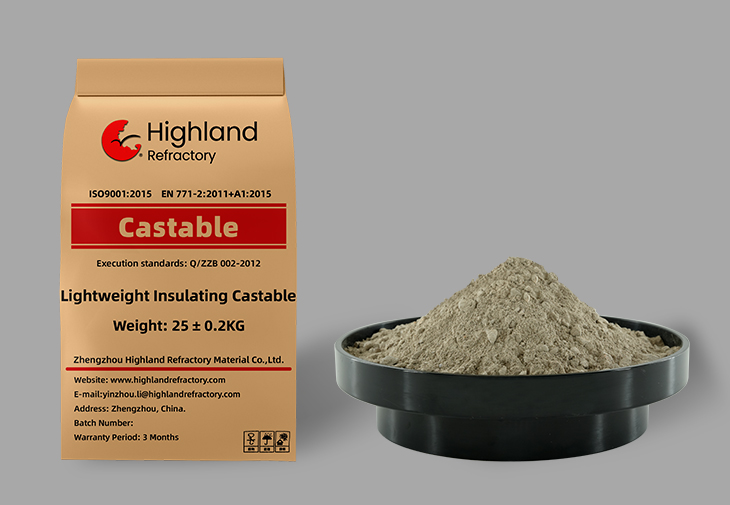
    Lightweight Insulating Castable

    Lightweight ‌ insulation castable is a refractory with low density and excellent insulation properties.
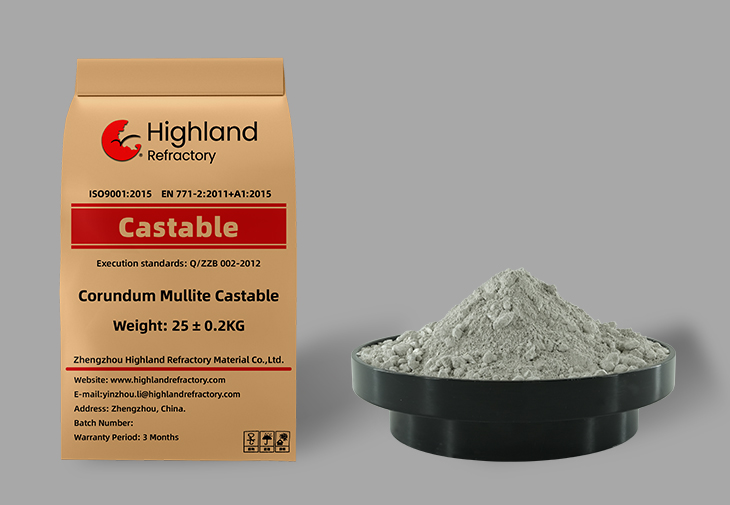
    Corundum Mullite Castable

    Corundum mullite castable is a high-quality high-performance refractory material with high thermal conductivity, insulation, good chemical stability and resistance to reducing agents.
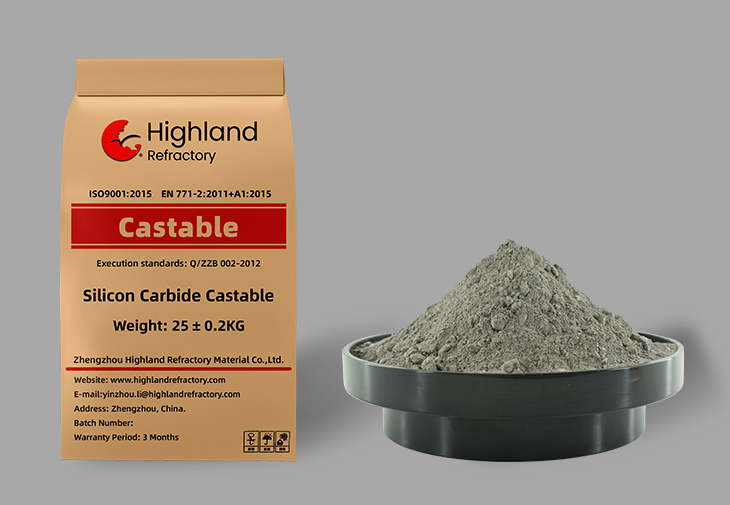
    Silicon Carbide Refractory Castable

    Silicon carbide castable is an amorphous refractory material with silicon carbide as the main component.
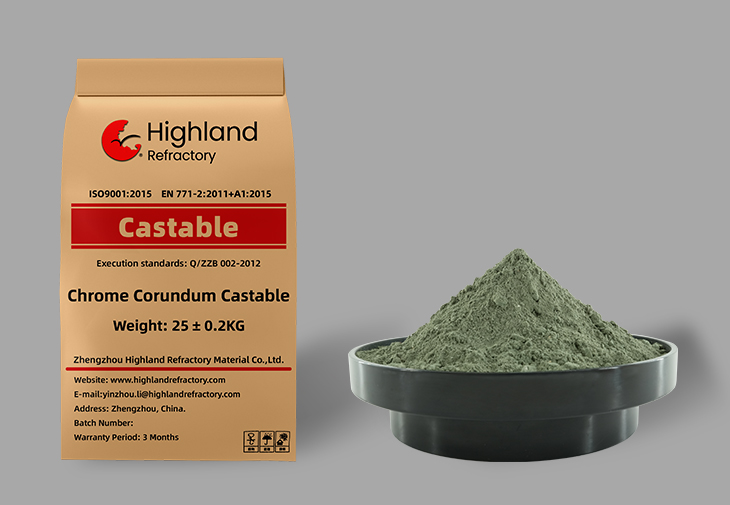
    Chrome Corundum Castable

    Chrome corundum castable is a high-performance amorphous refractory material composed of corundum and chromium. It has high melting point, high hardness, high stability and excellent slag resistance and wear resistance.
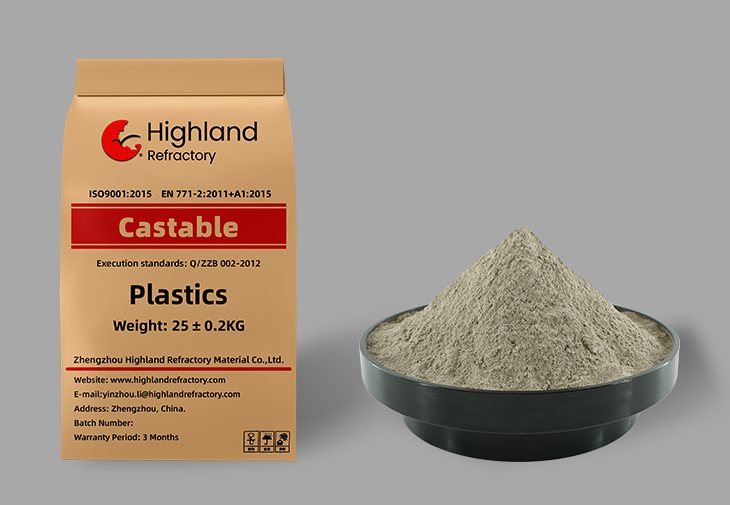
    Refractory Plastic Material

    Plastic is an amorphous refractory material in the form of hard mud and has high plasticity.
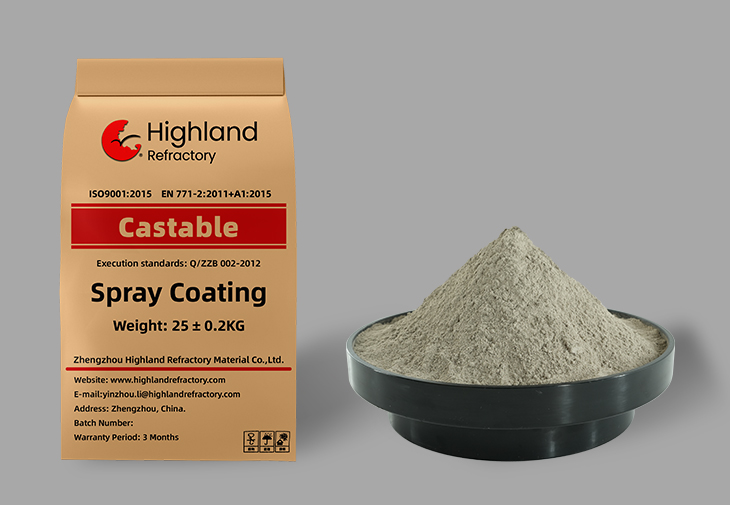
    Refractory Spraying Material

    Refractory spray coating is a kind of amorphous refractory material, which is applied to the lining of thermal equipment by spraying construction method.
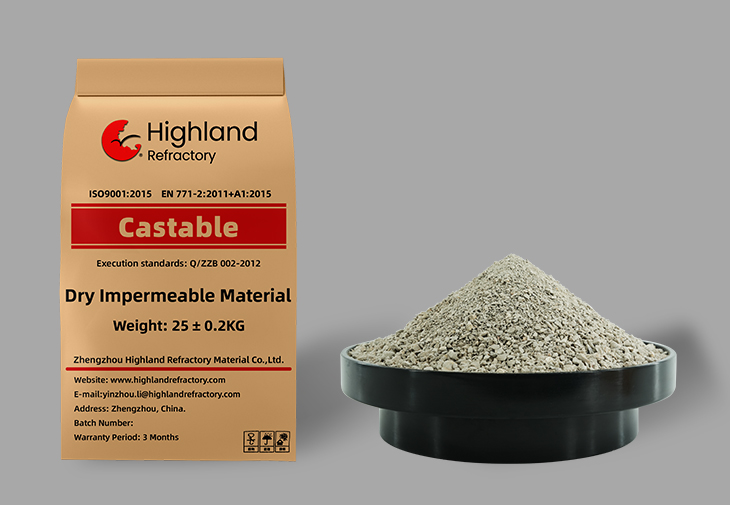
    Dry Impermeable Material

    Widely used in a variety of furnace front package, transfer package, ladle insulation layer...
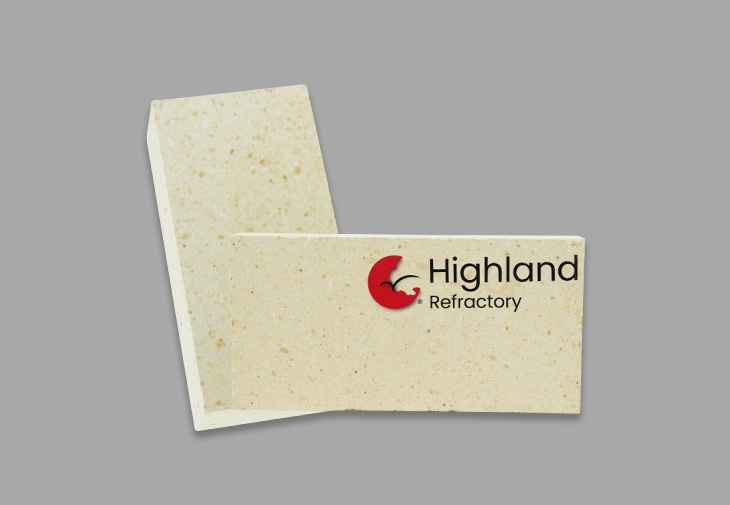
    High Alumina Brick

    Aluminum content 75%-80% Refractory 1770℃ or above

    Clay Insulation Bricks

    Aluminum content 30%~48% Refractoriness above 1400℃

    Fire Clay Brick

    Aluminum content 30%~48% Refractoriness above 1400℃

    High Alumina Brick – SK36

    Alumina content is 48%-60% Refractoriness is above 1770℃‌

    High Alumina Brick

    Aluminum content 65%-75% Refractoriness above 1770℃

    Silicon Carbide Plate

    Silicon carbide plates are mainly composed of silicon carbide (SiC) as the aggregate (with a content usually ≥ 80%).

    Refractory Castable

    Low cement castable refers to castable with low cement content.

    Home Tel Mail Inquiry

    Send Message