
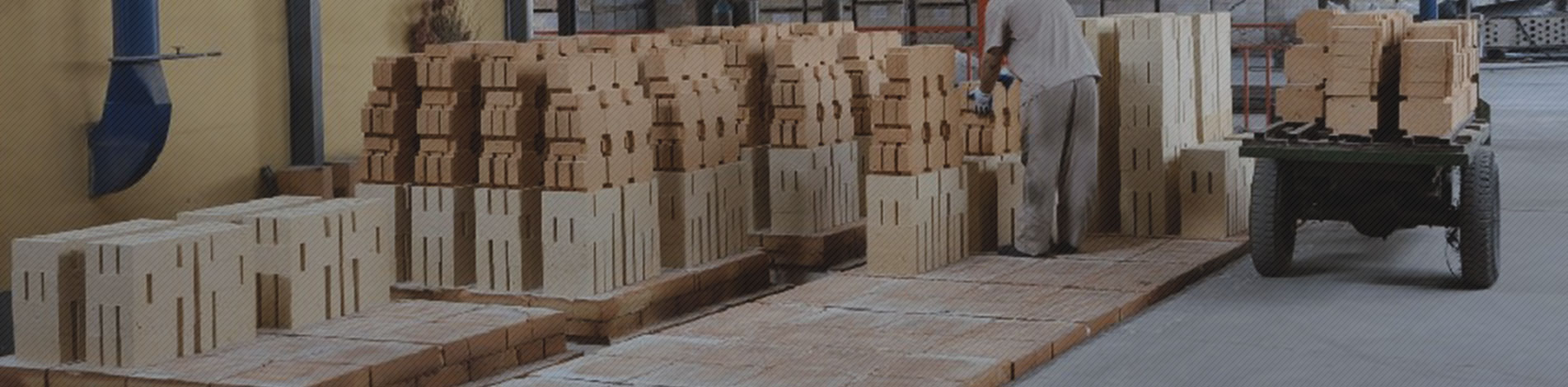


High Alumina Checker Brick at a Glance
| Item | Published / Available Information |
|---|---|
| Product | High Alumina Checker Brick |
| Main Function | Heat storage and heat transfer in regenerative chambers |
| Typical Application | Hot blast stove, blast furnace stove, selected regenerative furnace sections |
| Available Grades | RSGL-75, RSGL-65, RSGL-55, RSWPL-75, subject to final specification |
| Alumina Content | Approximately 55–75% by published grade range |
| Refractoriness | Published value up to approximately 1790°C; confirm by grade and test method |
| Bulk Density | Approximately 2.3–2.6 g/cm³ in the published reference table |
| Apparent Porosity | Approximately 19–23% in the published reference table |
| Cold Crushing Strength | Approximately 40–70 MPa in the published reference table |
| Custom Dimensions | Available according to drawing and production review |
| Quality Documents | Technical data sheet, inspection records and other documents subject to order requirements |
The final selection should be based on the complete furnace design, not on alumina content alone. Temperature, gas velocity, regenerator position, thermal cycling, chemical exposure, brick dimensions, hole geometry, and installation requirements all influence checker brick performance.

What Is a High Alumina Checker Brick?
A checker brick is a shaped refractory brick with a designed hole pattern. The holes provide passages for hot gas and combustion air while the brick body stores and releases thermal energy. Checker bricks are arranged in a checkerwork structure inside a regenerative chamber, where repeated heating and cooling cycles support heat recovery.
In a hot blast stove, the combustion cycle sends high-temperature gas through the checkerwork. The brick absorbs heat from the gas. During the blast cycle, cooler air passes through the heated checkerwork and is raised to a higher temperature before entering the blast furnace. The efficiency of this process depends on the checkerwork design, open area, brick material, gas flow, operating temperature, and maintenance condition.
A high alumina checker brick uses alumina-rich refractory material to provide a combination of high-temperature resistance, load-bearing performance, volume stability, and resistance to chemical attack. The appropriate grade depends on the position of the brick within the regenerator and the conditions defined by the furnace designer.
High Alumina Checker Brick Specifications
The table below presents the published reference values for Highland Refractory high alumina checker brick grades. Confirm the applicable grade and test conditions before using the data for engineering design.
| Item | RSGL-75 | RSGL-65 | RSGL-55 | RSWPL-75 |
|---|---|---|---|---|
| Al₂O₃, % | ≥75 | ≥65 | ≥55 | ≥75 |
| Fe₂O₃, % | ≤2.0* | ≤2.0* | ≤2.5* | ≤2.0* |
| Refractoriness, °C | Published up to 1790* | Grade-specific* | Grade-specific* | Grade-specific* |
| Load Softening Start Temperature at 0.2 MPa, °C | ≥1500 | ≥1470 | ≥1450 | ≥1520 |
| Apparent Porosity, % | ≤20 | ≤22 | ≤23 | ≤19 |
| Cold Crushing Strength, MPa | ≥60 | ≥55 | ≥40 | ≥70 |
| Bulk Density, g/cm³ | ≥2.5 | ≥2.4 | ≥2.3 | ≥2.6 |
| Permanent Linear Change at 1500°C × 2 h, % | 0 to +0.2 | 0 to -0.2 | ±0.2 | 0 to +0.6 |
* Confirm the exact value, test method, unit, and limit direction against the final Highland Refractory TDS. The published page should not be used as a substitute for a project-specific technical document.
The grade selection should consider the position of the checker brick in the regenerator, the expected hot-blast temperature, the load applied by the checkerwork, the chemical environment, and the required service conditions. A higher alumina grade is not automatically the correct option for every section; the material must be matched to the furnace design.

High Alumina Checker Brick Grades and Performance
RSGL-75 High Alumina Checker Brick
The RSGL-75 grade is listed with an alumina content of at least 75%, apparent porosity of no more than 20%, cold crushing strength of at least 60 MPa, and bulk density of at least 2.5 g/cm³ in the published reference table. It may be evaluated for demanding regenerator sections where high alumina content, strength, and controlled porosity are required.
RSGL-65 High Alumina Checker Brick
The RSGL-65 grade is listed with an alumina content of at least 65%. Its published reference values include apparent porosity of no more than 22%, cold crushing strength of at least 55 MPa, and bulk density of at least 2.4 g/cm³. Final application suitability depends on the furnace temperature zone and design requirements.
RSGL-55 High Alumina Checker Brick
The RSGL-55 grade is listed with an alumina content of at least 55%, apparent porosity of no more than 23%, cold crushing strength of at least 40 MPa, and bulk density of at least 2.3 g/cm³. It may be considered for suitable checkerwork sections where the operating conditions match the grade specification.
RSWPL-75 High Alumina Checker Brick
The RSWPL-75 grade is listed with an alumina content of at least 75%, apparent porosity of no more than 19%, cold crushing strength of at least 70 MPa, and bulk density of at least 2.6 g/cm³. Its final use should be confirmed by the furnace designer and Highland Refractory's technical team.
The published grade names and values are reference information. Highland Refractory should confirm grade availability, production tolerances, dimensions, and documentation for each order.
Checker Bricks for Hot Blast Stove Regenerators
Checker Brick in the Regenerative Chamber
Checker bricks act as heat-transfer media in the regenerative chamber. During the combustion period, hot gas passes through the holes in the checkerwork and transfers heat to the refractory brick. During the blast period, air flows through the heated checkerwork and receives part of the stored heat.
The brick geometry affects the available heat-transfer surface, open area, pressure drop, gas distribution, and mechanical arrangement of the checkerwork. For this reason, checker brick selection should consider both material properties and the design of the hole pattern.
Blast Furnace Stove Application
In blast furnace systems, checker bricks are used in hot blast stoves to support the repeated heating and cooling process required to supply hot air to the blast furnace. High alumina checker bricks may be considered for sections exposed to elevated temperature, thermal cycling, gas flow, and mechanical loading.
The technical review should consider:
- normal and peak hot-blast temperature;
- position within the regenerative chamber;
- gas velocity and flow distribution;
- fuel and furnace atmosphere;
- dust or chemical exposure;
- required alumina grade;
- brick dimensions and hole configuration;
- maintenance and replacement schedule.
Glass Furnace Regenerator Application
Checker bricks may also be used in selected glass furnace regenerator applications where the brick chemistry, thermal expansion, corrosion resistance, hole design, and operating atmosphere are suitable. Confirm the application with Highland Refractory before specifying the product for a glass furnace project.
Other Regenerative Furnace Applications
Depending on the product grade and design, checker bricks may be evaluated for selected flame furnaces, reheating equipment, and other regenerative heating systems. The product should not be selected solely by name or maximum temperature. A technical review is recommended when the application involves high gas velocity, severe corrosion, unusual dimensions, or non-standard operating cycles.
Checker Brick Dimensions, Hole Design and Custom Shapes
Checker brick dimensions and hole geometry are important to the performance and installation of a regenerative chamber. The brick must fit the checkerwork layout while maintaining the designed gas passages, contact pattern, and structural stability.
Highland Refractory can review requirements for:
- standard or drawing-based brick dimensions;
- rectangular, round-hole, multi-hole, or other approved hole patterns;
- hole diameter and hole count;
- overall brick thickness and height;
- dimensional tolerances;
- special corner, edge, or transition shapes;
- batch quantity and replacement requirements.
Custom checker bricks should be confirmed by drawing before production. The drawing should show overall dimensions, hole pattern, hole size, tolerances, orientation, quantity, and any installation notes. If the project uses an existing checkerwork layout, provide the current brick drawing or a clear photograph with measured dimensions.
CTA: Send Your Checker Brick Drawing
How to Select Checker Bricks for a Hot Blast Stove
A suitable checker brick should be selected from the complete operating and design requirements. Before requesting a quotation, prepare the following information:
- Operating temperature: Provide the normal operating temperature and the maximum expected temperature.
- Regenerator position: Identify the upper, middle, lower, or other section where the brick will be installed.
- Furnace atmosphere: State the fuel, combustion conditions, chemical exposure, and any corrosive components.
- Gas flow conditions: Provide available gas velocity or flow information where possible.
- Material grade: Indicate the required Al₂O₃ content or the current brick grade.
- Physical properties: Identify requirements for apparent porosity, bulk density, cold crushing strength, and refractoriness under load.
- Dimensions and hole design: Provide the existing or required drawing.
- Quantity and delivery: State the required quantity, destination port, and project schedule.
High Alumina Checker Brick vs. Other Checker Brick Materials
| Material | General Selection Consideration |
|---|---|
| High alumina checker brick | Considered for higher-temperature or more demanding sections where alumina content, strength, and controlled porosity are important |
| Fireclay checker brick | May be suitable for less severe temperature zones, subject to the grade and furnace design |
| Silica checker brick | Used for specific high-temperature regenerator conditions; selection must account for silica chemistry, thermal expansion, and atmosphere |
| Mullite or sillimanite checker brick | May be considered where the design requires particular high-temperature stability or dimensional performance |
This comparison is a selection guide, not a universal ranking. The correct material depends on the furnace design, operating conditions, material properties, and total lining system.
High Alumina Checker Brick Quality Control
Consistent checkerwork performance begins with controlled raw materials, forming, firing, inspection, and packing. Highland Refractory's quality-control process should be described according to the inspections actually performed for the supplied grade.
Typical quality-control items may include:
- raw-material and chemical composition inspection;
- forming and firing process control;
- visual inspection of cracks, edges, and holes;
- dimensional and hole-pattern inspection;
- apparent porosity and bulk density testing;
- cold crushing strength testing;
- refractoriness or load softening testing;
- permanent linear change testing;
- batch identification and packing inspection.
Available documents may include the applicable technical data sheet, certificate of analysis or conformity, inspection record, packing list, and drawing confirmation. Third-party testing can be discussed when required by the project and agreed before production.
Highland Refractory states that its products are supported by an ISO 9001:2015 quality-management system and CE-related product information. The exact certificate scope and product applicability should be confirmed before these documents are referenced in a technical agreement.

Packaging, Delivery and Custom Supply
High alumina checker bricks are normally packed to reduce the risk of impact, moisture exposure, and movement during handling and transportation. Depending on the product shape and order requirements, export packaging may include cartons, protective materials, wooden pallets, stretch film, and additional reinforcement for special-shaped bricks.
Packaging and loading should be matched to the brick dimensions, weight, hole geometry, container arrangement, and destination requirements. The production lead time depends on grade, dimensions, tooling or mold requirements, quantity, inspection documents, and the current production schedule.
For an accurate quotation, provide the product grade, dimensions, hole drawing, quantity, destination port, required documents, and expected delivery date. Highland Refractory can then confirm the available specification and commercial terms.
Frequently Asked Questions About Checker Bricks
What is a checker brick used for?
A checker brick is mainly used as a heat-storage and heat-transfer medium in regenerative chambers. In a hot blast stove, hot combustion gas transfers heat to the checkerwork during one cycle, and incoming air receives stored heat during another cycle.
What is a high alumina checker brick?
A high alumina checker brick is a checker-shaped refractory brick with alumina as a major component. It is selected when the regenerator design requires a combination of high-temperature stability, mechanical strength, controlled porosity, and resistance to thermal cycling or chemical exposure.
Are checker bricks used in blast furnace stoves?
Yes. Checker bricks are commonly associated with the regenerative chambers of hot blast stoves serving blast furnace systems. The grade, dimensions, hole pattern, and installation position must be matched to the stove design and operating conditions.
What is the difference between high alumina and silica checker brick?
High alumina and silica checker bricks use different refractory chemistries and have different thermal, mechanical, and expansion characteristics. The correct choice depends on temperature, atmosphere, regenerator position, thermal cycling, corrosion conditions, and the design specification. Neither material is automatically suitable for every checkerwork system.
Can checker brick dimensions and hole patterns be customized?
Custom dimensions and hole patterns may be available according to the production capability and project drawing. The drawing should include overall dimensions, hole size, hole count, tolerances, orientation, and quantity. Highland Refractory should confirm manufacturability before production.
What information is required for a checker brick quotation?
Provide the furnace or hot blast stove type, normal and maximum temperature, regenerator section, required alumina grade, physical-property requirements, brick dimensions, hole pattern, quantity, destination port, delivery schedule, and any required inspection documents.
