
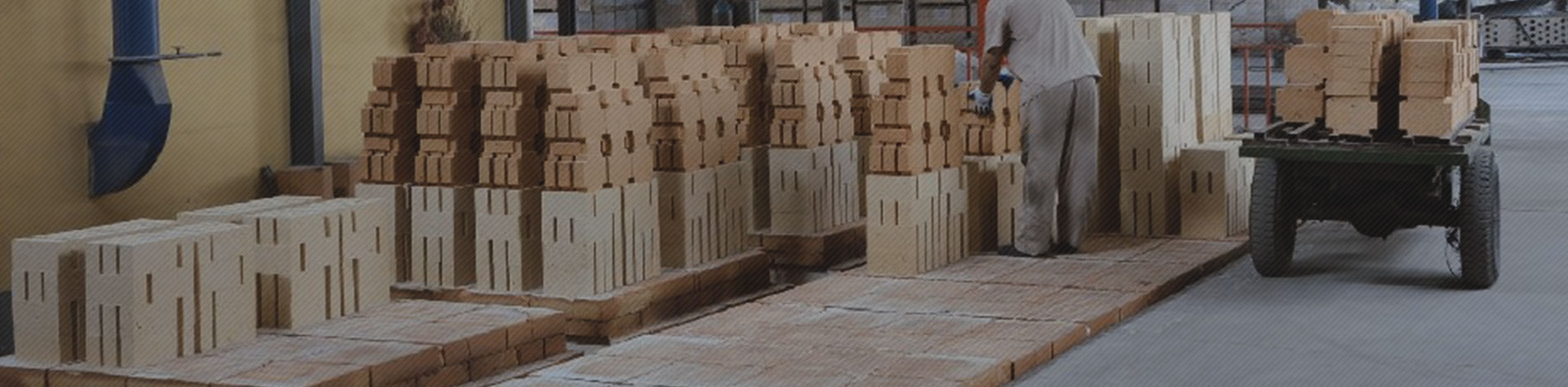
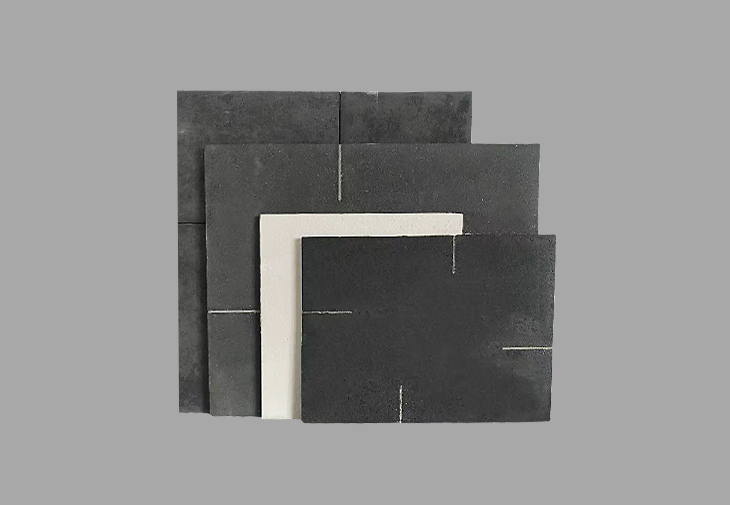
Oxide-bonded silicon carbide plates are high-performance ceramic plates made by sintering at high temperatures with silicon carbide (SiC) as the main aggregate (content usually ≥ 80%) and an oxide binder.
The production process typically involves raw material mixing, forming (such as isostatic pressing or molding), and high-temperature sintering (1300-1600℃). Some products require the addition of anti-oxidation agents or expansion agents to optimize performance.
(1) High-temperature resistance and thermal stability
(2) Durable and corrosion-resistant
(3) High thermal conductivity and low expansion
(4) High intensity and structural stability
(5) The panel has a high density and does not fall off.
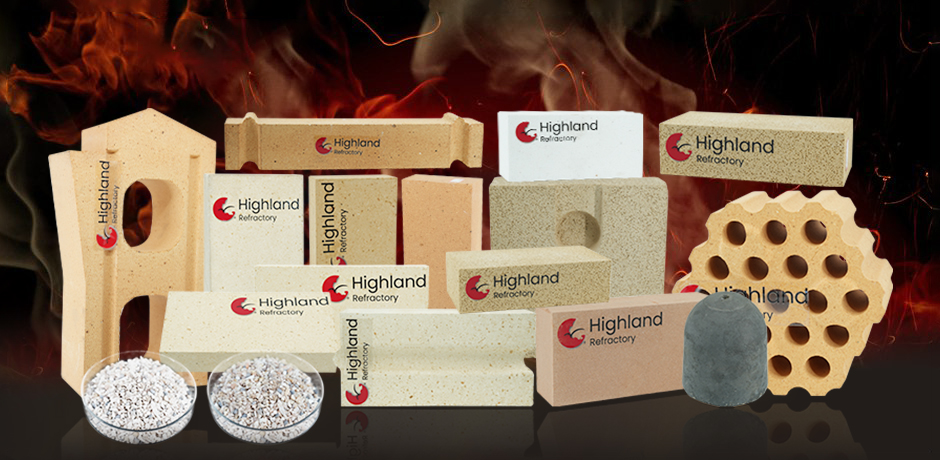
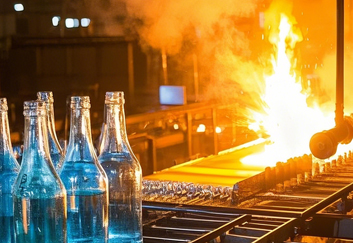
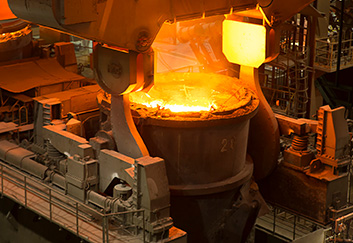
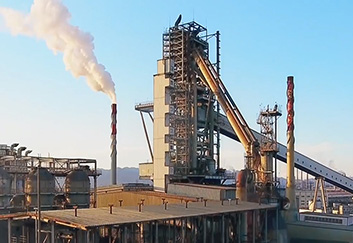
Ceramic industry,Glass industry,Metallurgical industry,machinery manufacturing industry
|
Item |
Unit |
Regular |
Rapid firing |
|
Volume density |
g/cm3 |
2.75 - 2.85 |
2.65 - 2.7 |
|
Open porosity |
% |
<14 |
<14 |
|
Compressive strength |
Mpa |
>90 |
>90 |
|
Modules of rupture |
Mpa |
>45(20℃) |
>45(20℃) |
| Мрa | >56(1300℃) | >56(1300℃) | |
| Coefficient of thermal expansion | K-1* 10-6 |
4.8 |
4.2~4.7 |
|
Load melting temperature (0.3 MPa) |
℃ |
> 1700 |
> 1650 |
|
Working temperature |
℃ | 1450 | 1420 |
|
Thermal conductivity (at 1200°C) |
w/m.k |
14.0 |
14.0 |
|
SIC |
% |
>88 | >87 |
|
Sio |
% |
<6 | <7 |
|
Al20 |
% |
<2 | <2 |
Highland Refractory classifies Silicon Carbide Plates by production process and performance to meet diverse industrial needs, including Reaction-Bonded Silicon Carbide Plates (with high density and excellent thermal conductivity, suitable for high-wear environments like kiln shelves) and Sintered Silicon Carbide Plates (featuring ultra-high temperature resistance up to 1600℃, ideal for extreme-heat equipment such as metal smelting crucibles); each type of Silicon Carbide Plate is optimized for specific scenarios, ensuring compatibility with both low-temperature thermal processing and high-temperature industrial operations.
Highland’s Silicon Carbide Plate stands out in harsh industrial environments with core strengths: it boasts exceptional wear resistance (5–10 times higher than ordinary refractory materials), ensuring long service life in high-abrasion zones; it has excellent thermal conductivity, enabling uniform heat transfer and reducing energy consumption in heating equipment; it also resists corrosion from acidic and alkaline slags, maintaining structural integrity even in chemically aggressive settings—these advantages make the Silicon Carbide Plate a reliable choice for demanding high-temperature and high-wear applications.
Silicon Carbide Plates are widely used across key industrial sectors due to their versatile performance: in the ceramic and glass industry, they serve as kiln shelves and roller surfaces, withstanding repeated heating cycles and preventing product adhesion; in the metal processing industry, they act as heat exchanger components, leveraging high thermal conductivity to improve cooling efficiency; in the chemical industry, they line reaction vessels to resist corrosive media—each application highlights the Silicon Carbide Plate’s ability to adapt to diverse harsh conditions, supporting stable production processes.
Silicon Carbide Plates (Highland) excel in high-wear and high-thermal-conductivity scenarios—they offer superior wear resistance for long-term use in abrasive environments, excellent thermal conductivity for efficient heat transfer, and broad corrosion resistance to acidic/alkaline media, making them ideal for kiln shelves and heat exchangers; High Alumina Bricks, by contrast, focus on high-temperature structural stability, with strong load-bearing capacity at ultra-high temperatures (up to 1700℃) and good thermal shock resistance, suiting furnace linings and high-temperature structural parts—each product targets distinct industrial needs, with the Silicon Carbide Plate leading in wear and heat transfer performance.
Highland Refractory is your trusted partner for high-quality Silicon Carbide Plates, with 30+ years of expertise in refractory production—we use high-purity silicon carbide raw materials, apply advanced reaction-sintering and sintering technologies, and implement strict quality control (testing wear resistance, thermal conductivity, and corrosion resistance for every batch), ensuring each Silicon Carbide Plate meets global industrial standards; we also hold ISO 9001/CE certifications, maintain 60,000 tons of annual production capacity, and serve 1,500+ clients worldwide, making us a reliable leader in Silicon Carbide Plate manufacturing.
Choosing Highland Refractory for your Silicon Carbide Plate needs means accessing tailored solutions and end-to-end support: we offer customization (adjusting thickness, size, and performance of the Silicon Carbide Plate to match your specific equipment requirements), fast delivery (3–7 days for standard sizes in stock, 10–15 days for custom batches), and bulk discounts (5–10% off orders ≥ 50 pieces); we also provide free samples, detailed quality inspection reports, and 24/7 technical guidance—our commitment to quality and service ensures your Silicon Carbide Plate needs are fully met, supporting your industrial operations.

A: Standard sizes ship in 3-7 days; custom ones take 10-15 days. Bulk orders can negotiate timelines.
A: Wrapped in shock-absorbing foam, then packed into sturdy wooden crates—low transport damage.
A: Yes, free standard samples. You just pay shipping; share your address to arrange.
A: T/T and PayPal are accepted. Full payment is needed before shipping.
A: Yes, every batch has a detailed quality report—we’ll send it to you if needed.
A: Qingdao port—we can arrange sea, air, or land transport from here.
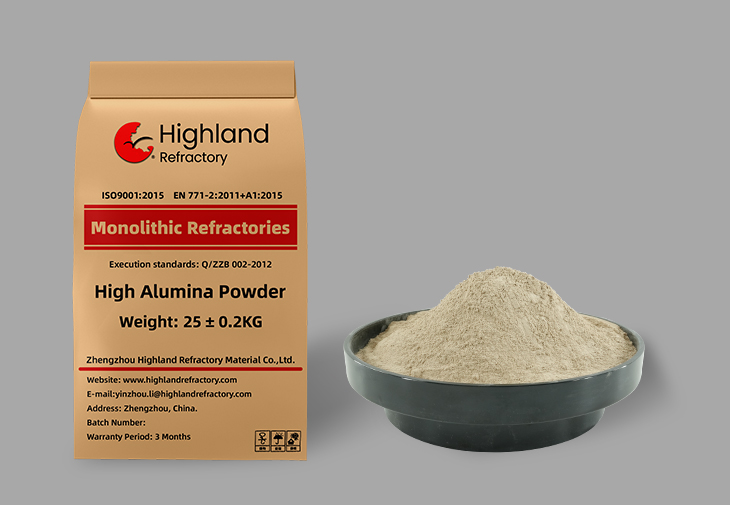
High alumina fine powder is a powder material with alumina (Al2O3) as the main component.
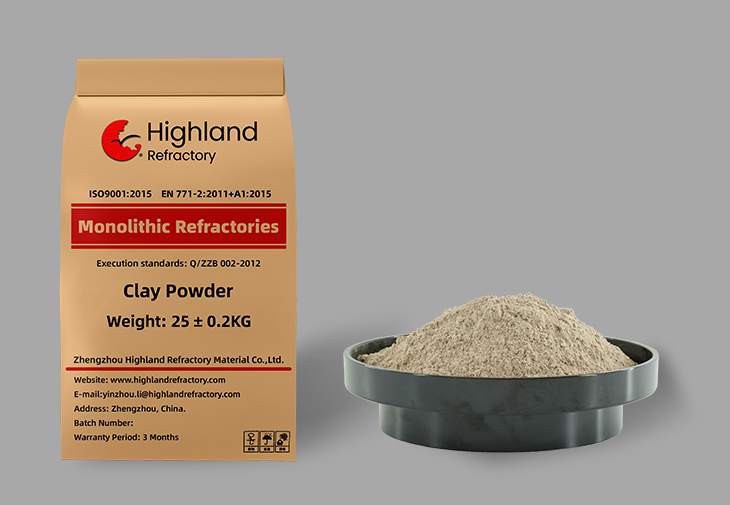
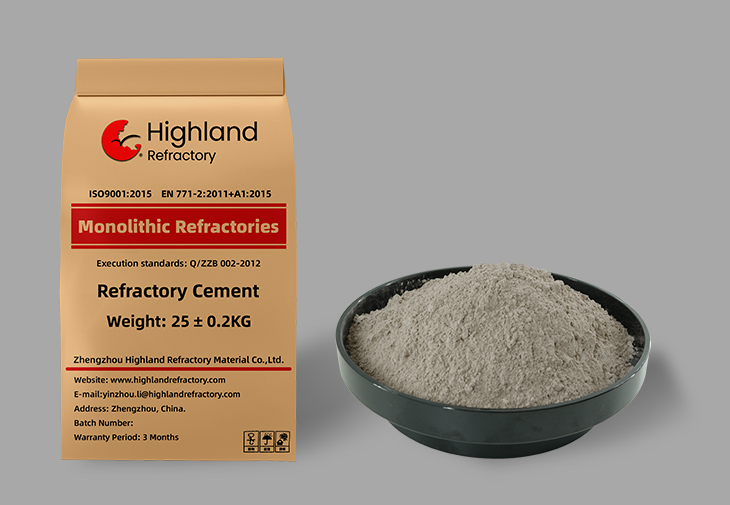
Refractory cement, also known as aluminate cement, is a fire-resistant hydraulic cementitious material.
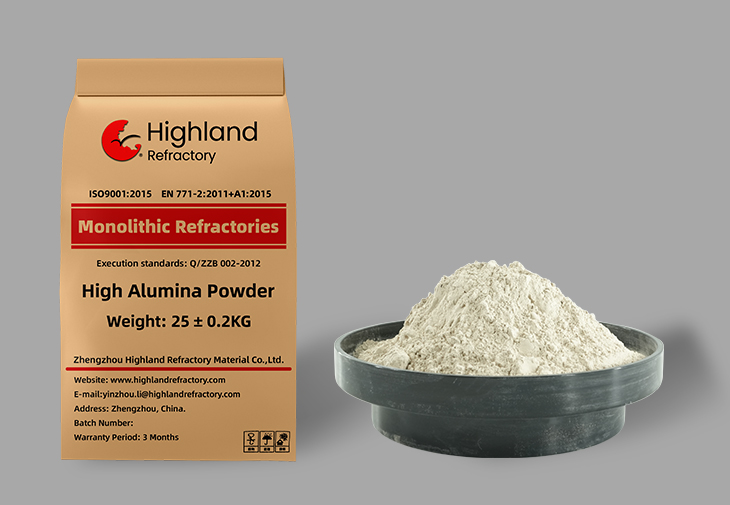
High alumina fine powder is a powder material with alumina (Al2O3) as the main component.
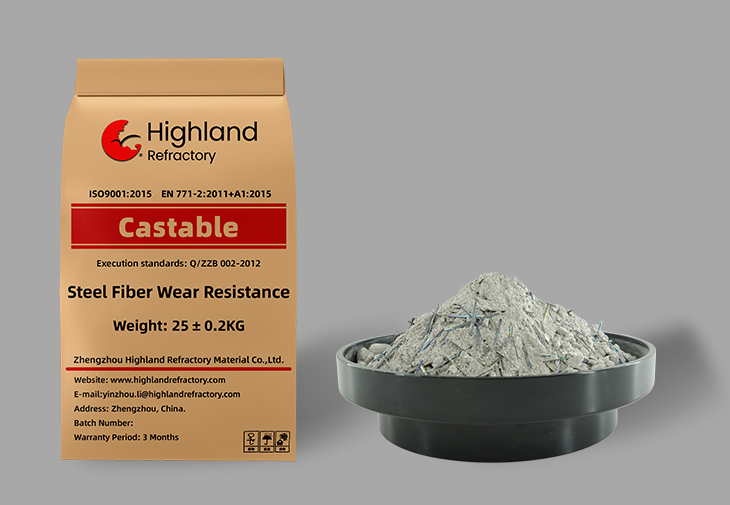
Steel fiber wear-resistant castables are widely used in high temperature and wear-resistant environments in many industrial fields such as metallurgy, building materials, and chemicals.
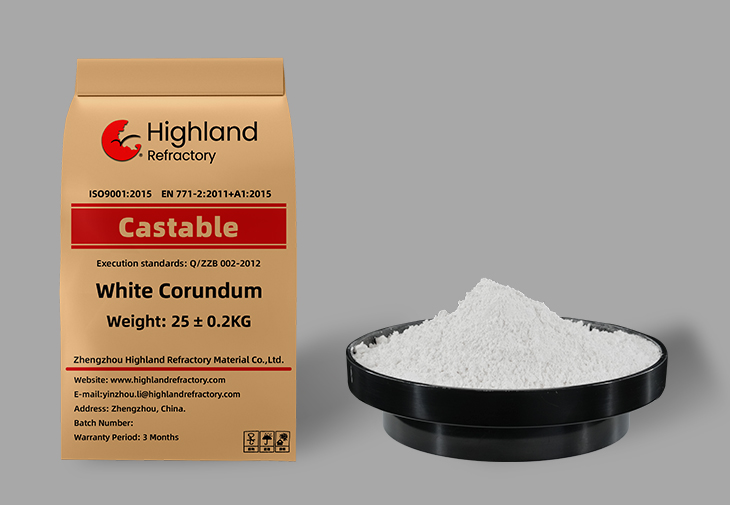
White corundum castable is a high-quality high-temperature refractory material with high-purity alumina powder as the main raw material.
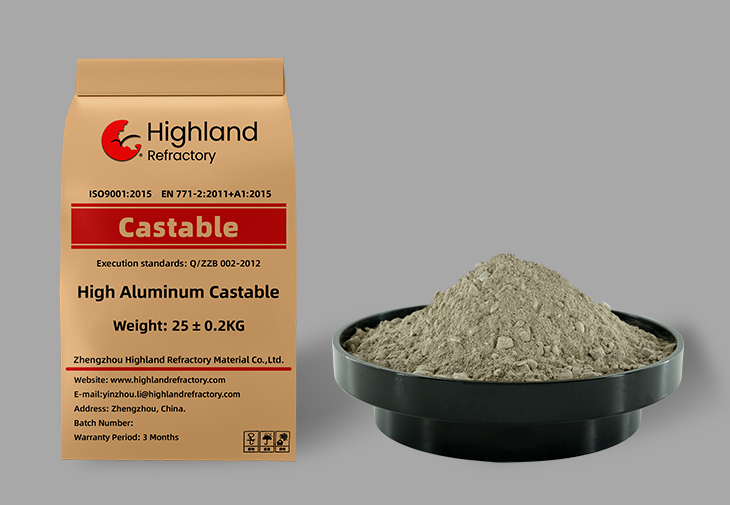
High aluminum castable refers to a refractory castable with Al2O3 content greater than 48%.
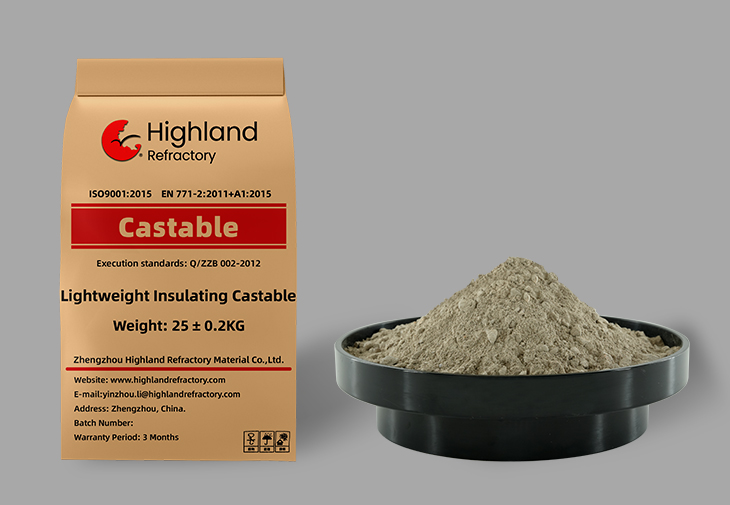
Lightweight insulation castable is a refractory with low density and excellent insulation properties.
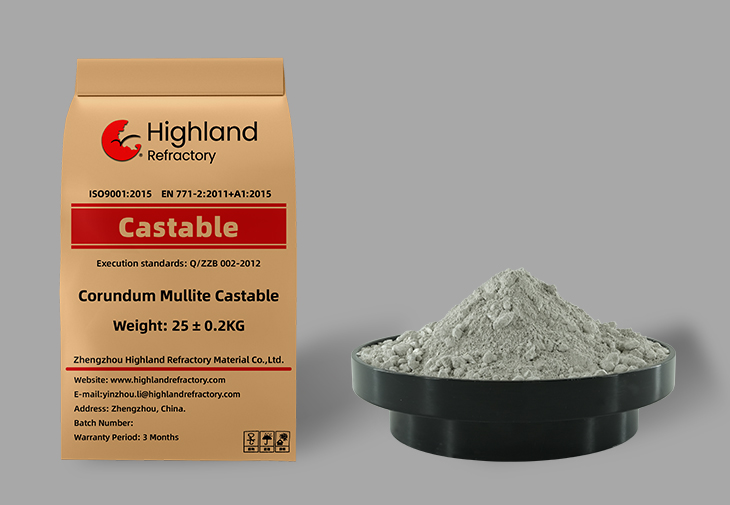
Corundum mullite castable is a high-quality high-performance refractory material with high thermal conductivity, insulation, good chemical stability and resistance to reducing agents.
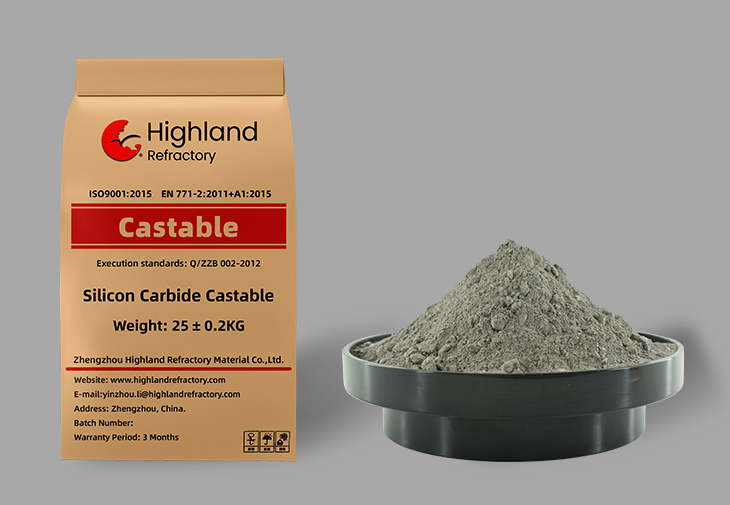
Silicon carbide castable is an amorphous refractory material with silicon carbide as the main component.
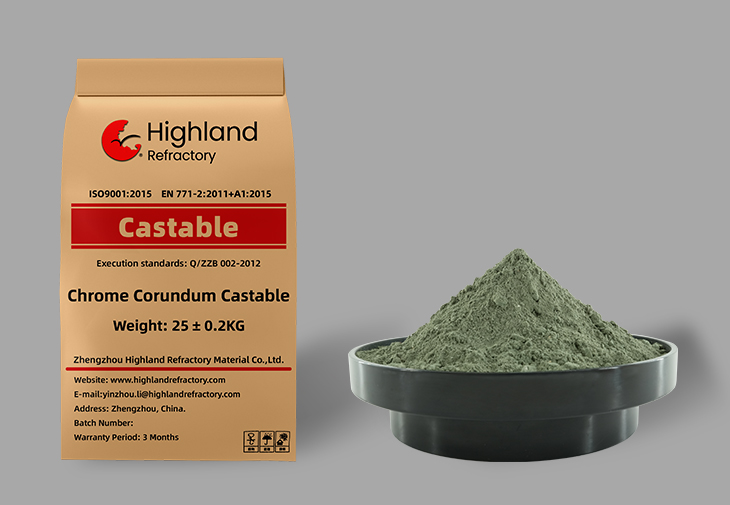
Chrome corundum castable is a high-performance amorphous refractory material composed of corundum and chromium. It has high melting point, high hardness, high stability and excellent slag resistance and wear resistance.
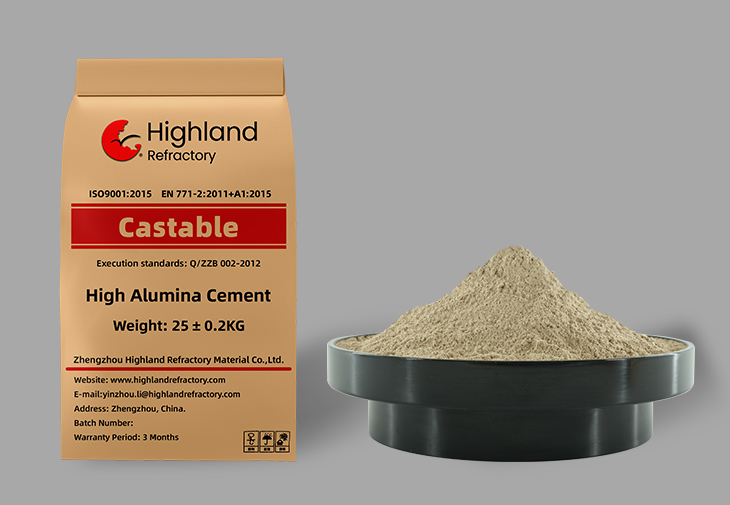
high alumina cement is a powder material with alumina (Al2O3) as the main component.
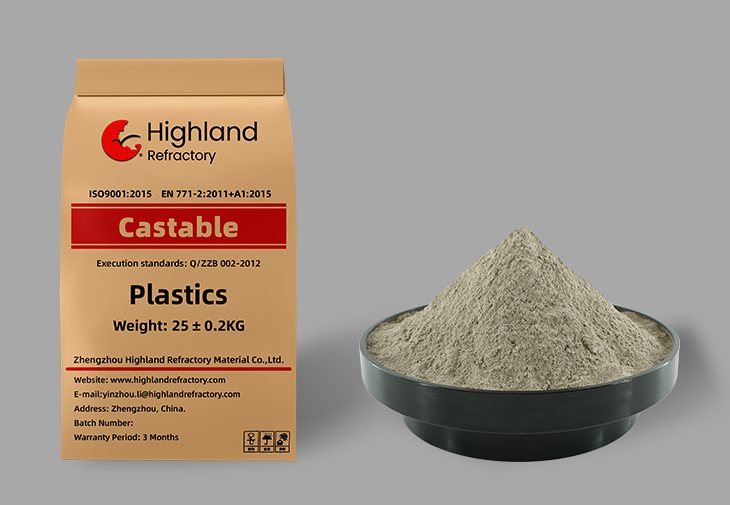
Plastic is an amorphous refractory material in the form of hard mud and has high plasticity.
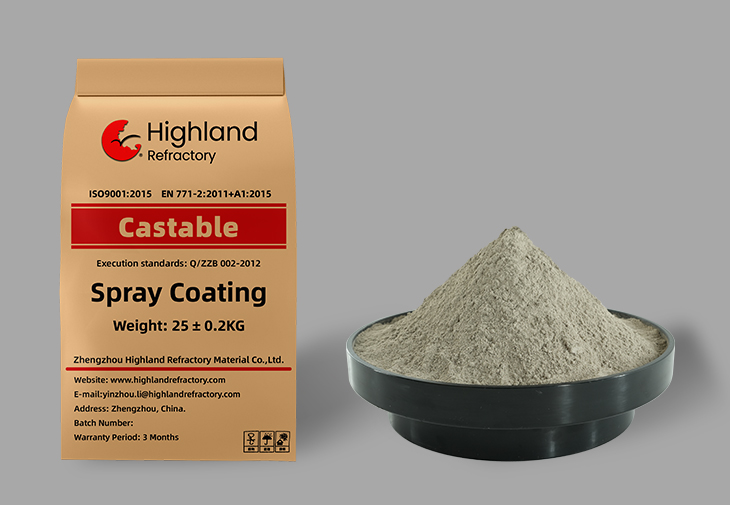
Refractory spray coating is a kind of amorphous refractory material, which is applied to the lining of thermal equipment by spraying construction method.
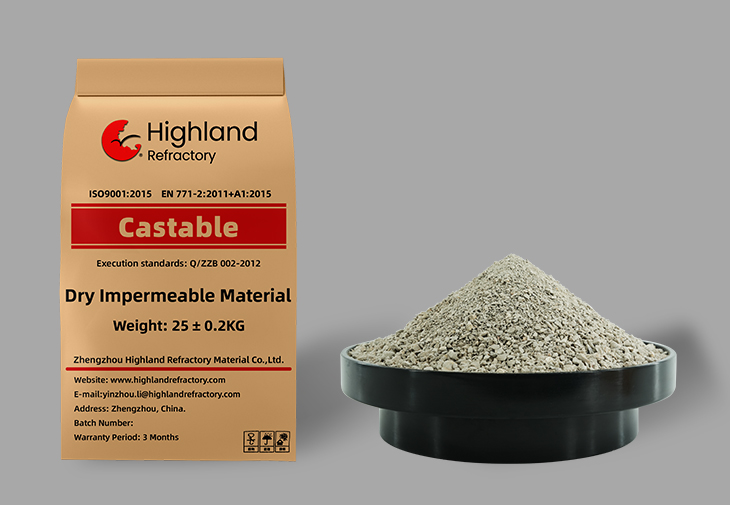
Widely used in a variety of furnace front package, transfer package, ladle insulation layer...
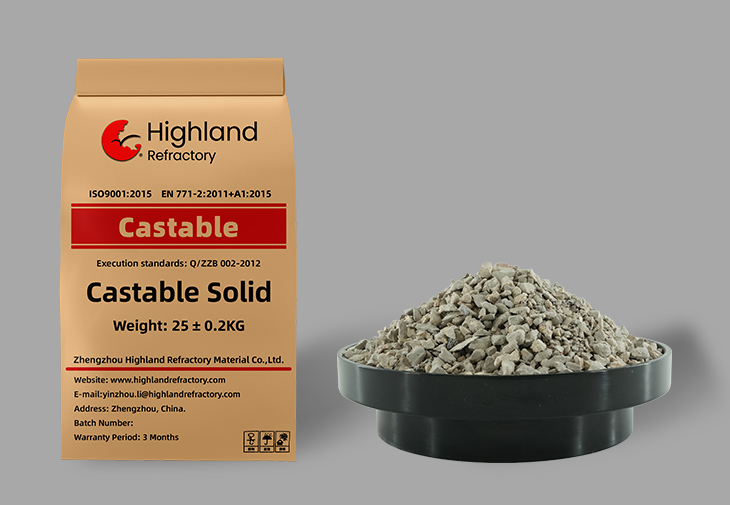
Widely used in a variety of furnace front package, transfer package, ladle insulation layer...
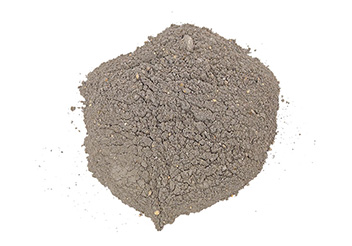
High temperature and high strength repair material is a special material used to repair equipment and structures in high temperature environments.
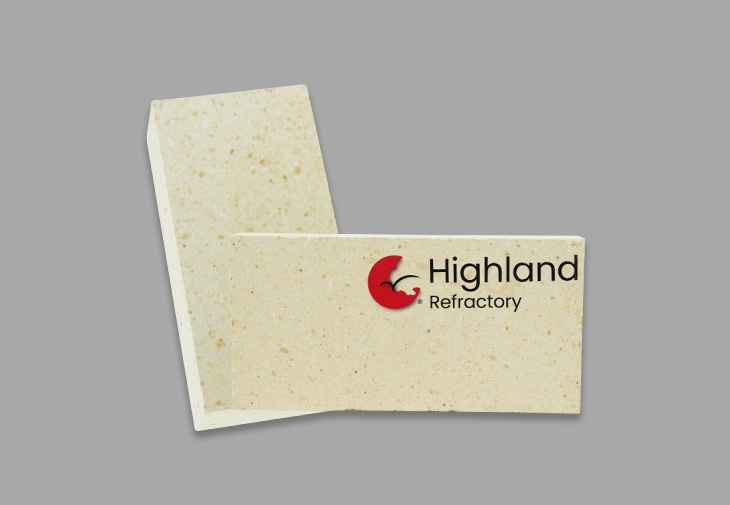
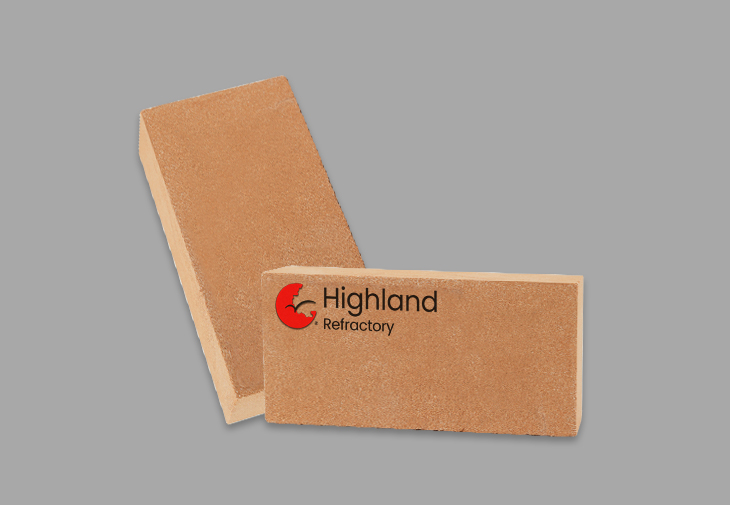
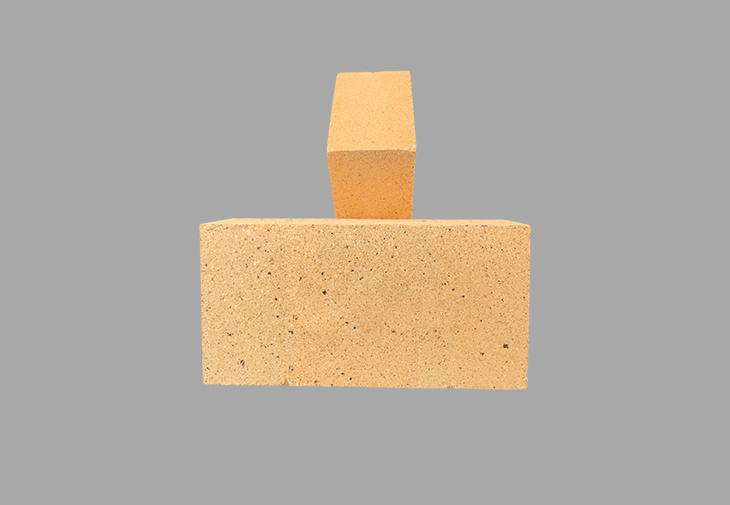
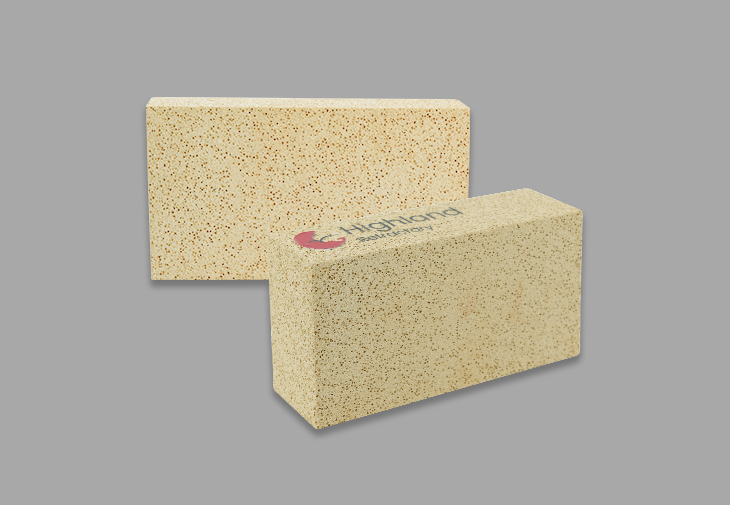
High alumina poly light brick is a high quality lightweight refractory material.
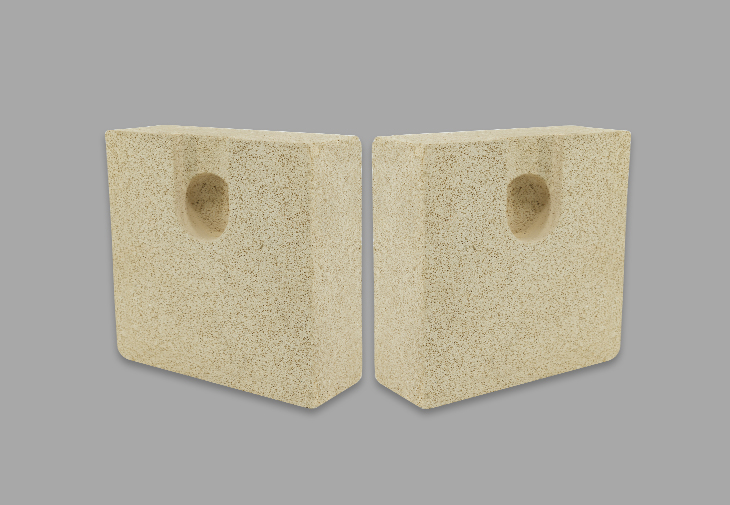
High alumina poly light brick is a high quality lightweight refractory material