Monolithic Refractories
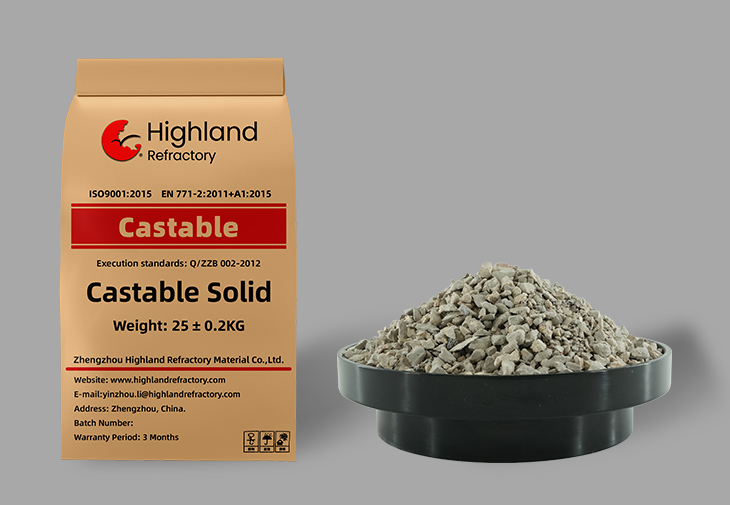
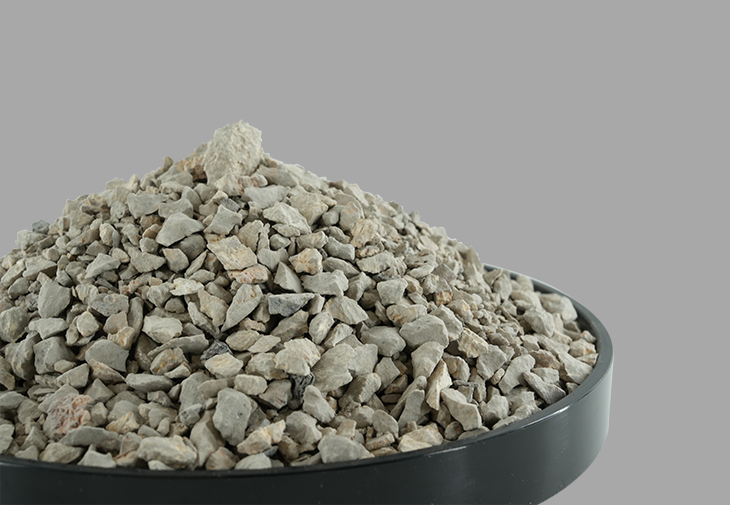
Castable Solid
Castable Solid
Castable Solid
Castable Solid
Castable Solid
Castable Solid

Castable Solid

Working liner insulation layer, especially suitable for complex shape, limited position, requiring integrity, air tightness, high strength kiln lining and local section.

Thermal insulation refractory castable has small volume density, large porosity and low thermal conductivity, and is mostly used in the thermal insulation layer (non-working layer) of industrial kilns in the specific heat capacity project, but it can also be used in the construction working layer for the furnace lining with low refractories.

The furnace lining constructed with insulation castable has remarkable energy-saving effect, and can make the working lining thinner, reduce, environmental protection and energy saving, which is conducive to short shrinkage heat time and uniform furnace temperature

Product Feature

1.low thermal conductivity: especially at high temperature, low thermal conductivity, good thermal insulation performance.


2.good thermal shock resistance: in the use of temperature range, the brick does not deform, do not flake.


3.according to the different uses, the selection of reasonable mechanical strength, so that the light performance is good.


4.higher load softening temperature and smaller reburning rate, compared with similar material light firebrick, higher temperature, longer life, safer.
Product Application

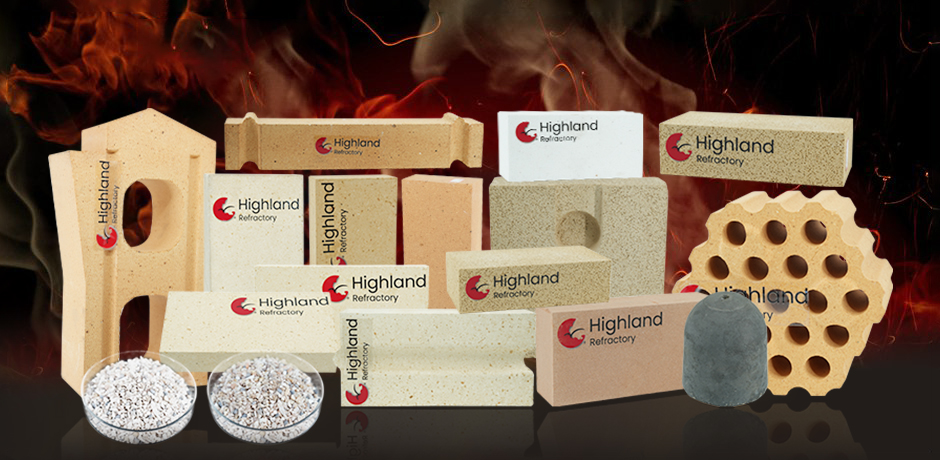
Used for lining blast furnaces, hot blast furnaces, electric furnace roofs, oxygen converters, reverberatory furnaces, and rotary kilns. They are also widely used as regenerative flat furnace checker bricks, plugs for pouring systems, and water mouth bricks, among other applications.
What Types of Castable Solids Are There?

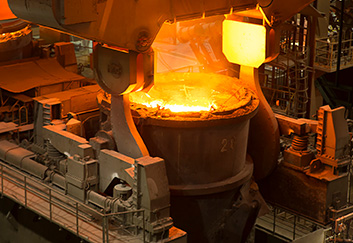
Highland Refractory classifies Castable Solid based on raw material composition and high-temperature performance to meet diverse industrial needs, including High-Alumina Castable Solid (Al₂O₃ ≥70%, ideal for ultra-high-temperature zones like steel ladle linings), Silicon Carbide Castable Solid (SiC ≥60%, suitable for high-wear environments such as cement kiln coolers), and Lightweight Insulating Castable Solid (bulk density ≤1.0g/cm³, designed for heat preservation layers of boiler outer walls). Each type of Castable Solid is formulated with graded aggregates and high-performance binders, requiring on-site mixing with water before casting into molds or irregular structures, and hardening into dense, integral linings that maintain stability at temperatures ranging from 1200℃ to 1700℃.


Advantages of Castable Solids

Highland’s Castable Solid boasts core advantages that make it a reliable choice for high-temperature applications: it forms an integral, seamless structure after curing, eliminating gaps that often lead to heat loss or slag penetration in brick-lined systems; it exhibits excellent mechanical strength at elevated temperatures (compressive strength ≥150MPa at 1400℃), resisting deformation under heavy loads from molten materials; it also offers flexible workability, as it can be cast into complex shapes (such as furnace corners or custom prefabricated parts) that prefabricated refractories cannot easily achieve. These strengths ensure Castable Solid delivers long-term durability in harsh industrial environments.


Applications of Castable Solids in Different Industries

Castable Solid is widely applied across key sectors requiring robust high-temperature refractories: in the steel industry, it is used to line steel ladles and converter bodies, enduring molten iron erosion and frequent thermal cycling; in the cement industry, it serves as the inner lining of rotary kiln burning zones, resisting alkaline clinker wear and high-temperature sintering; in the glass industry, it forms the structure of glass furnace regenerators, withstanding thermal shock from alternating heating and cooling cycles; in the power industry, it is applied to boiler water wall linings, minimizing heat dissipation and improving energy efficiency. Each application leverages Castable Solid’s ability to form integral, high-strength protections for critical equipment.


Difference Between Castable Solids and Dry Impermeable Materials

Castable Solid (Highland) excels in forming integral, complex-shaped linings through wet casting, making it perfect for projects where structural continuity and adaptability to irregular geometries are critical—its on-site mixing and casting process allows it to fill gaps and mold to custom designs, such as unique furnace components that require seamless integration. Dry Impermeable Material, by contrast, specializes in dry construction and superior anti-permeation performance, ideal for static zones like steel ladle slag lines where blocking molten slag penetration is the top priority, as it requires no water mixing and forms a pore-sealed structure directly. Each product targets distinct needs, with Castable Solid dominating integral, shape-flexible lining tasks and Dry Impermeable Material leading in dry-applied anti-permeation scenarios.


Highland Refractory: Your Best Castable Solid Manufacturer

Highland Refractory stands out as your best Castable Solid manufacturer, backed by 30+ years of refractory expertise and a professional production system—we source high-purity raw materials (high-alumina clinker, fused silicon carbide) and use advanced mixing technologies to ensure uniform aggregate dispersion in each batch of Castable Solid; every product undergoes strict quality testing, including checks for high-temperature strength, thermal shock resistance, and setting time, meeting ISO 9001 and CE standards. With an annual production capacity of 60,000 tons and services for over 1,500 clients across Asia, Africa, Europe, and Australia, we also tailor Castable Solid formulations to match specific industry requirements, such as adjusting wear resistance for cement kilns or thermal stability for steel converters.


 Choose Highland Refractory as Your Castable Solid Manufacturer

Choosing Highland Refractory as your Castable Solid manufacturer ensures you access tailored solutions and reliable support: we offer customization services (adjusting raw material content, strength, and setting time to fit your equipment—e.g., high-alumina grades for steel ladles or lightweight grades for boilers), fast delivery (3–7 days for standard Castable Solid in stock, 10–15 days for custom formulations), and bulk discounts (5–10% off orders ≥8 tons). We also provide free samples, detailed technical data sheets (including mixing ratios and curing guidelines), and 24/7 technical support, helping you integrate Castable Solid seamlessly into your production processes and ensure optimal performance in high-temperature operations.

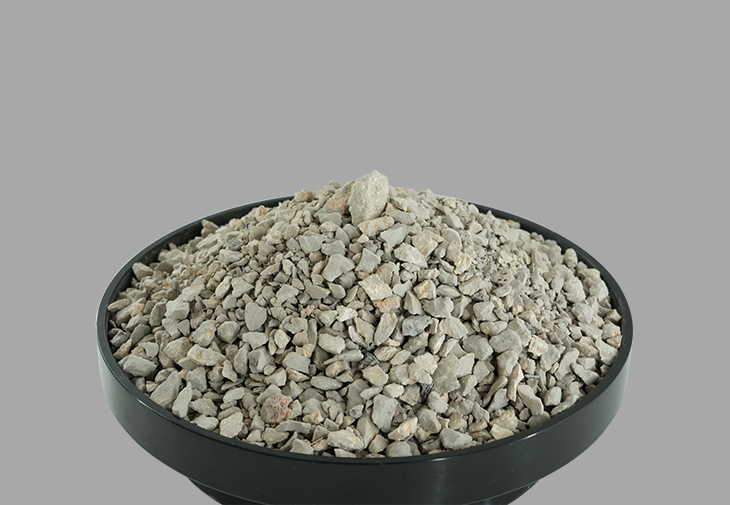
16.浇注固料3-5mm

Q: Can I get free samples of Castable Solid?

A: Yes, we do offer free samples of our standard Castable Solid. You just need to cover the shipping cost to your address. For customized Castable Solid samples with specific properties like enhanced strength or unique aggregate combinations, a small charge may apply, but it'll be refunded if you place a large order later.


Q: How long will it take to receive Castable Solid after placing an order?

A: If you order our stock Castable Solid, you can expect delivery within 3 - 7 days. However, for customized Castable Solid with particular features such as different setting times or improved thermal shock resistance, it'll take 10 - 15 days as we'll need extra time for production and quality checks. For large - scale bulk orders, we'll work with you to determine an appropriate delivery schedule.


Q: What is the packaging of Castable Solid like?

A: Our Castable Solid is packaged carefully. It's first put into moisture - proof bags to prevent moisture from affecting its quality during storage and transit. Then, these bags are placed in sturdy cardboard boxes or wooden crates depending on the quantity. The containers are clearly labeled with handling instructions such as "Keep Dry", "Handle with Care" and all the relevant product details.


Q: What payment methods do you accept for Castable Solid?

A: We accept T/T (Telegraphic Transfer) and PayPal for payments. Similar to our other products, we require full payment before we dispatch the Castable Solid. We're constantly exploring additional payment options to make it more convenient for our customers.


Q: Can I get a quality inspection report for Castable Solid?

A: Absolutely. Every batch of Castable Solid we produce undergoes strict quality control. You'll receive a detailed quality inspection report that includes information about its chemical composition, physical properties like density and strength, and its performance at high temperatures. This will give you confidence in the quality of the product you're purchasing.


Q: What if the Castable Solid I receive is damaged?

A: We're sorry if you receive damaged Castable Solid. Please contact our customer service immediately and provide photos and a detailed description of the damage. We'll promptly arrange to replace the damaged product with a new, undamaged batch at no extra cost to you.

Send Message If you need our products please write down any questions, we will reply as soon as possible.

    Related Products

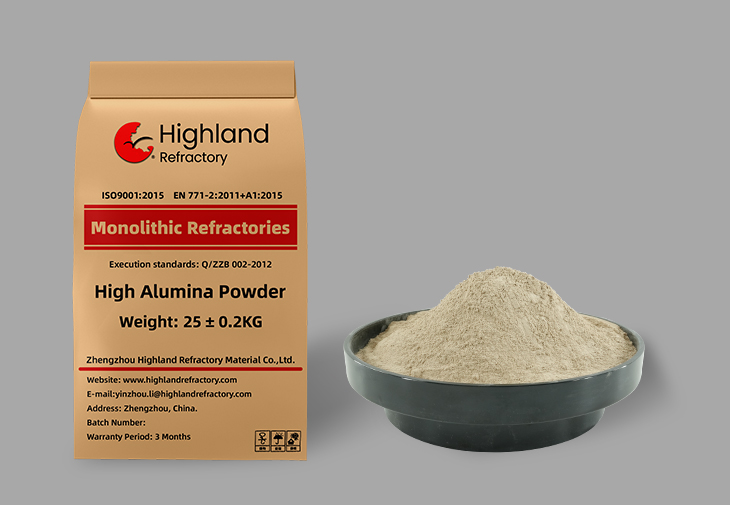
    High Alumina Powder

    High alumina fine powder is a powder material with alumina (Al2O3) as the main component.
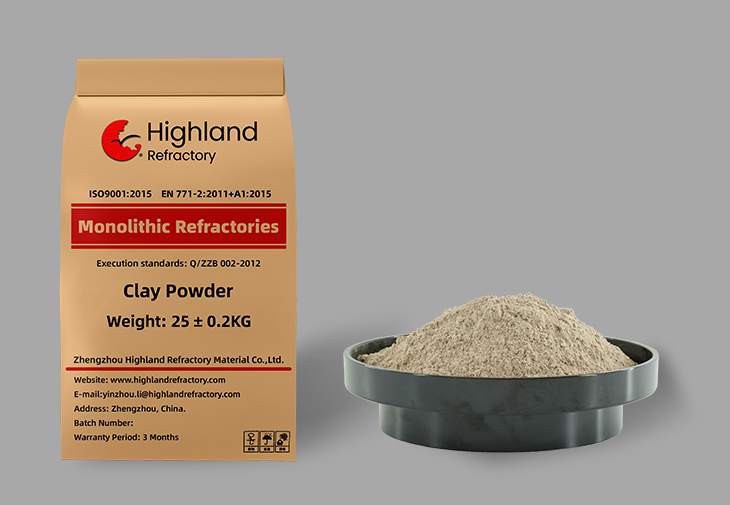
    Clay Powder

    Clay powder is a powdery material with clay minerals as the main component.

    Refractory Cement

    Refractory cement, also known as aluminate cement, is a fire-resistant hydraulic cementitious material.

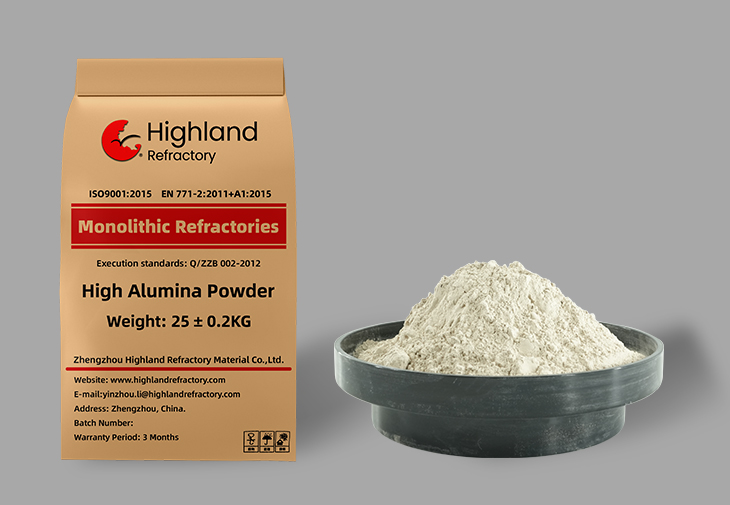
    High Alumina Powder

    High alumina fine powder is a powder material with alumina (Al2O3) as the main component.
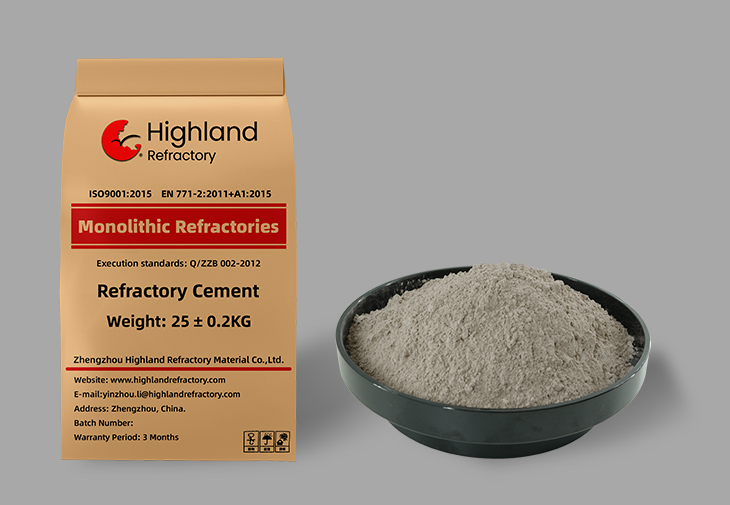
    Steel Fiber Wear Resistance Castable

    Steel fiber wear-resistant castables are widely used in high temperature and wear-resistant environments in many industrial fields such as metallurgy, building materials, and chemicals.

    Corundum Refractory Castable

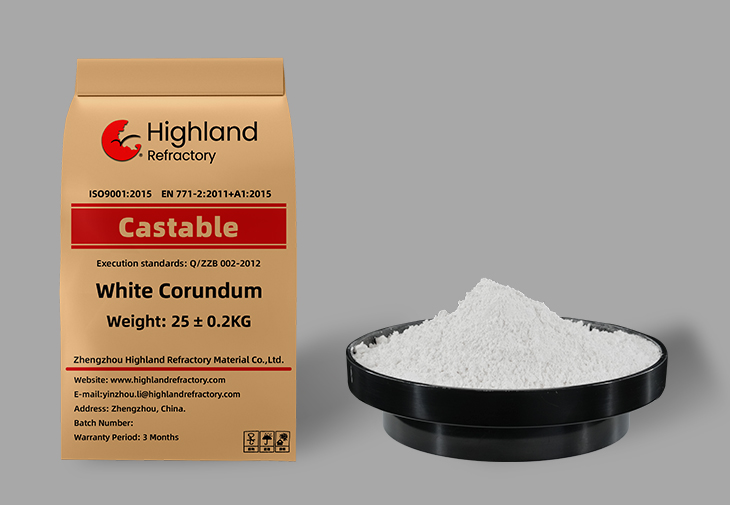
    White corundum castable is a high-quality high-temperature refractory material with high-purity alumina powder as the main raw material.

    High Aluminum Castable

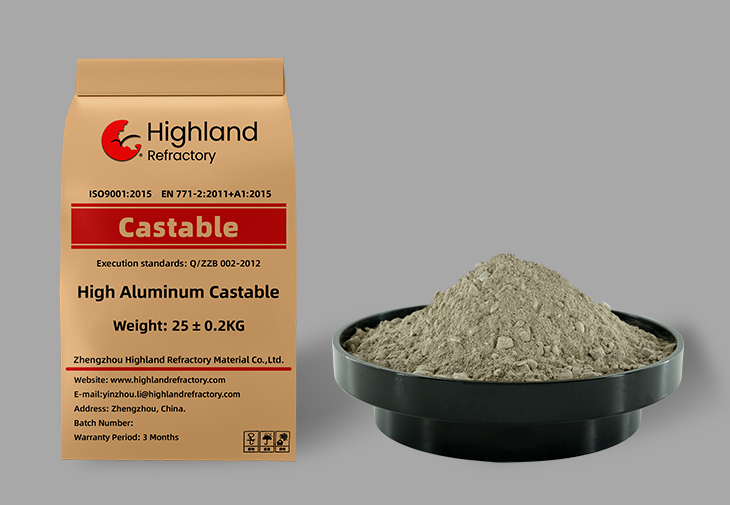
    High aluminum castable refers to a refractory castable with Al2O3 content greater than 48%.

    Low Cement Castable

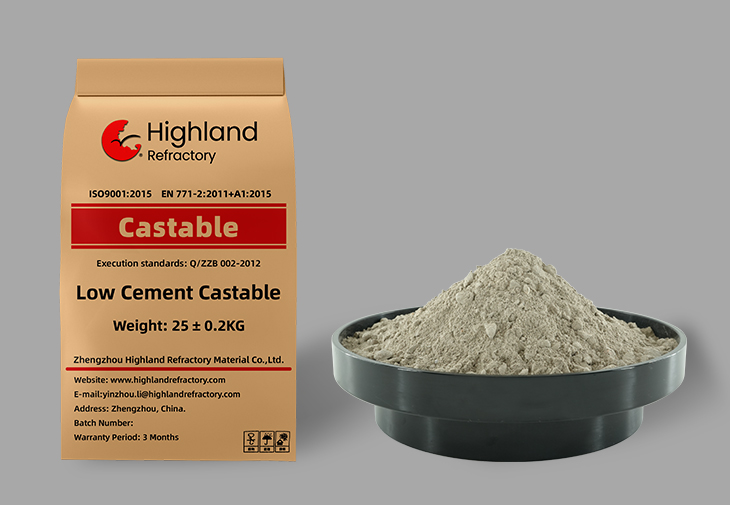
    Low cement castable refers to castable with low cement content.

    Lightweight Insulating Castable

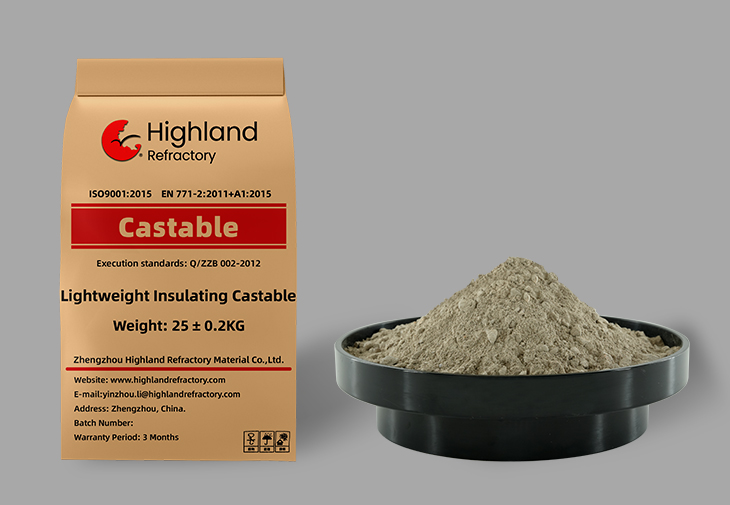
    Lightweight ‌ insulation castable is a refractory with low density and excellent insulation properties.

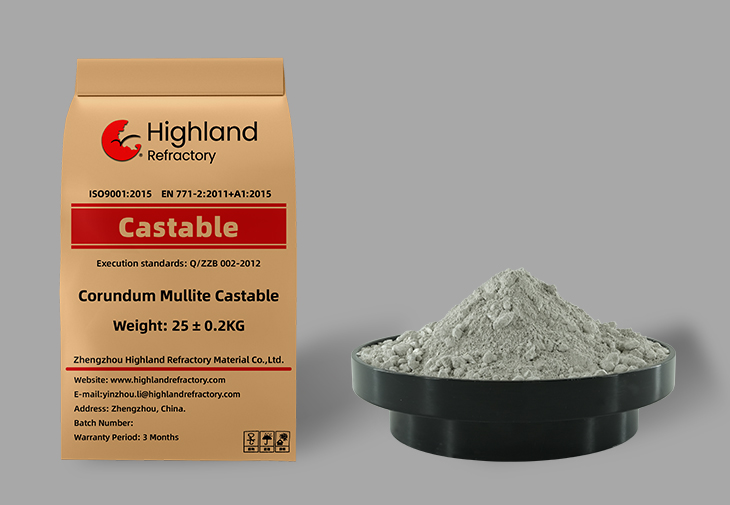
    Corundum Mullite Castable

    Corundum mullite castable is a high-quality high-performance refractory material with high thermal conductivity, insulation, good chemical stability and resistance to reducing agents.

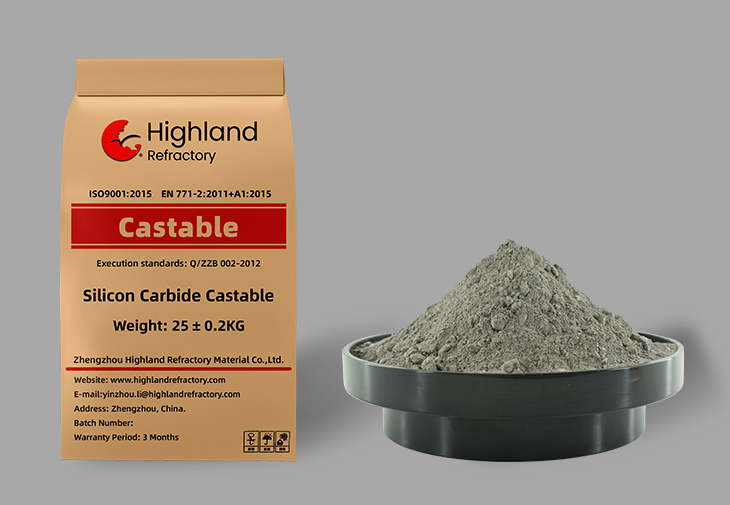
    Silicon Carbide Refractory Castable

    Silicon carbide castable is an amorphous refractory material with silicon carbide as the main component.

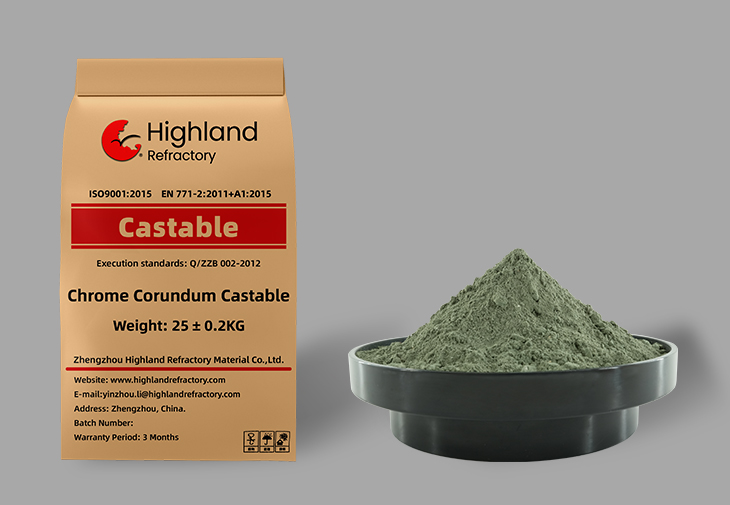
    Chrome Corundum Castable

    Chrome corundum castable is a high-performance amorphous refractory material composed of corundum and chromium. It has high melting point, high hardness, high stability and excellent slag resistance and wear resistance.

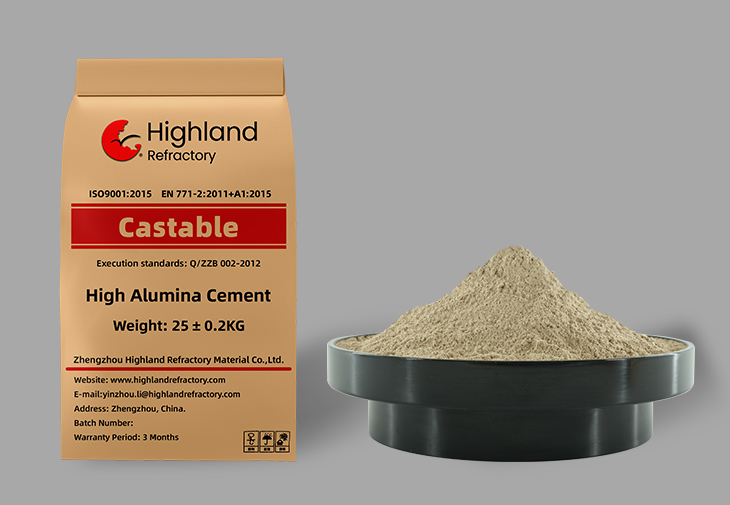
    High Alumina Cement

    high alumina cement is a powder material with alumina (Al2O3) as the main component.
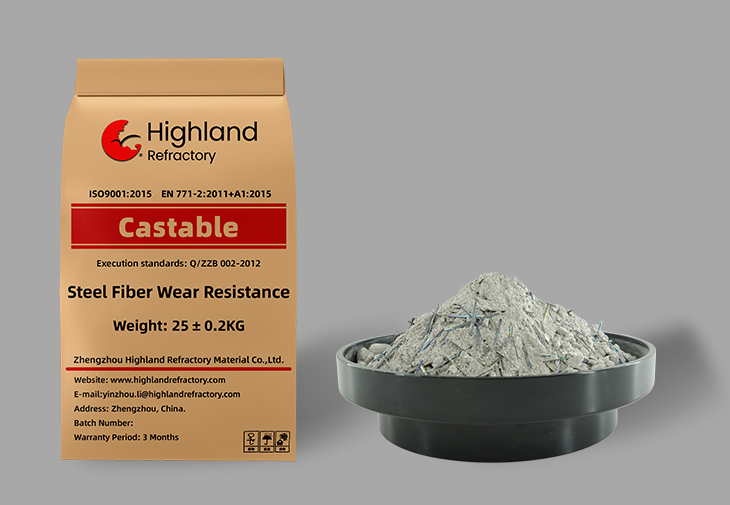
    Refractory Plastic Material

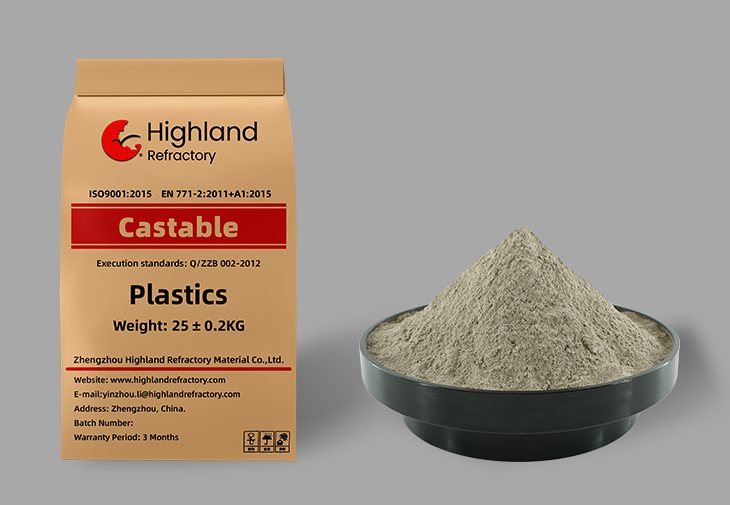
    Plastic is an amorphous refractory material in the form of hard mud and has high plasticity.
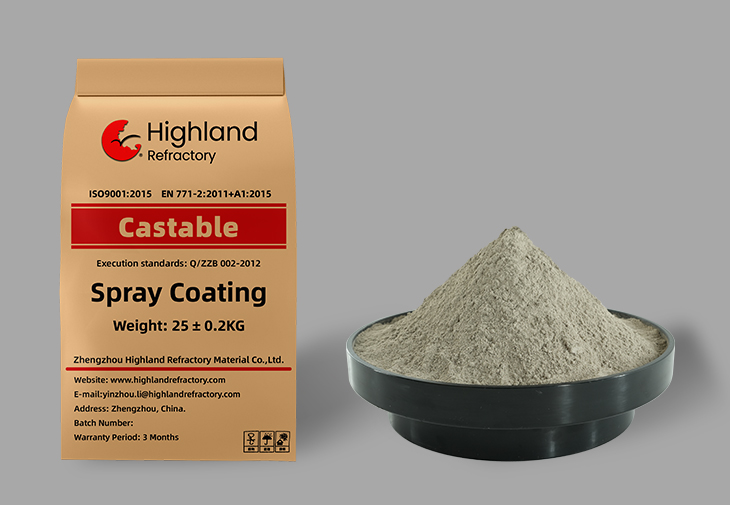
    Refractory Spraying Material

    Refractory spray coating is a kind of amorphous refractory material, which is applied to the lining of thermal equipment by spraying construction method.
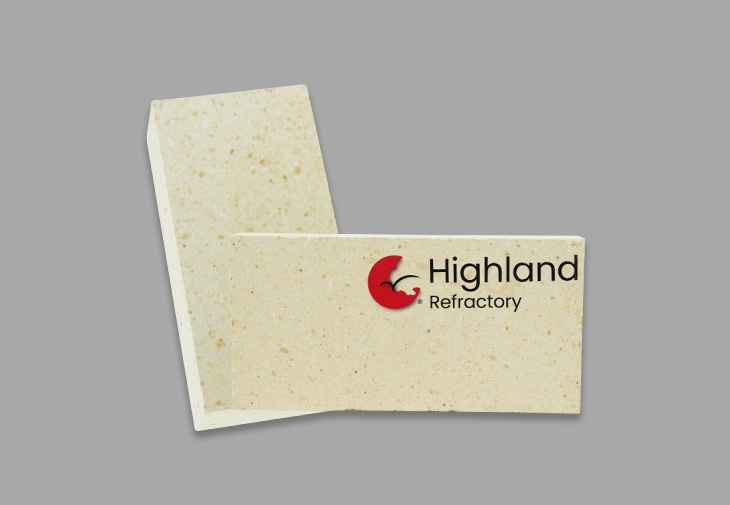
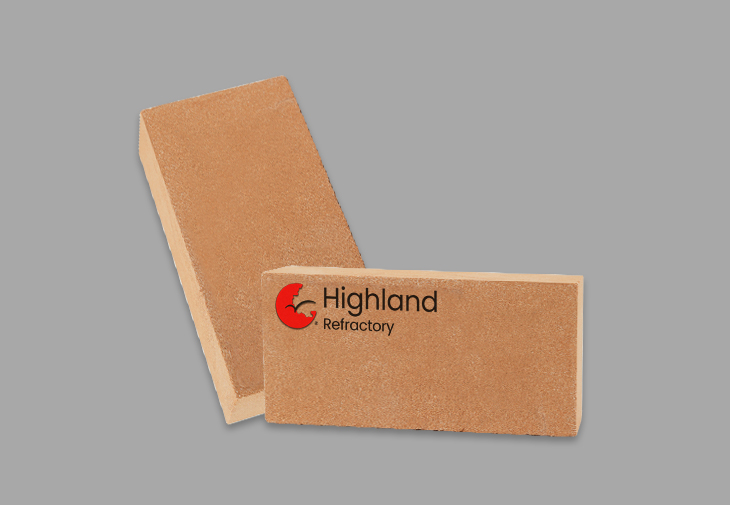
    High Alumina Brick

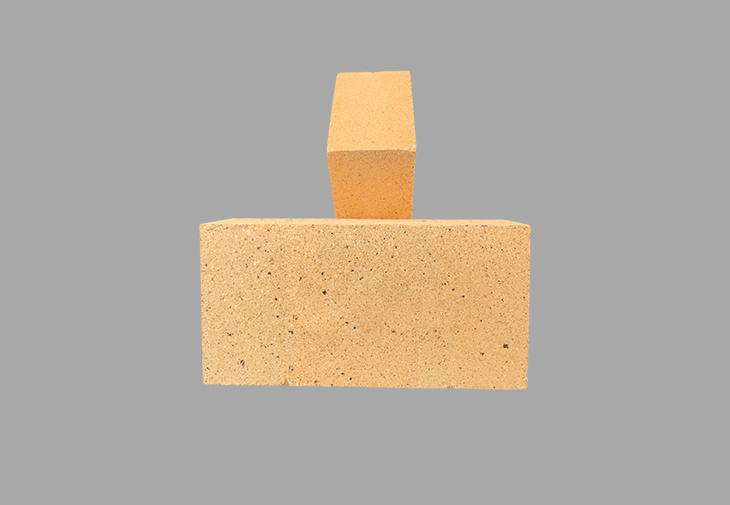
    Aluminum content 75%-80% Refractory 1770℃ or above

    Clay Insulation Bricks

    Aluminum content 30%~48% Refractoriness above 1400℃

    Fire Clay Brick

    Aluminum content 30%~48% Refractoriness above 1400℃

    Home Tel Mail Inquiry

    Send Message