

Silicon Carbide Powder is an industrial silicon carbide material supplied in controlled grades and particle sizes for applications that require high hardness, wear resistance, thermal stability and chemical stability. Depending on product type and specification, silicon carbide powder can be used in abrasive processing, grinding, polishing, refractory formulations, ceramics and other high-temperature material applications.
Highland Refractory's Silicon Carbide Powder product focus is organized around material type, purity, particle size and application requirements. Buyers can identify the required product characteristics first and then confirm the applicable technical specification, grit or particle-size requirement and commercial details.
| 1. Product overview | Silicon Carbide Powder Overview |
| 2. Product types | Black, Green and High-Purity SiC Powder |
| 3. Specifications | Silicon Carbide Powder Specifications |
| 4. Grit & particle size | Grit and Particle Size Selection |
| 5. Properties | Silicon Carbide Powder Properties |
| 6. Applications | Silicon Carbide Powder Uses |
| 7. Selection | How to Select Silicon Carbide Powder |
| 8. Procurement | Silicon Carbide Powder for Sale & Procurement |
| 9. Documentation | TDS, MSDS and Technical Documentation |
| 10. Supplier | Silicon Carbide Powder Supplier |
| 11. FAQ | Silicon Carbide Powder FAQ |
Silicon carbide powder is a fine silicon carbide material used where controlled abrasive, refractory or high-temperature material characteristics are required. The commercial specification can vary substantially depending on the intended application, which makes product type, chemical composition and particle size important purchasing criteria.

In industrial purchasing, the term silicon carbide powder can refer to different forms of SiC material, including black silicon carbide and green silicon carbide. Products may also be supplied in different grit or micron-size ranges depending on the processing application.
For abrasive and precision-processing applications, particle size has a direct relationship with material removal and surface-finishing requirements. For refractory applications, the powder or fine SiC fraction can instead be evaluated as a raw material within a larger refractory formulation.
Silicon carbide powder is commonly divided into black silicon carbide and green silicon carbide categories. The appropriate material depends on the required purity, abrasive characteristics, particle size and final application.
Black silicon carbide powder is widely associated with general industrial abrasive, grinding, surface-treatment and refractory applications. It can be evaluated where sharp cutting performance, hardness and thermal stability are required.
Final suitability depends on the actual chemical specification, grit or particle-size requirement and process conditions.
Green silicon carbide powder is commonly associated with higher-purity and precision abrasive applications. It can be considered for fine grinding, polishing, ceramics and other applications where particle characteristics and material purity are important.
The final grade should be confirmed against the required application and supplier specification.
High purity silicon carbide powder is selected when the application requires tighter chemical control. The required purity level, impurity limits and particle-size distribution should be specified according to the final process.
For a commercial silicon carbide powder order, the exact technical specification should be confirmed for the selected product. Important parameters can include SiC content, impurity limits, particle size, grit designation, morphology and other application-specific requirements.
The following values are the technical parameters supplied for the Silicon Carbide Anti-Skinning Series Castables. They are useful when evaluating the relationship between silicon carbide materials and related refractory formulations, but they should not be interpreted as the direct TDS of loose silicon carbide powder.
| Property | Unit / Test Condition | SA-65 | SA-75 |
|---|---|---|---|
| Product Name | — | Silicon carbide anti-skinning series castables | Silicon carbide anti-skinning series castables |
| Maximum Operating Temperature | °C | 1650 | 1750 |
| Al2O3 | % | ≥65 | ≥75 |
| SiC | % | ≥15 | ≥20 |
| Cr | % | ≥8 | ≥12 |
| Volume Density | g/cm³ | 2.4 | 2.6 |
| Compressive Strength | 1100°C × 3h, MPa | 80 | 95 |
| Compressive Strength | 1100°C × 24h, MPa | 100 | 110 |
| Line Change After Calcination | 1100°C × 3h, % | ±0.4 | ±0.3 |
| Reference Water Consumption for Construction | % | 6–7 | 5–6 |
Particle size is one of the most important commercial specifications when buying silicon carbide powder. The required size can vary substantially between rough grinding, surface preparation, fine grinding, polishing and specialty material applications.
Common search requirements include 80 grit silicon carbide powder, 120 grit silicon carbide powder, 180 grit silicon carbide powder, 220 grit silicon carbide powder, 400 grit silicon carbide powder, 600 grit silicon carbide powder, 1200 grit silicon carbide powder and 1500 grit silicon carbide powder.
Silicon carbide powder properties are relevant to both product selection and process performance. However, generic material properties should not be confused with guaranteed values for a specific commercial grade.

Silicon carbide is known for its high hardness, which contributes to its effectiveness in abrasive processing, grinding and wear-related applications.
Silicon carbide particles can provide strong cutting action in abrasive applications. The actual effect depends on particle shape, grit and processing conditions.
SiC is used in applications where thermal stability is required, including selected refractory and high-temperature material systems.
Silicon carbide is valued in industrial applications where resistance to demanding chemical and thermal environments is required.
Silicon carbide powder uses extend across several industrial sectors. The required material type and particle size depend strongly on whether the product is being used for abrasive processing, polishing, refractory manufacturing or another high-temperature application.
Silicon carbide powder can be used in abrasive products and processes where hardness and sharp cutting characteristics are required. Particle size should be matched to the required material-removal rate and surface finish.
Fine and graded SiC particles can be used for grinding, lapping and polishing applications. The suitable grit depends on the material being processed and the required finishing stage.
Silicon carbide can serve as a refractory raw material in selected formulations where thermal stability, wear resistance and chemical characteristics are required.
SiC powder can be incorporated into selected ceramic and high-temperature material systems. Product selection should be based on chemistry, particle characteristics and final processing conditions.
Silicon carbide abrasives can be used in selected surface-treatment and finishing processes where controlled material removal is required.
Certain green silicon carbide powder grades can be evaluated for coating and surface-related applications when the required material properties and particle size are available.
Silicon carbide powder can be used as a refractory raw material in selected refractory formulations. In this context, the powder is not the finished refractory product itself; it forms part of a larger material system designed around the required service conditions.
The appropriate SiC material depends on the formulation, particle-size distribution, chemical requirements and intended refractory application. Factors such as temperature, wear, chemical exposure and compatibility with other refractory constituents should be considered during material selection.
Highland Refractory also supplies silicon carbide-containing refractory materials for selected industrial applications. Buyers should distinguish between Silicon Carbide Powder as a raw material and finished silicon carbide-containing castable products when reviewing technical documents.
Choosing the right silicon carbide powder should begin with the final application and required processing result. The highest purity or finest particle size is not automatically the correct specification for every industrial process.
Identify whether the material will be used for grinding, polishing, abrasive production, refractory manufacturing, ceramics, surface treatment or another defined application.
Determine whether black silicon carbide or green silicon carbide is more appropriate for the required purity, abrasive performance and processing conditions.
Review the required SiC content and impurity limits. This is particularly important for precision processing, ceramics and applications with controlled chemistry.
Specify the required grit, mesh, micron size or particle-size distribution. Particle size can strongly influence cutting action, material removal, surface profile and finishing quality.
Review the applicable TDS, MSDS, quality documentation and any application-specific testing requirement before final procurement.
For commercial procurement, provide the estimated quantity and destination so the quotation and logistics requirements can be evaluated for the actual order.
Buyers searching for silicon carbide powder for sale, buy silicon carbide powder or where to buy silicon carbide powder should provide the technical requirements of the application rather than only the product name.
The actual quotation can depend on the selected silicon carbide type, purity, particle size, quantity, packaging requirements and destination. For this reason, a general online price is often less useful than a project-specific quotation based on the required specification.
Silicon carbide powder price is generally specification-dependent. Buyers requesting an industrial price per kg should identify the material type, purity, particle size, required quantity and delivery destination.
Different grades and particle sizes can have different commercial values, so quoting a single universal price for all silicon carbide powder would not provide a reliable basis for procurement.
For an industrial quotation, provide the required product specification together with the estimated quantity. Highland Refractory can then evaluate the applicable product and commercial requirements.

Technical documentation is an important part of industrial material selection. Buyers may require a Technical Data Sheet (TDS), Safety Data Sheet (MSDS), chemical analysis or other supporting documentation depending on the application and procurement process.
The documentation should correspond to the exact silicon carbide powder type and grade being purchased. Where grit or micron size is important, the relevant particle-size designation should also be clearly identified.
Used to review product specifications, grade information and relevant technical parameters.
Supports workplace handling, storage, transportation and safety review according to the applicable product documentation.
Additional test or analysis documentation can be reviewed according to project and purchasing requirements.
Highland Refractory provides silicon carbide-related refractory materials and product information for industrial applications. For buyers comparing a silicon carbide powder supplier, the material should be evaluated by the actual product specification, available particle size, application suitability and technical documentation.
For international B2B purchasing, it is useful to provide the complete requirement rather than requesting only “SiC powder.” This allows the material type and specification to be matched with the intended process.
Buyers looking for silicon carbide powder suppliers or silicon carbide powder manufacturers can submit these details through the Highland Refractory contact page.
Silicon carbide powder is used in abrasive manufacturing, grinding, polishing, selected refractory formulations, ceramics, surface treatment and other industrial applications where the required SiC properties and particle characteristics are suitable.
Black and green silicon carbide are different product categories commonly selected according to purity, abrasive characteristics and application. The appropriate choice should be based on the actual product specification rather than color alone.
Industrial silicon carbide can be specified using grit, mesh or micron designations. Common market searches include 80, 120, 180, 220, 400, 600, 1200 and 1500 grit. The actual available Highland grade should be confirmed against the current product specification.
Yes. Silicon carbide powder is used in grinding, lapping and polishing applications. The appropriate grit and product type should be selected according to the material being processed and the required finish.
Yes. Silicon carbide can serve as a refractory raw material in selected refractory formulations. The appropriate grade and particle size depend on the final refractory formulation and service conditions.
Provide the required silicon carbide type, purity, grit or particle size, application, quantity and destination. This information allows the supplier to identify the applicable product specification and prepare a commercial quotation.
Send your required SiC type, purity, grit or particle size, application, quantity and destination. Highland Refractory can review the requirement and provide the applicable product information, technical documentation and quotation.
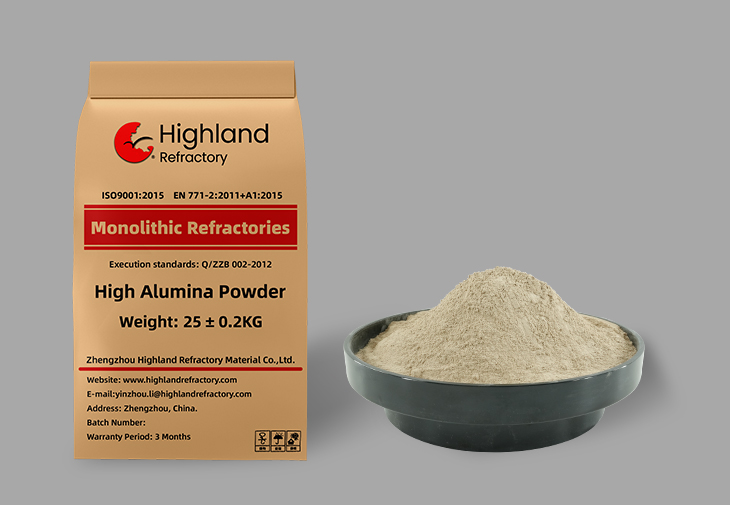
High alumina fine powder is a powder material with alumina (Al2O3) as the main component.

Refractory cement, also known as aluminate cement, is a fire-resistant hydraulic cementitious material.

Steel fiber wear-resistant castables are widely used in high temperature and wear-resistant environments in many industrial fields such as metallurgy, building materials, and chemicals.

White corundum castable is a high-quality high-temperature refractory material with high-purity alumina powder as the main raw material.

High Alumina Castable refers to a refractory castable with Al2O3 content greater than 48%.
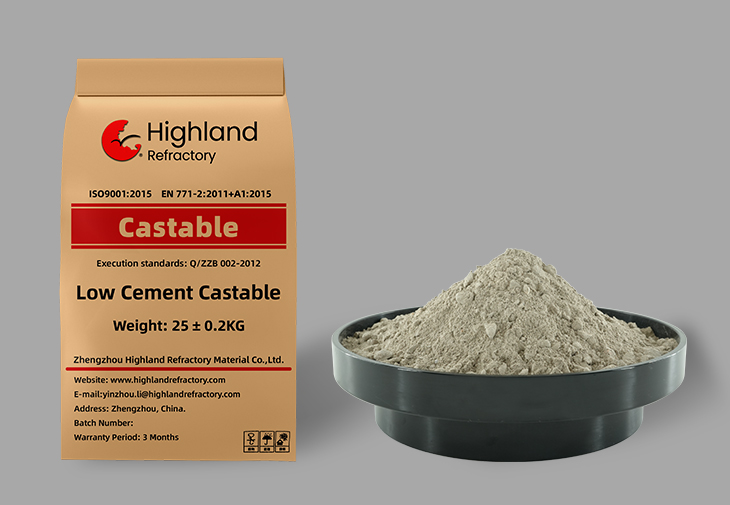

Lightweight insulation castable is a refractory with low density and excellent insulation properties.

Corundum mullite castable is a high-quality high-performance refractory material with high thermal conductivity, insulation, good chemical stability and resistance to reducing agents.

Chrome corundum castable is a high-performance amorphous refractory material composed of corundum and chromium. It has high melting point, high hardness, high stability and excellent slag resistance and wear resistance.

high alumina cement is a powder material with alumina (Al2O3) as the main component.
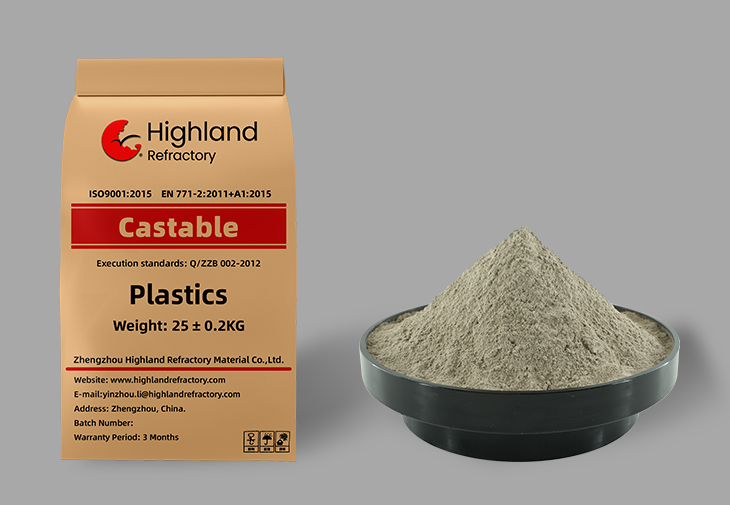
Plastic is an amorphous refractory material in the form of hard mud and has high plasticity.
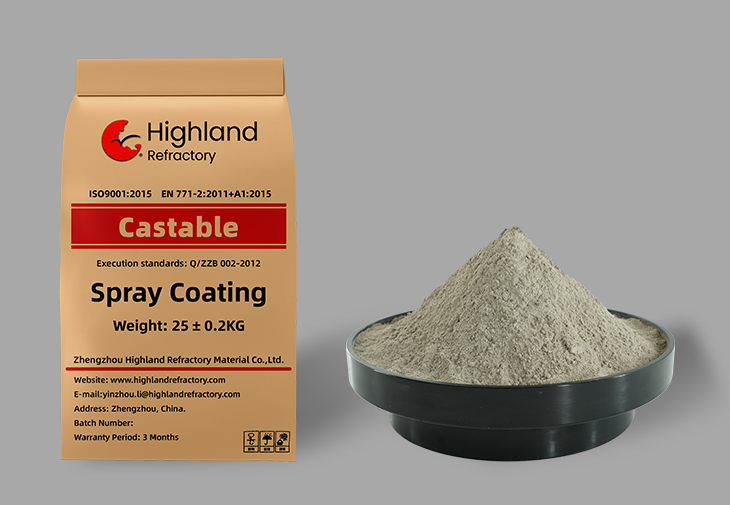
Refractory spray coating is a kind of amorphous refractory material, which is applied to the lining of thermal equipment by spraying construction method.
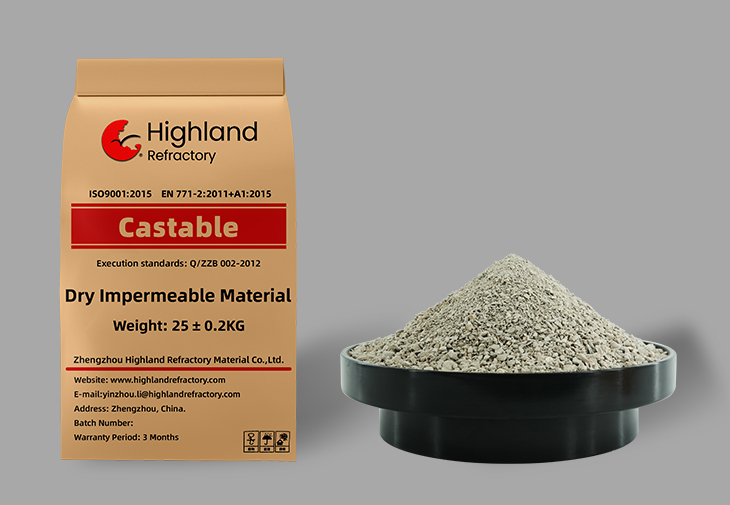
Widely used in a variety of furnace front package, transfer package, ladle insulation layer...
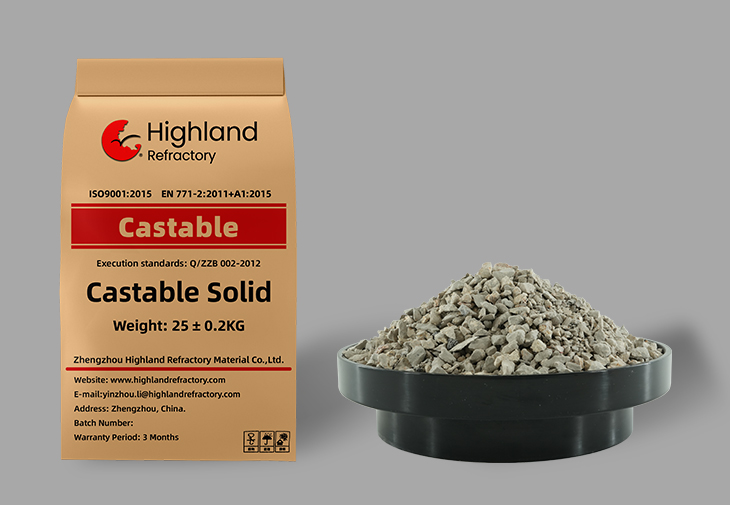
Widely used in a variety of furnace front package, transfer package, ladle insulation layer...
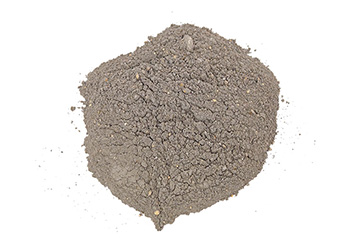
High temperature and high strength repair material is a special material used to repair equipment and structures in high temperature environments.
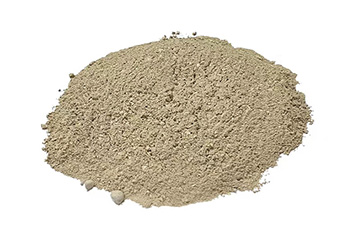
Lining coating is a functional material used on the surface of high-temperature equipment or facilities...
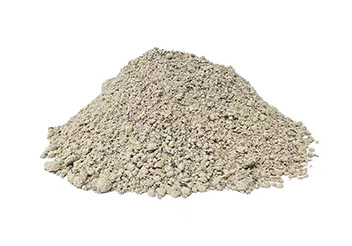
Used for insulation and heat preservation of the ladle walls in the operation of cast iron...

Aluminum content 75%-80% Refractory 1770℃ or above


Silicon carbide plates are mainly composed of silicon carbide (SiC) as the aggregate (with a content usually ≥ 80%).

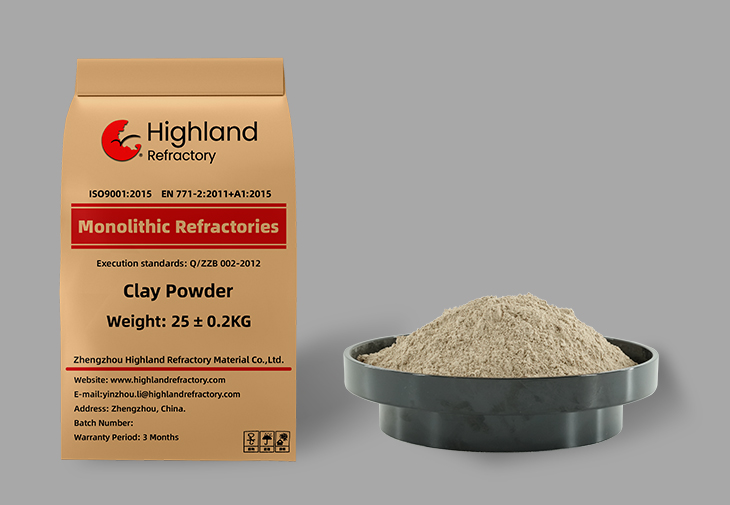
Clay powder is a powdery material with clay minerals as the main component.