Monolithic Refractories
Refractory Plastic Material

Refractory Plastic Material

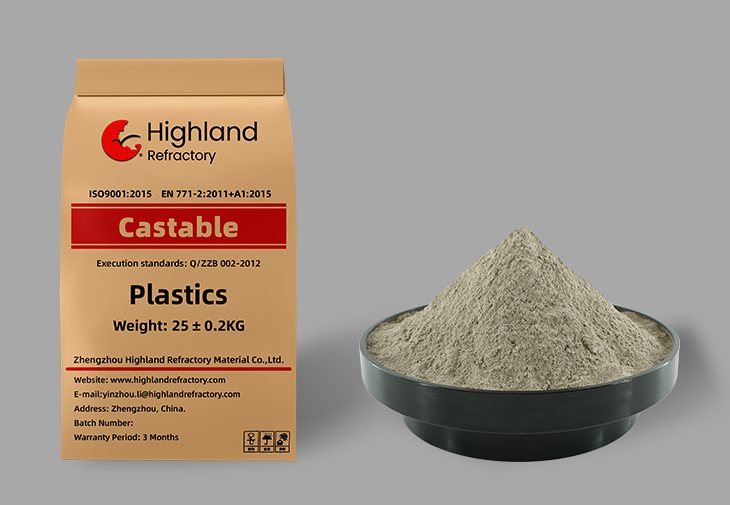
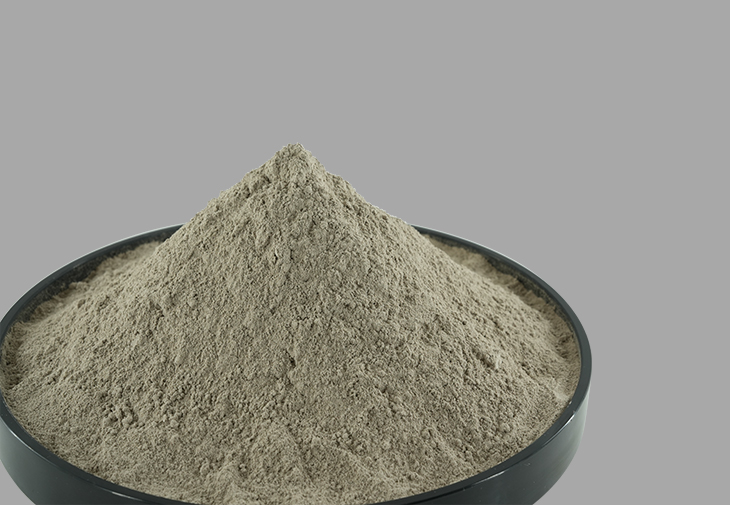
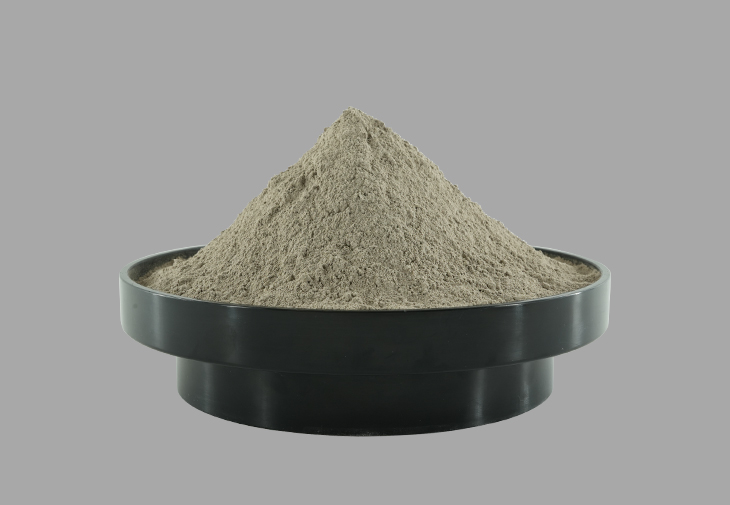
Refractory Plastic Material is an amorphous refractory material in the form of hard mud paste, which is made by fully mixing refractory aggregate and powder, plastic clay, binder and admixture.

It has high plasticity and can maintain this state for a long time.

Product Feature

(1) Good plasticity

(2) Easy to construct

(3) Good thermal shock resistance

(4) Good volume stability

(5) Good fire resistance
Product Application

(1) Metallurgical industry: heating furnace, smelting furnace, heating furnace, soaking furnace, annealing furnace, sintering furnace, electric furnace, kiln

(2) Chemical industry: production of catalysts, heat exchangers, reactors

(3) Power industry: production of boiler furnace walls, flues, furnaces

(4) Other fields: flue lining, chimney lining, kiln car, ladle

Product Property

Project

Index

KSL-35

KSL-40

KSL-60

KSL-75

KSL-80

w(Al2O3)/%≥

35

40

60

75

80

Volume density/(g/cm3) ≥

110℃×24h

2.15

2.20

2.35

2.50

2.65

Normal temperature pressure resistance density/MPa ≥

110℃×24h

6.0

7.0

7.0

8.0

8.0

Normal temperature flexural strength/MPa ≥

110℃×24h

2.0

2.5

2.5

3.0

3.0

1300℃×3h

3.0

3.5

3.5

4.0

5.0

Heating permanent line change/%

-1.5—0

(1300℃×3h)

-1.5— +0.5

(1300℃×3h)

-1.5— +0.5

(1300℃×3h)

Heating permanent line change/%

-1.5—0

(110℃×24h)

Plasticity index%

12-35

Moisture content% ≤

10.0

What Types of Refractory Plastic Materials Are There?

Highland Refractory classifies Refractory Plastic Material based on raw material composition and service temperature to meet diverse industrial high-temperature needs, including High-Alumina Refractory Plastic Material (Al₂O₃ ≥70%, suitable for ultra-high-temperature zones like blast furnace tapholes), Silica-Based Refractory Plastic Material (SiO₂ ≥90%, ideal for acid-resistant environments such as glass kiln regenerators), and Chrome Corundum Refractory Plastic Material (Cr₂O₃ 15-25%, designed for alkaline slag-resistant areas like steel ladle linings). Each type is formulated with flexible binders and graded aggregates, ensuring it maintains plasticity during construction for shaping into irregular structures, then hardens at high temperatures to form dense, durable linings that adapt to specific harsh conditions.


Advantages of Refractory Plastic Materials

Highland’s Refractory Plastic Material stands out in complex refractory construction with core strengths: it exhibits excellent plasticity and workability, allowing on-site shaping into intricate components (such as furnace corners, pipe wraps, and irregular gaps) that prefabricated refractories cannot match, significantly reducing construction difficulty and material waste; it maintains strong thermal shock resistance after hardening, withstanding rapid temperature changes (20-1100℃ water quenching ≥12 times) without cracking—critical for equipment with frequent heating-cooling cycles; it also has good erosion resistance against molten slag and high-temperature gases, extending the service life of industrial furnaces by 20-30% compared to traditional brick linings in irregular zones. These advantages make Refractory Plastic Material a cost-effective solution for repairing and lining non-standard high-temperature structures.


Applications of Refractory Plastic Materials in Different Industries

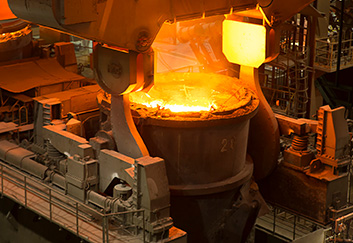
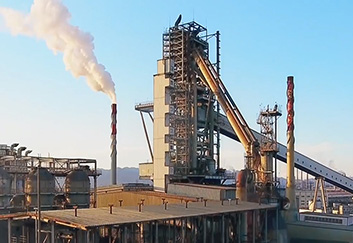
Refractory Plastic Material is widely used across sectors requiring adaptable high-temperature linings: in the steel industry, it lines blast furnace tapholes, tuyere sleeves, and steel ladle well bottoms, enduring molten iron and slag erosion while fitting the irregular shapes of these critical components; in the cement industry, it serves as the lining for cement kiln tertiary air ducts and cooler transition zones, resisting alkaline clinker wear and thermal fluctuations that often damage rigid refractories; in the glass industry, it is applied to glass kiln regenerator grids and burner ports, withstanding acid corrosion and high heat to maintain stable glass production; in waste incineration plants, it repairs furnace walls and ash discharge channels, adapting to uneven surfaces caused by long-term wear—each application leverages Refractory Plastic Material’s unique combination of plasticity and high-temperature durability.


Difference Between Refractory Plastic Materials and High Alumina Cements 

Refractory Plastic Material (Highland) excels as a moldable monolithic refractory, designed to be shaped on-site into irregular, seamless structures (like furnace gaps or custom-shaped linings) where adaptability to complex geometries is the top priority, making it ideal for repairing or lining non-standard high-temperature equipment that cannot accommodate prefabricated parts; High Alumina Cement, by contrast, is a specialized refractory binder, focused on bonding refractory bricks, aggregates, or castables with high strength and heat resistance, enabling stable adhesion between prefabricated or mixed refractory components in both standard and custom systems. Each product serves distinct roles: Refractory Plastic Material dominates irregular structure lining and repair, while High Alumina Cement leads in refractory bonding and component assembly for more conventional setups.


Highland Refractory: Your Best Refractory Plastic Material Manufacturer

Highland Refractory is a trusted producer of high-quality Refractory Plastic Material, backed by 30+ years of refractory expertise—we source high-purity raw materials (high-alumina clinker, fused silica, chrome ore) and use advanced mixing technologies to balance plasticity (ensuring easy on-site shaping) and high-temperature performance (maintaining strength after hardening); every batch undergoes strict quality testing, including checks for plasticity retention time, cold compressive strength, and thermal shock resistance, to meet ISO 9001/CE standards. With an annual production capacity of 60,000 tons and 1,500+ global clients (including leading steel and cement manufacturers), we deliver consistent, reliable Refractory Plastic Material that adapts to diverse industrial needs.


Choose Highland Refractory as Your Refractory Plastic Material Manufacturer

Choosing Highland Refractory for your Refractory Plastic Material needs means accessing tailored excellence and comprehensive support: we offer customization (adjusting raw material composition, plasticity, and maximum service temperature to match your equipment—e.g., high-alumina grades for blast furnaces or silica-based grades for glass kilns), fast delivery (3–7 days for standard types in stock, 10–15 days for custom formulations), and bulk discounts (5–10% off orders ≥ 6 tons). We also provide free samples, detailed technical data sheets, and 24/7 guidance (advising on shaping methods, curing time, and installation best practices), ensuring your Refractory Plastic Material integrates seamlessly into projects and delivers long-term reliability in even the most complex high-temperature environments.

14.可塑料

Q: Can I get free samples of Refractory Plastic Material?

A: Yes, we do offer free samples of our standard Refractory Plastic Material. You only need to cover the shipping cost to your address. For customized Refractory Plastic Material samples with specific properties like different raw material ratios or enhanced plasticity, a small fee may apply, but it will be refunded if you place a large order later.


Q: How long will it take to receive Refractory Plastic Material after ordering?

A: If you order our standard Refractory Plastic Material in stock, you can expect delivery within 3 - 7 days. However, for customized Refractory Plastic Material with particular features such as higher thermal shock resistance or a specific service temperature range, it will take 10 - 15 days as we'll need extra time for production and quality checks. For large - scale bulk orders, we'll work with you to determine a suitable delivery schedule.


Q: What is the packaging of Refractory Plastic Material like?

A: Our Refractory Plastic Material is carefully packaged. It is first wrapped in a moisture - proof film to prevent it from drying out and losing its plasticity during transit. Then, these wrapped units are placed in sturdy wooden crates or large cardboard boxes depending on the quantity. The containers are clearly labeled with handling instructions such as "Keep Away from Heat", "Handle with Care" and all the relevant product details.


Q: What payment methods do you accept for Refractory Plastic Material?

A: We accept T/T (Telegraphic Transfer) and PayPal for payments. Similar to our other products, we require full payment before we dispatch the Refractory Plastic Material. We are constantly exploring additional payment options to make it more convenient for our customers.


Q: Can I get a quality inspection report for Refractory Plastic Material?

A: Absolutely. Every batch of Refractory Plastic Material we produce undergoes strict quality control. You will receive a detailed quality inspection report that includes information about its plasticity retention time, cold compressive strength, thermal shock resistance, and its performance at high temperatures. This will give you confidence in the quality of the product you are purchasing.


Q: What if the Refractory Plastic Material I receive is damaged?

A: We are sorry if you receive damaged Refractory Plastic Material. Please contact our customer service immediately and provide photos and a detailed description of the damage. We will promptly arrange to replace the damaged product with a new, undamaged batch at no extra cost to you.

Send Message If you need our products please write down any questions, we will reply as soon as possible.

    Related Products

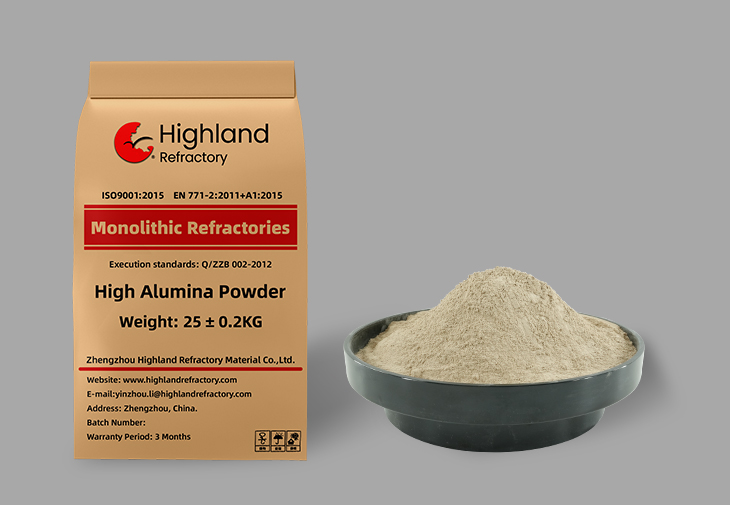
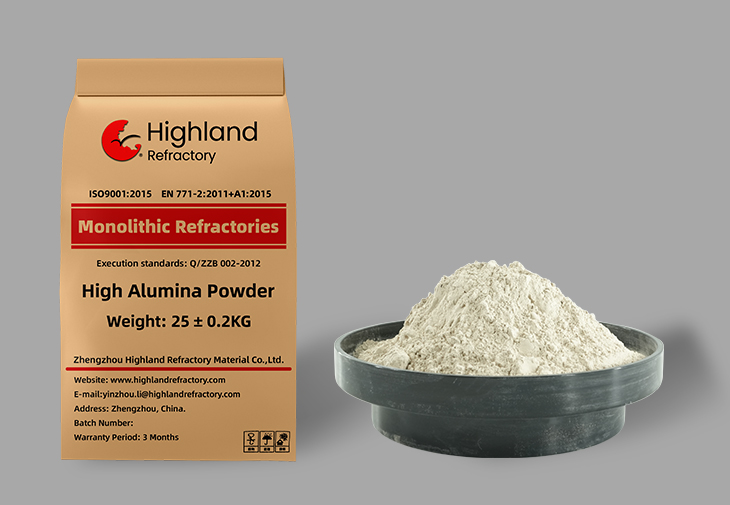
    High Alumina Powder

    High alumina fine powder is a powder material with alumina (Al2O3) as the main component.
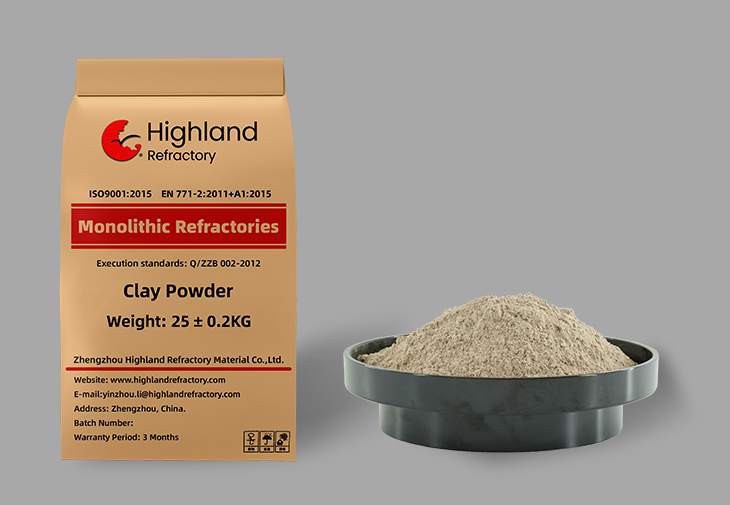
    Clay Powder

    Clay powder is a powdery material with clay minerals as the main component.

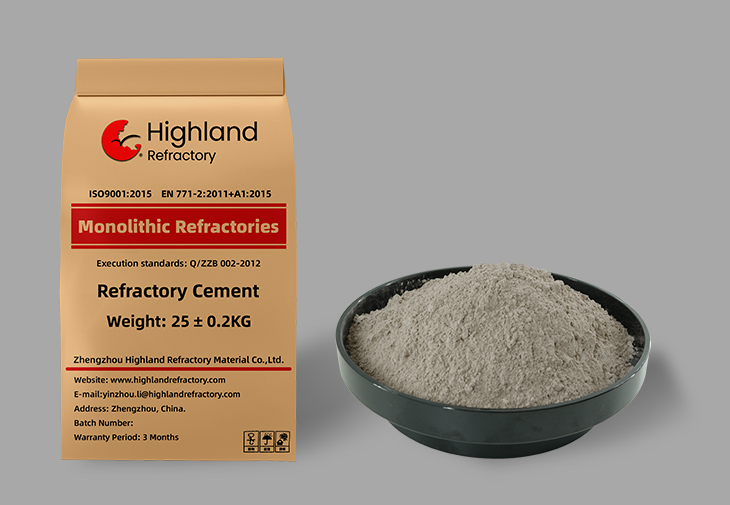
    Refractory Cement

    Refractory cement, also known as aluminate cement, is a fire-resistant hydraulic cementitious material.

    High Alumina Powder

    High alumina fine powder is a powder material with alumina (Al2O3) as the main component.
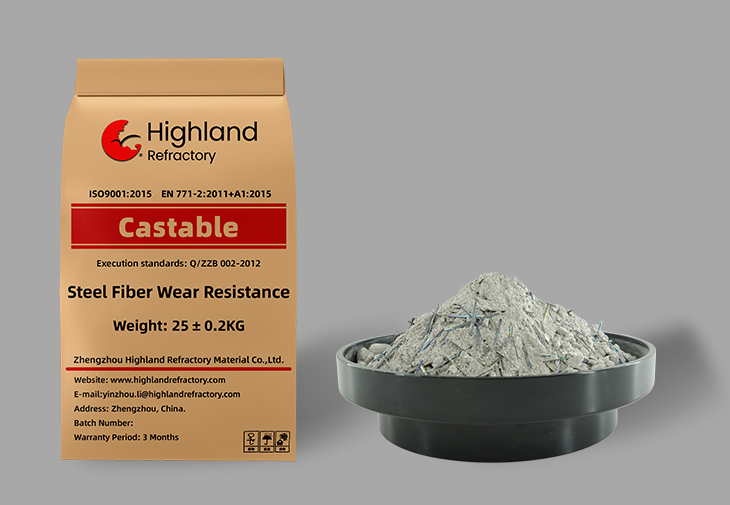
    Steel Fiber Wear Resistance Castable

    Steel fiber wear-resistant castables are widely used in high temperature and wear-resistant environments in many industrial fields such as metallurgy, building materials, and chemicals.

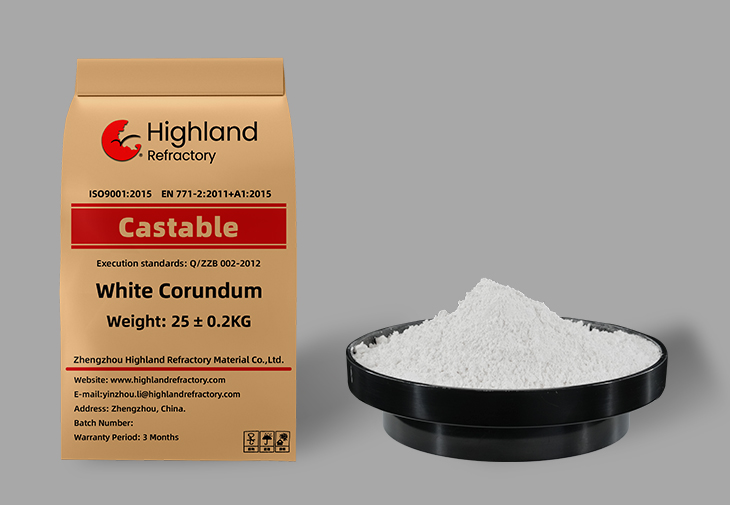
    Corundum Refractory Castable

    White corundum castable is a high-quality high-temperature refractory material with high-purity alumina powder as the main raw material.

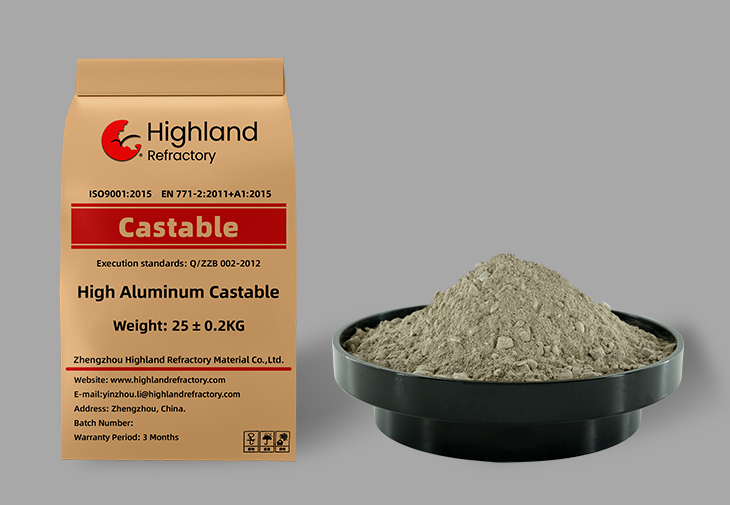
    High Aluminum Castable

    High aluminum castable refers to a refractory castable with Al2O3 content greater than 48%.

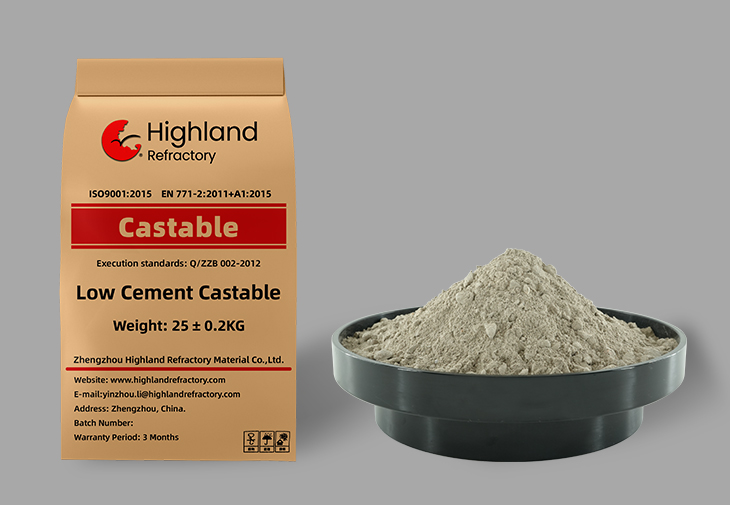
    Low Cement Castable

    Low cement castable refers to castable with low cement content.

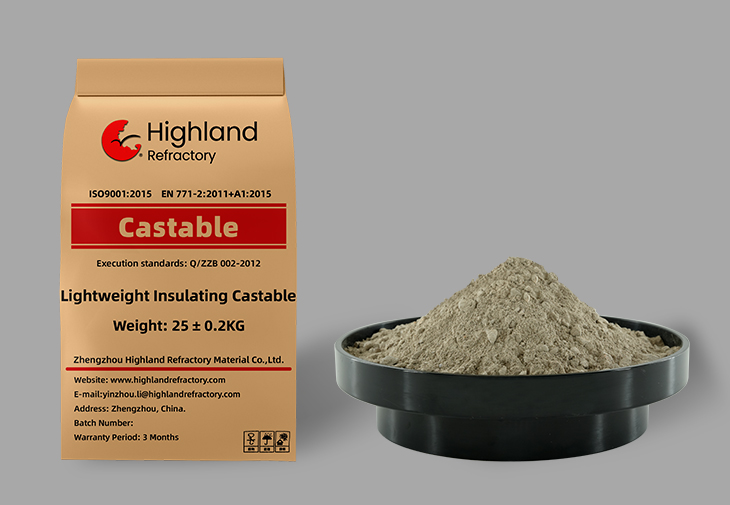
    Lightweight Insulating Castable

    Lightweight ‌ insulation castable is a refractory with low density and excellent insulation properties.

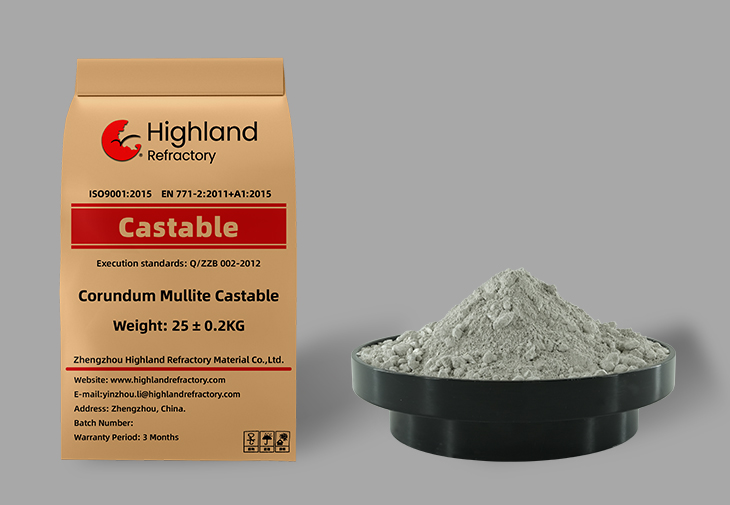
    Corundum Mullite Castable

    Corundum mullite castable is a high-quality high-performance refractory material with high thermal conductivity, insulation, good chemical stability and resistance to reducing agents.

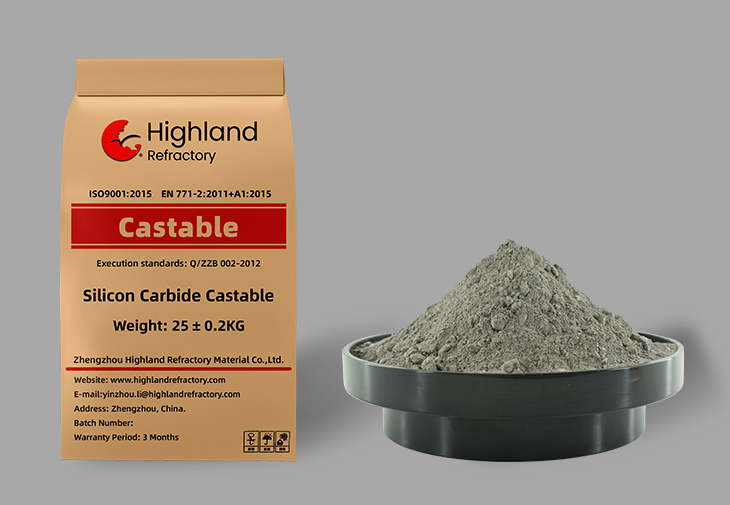
    Silicon Carbide Refractory Castable

    Silicon carbide castable is an amorphous refractory material with silicon carbide as the main component.

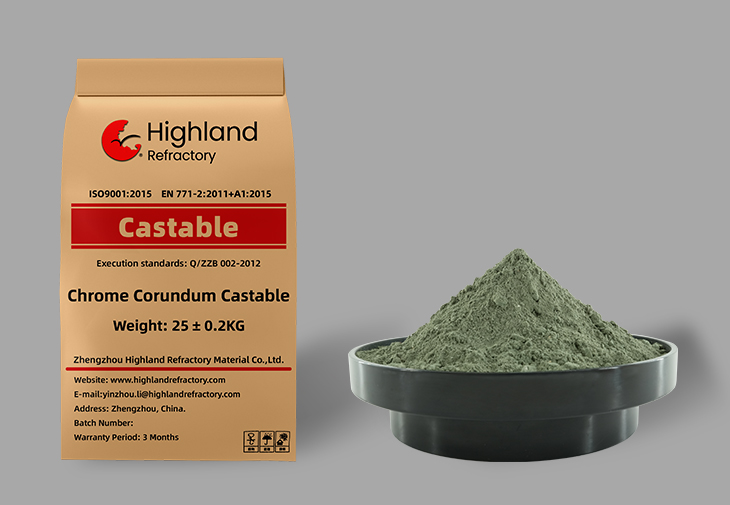
    Chrome Corundum Castable

    Chrome corundum castable is a high-performance amorphous refractory material composed of corundum and chromium. It has high melting point, high hardness, high stability and excellent slag resistance and wear resistance.

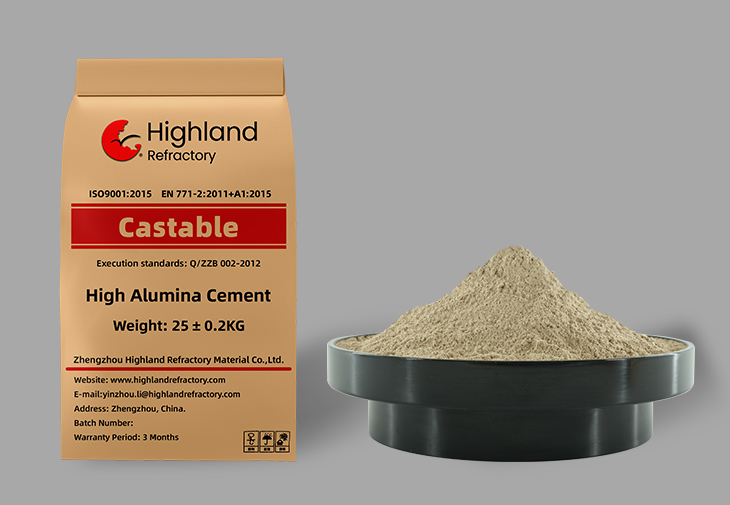
    High Alumina Cement

    high alumina cement is a powder material with alumina (Al2O3) as the main component.
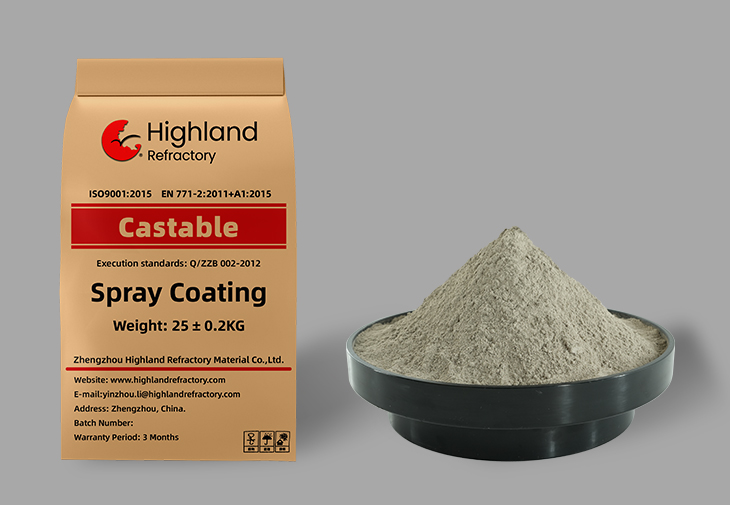
    Refractory Spraying Material

    Refractory spray coating is a kind of amorphous refractory material, which is applied to the lining of thermal equipment by spraying construction method.
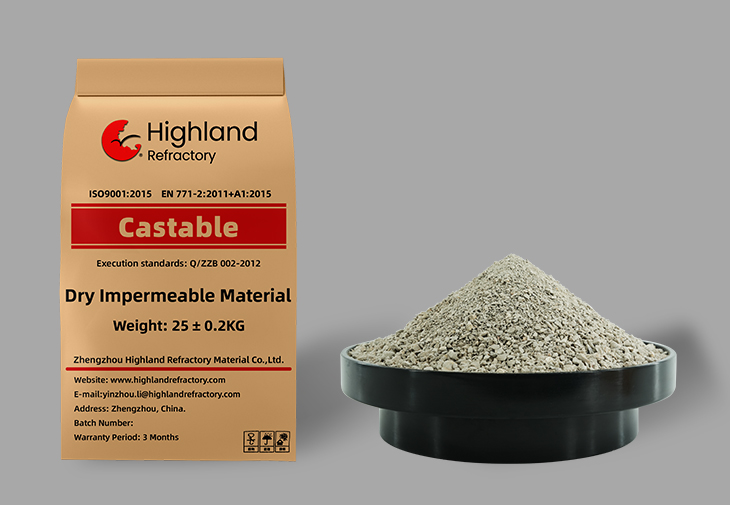
    Dry Impermeable Material

    Widely used in a variety of furnace front package, transfer package, ladle insulation layer...
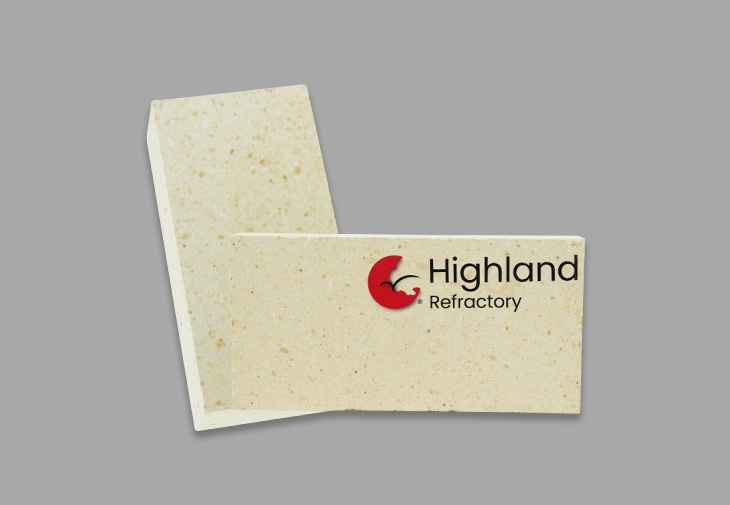
    High Alumina Brick

    Aluminum content 75%-80% Refractory 1770℃ or above

    Clay Insulation Bricks

    Aluminum content 30%~48% Refractoriness above 1400℃

    Fire Clay Brick

    Aluminum content 30%~48% Refractoriness above 1400℃

    Home Tel Mail Inquiry

    Send Message