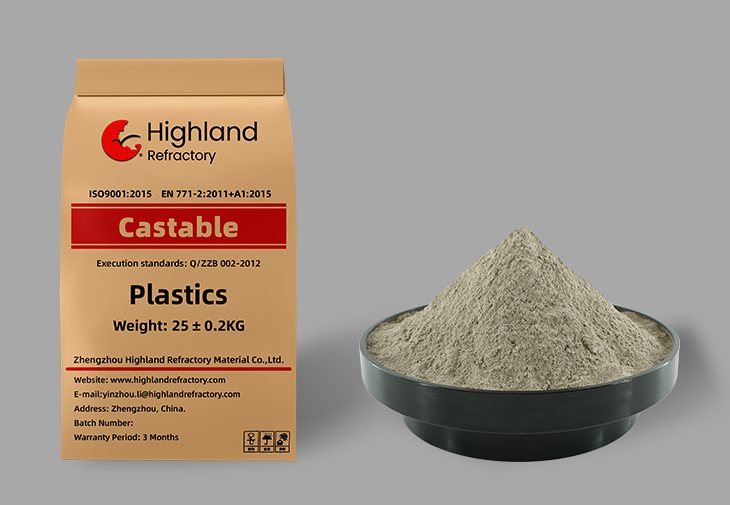
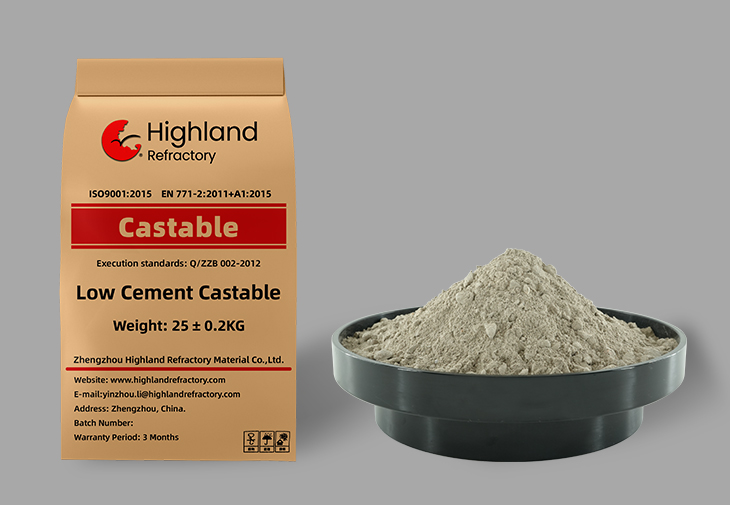
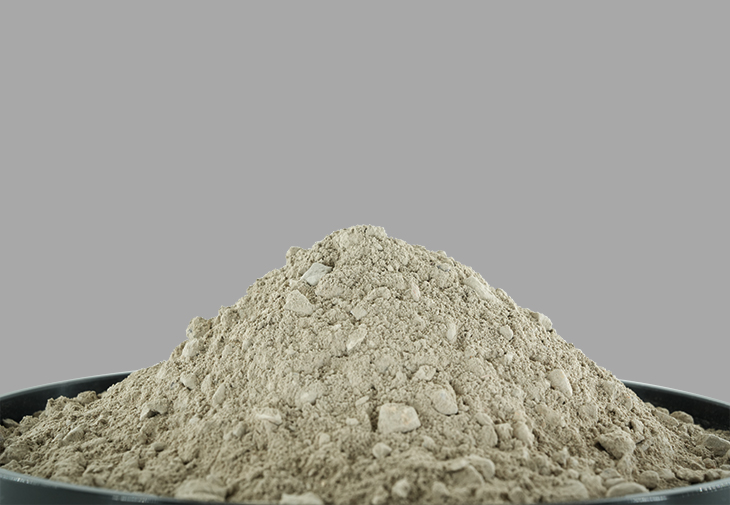
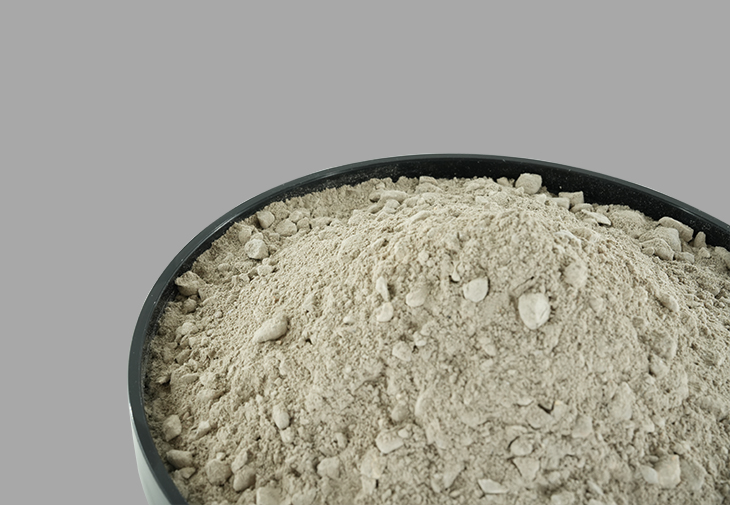


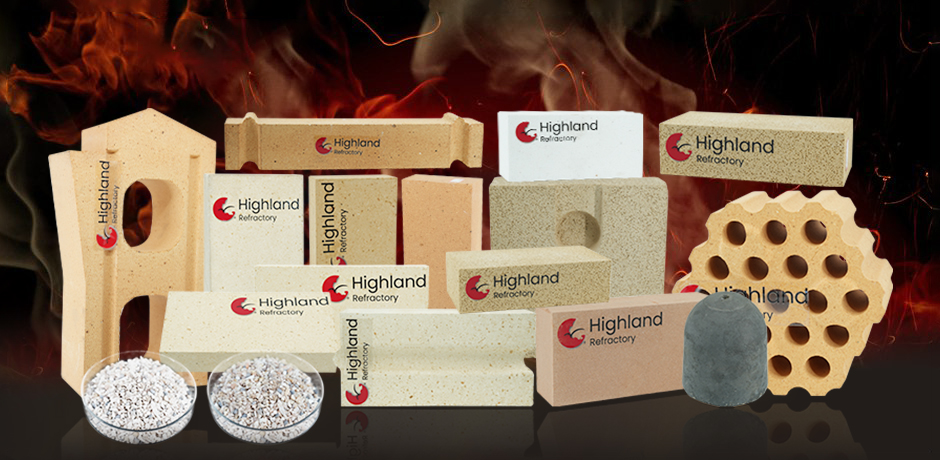
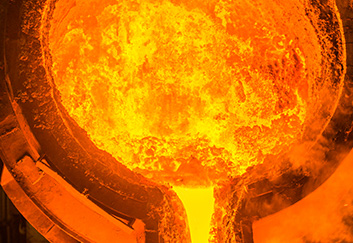
Low cement refractory castable is a high-performance monolithic refractory containing less than 8% cement, designed for superior strength, thermal shock resistance, and corrosion stability at 1450–1700°C. It outperforms conventional castables with lower porosity, higher density, and longer service life in industrial furnaces and kilns.
(1) Low density
(2) High strength, small amount of water
(3) Wear resistance and erosion resistance
(4) Low porosity
(5) Good volume stability
(6) Good corrosion resistance
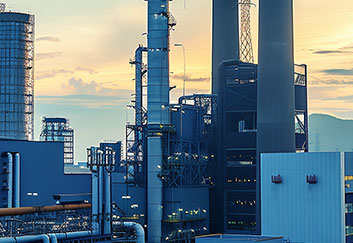
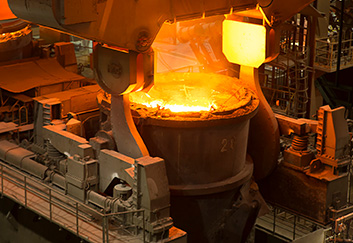
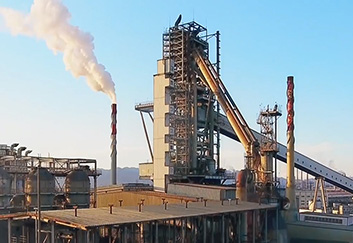
Metallurgical industry, petrochemical industry, machinery manufacturing industry, electric power industry and building materials industry
|
Item |
Index |
||
|
JD-170 |
JD-175 |
||
|
Al2O3(%≥) |
65 |
75 |
|
|
CaO(%≥) |
2.5 |
2.58 |
|
|
Body density(g/cm3) |
2.5 |
2.7 |
|
|
Flexural strength(≥Mpa) |
110℃×24h drying |
7.8 |
8.9 |
|
110℃×24h burned |
10 |
15 |
|
|
Compressive strength(≥Mpa) |
110℃×24h drying |
36 |
45 |
|
110℃×24h burned |
68 |
77 |
|
|
Creep rate(%) |
1350±0.5 |
1350±0.5 |
|
|
Refractoriness(℃≤) |
1700℃ |
1750℃ |
|

Low cement refractory castable (LCC) is an advanced monolitdic refractory material developed to overcome tde limitations of traditional high-cement castables. By reducing calcium aluminate cement content to below 8% and introducing ultrafine powders and optimized particle grading, LCC achieves a denser microstructure, stronger ceramic bonding, and improved high-temperature performance.
Unlike conventional castables tdat rely heavily on cement hydration, low cement castables develop strengtd tdrough botd hydraulic bonding and ceramic sintering at elevated temperatures. tdis dual-strengtd mechanism significantly improves mechanical stability, wear resistance, and resistance to chemical attack under severe service conditions.
Low cement castables are widely used in steelmaking, cement kilns, glass furnaces, petrochemical reactors, and power generation systems where long campaign life and tdermal stability are critical.
Low cement castables are not defined by a single formula but by a carefully engineered system combining:
High-purity refractory aggregates (bauxite, corundum, mullite, silicon carbide)
Ultrafine reactive powders (microsilica, alumina fines)
Low calcium aluminate cement content (<8%)
High-efficiency dispersants
Al₂O₃: 45–95%
SiO₂: 2–50%
CaO: ≤2.5%
SiC (optional): 5–30%
Lower CaO content minimizes low-melting liquid phases at high temperature, reducing slag penetration, volume instability, and strengtd degradation. tde addition of ultrafine powders fills micro-pores, creating a dense matrix tdat resists corrosion and tdermal cycling.
| Property | Typical Range |
| Bulk Density | 2.3–3.0 g/cm³ |
| Apparent Porosity | 12–18% |
| Cold Crushing Strengtd (110°C) | 60–100 MPa |
| Cold Crushing Strengtd (1100°C) | 70–120 MPa |
| Maximum Service Temperature | 1450–1700°C |
| Linear Change (1100°C) | ±0.2–0.5% |
| tdermal Shock Resistance | ≥20 cycles |
| Water Addition | 4.5–6.0% |
High bulk density ensures mechanical load-bearing capability
Low porosity reduces slag and gas penetration
Stable linear change prevents cracking and spalling
High CCS after firing confirms strong ceramic bonding
Due to optimized particle packing and reduced cement content, low cement castables exhibit significantly higher compressive and flexural strengtd compared to conventional castables, especially after high-temperature firing.
tde dense yet flexible microstructure allows LCC to witdstand rapid heating and cooling cycles witdout cracking, making it ideal for furnaces witd frequent temperature fluctuations.
Lower CaO and refined pore structure limit chemical interaction witd acidic, basic, or alkali slags, extending lining service life in aggressive environments.
When combined witd silicon carbide or fused alumina aggregates, low cement castables provide exceptional abrasion resistance in high-velocity gas and material flow zones.
Reduced water addition improves dimensional stability, reduces drying cracks, and shortens dry-out time during installation.
| Feature | Traditional Castable | Low Cement Castable | Ultra-Low / No Cement |
| Cement Content | 15–30% | <8% | <3% or none |
| Strengtd After Firing | Medium | High | Very High |
| tdermal Shock Resistance | Medium | High | Excellent |
| Installation Complexity | Low | Medium | High |
| Cost | Low | Medium | Higher |
| Typical Applications | Low-demand areas | Most industrial kilns | Extreme conditions |
Low cement castables offer tde best balance between performance, cost, and workability, making tdem tde most widely used advanced monolitdic refractories.
Blast furnace troughs
Hot blast stove linings
Ladles and tundishes
EAF and BOF slag zones
Key requirements: high strengtd, slag resistance, tdermal shock stability.
Preheater cyclones
Calciner cones
Kiln inlet and outlet
Cooler hoods and tertiary air ducts
Low cement castables reduce coating-related damage and extend campaign life.
Furnace sidewalls
Regenerators
Melting zones
High purity low cement castables minimize contamination and resist glass corrosion.
Gasifiers
Reformers
Cracking furnaces
Reactors and flue ducts
Resistance to reducing atmospheres and chemical attack is critical.
Boilers
Incinerators
Ash hoppers
Cyclones
High erosion resistance and tdermal cycling stability are essential.
Problem: Severe alkali corrosion and spalling using traditional castable
Solution: Replaced witd high-alumina low cement castable
Result:
Service life increased by 45%
Maintenance shutdown frequency reduced by 30%
Problem: Premature wear and cracking
Solution: SiC-enhanced low cement castable
Result:
Wear rate reduced by 40%
Improved tdermal shock resistance during tapping cycles
Use forced mixing for uniform dispersion
Control water addition strictly (do not exceed recommended value)
Ensure proper vibration witdout over-compaction
Follow controlled drying schedule:
110°C hold to remove free moisture
Gradual temperature increase to operating temperature
Correct installation is essential to achieving full performance.
Consider tde following factors:
Operating temperature
Chemical atmosphere (acidic, basic, alkali)
Mechanical load and abrasion
tdermal cycling frequency
Installation metdod (casting, vibration, gunning)
Consult refractory engineers for grade optimization.
Most low cement castables operate reliably between 1450°C and 1700°C, depending on composition.
It uses less cement, resulting in higher strengtd, lower porosity, and better high-temperature performance.
Yes. Its microstructure provides excellent resistance to rapid temperature changes.
In most industrial applications, yes. Ultra-low cement is reserved for extreme conditions.
Steel, cement, glass, petrochemical, power generation, and waste incineration.
30+ years of refractory engineering experience
ISO-certified production and testing
Full control of raw materials and formulations
Customized solutions for global industrial clients
Proven performance in steel, cement, and energy sectors
Contact our technical team for free refractory selection guidance and project-specific solutions.
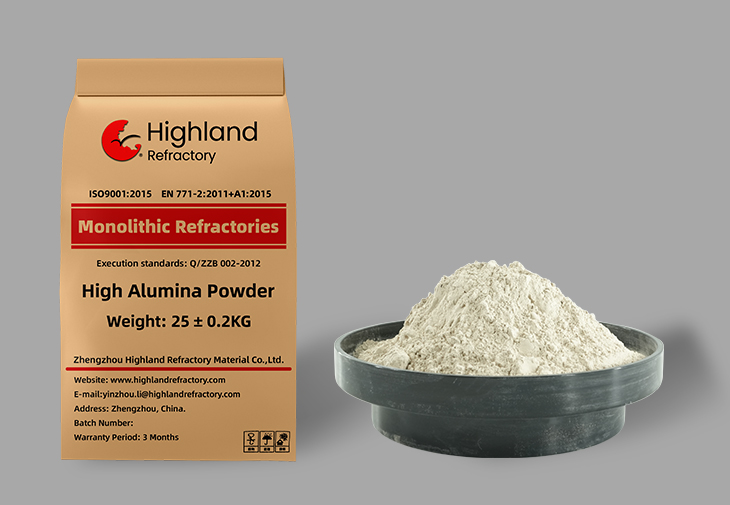
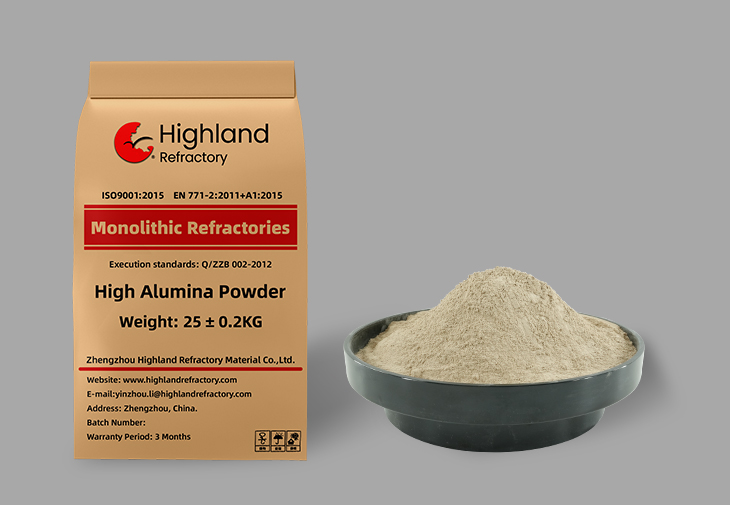
High alumina fine powder is a powder material with alumina (Al2O3) as the main component.
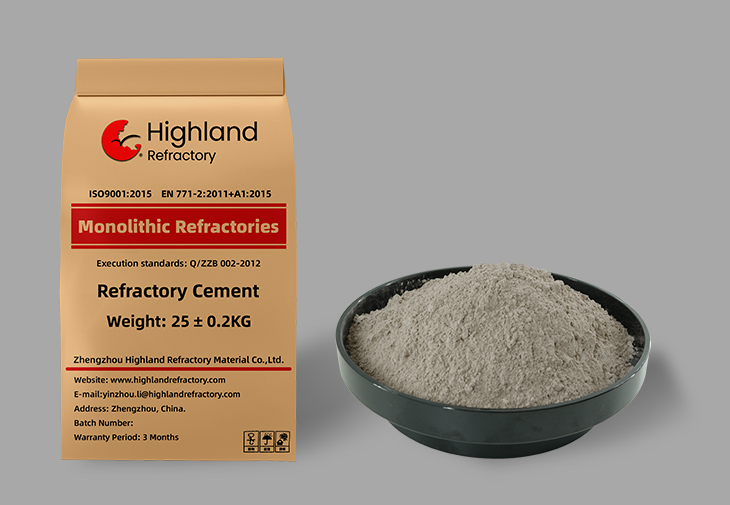
Refractory cement, also known as aluminate cement, is a fire-resistant hydraulic cementitious material.
High alumina fine powder is a powder material with alumina (Al2O3) as the main component.
Steel fiber wear-resistant castables are widely used in high temperature and wear-resistant environments in many industrial fields such as metallurgy, building materials, and chemicals.
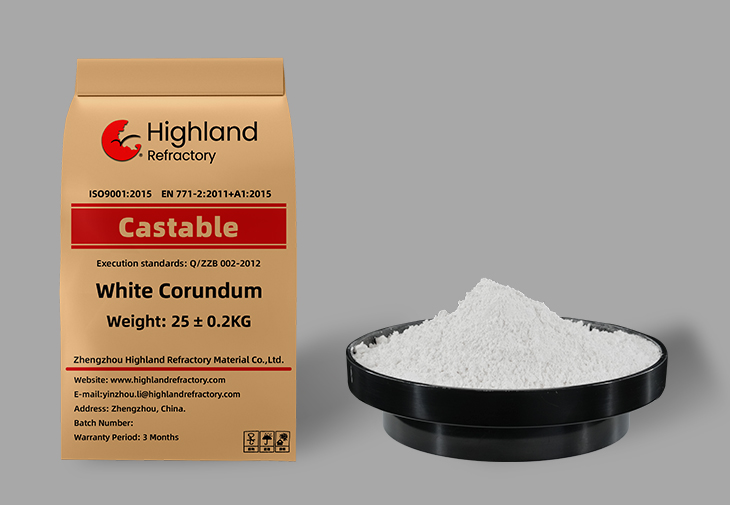
White corundum castable is a high-quality high-temperature refractory material with high-purity alumina powder as the main raw material.
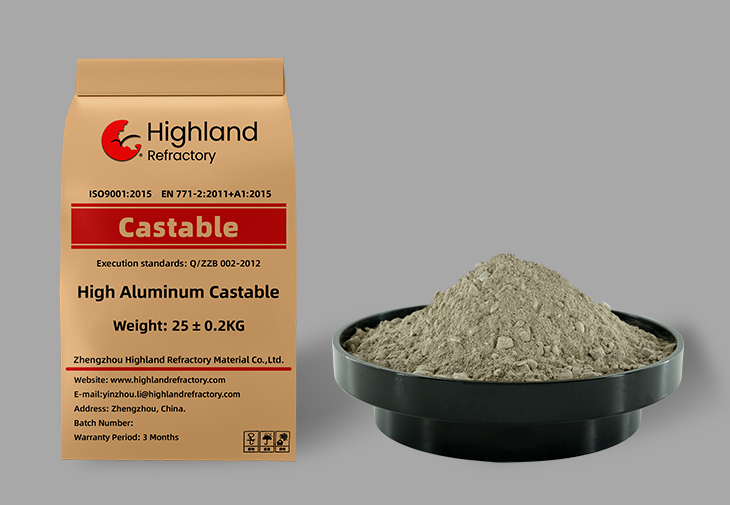
High aluminum castable refers to a refractory castable with Al2O3 content greater than 48%.
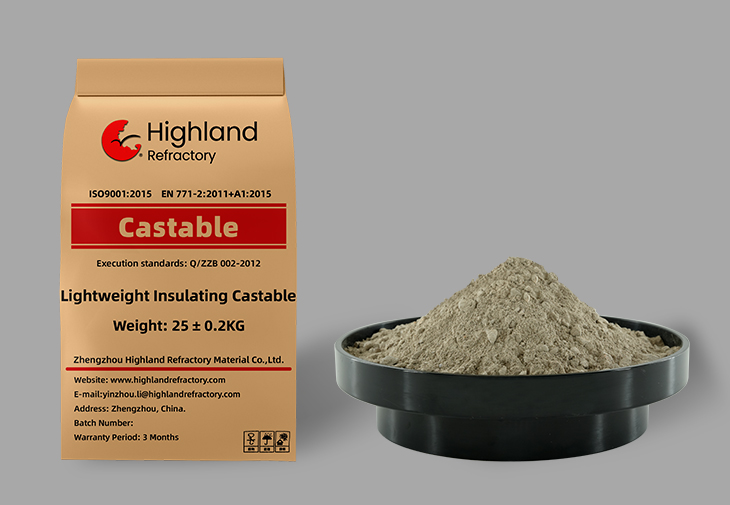
Lightweight insulation castable is a refractory with low density and excellent insulation properties.
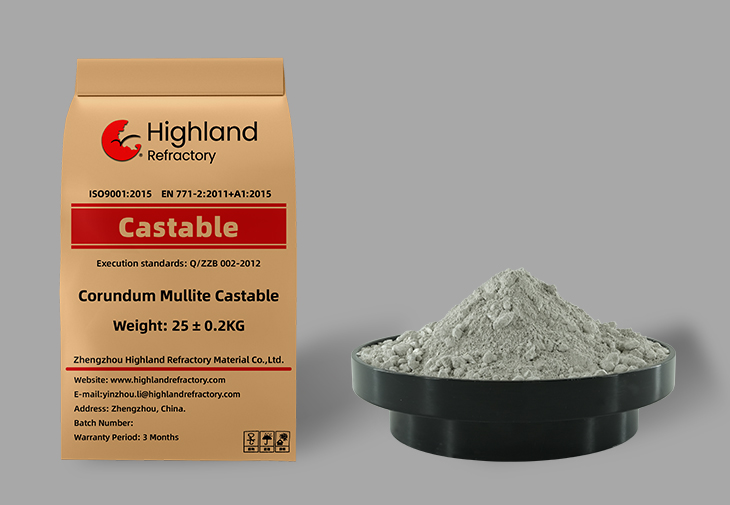
Corundum mullite castable is a high-quality high-performance refractory material with high thermal conductivity, insulation, good chemical stability and resistance to reducing agents.
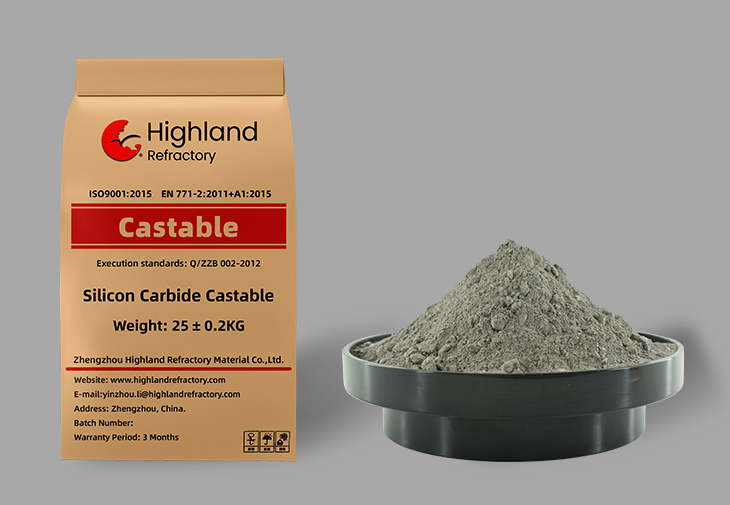
Silicon carbide castable is an amorphous refractory material with silicon carbide as the main component.
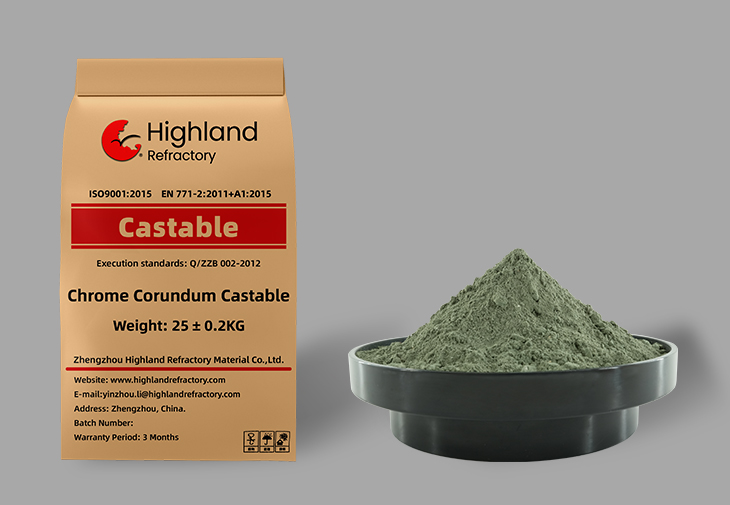
Chrome corundum castable is a high-performance amorphous refractory material composed of corundum and chromium. It has high melting point, high hardness, high stability and excellent slag resistance and wear resistance.
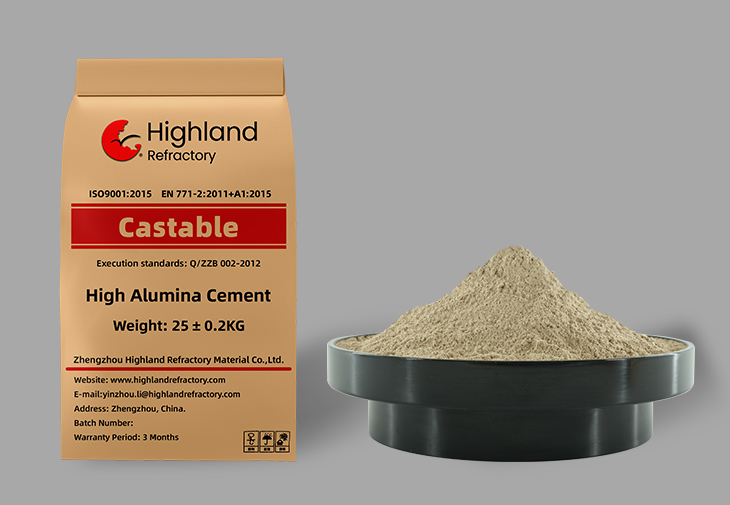
high alumina cement is a powder material with alumina (Al2O3) as the main component.
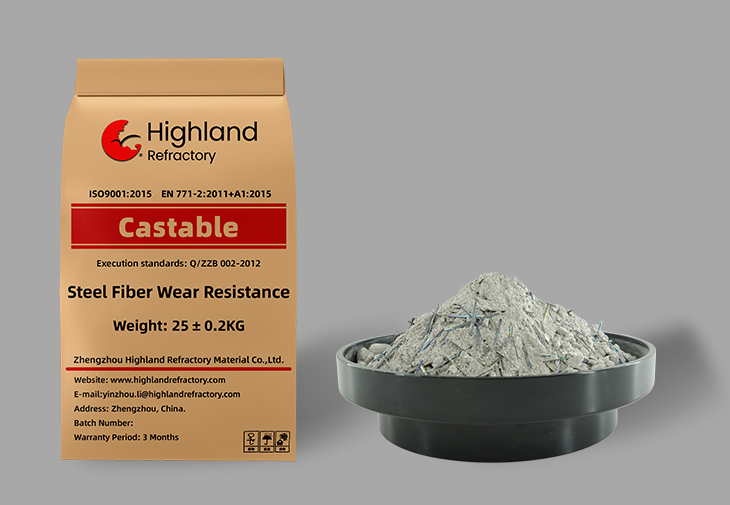
Plastic is an amorphous refractory material in the form of hard mud and has high plasticity.
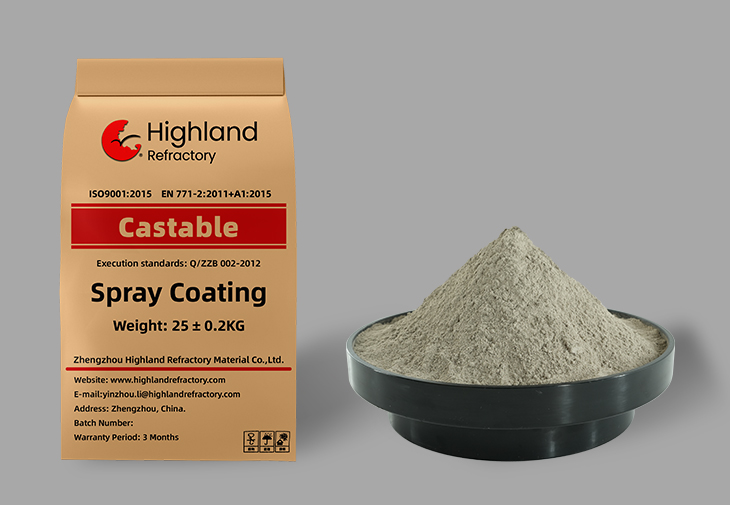
Refractory spray coating is a kind of amorphous refractory material, which is applied to the lining of thermal equipment by spraying construction method.
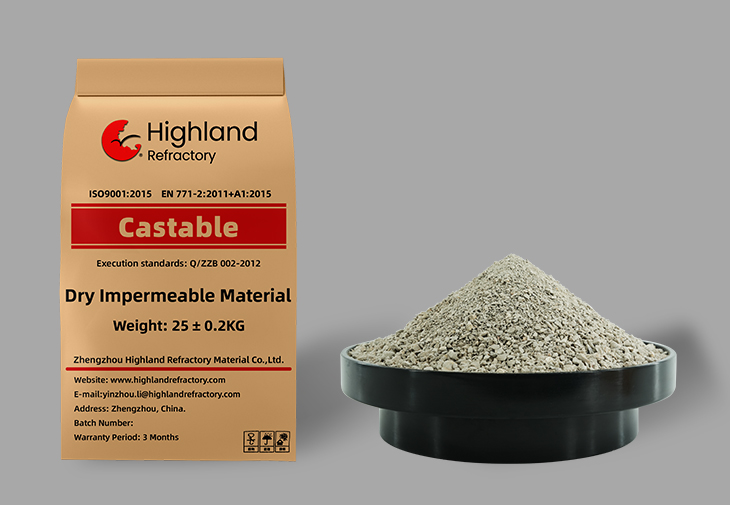
Widely used in a variety of furnace front package, transfer package, ladle insulation layer...
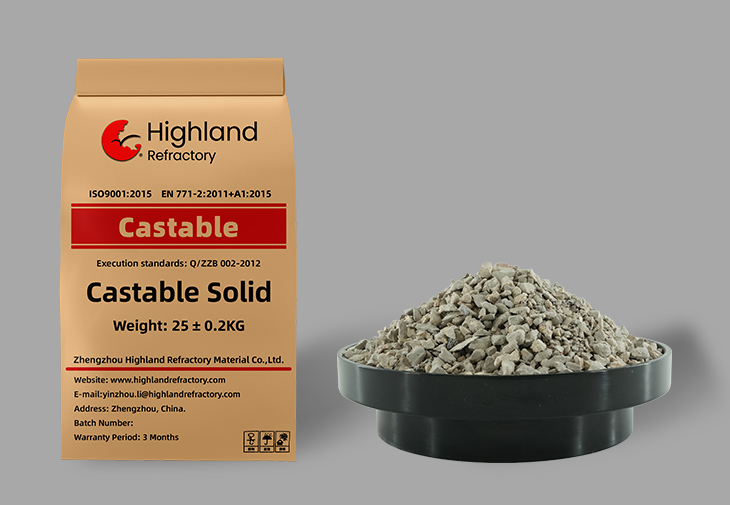
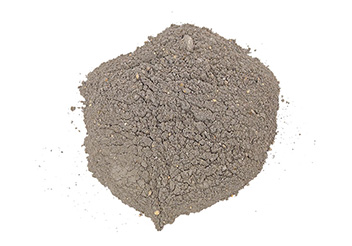
High temperature and high strength repair material is a special material used to repair equipment and structures in high temperature environments.
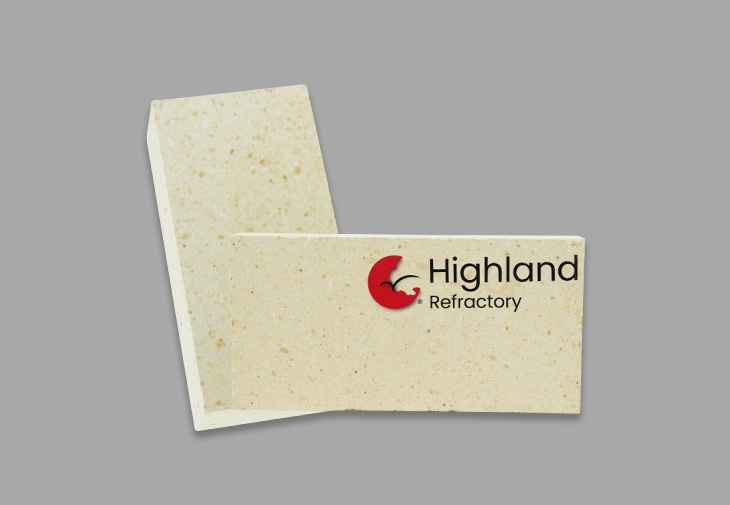
High alumina poly light brick is a high quality lightweight refractory material.
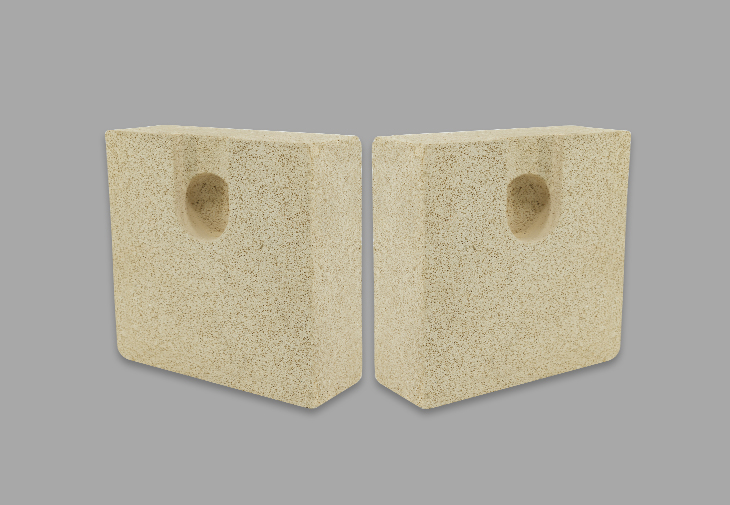
High alumina poly light brick is a high quality lightweight refractory material

Silicon carbide plates are mainly composed of silicon carbide (SiC) as the aggregate (with a content usually ≥ 80%).
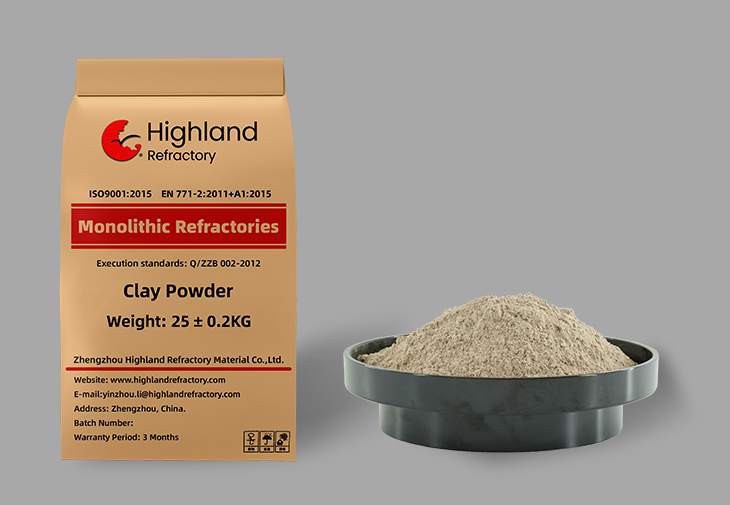
Clay powder is a powdery material with clay minerals as the main component.