
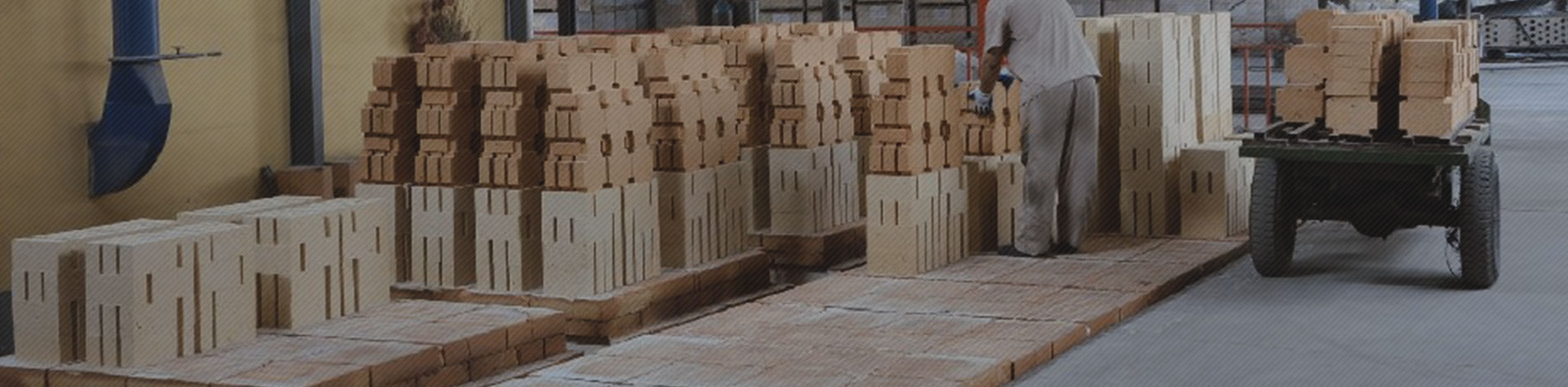
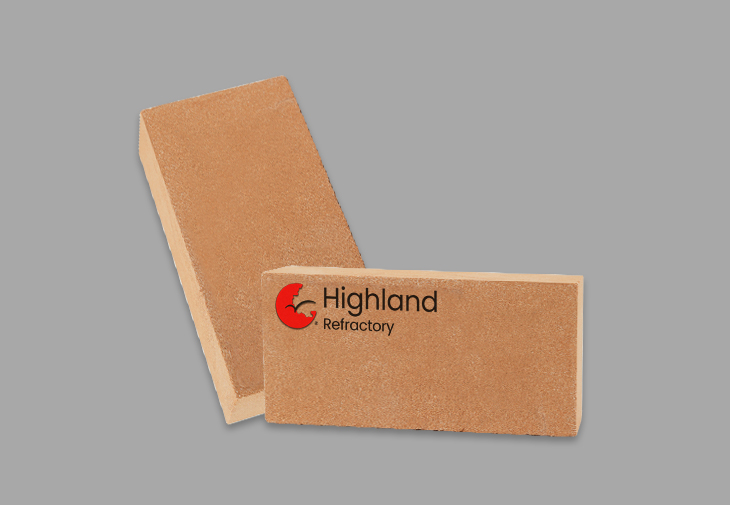
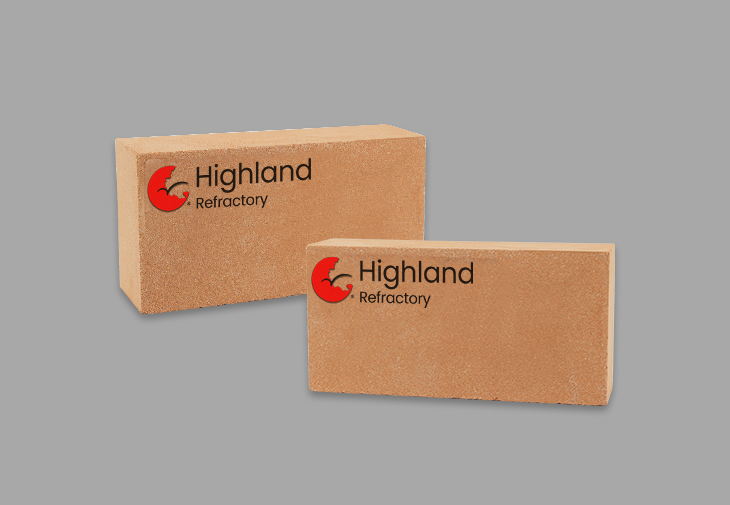
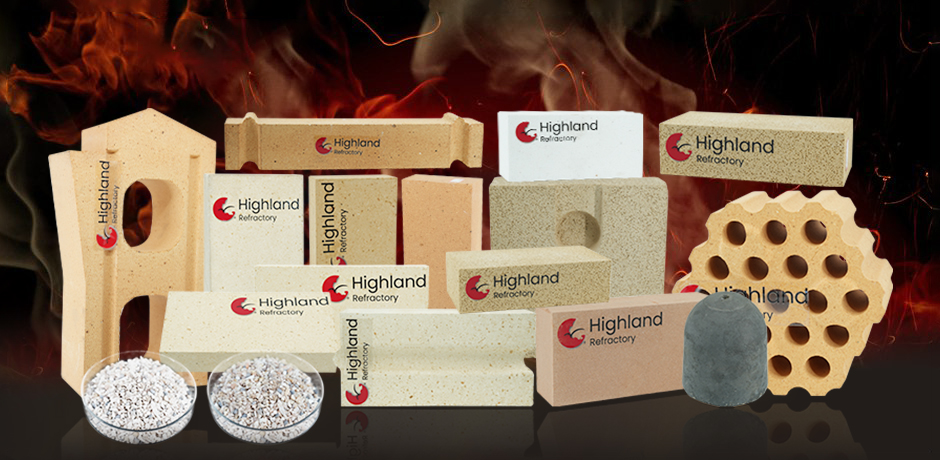
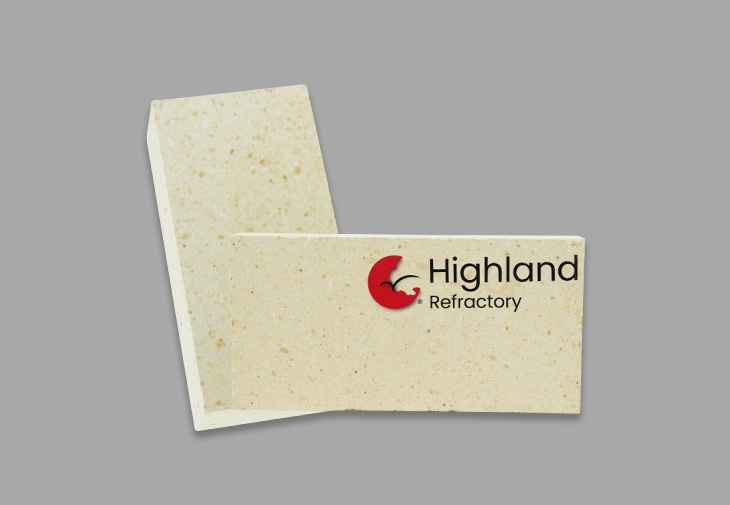
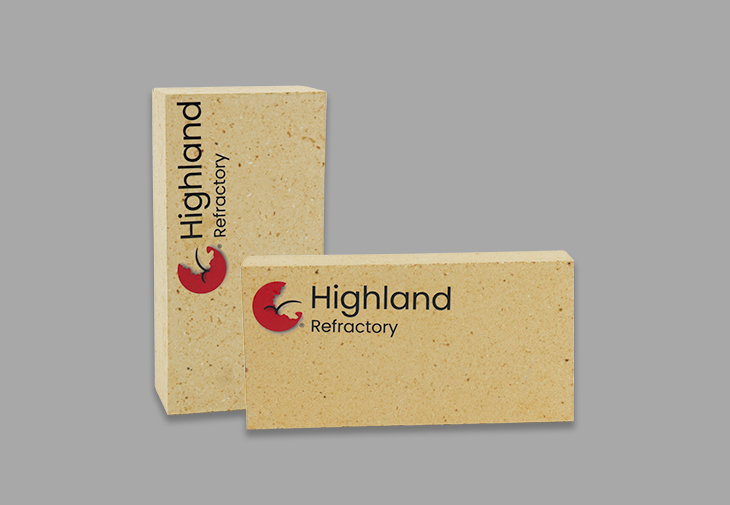
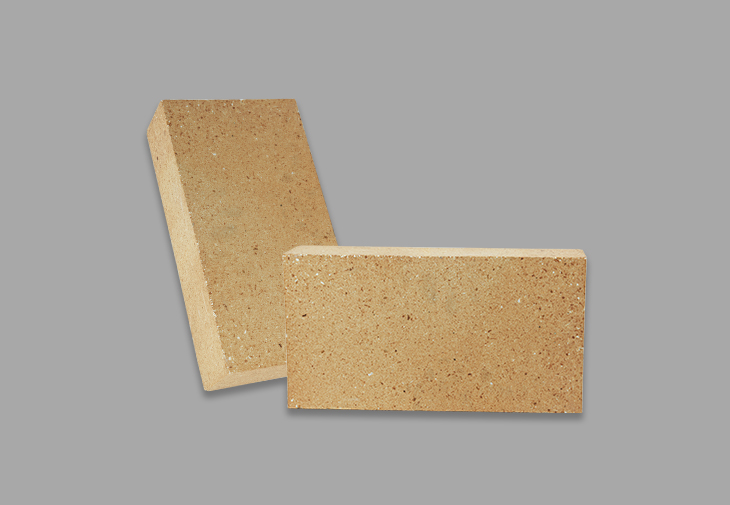
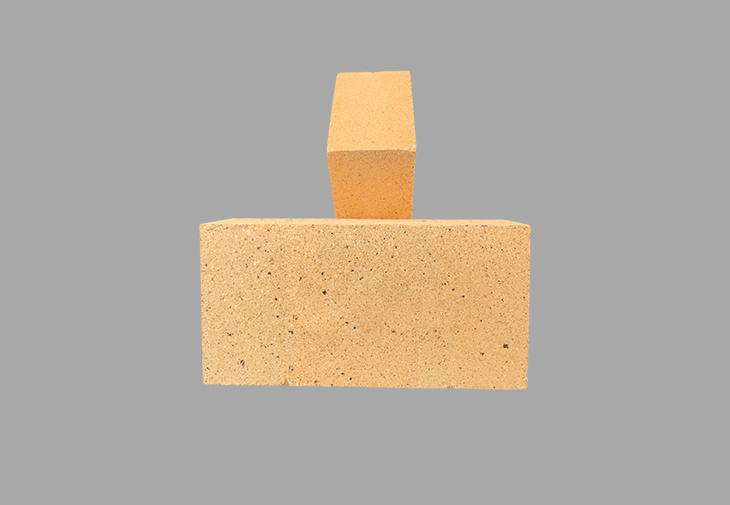
With Al2O3 content ranging from 30% to 48%,Fire Clay Brick is a kind of refractory material which is made from clay clinker as an aggregate and refractory clay as bonding agent.
Clay Insulation bricks are weakly acidic refractory products that can resist the erosion of acidic slag and acidic gas.
Insulation Bricks are widely used in heat preservation-focused sectors: in metallurgy, they line steel ladle outer walls to reduce molten metal heat loss; in building materials, they insulate cement kiln preheaters and glass furnace regenerators; in power, they wrap boiler walls and steam pipelines to improve energy use; in petrochemicals, they line reaction vessel insulation zones to control surface temperatures. Each use leverages Insulation Bricks’ reliable energy-saving performance.
(1)High temperature resistance.
(2)High wear resistance.
(3)It is weakly acidic at high temperatures.
(4)Strong erosion resistance.
(5)Good volume stability.
(6)low cost.
(1)High temperature clay bricks are widely used in metallurgy, glass, cement, ceramics, chemical and other high temperature industrial fields.
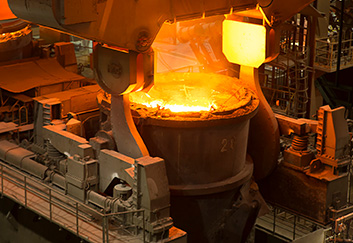
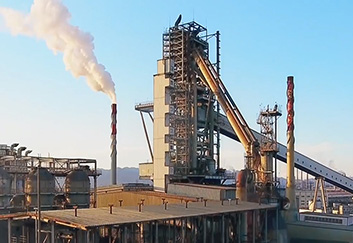
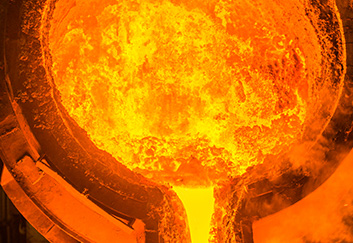
(2)Iron and steel manufacturing industry:
blast furnace,hot blast furnace,cupola furnace,teeming ladle,steel casting system,soaking furnace,heating furnace.
(3)Chemical industry:
kilns for silicate industry and chemical industry.
(4)Nonferrous metal smelting furnace.

|
Item |
Index |
||||||||
|
Model |
N-1 |
N-2a |
N-2b |
N-3a |
N-3b |
N-4 |
N-5 |
N-6 |
|
|
Refractory temperature(℃≥) |
1750 |
1730 |
1730 |
1710 |
1710 |
1690 |
1670 |
1580 |
|
|
Bulk densityg/cm3 |
2.1 |
-- |
-- |
-- |
-- |
2.0 |
-- |
2.0 |
|
|
Softening temperature under load[0.2MPa*0.6%]≥ |
1400 |
1350 |
-- |
1320 |
-- |
1300 |
-- |
-- |
|
|
Reburning line change rate(%) |
1400℃*2h |
+0.1-0.4 |
+0.1-0.5 |
+0.1-0.5 |
-- |
-- |
-- |
-- |
-- |
|
1400℃*2h |
-- |
-- |
-- |
+0.2-0.5 |
+0.2-0.5 |
+0.2-0.5 |
+0.2-0.5 |
-- |
|
|
Apparent porosity(%≤) |
22 |
26 |
24 |
24 |
26 |
24 |
26 |
28 |
|
|
Normal temperature compressive strength(MPa≥) |
30.0 |
20.0 |
25.0 |
20.0 |
15.0 |
20.0 |
15.0 |
15.0 |
|
Highland Refractory classifies Insulation Bricks based on raw material and thermal performance to fit diverse temperature needs, including Lightweight Clay Insulation Bricks (for 800-1200℃, like industrial furnace insulation layers), High-Alumina Insulation Bricks (Al₂O₃ ≥40%, for 1200-1500℃ such as cement kiln preheaters), and Ceramic Fiber Insulation Bricks (bulk density ≤0.8g/cm³, for low-heat-loss boiler outer walls). Each type of Insulation Bricks uses porous aggregates and low-thermal-conductivity binders, balancing heat retention and structural stability.
Highland’s Insulation Bricks stand out in energy efficiency and usability: their low thermal conductivity (≤0.6W/(m·K) at 800℃) cuts equipment heat loss by 20-30%, reducing energy costs; their lightweight design (0.8-1.8g/cm³) eases installation and lowers structural load; they also resist thermal shock, withstanding frequent temperature changes without cracking—key for furnaces with regular startup/shutdown. These traits make Insulation Bricks a cost-effective choice for boosting thermal efficiency.
Insulation Bricks are widely used in heat preservation-focused sectors: in metallurgy, they line steel ladle outer walls to reduce molten metal heat loss; in building materials, they insulate cement kiln preheaters and glass furnace regenerators; in power, they wrap boiler walls and steam pipelines to improve energy use; in petrochemicals, they line reaction vessel insulation zones to control surface temperatures. Each use leverages Insulation Bricks’ reliable energy-saving performance.
Insulation Bricks (Highland) excel in passive thermal insulation, with porous structures and low thermal conductivity prioritizing heat loss reduction—ideal for equipment insulation layers or low-wear high-temperature zones. High Alumina Bricks, by contrast, focus on high-temperature strength and corrosion resistance (withstanding up to 1700℃), making them perfect for structural linings directly contacting molten metals or harsh slag. Insulation Bricks dominate energy-saving tasks, while High Alumina Bricks lead in heavy-duty structural protection.
Highland Refractory is a trusted maker of high-quality Insulation Bricks, with 30+ years of expertise, ISO 9001/CE certification, and 60,000-ton annual capacity. We use precise sintering to ensure consistent thermal performance in each batch of Insulation Bricks, conduct strict tests (thermal conductivity, strength), and tailor formulations (e.g., adjusting density for lightweight needs) for 1,500+ global clients across industries.
Choosing Highland means customized Insulation Bricks (per your equipment—e.g., high-alumina for cement kilns or ceramic fiber for boilers), fast delivery (3-7 days in stock, 10-15 days custom), and bulk discounts (5-10% off ≥8 tons). We also offer free samples, technical data sheets, and 24/7 guidance, ensuring your Insulation Bricks deliver long-term energy savings.

A: Yes, we do provide free samples of our Insulation Bricks. You'll just need to cover the shipping cost to your specified address. If you're interested in customized Insulation Bricks with specific features, a small charge might apply, but it will be refunded if you place a large - scale order later.
A: For our standard stock of Insulation Bricks, you can expect delivery within 3 - 7 business days. However, if you've ordered customized Insulation Bricks, which require special production processes or materials, it may take 10 - 15 business days. For bulk orders, we'll work closely with you to determine a suitable and timely delivery schedule.
A: Our Insulation Bricks are carefully packaged to ensure their safe arrival. They are first wrapped in a layer of shock - absorbing foam to protect them from impacts during transit. Then, they are placed in sturdy wooden crates or reinforced cardboard boxes, depending on the quantity of the order. The packaging is clearly labeled with handling instructions such as "Fragile", "Handle with Care" and all the relevant product details.
A: We accept several payment methods for your convenience. You can pay via T/T (Telegraphic Transfer), which is a common and reliable option. We also accept payments made through PayPal, providing a quick and secure online payment solution. We are constantly exploring additional payment options to make the purchasing process even easier for our customers.
A: We apologize if you receive damaged Insulation Bricks. Please contact our customer service team immediately. Provide them with clear photos of the damage and a detailed description of the problem. We will promptly arrange to replace the damaged bricks with new, undamaged ones at no extra cost to you. We strive to ensure your complete satisfaction with our products.
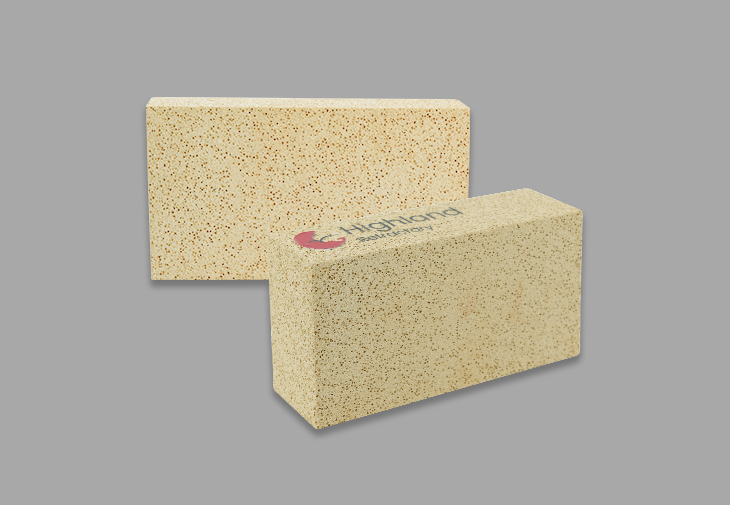
High alumina poly light brick is a high quality lightweight refractory material.
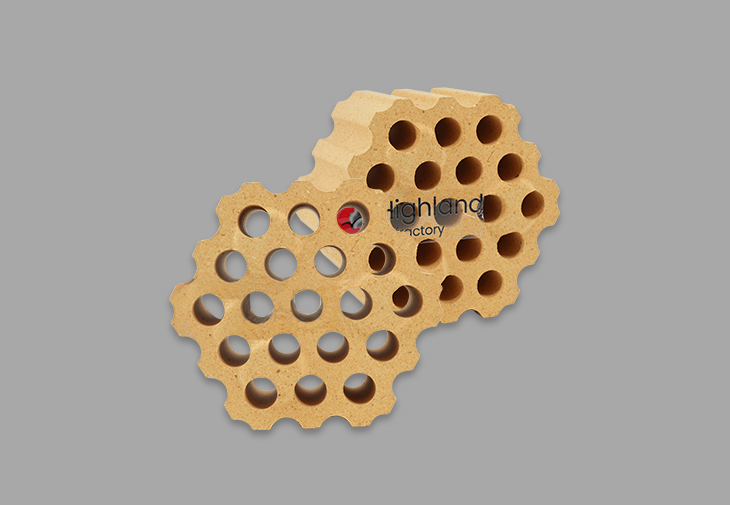
Checker bricks are heat transfer media used in the regenerative chambers of blast furnaces and hot blast stoves.
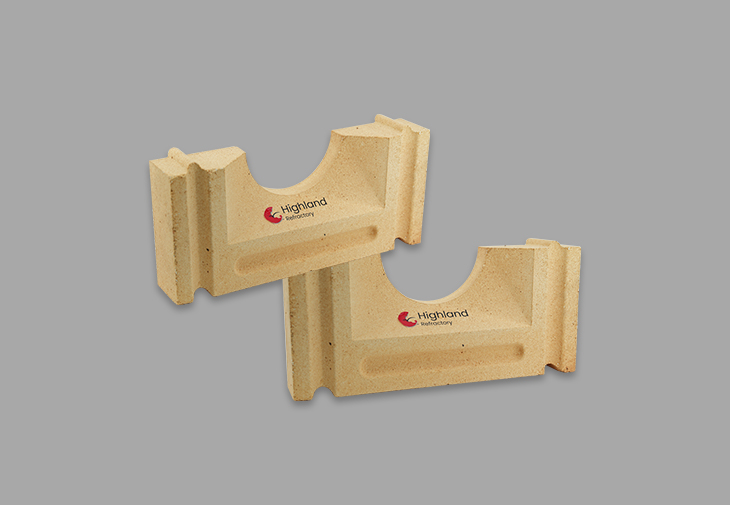
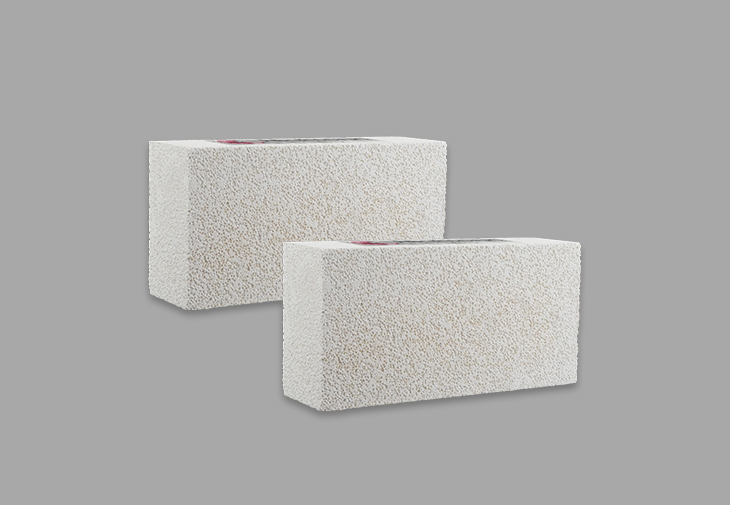
Mullite lightweight insulation brick is a high-quality insulation material.
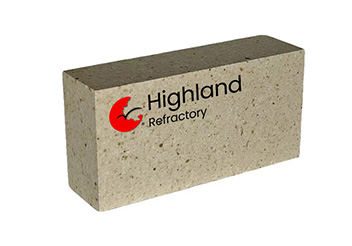
Low creep clay bricks have a low creep rate in high temperature environments and can maintain good shape and dimensional stability for a long time.
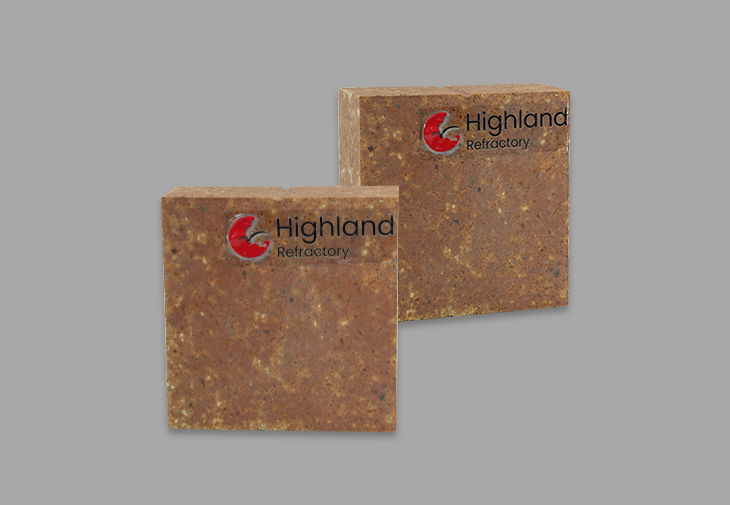
Silica-molybdenum bricks have high resistance to chemical erosion and excellent wear resistance, and are the preferred material for the transition zone and preheating zone of large cement kilns.
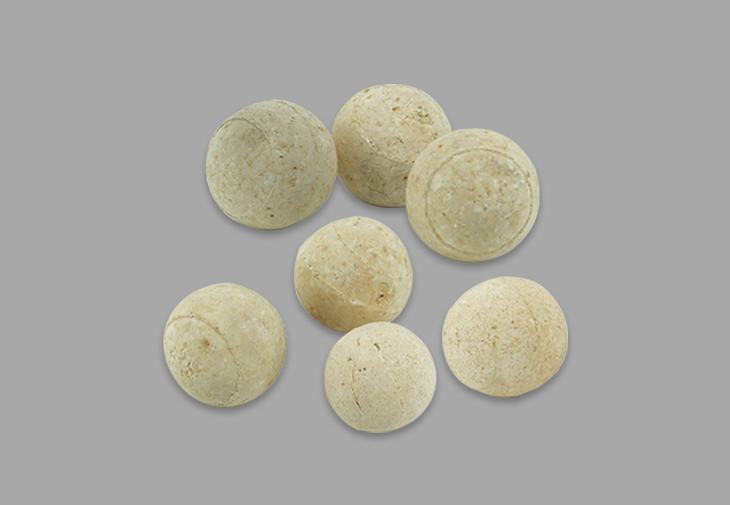
Made from industrial alumina and refractory kaolin as the main raw materials, produced through scientific formulation...