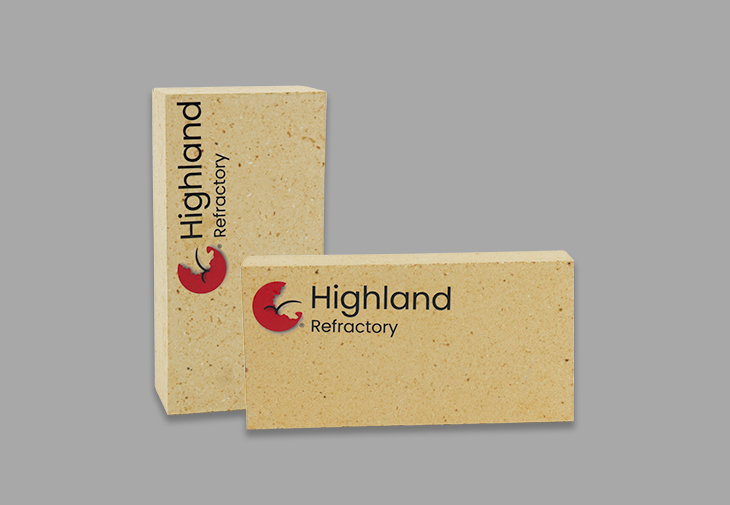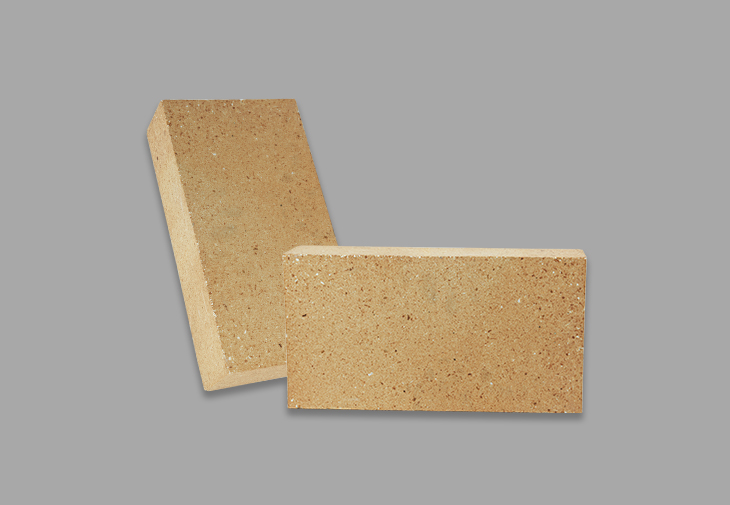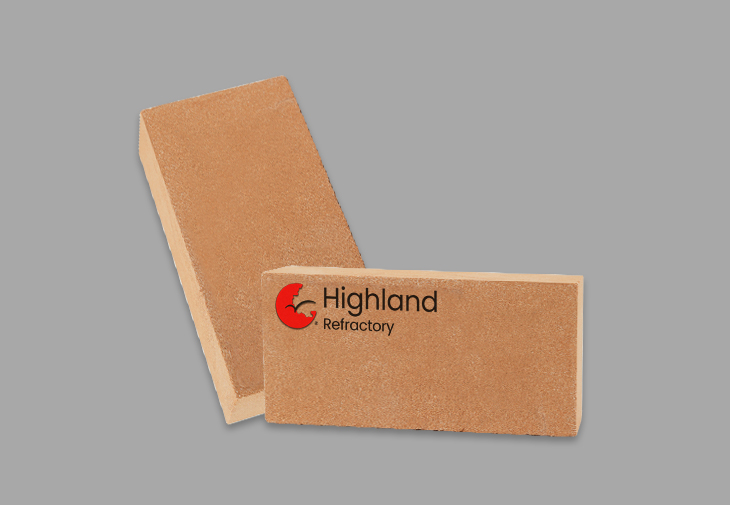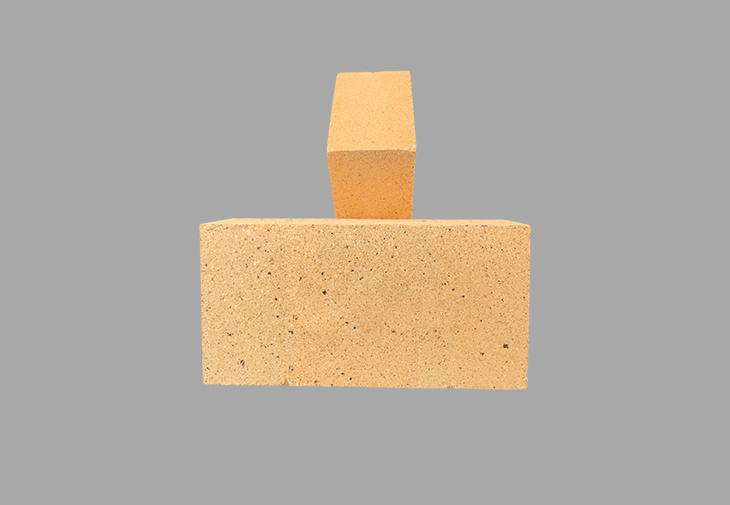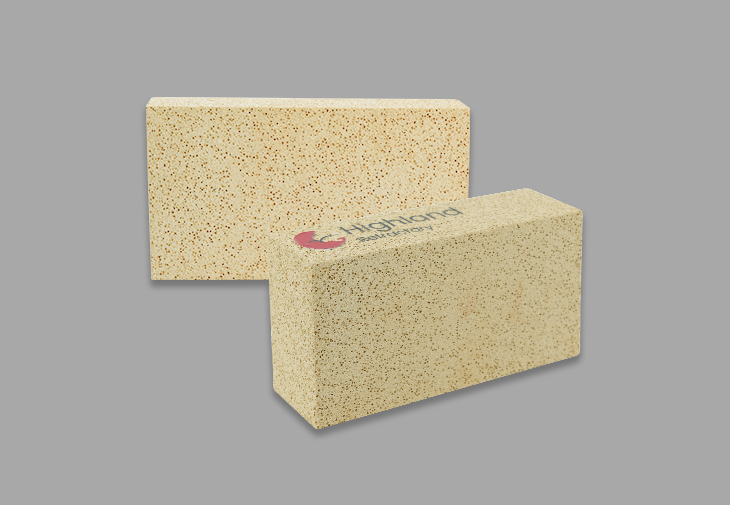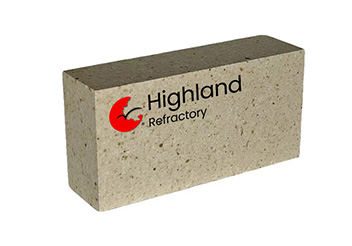
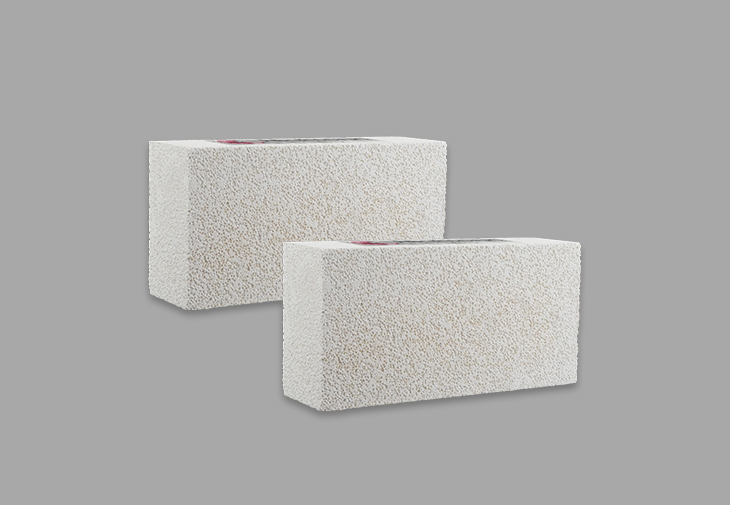
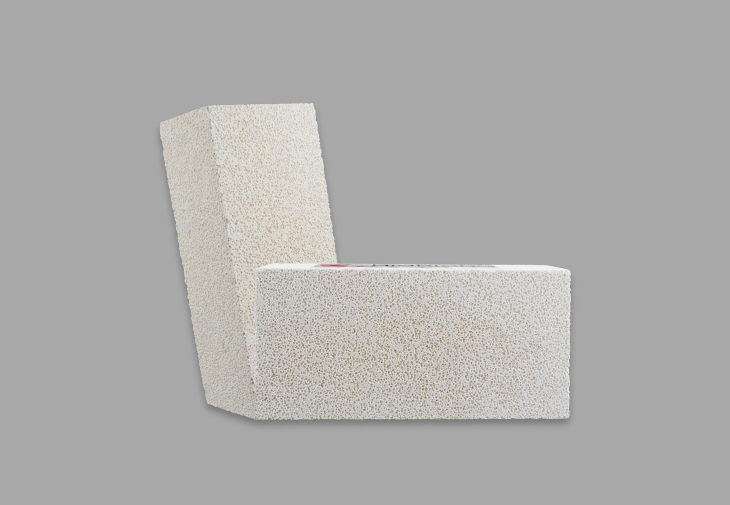


Mullite lightweight insulation brick is a lightweight refractory insulation material made of mullite as the main raw material through a special process.
Its density is low, usually in the range of 0.6-1.2g/cm³, which makes it light in weight, more convenient and labor-saving to carry and install, and can reduce the overall weight of kilns and other equipment
(1) High refractoriness and good thermal shock resistance;
(2) Low thermal conductivity and good thermal insulation performance;
(3) Low heat capacity, less accumulated heat energy and good energy saving effect;
(4) Good processability and plasticity, easy to construct.
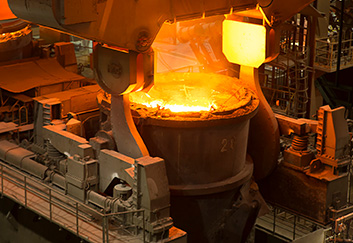
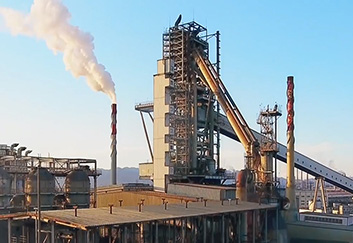
Industrial kilns, petrochemical, power industry, aerospace

|
Item |
Index |
|||||||
|
JM23 |
JM26 |
JM28 |
JM30 |
|||||
|
Refractoriness/℃ |
1260 |
1430 |
1540 |
1650 |
||||
|
Body density/(g/cm3)≤ |
0.6 |
0.8 |
1.0 |
1.0 |
||||
|
Cold pressing strength/MPa≥ |
1.0 |
2.0 |
2.5 |
3.0 |
||||
|
|
Test temperature/℃ |
1230 |
1400 |
1510 |
1620 |
|||
|
Xmin~Xmax |
-0.5~0.5 |
|||||||
|
Thermal conductivity/[W/(m·K)]≤ |
0.20 |
0.30 |
0.37 |
0.44 |
||||
|
Chemical composition/% |
Al2O3≥ |
40 |
55 |
65 |
70 |
|||
|
Fe2O3≤ |
1.0 |
0.9 |
0.7 |
0.6 |
||||

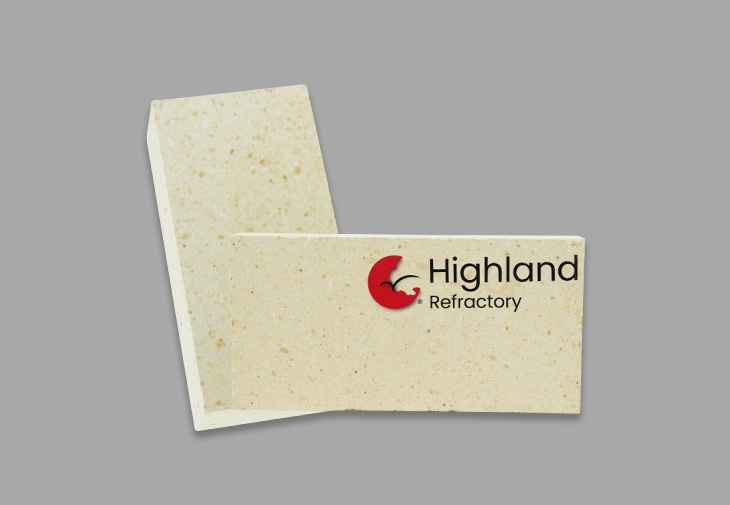
Mullite insulation bricks are high-temperature refractory materials composed primarily of mullite (3Al₂O₃·2SiO₂). They are specially engineered to provide outstanding thermal insulation, low thermal conductivity, and excellent thermal shock resistance in industrial furnaces and kilns. These bricks are widely used in high-temperature zones of cement, steel, glass, and petrochemical industries to reduce heat loss, improve energy efficiency, and extend the service life of furnace linings.
Unlike ordinary refractory bricks, mullite insulation bricks combine lightweight properties with structural stability, making them suitable for both insulation and backup lining applications. They offer exceptional resistance to thermal stress and chemical corrosion, which ensures consistent performance under continuous high-temperature operations.
Mullite’s crystal structure provides several advantages. The needle-like crystals of 3Al₂O₃·2SiO₂ phase enhance thermal shock resistance and reduce crack propagation, even under rapid temperature changes. Its low thermal conductivity ensures minimal heat loss, making these bricks ideal for insulation layers in high-temperature industrial equipment.
Mullite insulation bricks are characterized by:
Low thermal conductivity: Reduces energy consumption and maintains uniform temperature.
High refractoriness: Withstands temperatures up to 1550–1650°C without softening.
Excellent thermal shock resistance: Minimizes crack formation in environments with frequent heating and cooling cycles.
Chemical stability: Resistant to attack from slags, alkalis, and corrosive gases.
| Property | Typical Value | Significance |
| Bulk Density | 1.5–1.9 g/cm³ | Lower density enhances insulation while reducing weight load. |
| Thermal Conductivity | 0.35–0.55 W/m·K (at 1000°C) | Determines energy retention and furnace efficiency. |
| Refractoriness | 1550–1650°C | Maximum operating temperature without softening. |
| Porosity | 45–55% | Higher porosity improves insulation but must balance mechanical strength. |
| Cold Crushing Strength | 10–30 MPa | Sufficient strength for installation and handling. |
These parameters allow engineers to choose the right brick grade for specific zones in rotary kilns, reheat furnaces, or glass melting furnaces.
Mullite insulation bricks are used extensively across multiple high-temperature industries. Key applications include:
Cement Industry:
Installed in preheater hoods, tertiary air ducts, and rotary kiln backup linings to reduce heat loss and maintain thermal efficiency.
Steel Industry:
Used in reheat furnaces, soaking pits, and ladle preheaters, protecting furnace shells from extreme thermal gradients and extending lining service life.
Glass Industry:
Applied in melting furnaces and forehearths, where they provide low thermal conductivity and resist chemical attack from molten glass.
Petrochemical and Power Plants:
Insulation lining for reformers, boilers, and waste incinerators to maintain energy efficiency and protect structural components.
Specialized Applications:
In areas with rapid temperature cycling or localized thermal stress, lightweight mullite bricks reduce overall lining weight while maintaining superior insulation performance.
Proper installation is crucial to ensure the performance of mullite insulation bricks:
Surface Preparation: Clean the substrate thoroughly to remove dust, slag, and old lining materials.
Mortar Selection: Use compatible refractory mortar to bond bricks. High-temperature calcium aluminate mortar is recommended.
Course Alignment: Align bricks carefully to minimize gaps and prevent thermal bridging.
Expansion Joints: Include controlled joints to accommodate thermal expansion and prevent cracking.
Drying & Heat-up: Slowly dry and cure the bricks before applying full operating temperature to remove residual moisture.
Proper installation ensures maximum energy efficiency, reduced maintenance, and longer service life.
Energy Efficiency: Low thermal conductivity significantly reduces heat loss in industrial furnaces.
Durability: Exceptional resistance to thermal shock, mechanical stress, and chemical attack.
Lightweight: Reduces weight on the furnace shell or structural support while maintaining strength.
Versatility: Suitable for both insulation and backup lining applications across multiple industries.
Cost-effective: Reduces energy costs and maintenance frequency, offering long-term savings.
| Feature | Mullite Insulation Brick | Fire Clay Brick | High Alumina Brick |
| Thermal Conductivity | Low | Medium | Medium-High |
| Thermal Shock Resistance | Excellent | Moderate | High |
| Chemical Resistance | High | Low | High |
| Density | 1.5–1.9 g/cm³ | 2.0–2.5 g/cm³ | 2.4–3.2 g/cm³ |
| Typical Use | Insulation / Backup lining | Structural lining | High-temperature load-bearing lining |
Mullite bricks excel in insulation applications due to their combination of low density and high thermal shock resistance, whereas high alumina bricks are used where high strength and wear resistance are critical.
Q1: What is mullite insulation brick used for?
It is used to reduce heat loss, protect furnace shells, and maintain energy efficiency in high-temperature industrial processes such as cement, steel, and glass production.
Q2: What temperature can mullite insulation bricks withstand?
Mullite insulation bricks can typically withstand up to 1550–1650°C depending on the grade.
Q3: How does mullite brick differ from fire clay brick?
Mullite bricks have lower thermal conductivity, better thermal shock resistance, and superior chemical stability compared to fire clay bricks.
Q4: Can mullite insulation bricks be used in rotary kilns?
Yes. They are commonly used in rotary kiln insulation and backup linings to maintain temperature and protect the furnace shell.
Q5: What is the optimal bulk density for insulation?
A lower bulk density of 1.5–1.9 g/cm³ balances insulation performance and mechanical strength.
Q6: How to install mullite insulation bricks?
Use compatible refractory mortar, align courses carefully, provide expansion joints, and pre-dry before heat-up.
Q7: Are lightweight grades available?
Yes. Lightweight mullite bricks enhance insulation while reducing lining weight, ideal for high-temperature insulation zones.
Q8: How long is the service life of mullite insulation bricks?
Depending on operating conditions, proper installation, and maintenance, they can last 5–10 years or longer.
High alumina poly light brick is a high quality lightweight refractory material.
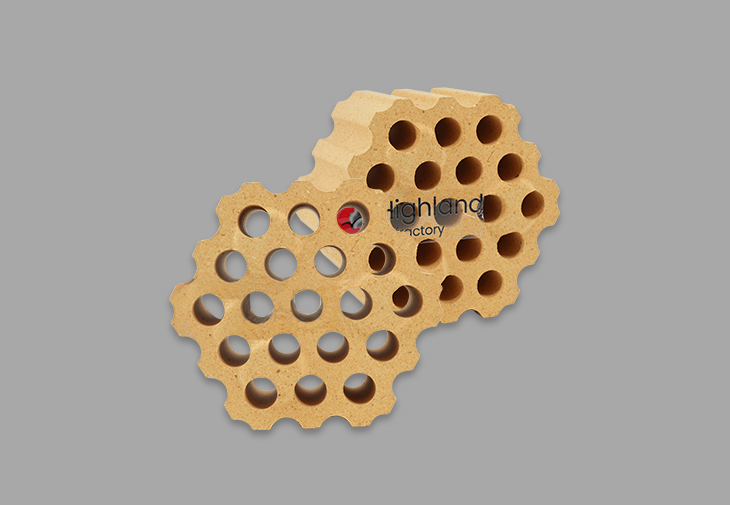
Checker bricks are heat transfer media used in the regenerative chambers of blast furnaces and hot blast stoves.
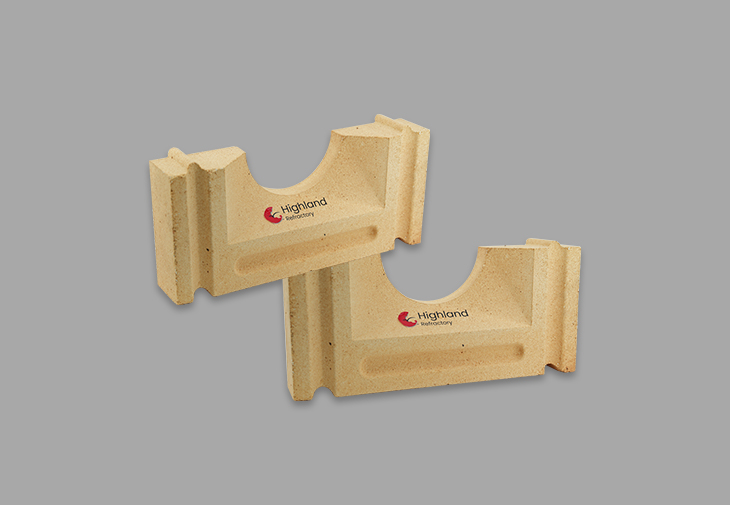
Low creep clay bricks have a low creep rate in high temperature environments and can maintain good shape and dimensional stability for a long time.
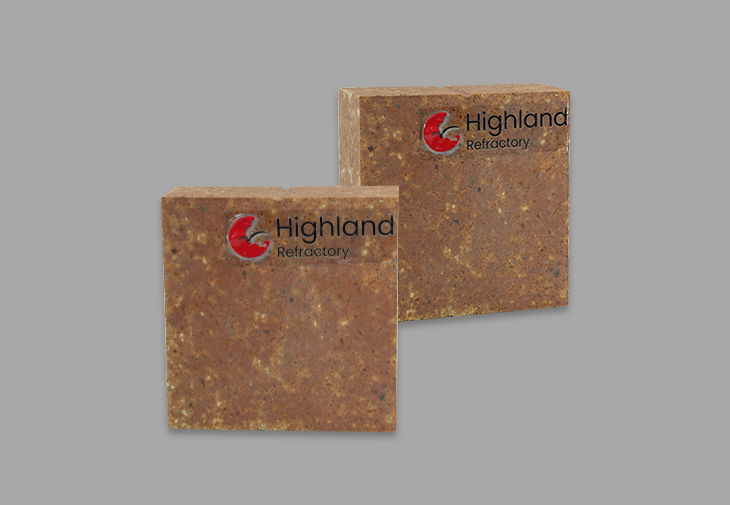
Silica-molybdenum bricks have high resistance to chemical erosion and excellent wear resistance, and are the preferred material for the transition zone and preheating zone of large cement kilns.
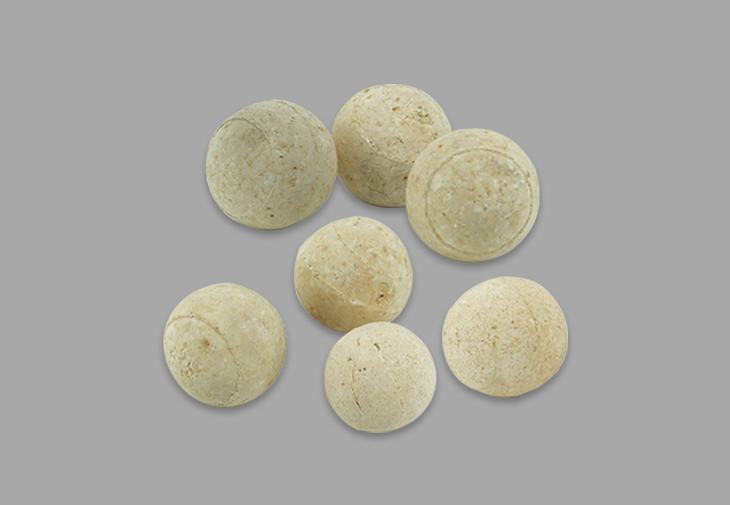
Made from industrial alumina and refractory kaolin as the main raw materials, produced through scientific formulation...

Silicon carbide plates are mainly composed of silicon carbide (SiC) as the aggregate (with a content usually ≥ 80%).
High alumina fine powder is a powder material with alumina (Al2O3) as the main component.
Clay powder is a powdery material with clay minerals as the main component.
Refractory cement, also known as aluminate cement, is a fire-resistant hydraulic cementitious material.