
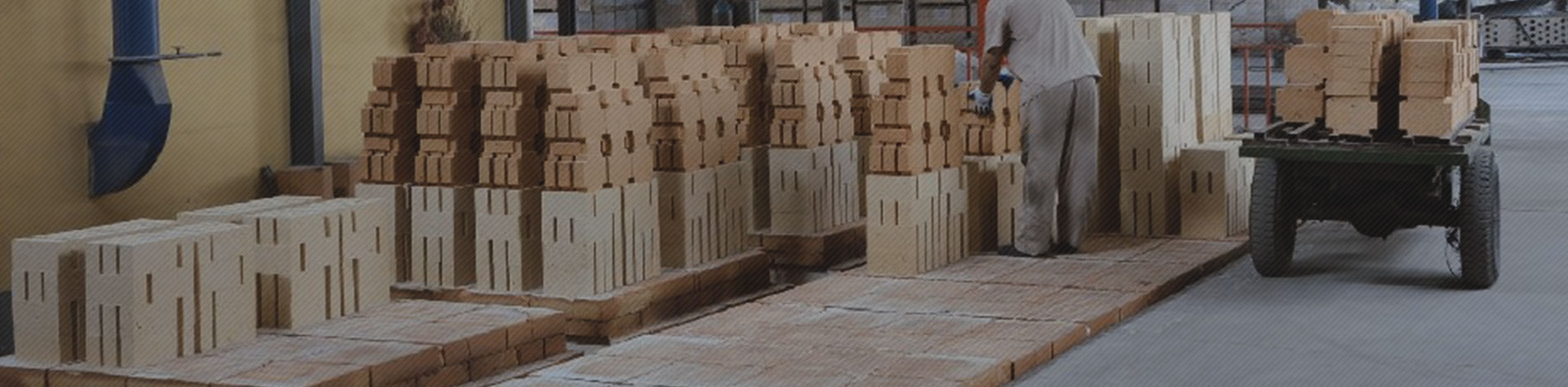
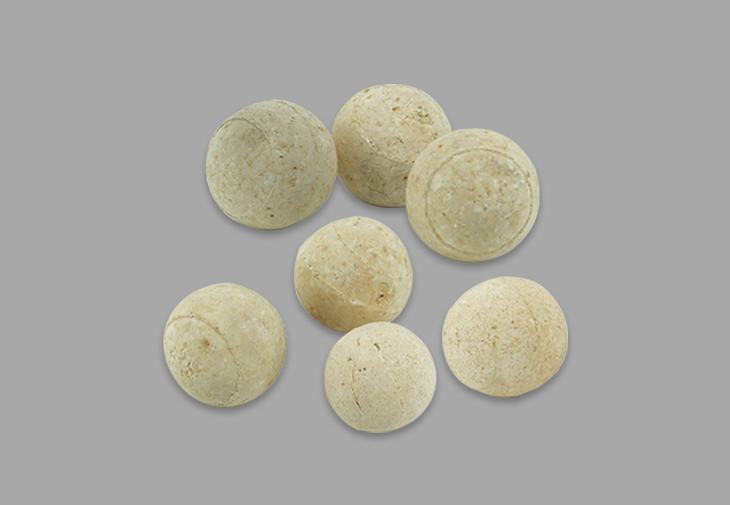
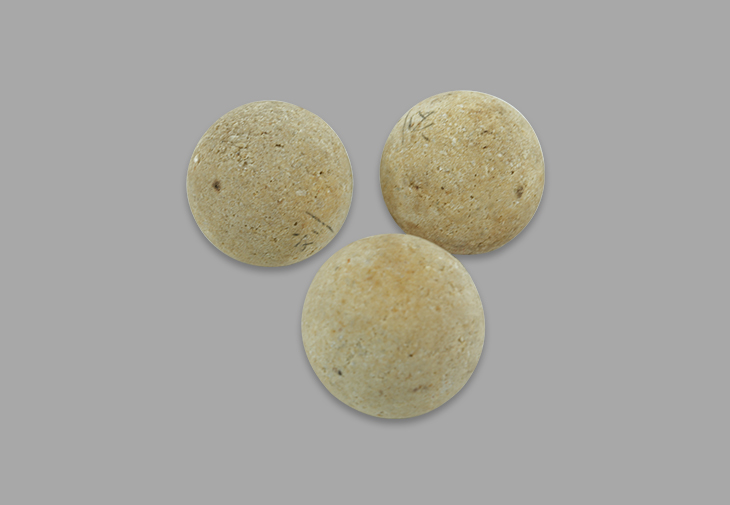
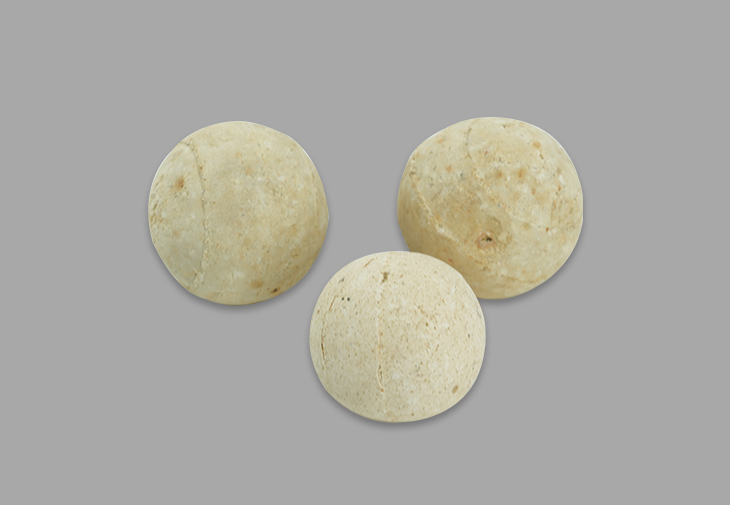
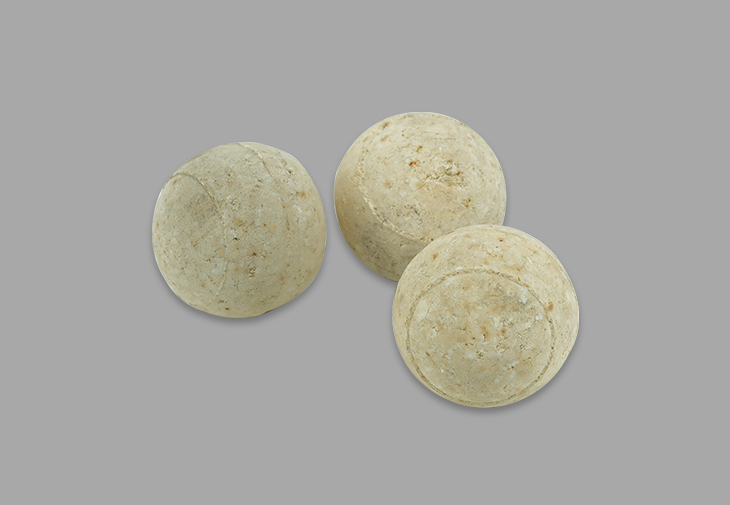
Made from industrial alumina and refractory kaolin as the main raw materials, produced through scientific formulation, forming, and high-temperature calcination.
1.High mechanical strength and long service life.
2.Good chemical stability: Does not react chemically with materials.
3.Excellent high-temperature performance: Refractory ceramic balls can withstand temperatures up to 1900 degrees.
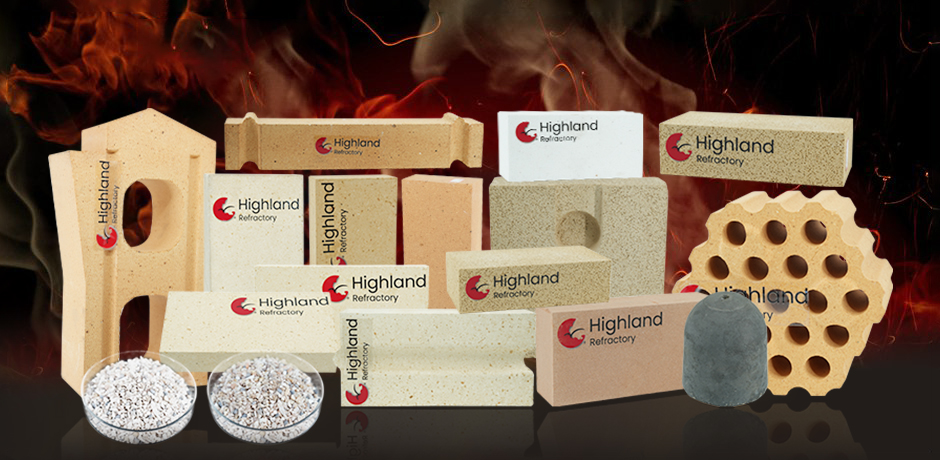
Particularly suitable for high and low-temperature shift converters, conversion furnaces, hydrogenation converters, desulfurization tanks, and methanation furnaces in fertilizer plants, dispersing gas-liquid, supporting, covering, and protecting catalysts.
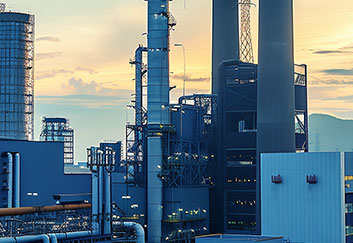
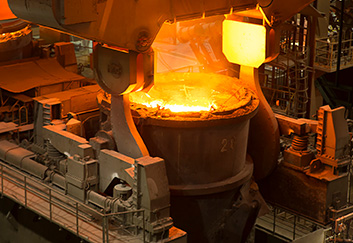
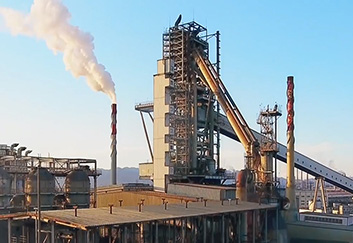
In the iron and steel industry, refractory ceramic balls are used in hot blast stoves and heating conversion equipment. They can be divided into ordinary refractory balls and high alumina refractory balls. Ordinary refractory balls are used in converters and shift converters in the sulfuric acid and fertilizer industries, while high alumina refractory balls are used in hot blast stoves and heating conversion furnaces in industries such as urea and steel.
|
Performance/Type |
Refractory Ball |
Corundum Refractory Ball |
Low-silica Refractory Ball |
|
|
chemical composition(%) |
AI2O3 |
45~90 |
90~98 |
≥99 |
|
SiO2 |
10~70 |
0.5~5.0 |
≤0.3 |
|
|
Fe2O3 |
≤1 |
≤0.5 |
≤0.1 |
|
|
Porosity % |
≤20 |
≤15 |
≤10 |
|
|
Refractoriness ℃ |
≥1450 |
≥1750 |
≥1850 |
|
|
Resistance to rapid temperature change(℃) |
600 |
800 |
800 |
|
|
Crushing strength |
150~20000 |
Depends on alumina content and specifications |
||
|
Moh's hardness (Scal) |
≥7 |
≥8 |
≥9 |
|
|
Acid resistance % |
≥95 |
≥98 |
≥98 |
|
|
Alkali resistance % |
≥85 |
≥95 |
≥98 |
|
|
Stacking weight kg/m³ |
1200~1600 |
1600~1800 |
1800~2000 |
|
Highland Refractory classifies Refractory Balls by core material to adapt to diverse industrial high-temperature needs, including High-Alumina Refractory Balls (Al₂O₃ ≥ 65%, suitable for neutral/weakly acidic environments like boiler heat exchangers), Magnesium Refractory Balls (MgO ≥ 85%, ideal for alkaline scenarios such as cement kiln preheaters), and Corundum Refractory Balls (Al₂O₃ ≥ 95%, for ultra-high temp equipment like petrochemical reformers); unlike Magnesia Carbon Brick which is mainly used as furnace linings, these Refractory Ball types excel in filling and heat storage roles, complementing the functional scope of Magnesia Carbon Brick in complex refractory systems.
Highland’s Refractory Balls boast key advantages that make them indispensable in high-temperature equipment: they have excellent thermal stability (withstanding repeated heating/cooling cycles without cracking), uniform particle size for tight, efficient filling (reducing heat loss by 10-15% vs. irregular fillers), and strong resistance to acidic/alkaline corrosion (matching the durability of specialized refractories in targeted environments); in heat storage zones like hot blast stove regenerators, Refractory Balls offer higher heat exchange efficiency than bulk Magnesia Carbon Brick, while still maintaining compatibility with Magnesia Carbon Brick-lined furnaces for seamless system operation.
Refractory Balls find wide applications across industries where heat storage, filtration, or uniform temperature distribution is critical: in the steel industry, they are used in hot blast stove regenerators to store and transfer heat (working alongside Magnesia Carbon Brick that lines the stove’s high-temperature zones); in the chemical industry, they serve as catalyst supports in reactors (resisting corrosive media better than traditional fillers); in the power industry, they fill boiler heat exchangers to enhance heat transfer efficiency; and in the cement industry, magnesium-based Refractory Balls line preheater cyclones to withstand alkaline clinker erosion—each application leveraging their unique strengths while often complementing the role of Magnesia Carbon Brick in adjacent high-wear areas.
Refractory Balls (Highland) and Fire Clay Bricks differ significantly in form and function, each with distinct advantages: Refractory Balls are spherical, enabling flexible filling, efficient heat transfer, and suitability for heat storage/filtration roles (e.g., boiler exchangers), while Fire Clay Bricks are block-shaped, designed for structural lining (e.g., low-temp boiler walls) with cost-effectiveness and easy installation; notably, Refractory Balls excel in dynamic heat-related tasks, whereas Fire Clay Bricks focus on static structural protection—both differ from Magnesia Carbon Brick, which is specialized for ultra-high temp alkaline linings (e.g., steel converters), highlighting the unique value each brings to refractory systems.
Highland Refractory stands out as your best Refractory Ball manufacturer, with 30+ years of expertise in refractory production that spans both Refractory Balls and high-performance linings like Magnesia Carbon Brick; we use high-purity raw materials (e.g., dead-burned magnesia for magnesium balls, high-alumina clinker for alumina balls) and strict QC processes (testing thermal shock resistance, corrosion resistance, and particle uniformity for every batch), hold ISO 9001/CE certifications, and maintain 60,000 tons of annual capacity to meet large orders—our ability to produce both Refractory Balls and Magnesia Carbon Brick allows us to offer integrated refractory solutions, ensuring compatibility and performance across your entire equipment system.
Choosing Highland Refractory as your Refractory Ball manufacturer means accessing end-to-end value tailored to your needs: we offer customization (adjusting material composition, size, and performance to match your industry’s requirements, such as high-alumina balls for acidic reactors or magnesium balls for alkaline cement preheaters), fast delivery (3-7 days for standard sizes in stock, 10-15 days for custom batches), and bulk discounts (5-10% off orders ≥ 10 tons); we also provide technical support (advising on filling density, compatibility with adjacent refractories like Magnesia Carbon Brick, and maintenance tips), free samples (with you covering shipping), and detailed quality reports—all backed by our global reputation of serving 1,500+ clients, ensuring you get reliable Refractory Balls that work seamlessly with your existing refractory setup.

A: Standard sizes ship in 3-7 days; custom ones take 10-15 days. We follow the same efficient delivery process as we do for Magnesia Carbon Brick, and bulk orders can have negotiated timelines.
A: They’re packed in moisture-proof bags first, then loaded into sturdy wooden crates with cushioning—just like our Magnesia Carbon Brick packaging. This keeps transport damage low.
A: Yes, free standard samples are available; you only pay shipping. Our sample policy is similar to that for Magnesia Carbon Brick—just share your address to arrange.
A: We accept T/T and PayPal, with full payment due before shipping. This is the same reliable payment process we use for Magnesia Carbon Brick.
A: Yes, every batch comes with a detailed quality report. We provide this just like we do for Magnesia Carbon Brick—let us know, and we’ll send it to you.
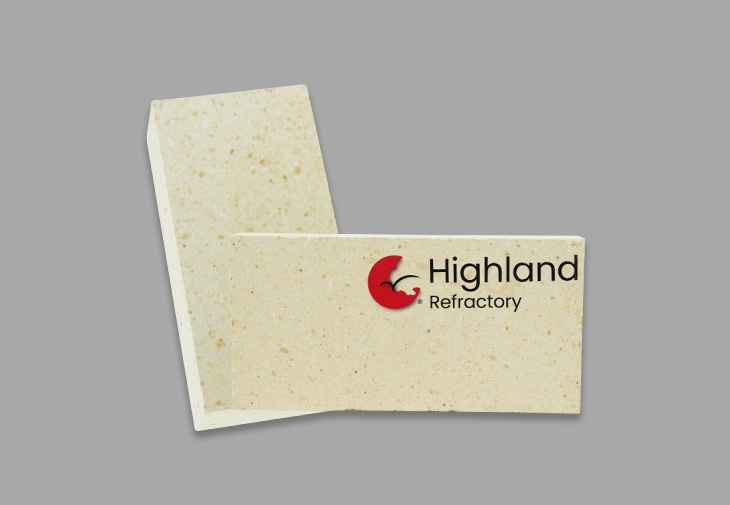
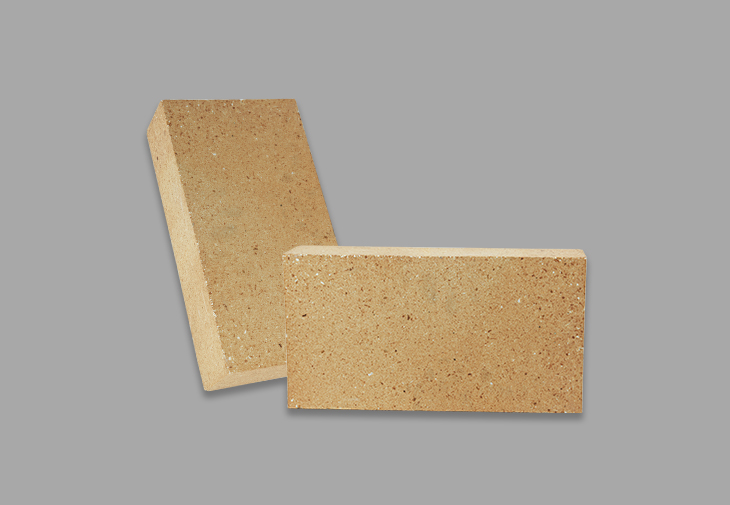
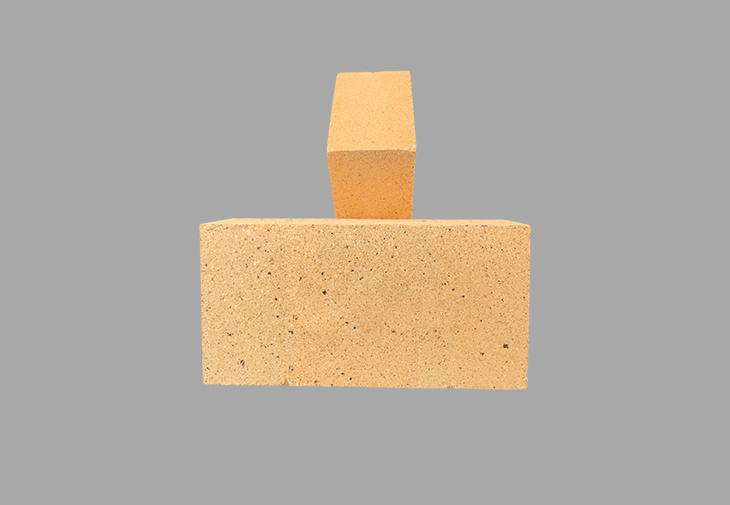
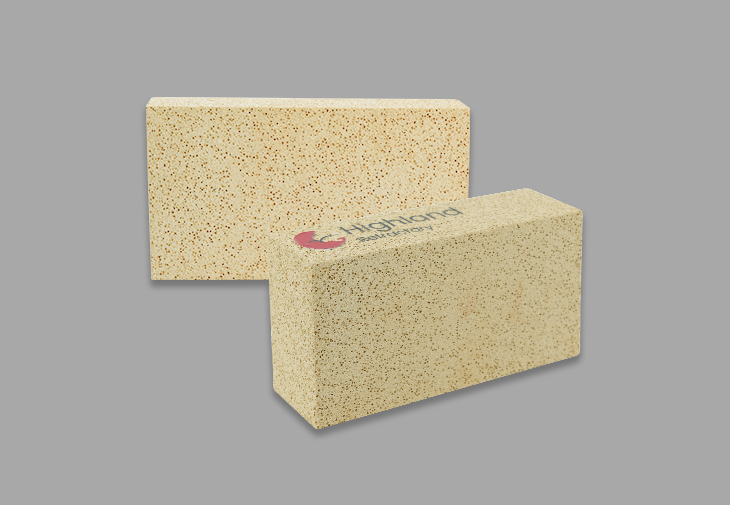
High alumina poly light brick is a high quality lightweight refractory material.
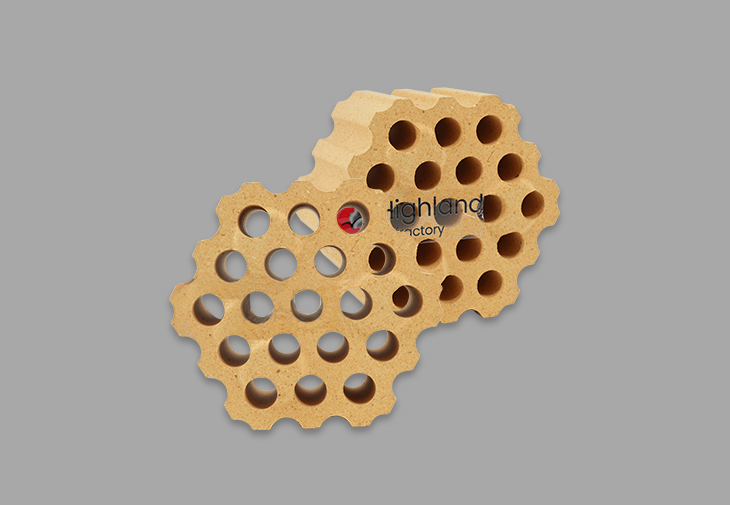
Checker bricks are heat transfer media used in the regenerative chambers of blast furnaces and hot blast stoves.
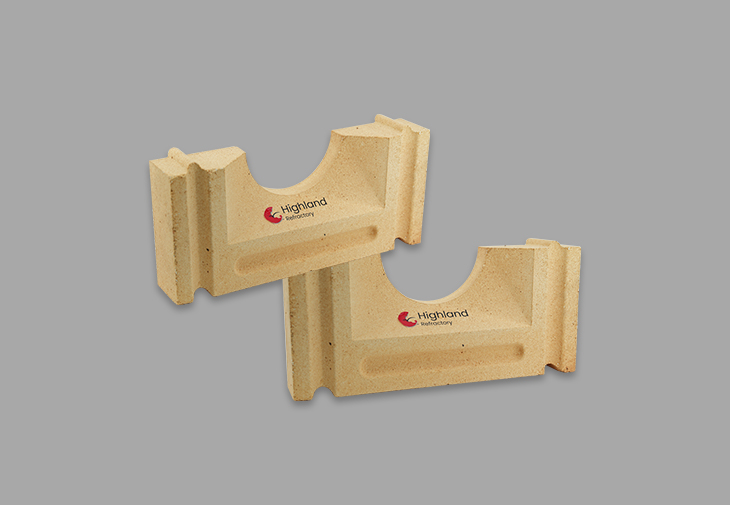
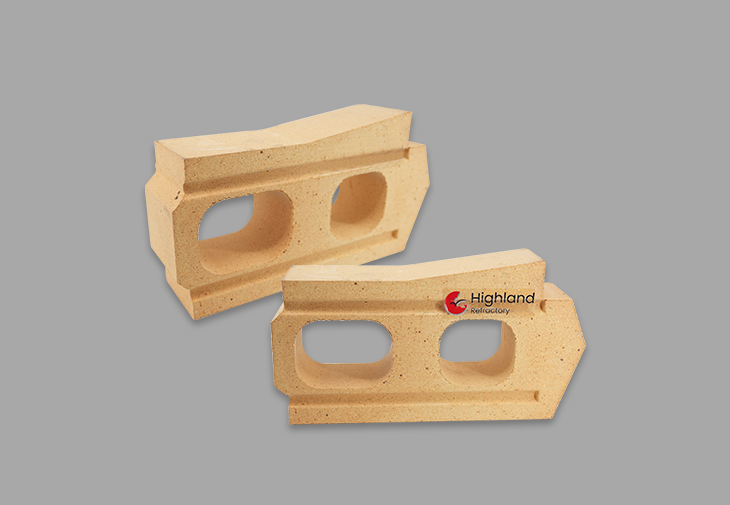
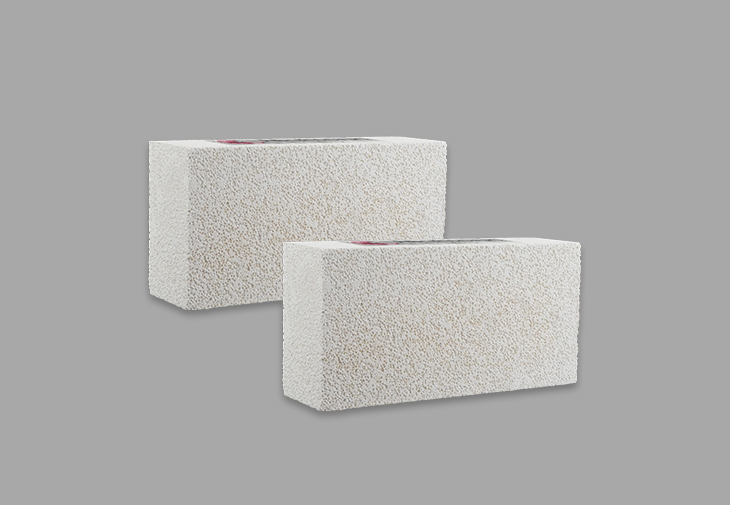
Mullite lightweight insulation brick is a high-quality insulation material.
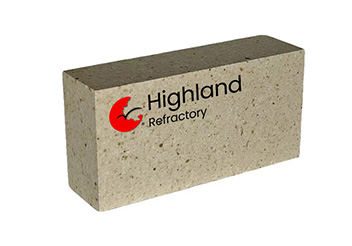
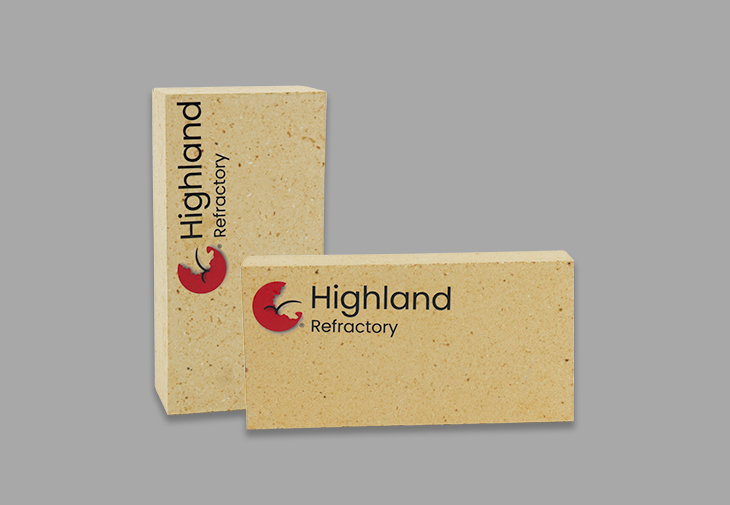
Low creep clay bricks have a low creep rate in high temperature environments and can maintain good shape and dimensional stability for a long time.
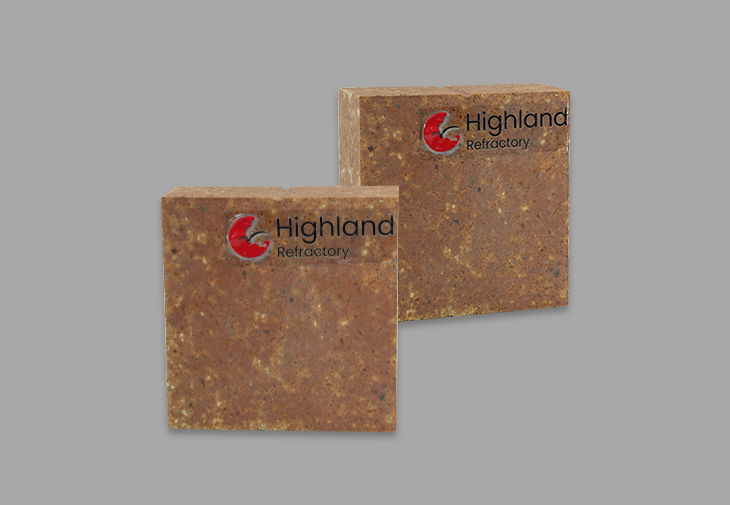
Silica-molybdenum bricks have high resistance to chemical erosion and excellent wear resistance, and are the preferred material for the transition zone and preheating zone of large cement kilns.
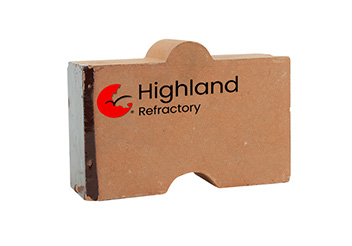
Acid-resistant brick is made of quartz, feldspar and clay as the main raw materials