
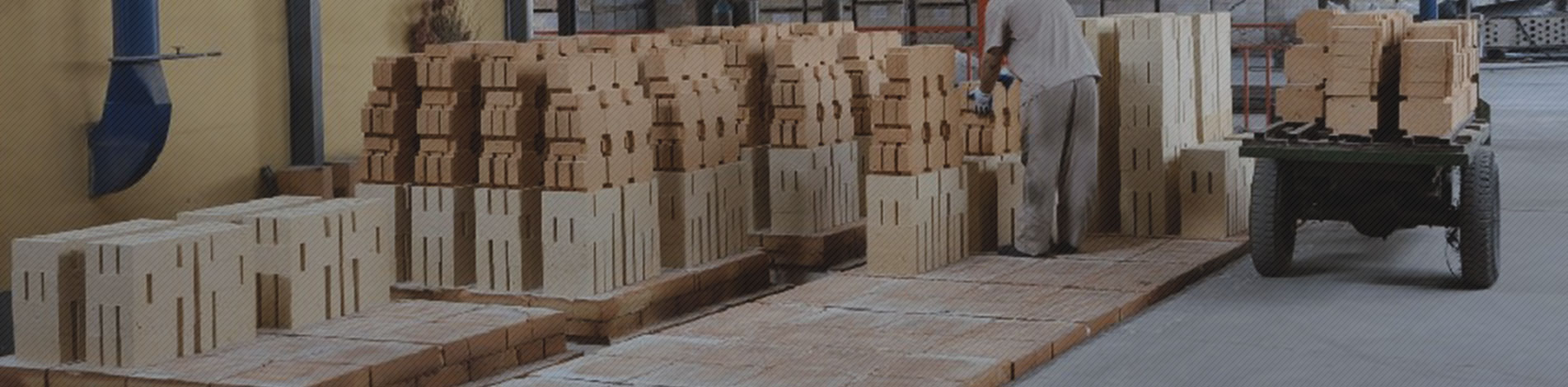


Silica bricks, made primarily from high-purity silica (SiO₂), are among the most critical refractory materials used in high-temperature industrial processes. With exceptional thermal stability, low thermal expansion, chemical resistance, and long service life, silica bricks are widely used in industries such as steel, glass, ceramics, cement, non-ferrous metals, and petrochemical processing.
|
Item |
ZJAS-1680 |
ZJAS-1650 |
ZJAS-1550 |
|
|
Chemical composition(%) |
Al2O3 |
≥65 |
≥63 |
≥60 |
|
|
SiC+SiO2 |
≥30 |
≥30 |
≥30 |
|
Volume density(g/cm3) |
≥2.65 |
≥2.60 |
≥2.50 |
|
|
Apparent porosity(%) |
≤16 |
≤17 |
≤18 |
|
|
Compressive strength at room temperature(MPa) |
≥90 |
≥90 |
≥80 |
|
|
Load softening temperature(℃) |
≥1680 |
≥1650 |
≥1550 |
|
|
Thermal shock stabilit(次) (1100℃,water cooling) |
≥15 |
≥15 |
≥15 |
|
|
Wear resistance coefficient(A/C) |
≤6 |
≤7 |
≤8 |
|
Silica bricks, also known as silica refractory bricks, are manufactured from high-purity quartz sand through a process of firing at extremely high temperatures. The resulting bricks are dense, crystalline, and highly resistant to heat and chemical attack.
Key characteristics include:
Silica bricks are primarily used in areas of industrial furnaces where temperatures are extremely high and chemical exposure is frequent, such as furnace roofs, walls, regenerators, and glass tank crowns.
Silica bricks are chosen for their unique combination of physical, chemical, and thermal properties. Understanding these is essential for selecting the right brick for each industrial application.
| Property | Definition | Impact on Industrial Use |
| Refractoriness | The temperature at which the brick softens | Determines maximum service temperature in furnaces |
| Load Softening Temperature | Temperature at which the brick can carry mechanical load without deformation | Critical for structural zones like furnace roofs |
| Thermal Expansion | Degree of expansion under heat | Low expansion prevents cracks during temperature cycling |
| Apparent Porosity | Volume of voids in the brick | Lower porosity increases chemical and slag resistance |
| Bulk Density | Mass per unit volume | Determines mechanical strength and thermal conductivity |
By selecting silica bricks with appropriate specifications, industries can ensure optimal furnace performance and reduced maintenance costs.
Silica bricks are applied across various industries that require high-temperature, high-durability materials.
Silica bricks are commonly used in:
Advantages in Steel Applications:
In glass manufacturing, silica bricks are used for:
Benefits:
Silica bricks are widely used in:
Advantages:
Applications include:
Benefits:
Silica bricks are used in:
Advantages:
Applications include:
Advantages:
Used in:
Benefits:
Although less common, silica bricks are used in:
Advantages:
Silica bricks are consumable materials in industrial furnaces. Their service life depends on multiple factors, including operating temperature, load, chemical environment, and thermal cycling. Therefore, the figures below are reference ranges only. Actual lifetime will vary depending on the specific furnace conditions and customer usage scenarios.
| Application Zone | Typical Temperature (°C) | Recommended Brick Type | Reference Service Life* |
| Steel furnace roof | 1400–1550 | High-purity silica | Months to a few years, depending on load and thermal cycling |
| Glass tank furnace | 1500–1650 | Silica brick | Months to a few years, depending on chemical exposure and temperature |
| Coke oven | 1300–1450 | Silica brick | Months to a few years, depending on operational intensity |
| Ceramic kiln | 1000–1300 | Silica brick | Months to a few years, depending on heating/cooling cycles |
| Cement rotary kiln | 1400–1500 | Silica brick | Months to a few years, depending on clinker chemistry and temperature |
| Petrochemical reactor | 1200–1500 | Silica brick | Months to a few years, depending on chemical exposure and temperature fluctuations |
| Non-ferrous metal furnace | 1200–1450 | Silica brick | Months to a few years, depending on slag and thermal load |
* Note: Silica bricks are consumable items, and their actual service life should be evaluated based on the specific operating conditions of each customer. Different furnace zones, temperatures, and chemical exposures will affect longevity.
Despite their high performance, silica bricks are not suitable for all industrial zones:
❌ Strongly alkaline zones – susceptible to chemical attack
❌ High thermal cycling zones – may crack under frequent heating and cooling
❌ Low-temperature insulation areas – energy efficiency better achieved with insulating bricks
Understanding limitations ensures longer service life and cost-effective operations.
| Feature | Silica Brick | High Alumina Brick | Fire Clay Brick |
| Maximum Temperature | 1600–1700°C | 1750°C | 1450°C |
| Thermal Expansion | Very Low | Moderate | Moderate |
| Thermal Shock Resistance | High | High | Low |
| Acid Resistance | Excellent | Poor | Moderate |
| Industrial Applications | Steel, Glass, Petrochemical | Steel, Cement | Kilns, Boilers |
When purchasing silica bricks, consider the following factors:
Highland Refractory Solutions:
Q1: What are silica bricks used for?
A: Silica bricks are used in high-temperature industrial applications including steel, glass, ceramics, cement, petrochemical, and non-ferrous metal furnaces due to their thermal stability, chemical resistance, and mechanical strength.
Q2: What temperature can silica bricks withstand?
A: Silica bricks typically operate at 1600–1700°C depending on purity and density.
Q3: Are silica bricks better than high alumina bricks?
A: Silica bricks excel in acidic zones and glass-facing areas, whereas high alumina bricks are more suitable for alkaline zones with higher temperature requirements.
Q4: Can silica bricks be customized?
A: Yes. Highland Refractory provides custom dimensions, densities, and temperature grades to meet specific industrial requirements.
Q5: Where should silica bricks not be used?
A: Avoid strongly alkaline zones, high thermal cycling areas, and low-temperature insulation regions where chemical attack or thermal stress may occur.
Highland Refractory supplies high-quality silica bricks with:
Contact Highland Refractory to request a quote or technical consultation for your silica brick requirements.
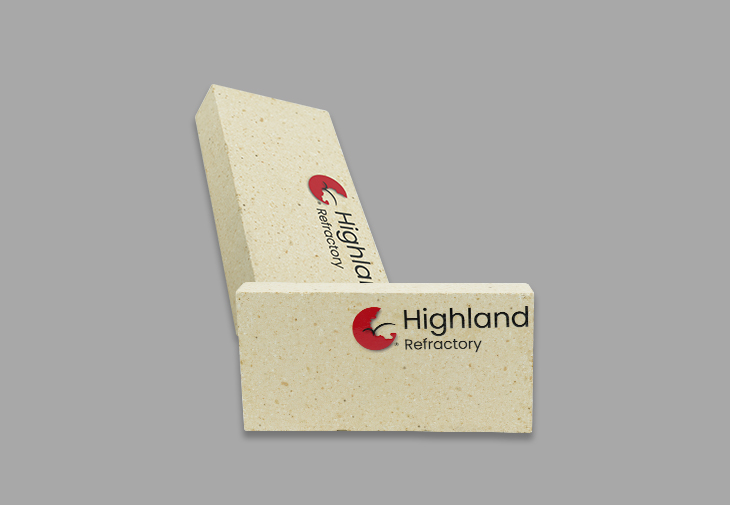

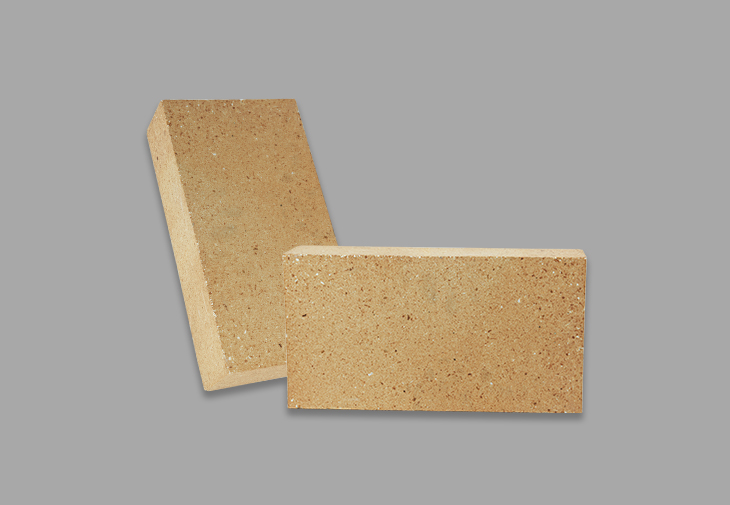


High alumina poly light brick is a high quality lightweight refractory material.

Silicon carbide plates are mainly composed of silicon carbide (SiC) as the aggregate (with a content usually ≥ 80%).


Aluminum content 75%-80% Refractory 1770℃ or above
