
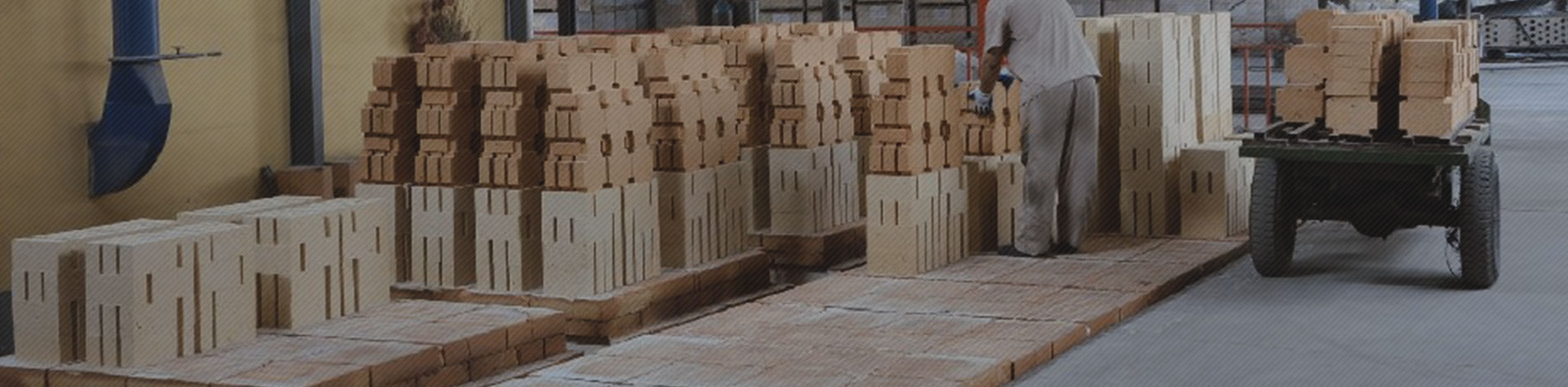
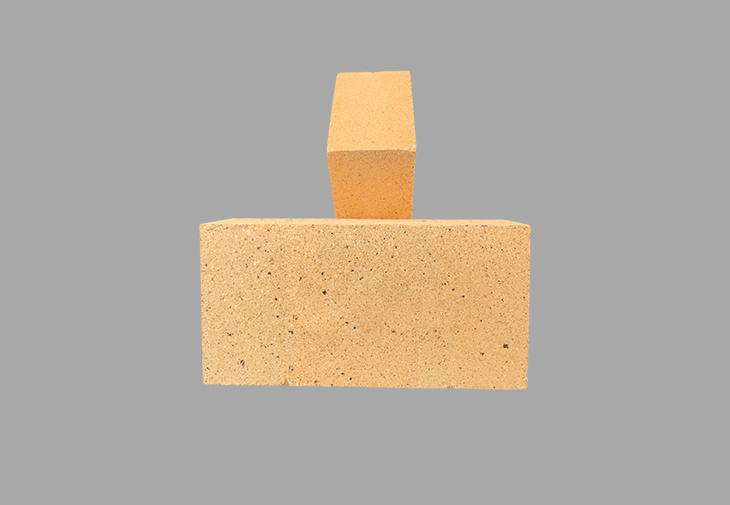
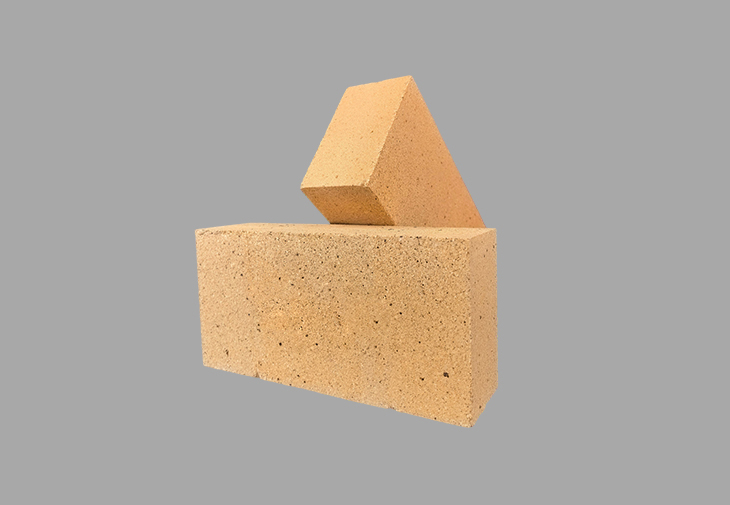
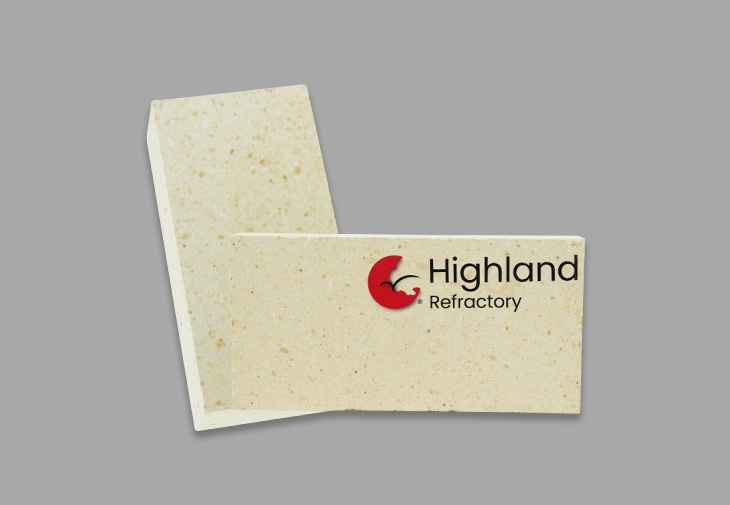
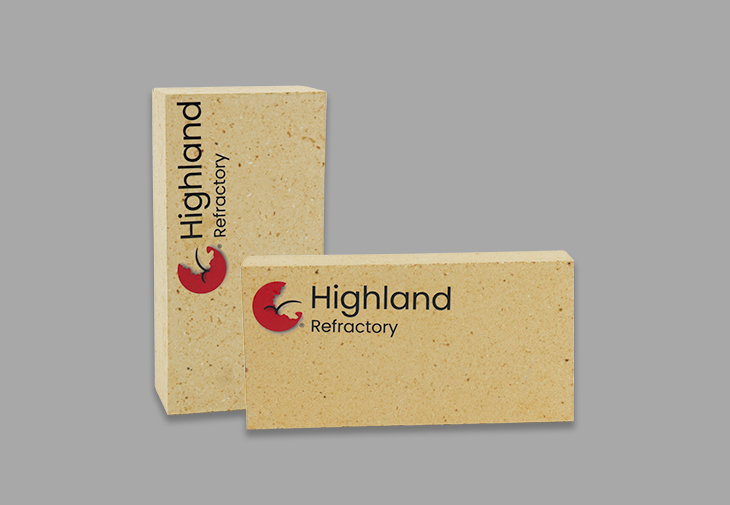
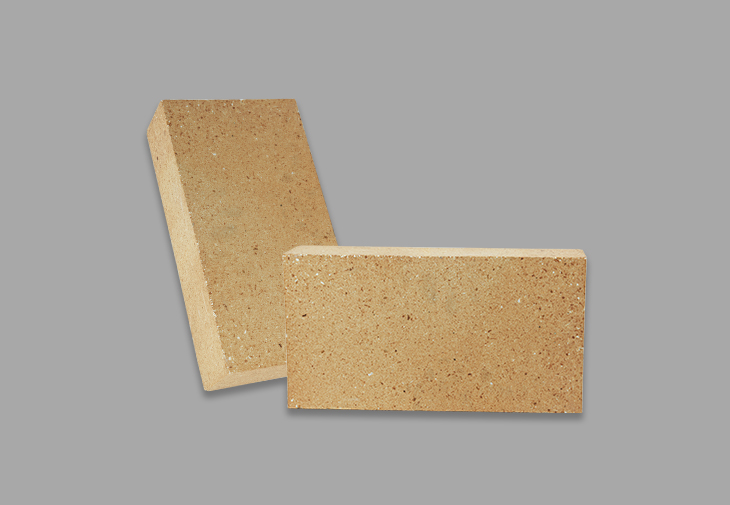
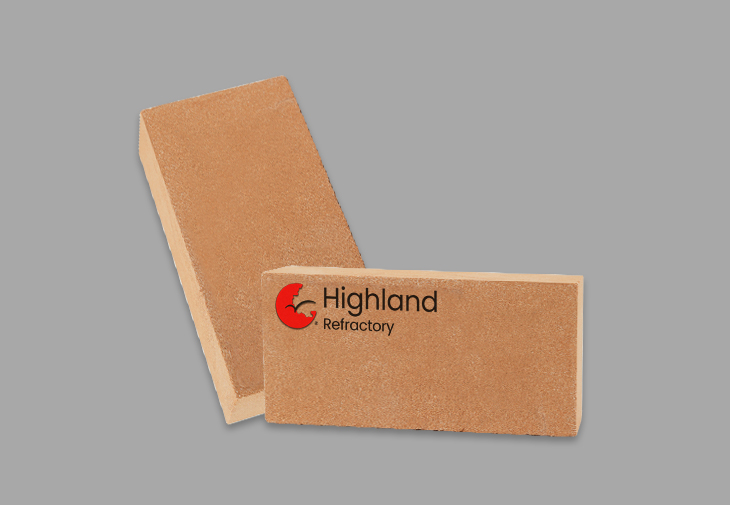
With clay clinker as orthopedic, refractory clay as a binder made of Al2O3 content of 30% ~ 48% refractory products. The pulverized bonded clay is mixed with the fine clinker, and then the granular clinker is prepared into semi-dry mud, which is formed under high pressure and fired at about 1400℃.
Clay bricks are weakly acidic refractory products that can resist the erosion of acidic slag and acidic gas.
1. High temperature resistance
2. Good wear resistance
3. Weakly acidic at high temperatures
4. Strong erosion resistance
5. Good volume stability
6. Low prices
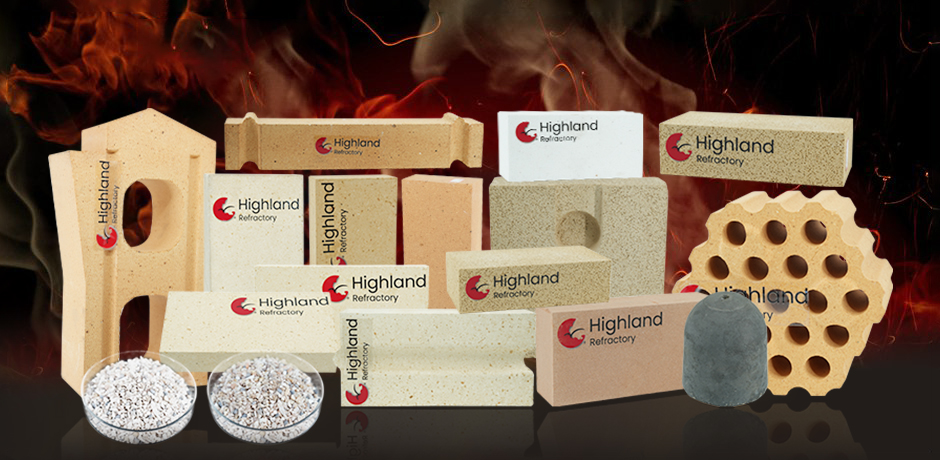
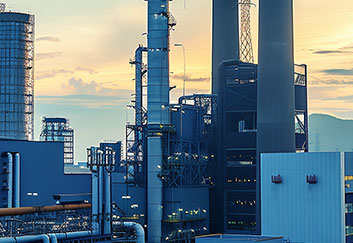
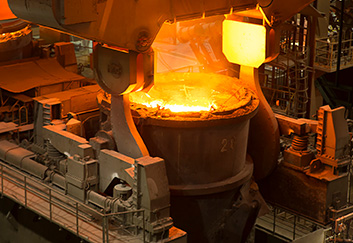
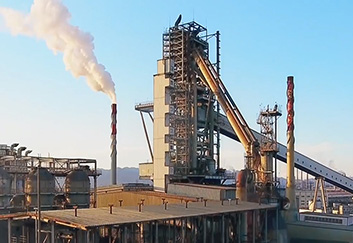
Used for lining blast furnaces, hot blast furnaces, electric furnace roofs, oxygen converters, reverberatory furnaces, and rotary kilns. They are also widely used as regenerative flat furnace checker bricks, plugs for pouring systems, and water mouth bricks, among other applications.
|
Item |
Index |
||||||||
|
Model |
N-1 |
N-2a |
N-2b |
N-3a |
N-3b |
N-4 |
N-5 |
N-6 |
|
|
Refractory temperature(℃≥) |
1750 |
1730 |
1730 |
1710 |
1710 |
1690 |
1670 |
1580 |
|
|
Bulk densityg/cm3 |
2.1 |
-- |
-- |
-- |
-- |
2.0 |
-- |
2.0 |
|
|
Softening temperature under load[0.2MPa*0.6%]≥ |
1400 |
1350 |
-- |
1320 |
-- |
1300 |
-- |
-- |
|
|
Reburning line change rate(%) |
1400℃*2h |
+0.1-0.4 |
+0.1-0.5 |
+0.1-0.5 |
-- |
-- |
-- |
-- |
-- |
|
1400℃*2h |
-- |
-- |
-- |
+0.2-0.5 |
+0.2-0.5 |
+0.2-0.5 |
+0.2-0.5 |
-- |
|
|
Apparent porosity(%≤) |
22 |
26 |
24 |
24 |
26 |
24 |
26 |
28 |
|
|
Normal temperature compressive strength(MPa≥) |
30.0 |
20.0 |
25.0 |
20.0 |
15.0 |
20.0 |
15.0 |
15.0 |
|
More than 30 years of experience in the refractory industry.Zhengzhou Highland Refractory stands as a trusted fire clay brick manufacturer—delivering factory-direct supply, 3-7 days fast delivery, and exclusive bulk purchase discounts to meet the high-temperature needs of petrochemical, steel, cement, and glass sectors worldwide. Founded in 1993, we’ve dedicated decades to fire clay brick R&D, production, and on-site installation, serving 1,500+ global customers with tailored refractory solutions that balance performance, durability, and cost-efficiency.
Our fire clay bricks are precision-engineered to excel in extreme thermal environments, with premium specifications that guarantee reliability:
Bulk Density: 2.0–2.1 g/cm³ (optimized for structural stability without excess weight)
Refractory Temperature: ≥1580–1750℃ (handles medium-to-high heat scenarios like kiln linings and blast furnaces)
Compressive Strength: ≥15–30MPa (withstands heavy industrial stress from equipment operation)
Apparent Porosity: ≤22–28% (balances insulation and structural integrity to prevent cracking)
These specs aren’t just numbers—they translate to long-lasting performance in furnaces, ladles, and reactors, reducing the need for frequent replacements.
Beyond standard performance, our fire clay bricks stand out from other suppliers by solving core industrial pain points:
Superior Load-Bearing Capacity: Designed to handle the weight of molten metal, raw materials, and equipment stress in steel mills and cement kilns.
Exceptional Thermal Stability: No cracking under rapid temperature changes (e.g., furnace startups/shutdowns), thanks to strict control over thermal expansion.
Extended Service Life: Customers report 1.2x longer lining life compared to generic bricks—lowering maintenance frequency and downtime.
Energy-Saving Effects: By minimizing heat loss, our bricks cut energy costs by up to 20% for industrial heating systems, aligning with sustainability goals.
We never compromise on quality—our fire clay bricks undergo a rigorous 8-step manufacturing process to ensure consistency and reliability:
Raw Material Screening: Sourcing high-purity clay (the foundation of durable bricks) to eliminate impurities that cause weakness.
Dual-Stage Purity Screening: Initial and fine screening to refine raw materials, ensuring uniform composition.
Controlled Crushing: Crushing clay into precise particle sizes for optimal mixing and sintering.
Precise Ingredient Mixing: Computerized blending to maintain consistent ratios, avoiding batch-to-batch variations.
Forming: Mechanical pressing to shape bricks with tight dimensional tolerance (±1mm), ensuring easy installation.
High-Temperature Sintering: Firing at 1200–1400℃ to enhance density and refractory performance.
Quality Inspection: Each batch undergoes testing in our 3 dedicated QC labs (for strength, porosity, and thermal conductivity).
Secure Packaging: Shock-absorbent, heavy-duty cartons to minimize transport damage—keeping bricks intact during global shipping.
Our fire clay bricks have earned trust across 100+ overseas markets, with tangible results for clients:
Asian Steel Mill: Extended furnace lining life by 1.2x after switching to our bricks, reducing annual maintenance costs by $120,000.
European Cement Plant: Cut kiln downtime by 30% thanks to our heat-resistant bricks, boosting annual production output by 5%.
These stories reflect our commitment to turning refractory solutions into tangible business value.
Our fire clay bricks are tailored to solve unique challenges in critical sectors:
Petrochemical: Refining furnaces and reactors—resists acid/alkaline corrosion from chemicals.
Steel & Iron: Blast furnaces, ladles, and converters—withstands the heat of molten metal (up to 1750℃).
Cement: Kiln linings (especially transition zones)—handles frequent thermal shock from temperature fluctuations.
Glass: Furnace structures and pipe insulation—maintains stable temperatures for consistent glass quality.
Highland’s capabilities set us apart as a reliable partner:
Production Capacity: 60,000 tons of refractories annually (with a focus on fire clay bricks), ensuring we meet large-order demands.
Quality Certifications: ISO 9001:2015, CE, TUV, and SGS certifications—validating strict quality control from raw material to finished product.
Global Reach: Exported to 100+ countries, with localized support for logistics and technical queries.
Transparent Expertise: We showcase our fire clay bricks at international exhibitions (e.g., Canton Fair, Global Refractory Shows)—meet our team in person to discuss custom solutions.
From our 30+ years of expertise to our ISO-certified quality and global customer success, Highland Refractory is more than a manufacturer—we’re your long-term partner for fire clay brick solutions that drive efficiency, durability, and cost savings in high-temperature operations.

Answer: Highland’s fire clay bricks have a refractory temperature of 1580–1750℃, making them ideal for medium-to-high temperature industrial scenarios—such as steel mill blast furnaces, cement kiln transition zones, and glass furnace linings. They maintain structural stability even under long-term exposure to 1200–1400℃, perfectly matching the heat requirements of most industrial heating equipment.
Answer: Our fire clay bricks are widely used in core high-temperature sectors, including:
Steel & Iron: Blast furnaces, ladles, and converters (resist molten metal heat and mechanical stress).
Cement: Rotary kiln linings (handle frequent thermal shock in transition zones).
Glass: Furnace structures and pipe insulation (maintain stable temperatures for consistent glass quality).
Petrochemical: Refining furnaces (resist acid/alkaline corrosion from chemicals).
They’re a go-to choice for any industry needing reliable heat resistance and insulation.
Answer: While both serve high-temperature needs, they excel in different scenarios:
Fire clay bricks: Al₂O₃ content 30–48%, refractory temperature 1580–1750℃, cost-effective (30–50% lower than high alumina bricks), ideal for medium-temp non-core areas (e.g., hot blast stove flues).
High alumina bricks: Al₂O₃ content ≥48%, refractory temperature 1700–1900℃, designed for ultra-high temp critical areas (e.g., blast furnace ceramic cups).
We help you choose based on your temperature and budget needs.
Answer: Yes! We support customizations for size, shape, and density (For example, special curved bricks for kiln corners or thin bricks for pipe insulation). Our CNC pressing technology ensures dimensional tolerance within ±1mm. For custom orders, we typically deliver in 10–15 days (faster than industry average), and small-batch customizations are also available.
Answer: Our fire clay bricks meet global quality standards, holding ISO 9001:2015, CE, TUV, and SGS certifications. Every batch undergoes 3-stage quality control: raw material screening (high-purity clay only), small-batch sintering tests, and full inspection (for compressive strength, porosity, and thermal conductivity). We provide a test report for each order, ensuring you get reliable, certified products.
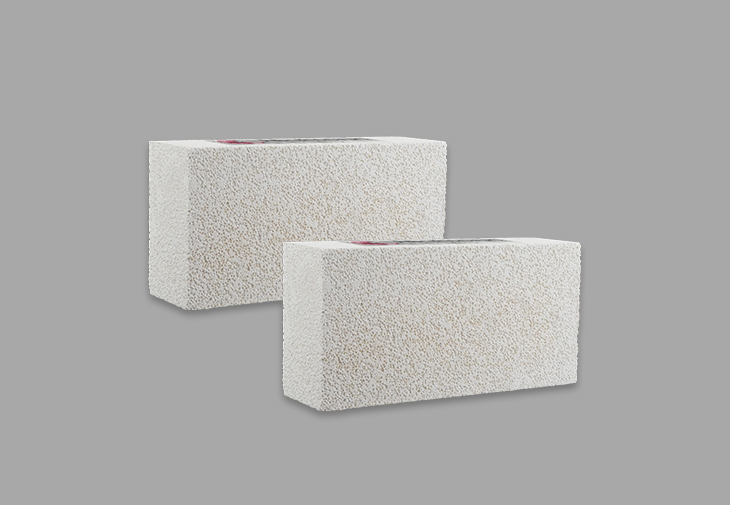
Mullite lightweight insulation brick is a high-quality insulation material.
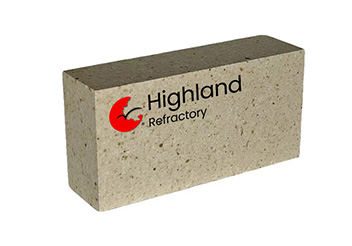
Low creep clay bricks have a low creep rate in high temperature environments and can maintain good shape and dimensional stability for a long time.