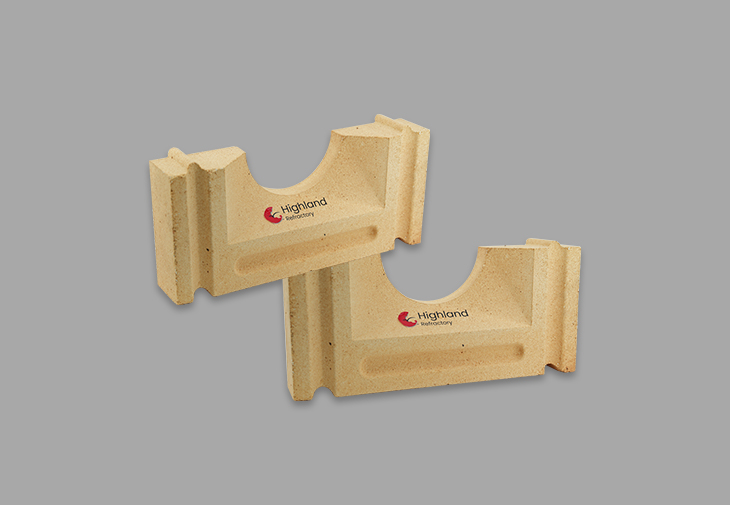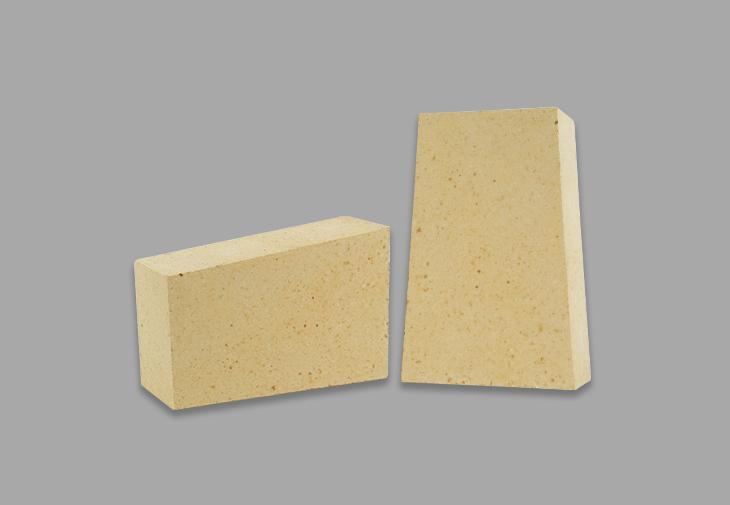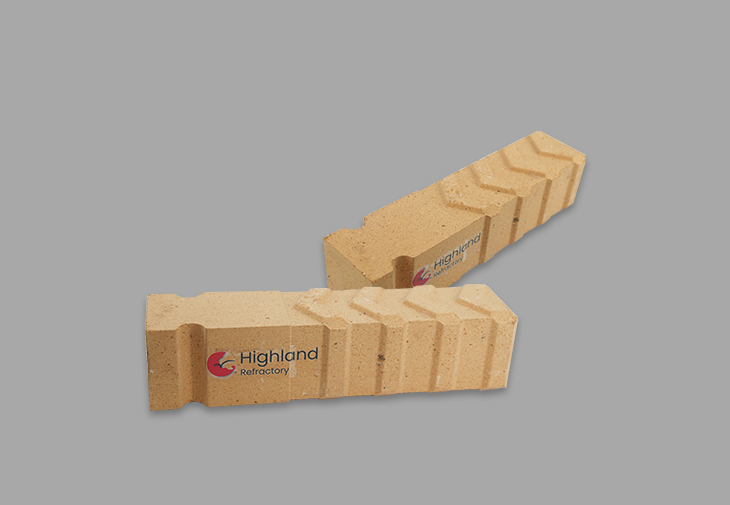
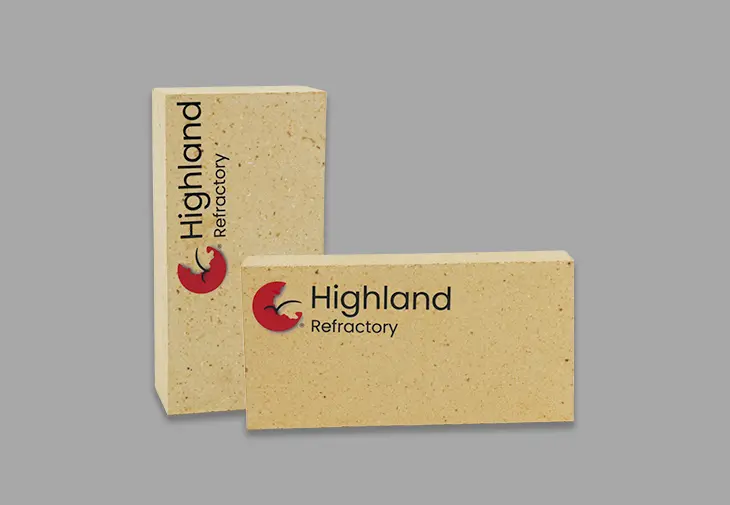
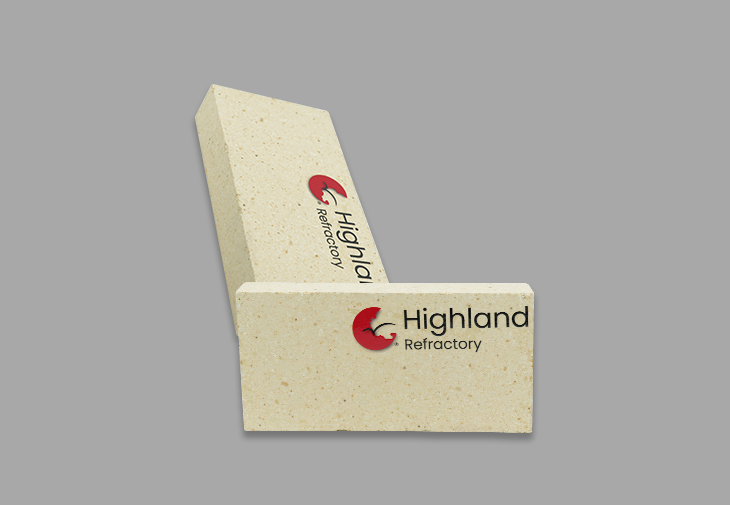
High Alumina Bricks are high-performance refractory products with alumina content ≥48%, crafted to endure extreme high temperatures—making them a top choice for foreign buyers importing from China. Known also as alumina bricks or high alumina fire brick, they excel in harsh industrial settings: steel blast furnaces, cement rotary kilns, and non-ferrous metal smelters rely on their ability to resist 1770℃ heat and molten slag erosion. For overseas procurement teams, B-end clients, and end-users, High Alumina Bricks for Sale from our China supply mean longer equipment lining life, fewer unplanned maintenance halts, and lower operational costs—delivering consistent, durable performance that supports steady industrial production.
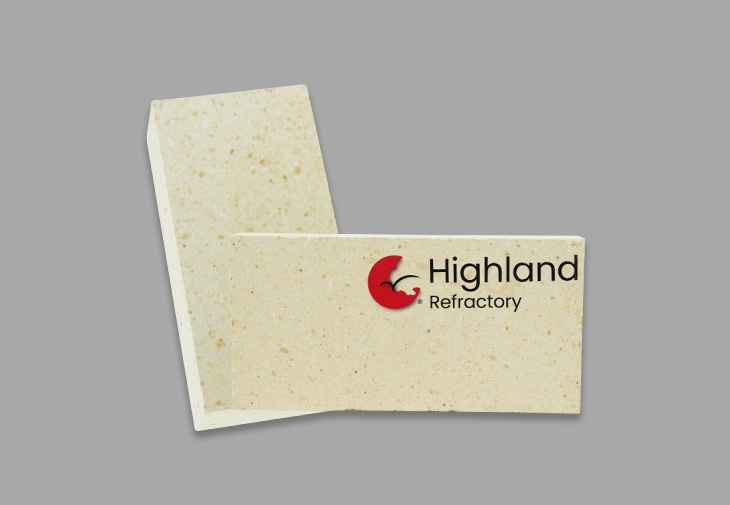
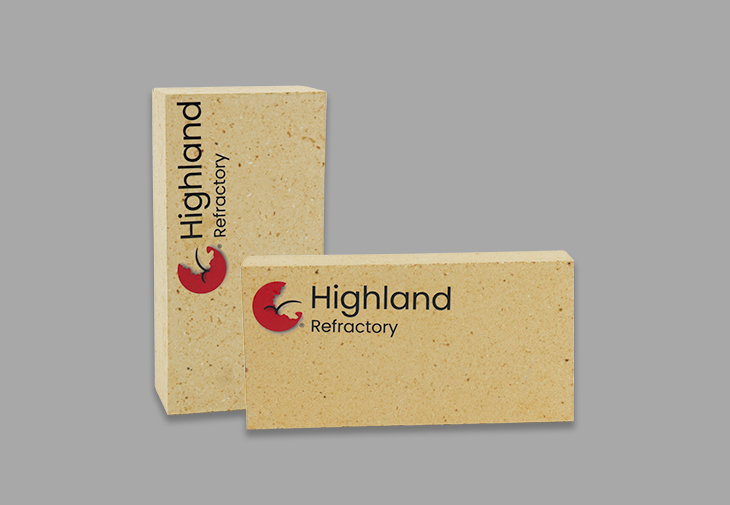
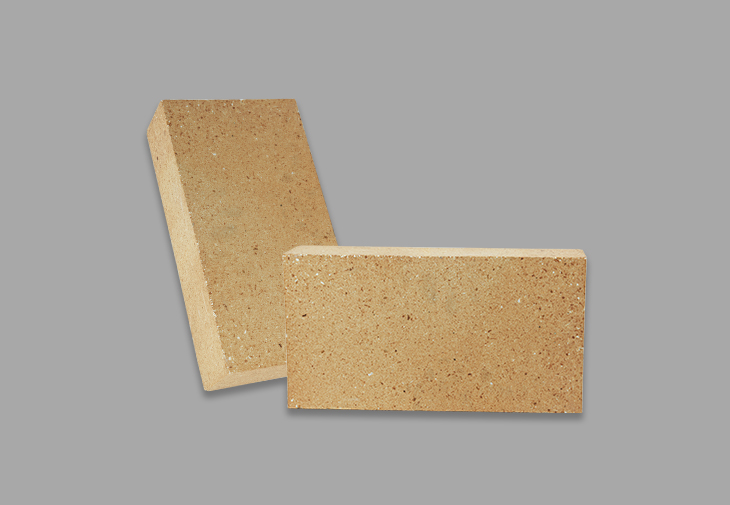
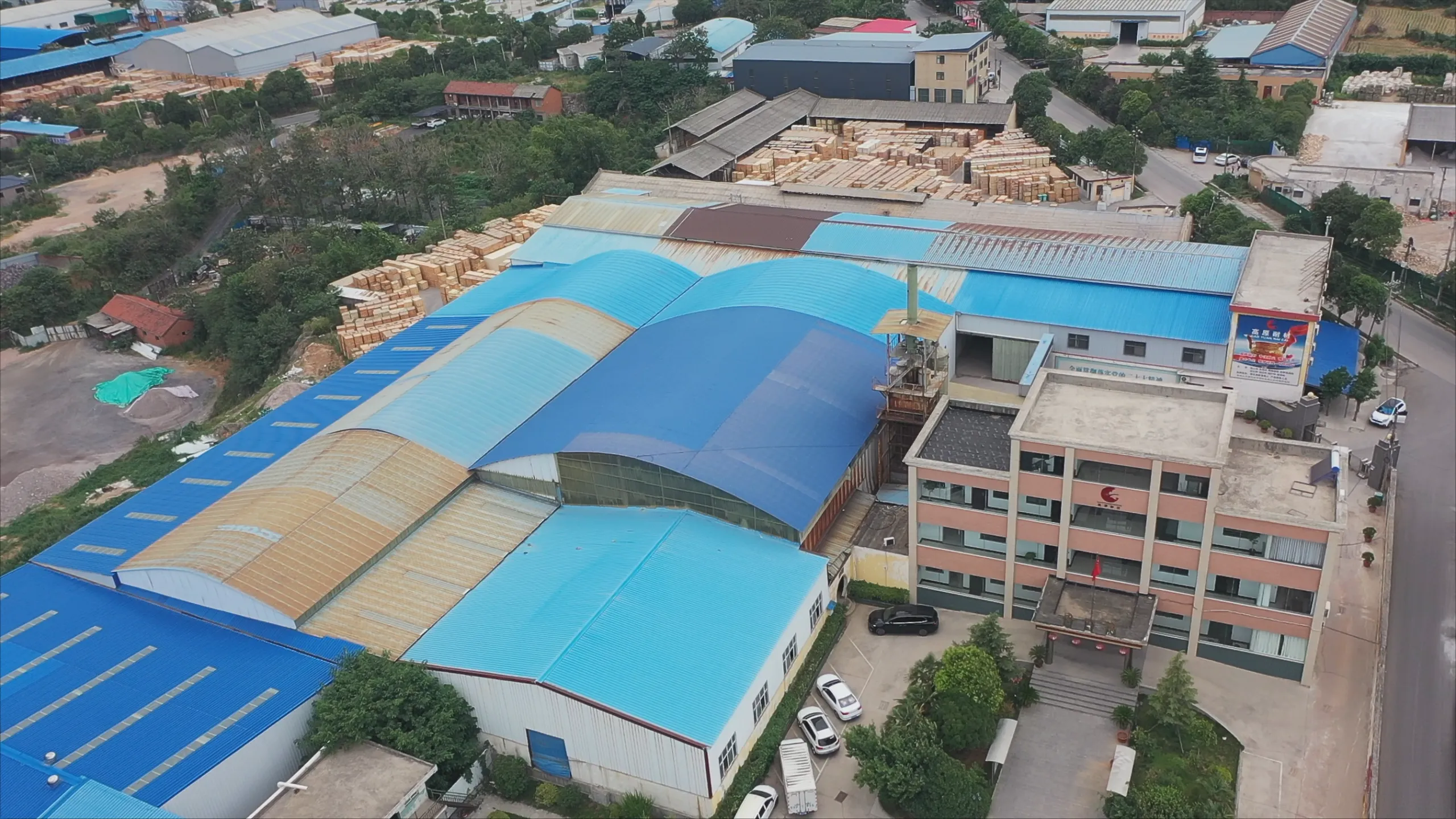
As a leading high alumina bricks manufacturer and supplier with over 30 years of expertise since 1990, Highland Refractory stands out as a reliable high alumina bricks factory dedicated to solving terminal users’ core pain points in high-temperature industrial operations. We boast a complete high alumina bricks production line and a 1,100-strong skilled workforce, enabling fast turnaround for your urgent orders of high alumina refractory bricks or alumina fire brick-140, eliminating the frustration of long lead times that often disrupt your production schedules.
Contact us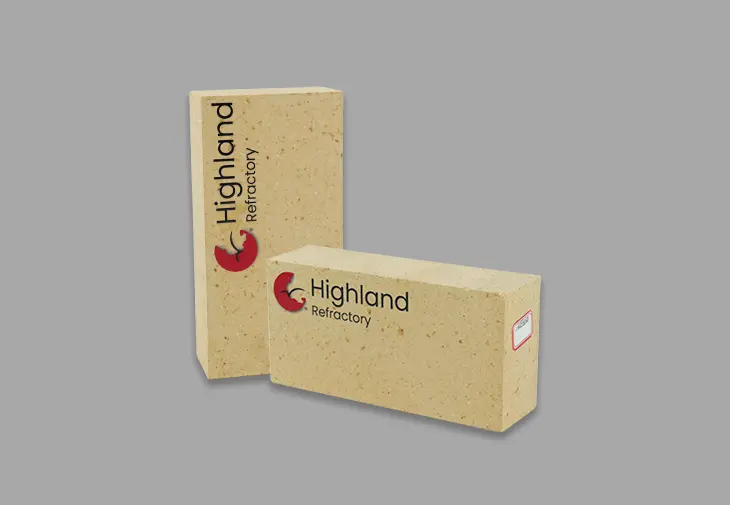
Our high alumina bricks for sale are certified with ISO 9001:2015 and fully comply with European standards, addressing your concerns about quality consistency when importing alumina bricks from China. Unlike premium-priced European brands, we offer competitive pricing for high alumina fire brick and alumina lining brick without compromising performance, directly reducing your high alumina bricks procurement costs. Beyond standard high alumina products, we excel at customizing high alumina refractory bricks in unique sizes and materials (e.g., alumina lining brick, alumina fire brick-140) and also supply complementary refractory materials like refractory castables and ceramic fiber blankets,solving the hassle of sourcing multiple products from different suppliers.
Contact us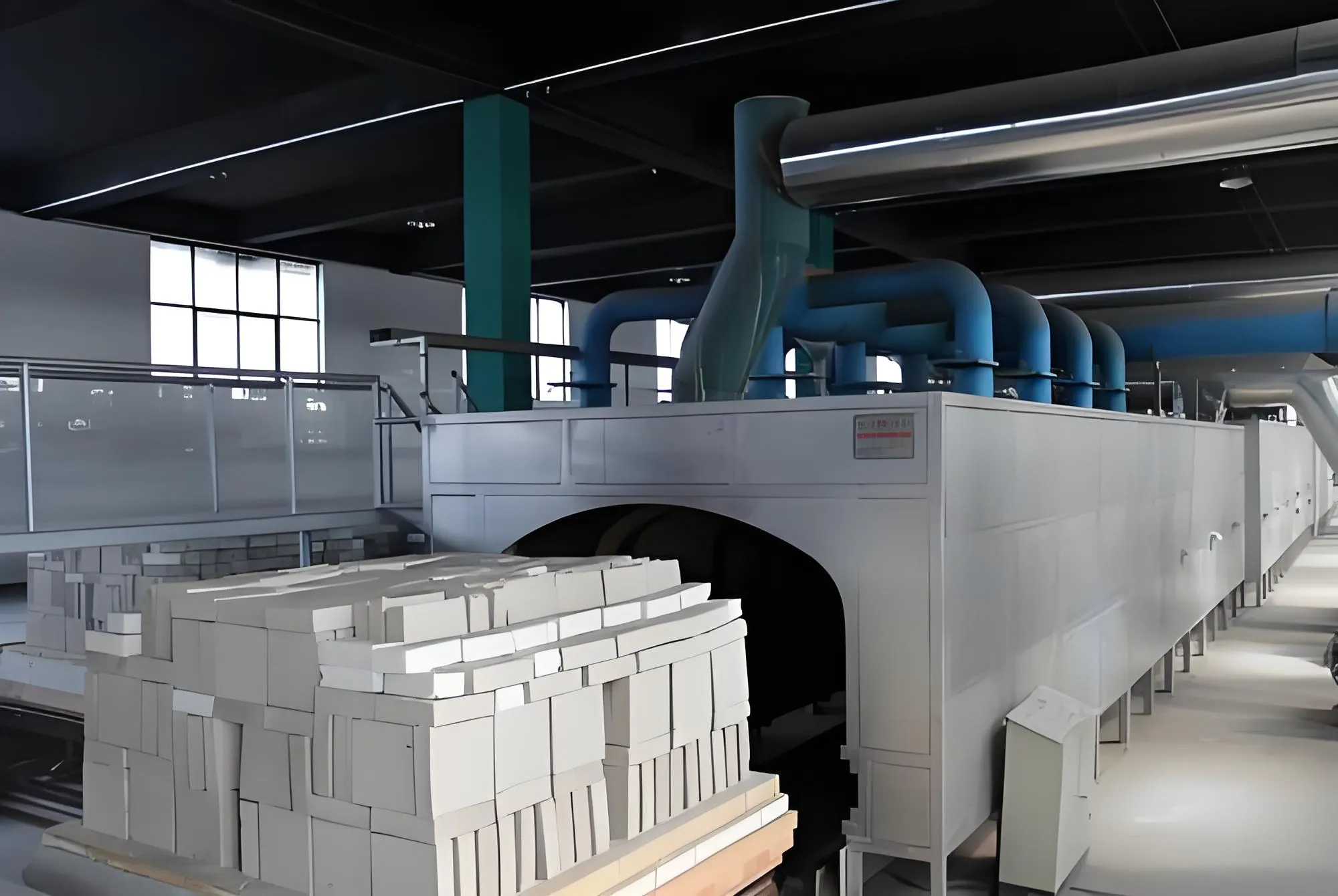
whether you operate in steel (needing high alumina fire brick for heat-resistant blast furnace linings) or cement (requiring alumina lining brick as erosion-resistant liners for rotary kilns), we tailor solutions to match your exact application scenarios. As your go-to high alumina bricks factory from China, Highland Refractory ensures our alumina bricks—from high alumina refractory bricks to alumina fire brick-140—fit seamlessly into your operations, minimizing maintenance downtime and maximizing equipment service life.
Contact usFor foreign buyers and end-users worried about parameter mismatches with kiln environments, Highland Refractory’s high alumina High Alumina Bricks deliver clear, reliable specs. Our alumina bricks boast a refractoriness of ≥1770℃ and cold compressive strength of ≥39MPa—critical for withstanding extreme heat in steel blast furnaces or cement rotary kilns. After 1400℃×2h reheating, the linear change rate stays at +0.1~-0.5%, ensuring minimal volume deformation. This dense structure forms a strong barrier against molten slag erosion, directly solving the pain of “ill-suited parameters” and letting you confirm at a glance if the product fits your kiln’s harsh conditions.
To address the hassle of ill-fitting bricks forcing equipment Transformation (modification), Highland offers standard high alumina High Alumina Bricks in the industry-universal size of 230×114×65mm—compatible with most conventional furnaces. More importantly, we provide tailored alumina lining brick solutions: based on your kiln structure drawings (e.g., irregular chambers in non-ferrous metal smelters), we adjust dimensions (thickness, edge angles) or create special-shaped designs. This customization ensures our alumina bricks integrate seamlessly with your existing equipment, eliminating the need for costly modifications and solving the “size mismatch” pain point.
End-users struggling to match high alumina bricks with temperature and application scenarios will find clear alignment here. Our alumina fire brick, with an applicable temperature of 1770-1800℃, suits steel blast furnaces and ladles; for cement rotary kilns, our high alumina High Alumina Bricks excel at withstanding 1600-1750℃ and alkaline slag. In energy incineration plants, our alumina bricks (≤1650℃) work as heat-resistant liners, while in non-ferrous metal smelters, they resist corrosion from multi-metal slags. This direct link between material, temperature, and industry lets you quickly match the right product to your equipment.
For buyers concerned about substandard imported high alumina bricks, Highland Refractory’s certifications provide full assurance. All our alumina bricks, including alumina lining brick and alumina fire brick, hold ISO 9001:2015 certification—covering every production step from raw material inspection to finished-product testing. They also meet European CE standards, satisfying strict regulatory requirements in EU markets. We provide complete certification documents with each order, letting you verify quality independently. This transparency eliminates “import quality uncertainty” and gives you confidence in our high alumina High Alumina Bricks.
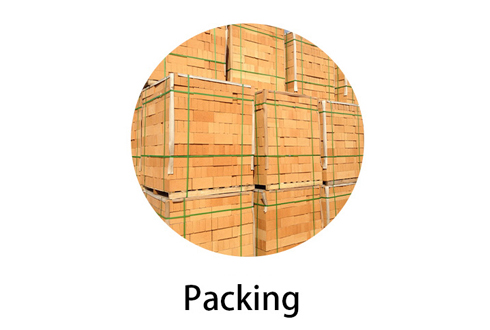
For foreign buyers and end-users importing from China, worries like High Alumina Bricks damage, complex customs clearance, or untraceable shipments are solved by Highland Refractory’s tailored logistics support. For packaging for High Alumina Bricks and regular bricks (e.g., fire clay bricks), we use 5-layer corrugated cartons (20-25 pieces each), stack them on IPPC-compliant pallets (1200×1000mm), and wrap with thick stretch film to resist collision; for fragile insulating bricks, we add moisture-proof liners to prevent breakage.
When shipping High Alumina Bricks from China, domestic factory-to-port transport uses box trucks for timeliness, while exports rely on 20ft/40ft containers for large orders. We also prep customs docs (commercial invoices, packing lists) upfront to simplify clearance. Our after-sales service for High Alumina Bricks covers free replacements within 3 workdays for transit damage, real-time shipment tracking via a dedicated link, and 24-hour responses for urgent orders—ensuring a hassle-free full logistics experience.
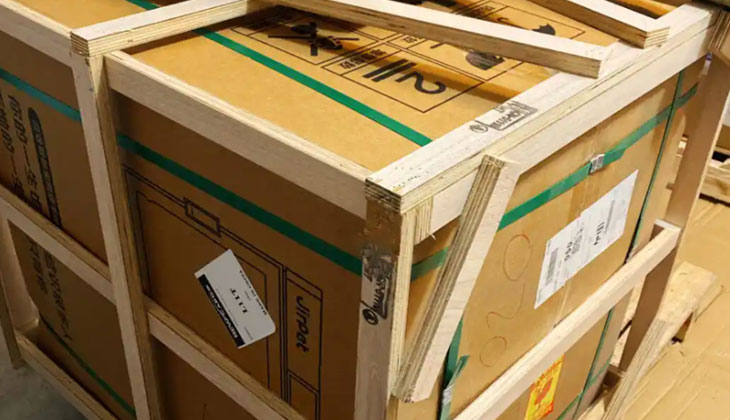
1. Domestic: 5-layer cartons (20–25 bricks) on 1200×1000mm pallets, stretch-wrapped;
2. Export: moisture-proof cartons + IPPC pallets + desiccant/labels;
3. Transport: domestic box trucks (≤60km/h), export containers (15cm gaps);
4. Loading/unloading: forklifts with pads; custom foam for irregular bricks (damage rate ≤0.5%);
5. After-sales: free replacement (photo verification within 24h); storage manual included.
Backed by decades of expertise, Highland Refractory delivers tailored refractory brick solutions across steel, cement, glass, and petrochemical industries. Trusted by global manufacturers, our products ensure long service life, efficiency gains, and cost savings—with on-site technical support to guarantee optimal performance for every client.
Steel plants face critical pain points: blast furnaces (1500-1800℃) and ladles suffer from extreme heat and molten iron/slag erosion, leading to frequent lining replacements. Highland Refractory’s high alumina refractory bricks perfectly address this our standard high alumina bricks (refractoriness ≥1770℃, cold compressive strength ≥39MPa) and alumina fire brick-140 form dense, slag-resistant linings. With a reheat linear change rate of +0.1~-0.5% (1400℃×2h), they avoid deformation in long-term use. For ladles needing extra durability, our high-purity high alumina bricks resist wear, solving “wrong brick selection” worries and ensuring stable blast furnace operation for foreign steel buyers.
Cement plants struggle with cement rotary kiln linings— Burning zone (≥1900℃) face alkaline slag corrosion, while transition zones need thermal stability. Highland’s alumina lining brick and standard high alumina bricks are tailored for this: the lining brick, with low porosity (<22%), blocks alkaline slag penetration, while our high alumina refractory bricks (1770-1800℃ applicable temp) fit transition zones. For irregular kiln sections, we offer custom-shaped high alumina bricks to avoid equipment modification. This direct adaptation to rotary kiln needs helps foreign building materials buyers quickly confirm product fit, no more “mismatched liners” issues.
Non-ferrous metal smelters (copper, aluminum) deal with dual challenges: 1200-1600℃ temperature swings and corrosive multi-metal slags that ruin ordinary bricks. Highland’s high-purity high alumina bricks, blended with anti-corrosion additives, boost acid/alkali resistance by 50% vs. standard options. Our alumina fire brick-140, with strong thermal shock resistance, handles sudden temperature changes without cracking. For smelters with special furnace shapes, custom-shaped high alumina bricks ensure seamless lining. This targeted solution eliminates “uncertain adaptability” for foreign smelting buyers, matching their harsh smelting environments.
Waste incineration plants face 800-1200℃ heat and acidic/alkaline flue gases that erode furnace liners. Highland’s low-porosity high alumina bricks and high alumina refractory bricks solve this: the low-porosity design blocks gas infiltration, while their refractoriness ≥1770℃ withstands incineration heat. Our alumina lining brick, applied to furnace key areas, resists corrosion and extends service life to 18-24 months. We also provide docs for easy import from China. For foreign energy buyers, this clarity on “product vs. incineration needs” removes “selection hesitation,” ensuring reliable furnace operation.
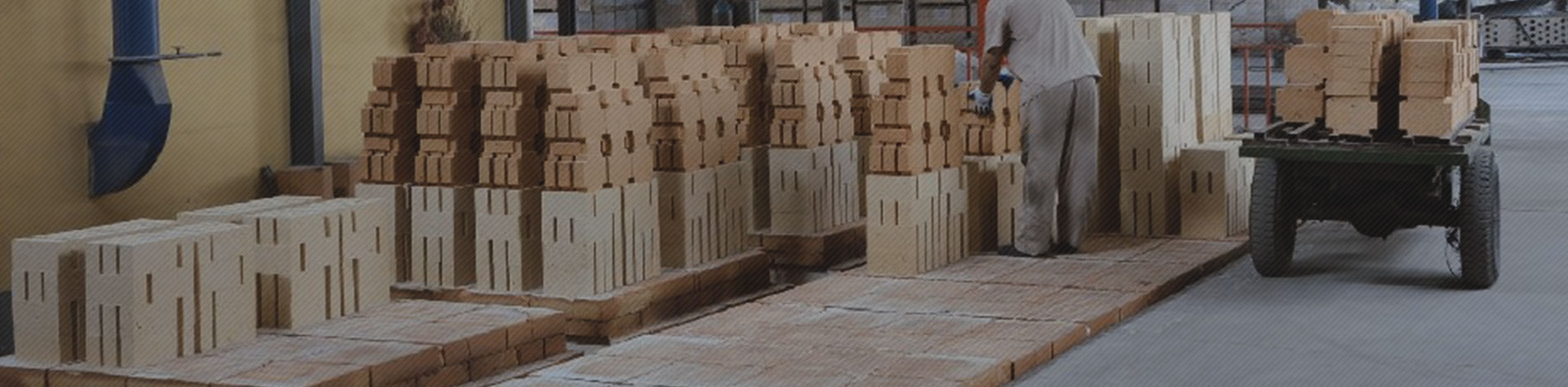
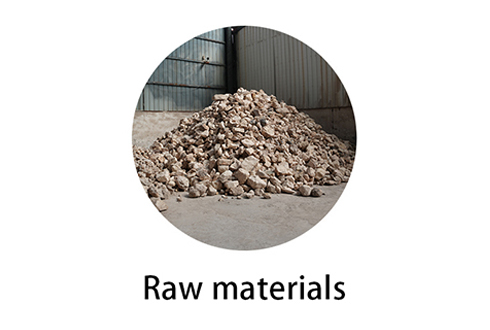
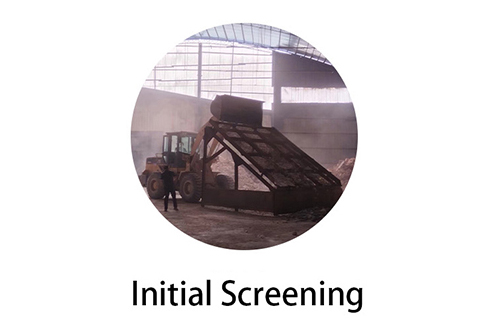
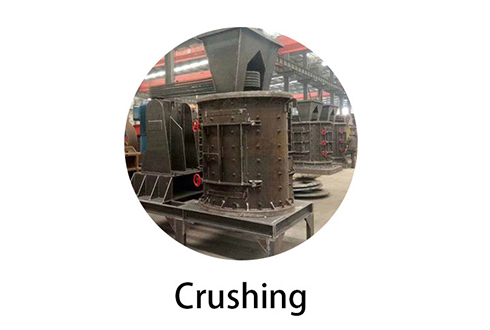
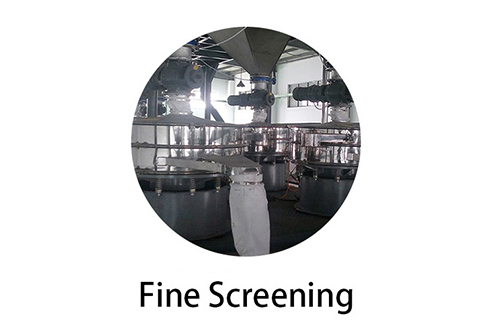
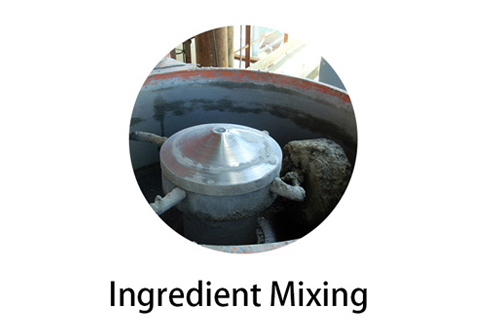
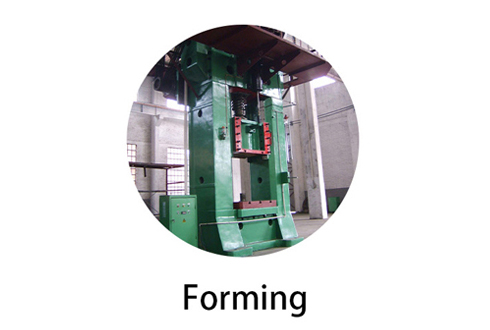
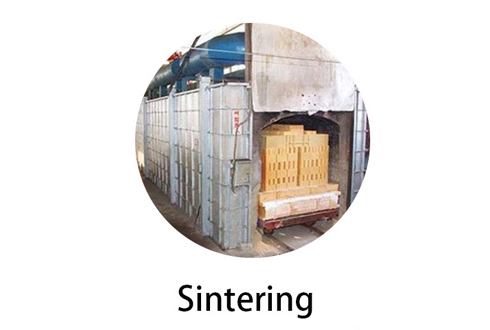
To ease foreign buyers’ and end-users’ (e.g., steel/cement plants) worries about opaque production and unstable quality of High Alumina Bricks, Highland Refractory follows a strict process: first inspecting high-purity bauxite for alumina bricks, then hydraulic press molding for shape accuracy, high-temperature sintering (1400-1800℃ in tunnel kilns), and final testing of high alumina refractory bricks.
Guided by ISO 9001, we monitor every step—verifying refractoriness (≥1770℃) and cold compressive strength (≥39MPa) for high alumina fire brick and alumina fire brick, ensuring no batch deviations. This “high-standard production + consistency guarantee” clarifies quality logic, letting you trust the reliability of importing our alumina bricks.
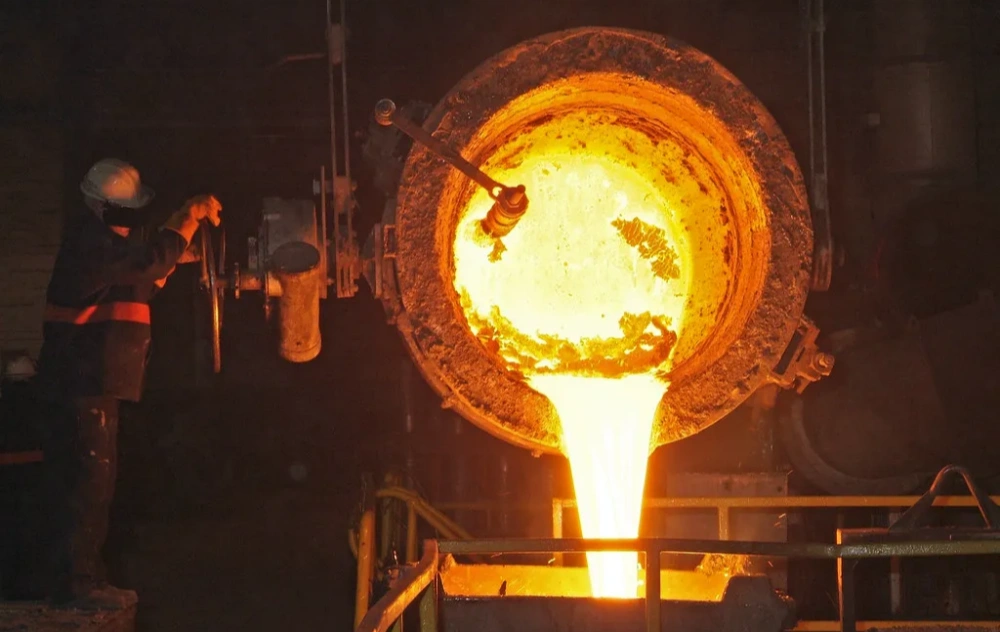
Steel plants face a critical pain point: blast furnaces (1500-1800℃) and ladles suffer from extreme heat and molten iron/slag erosion, leading to frequent High Alumina Bricks replacement and unplanned downtime. Highland’s high alumina refractory bricks address this perfectly—with a refractoriness of ≥1770℃, cold compressive strength of ≥39MPa, and a reheat linear change rate of +0.1~-0.5% (1400℃×2h), they form a dense barrier against slag penetration. Our alumina fire brick, in particular, maintains structural integrity even in the harshest furnace conditions. For a European steel client, these bricks extended blast furnace lining life by 40%, directly aligning with their need for stable, long-lasting high-temperature performance.
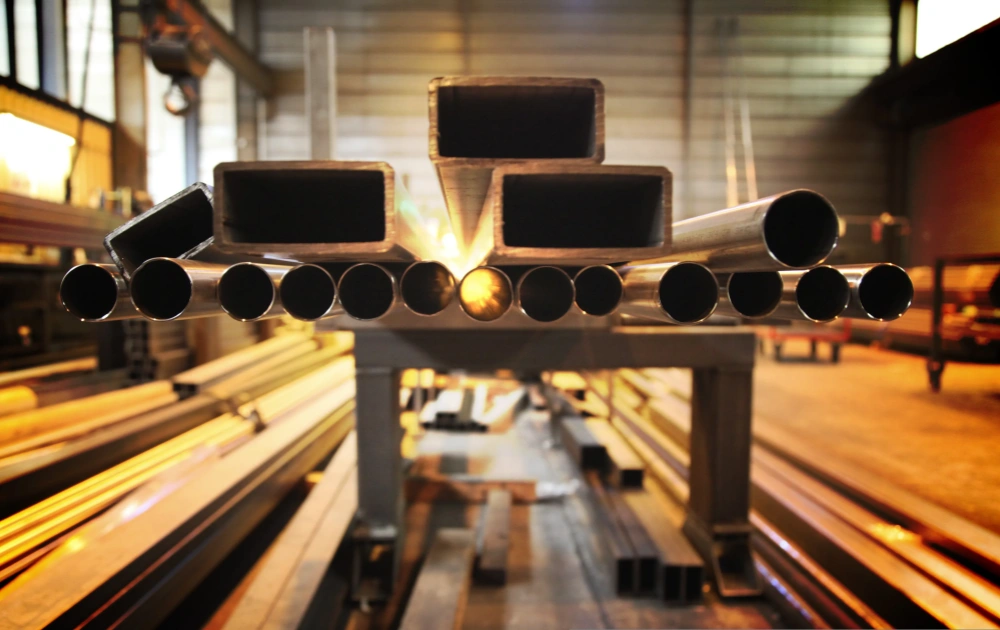
Cement plants (a key part of the building materials industry) often struggle with “one-size-fits-all” alumina brick irregular cement rotary kiln shapes force costly equipment modifications to fit standard bricks. Highland solves this by offering tailored High Alumina Bricks: based on clients’ kiln structure drawings, we design custom-shaped options (e.g., curved liners for transition zones or thin-walled bricks for preheaters) alongside standard 230×114×65mm sizes. Our high alumina fire brick can also be adjusted for thickness and edge angles. A Southeast Asian cement client avoided $50,000 in equipment costs using our customized bricks, ensuring seamless integration and saving installation time by 30%.
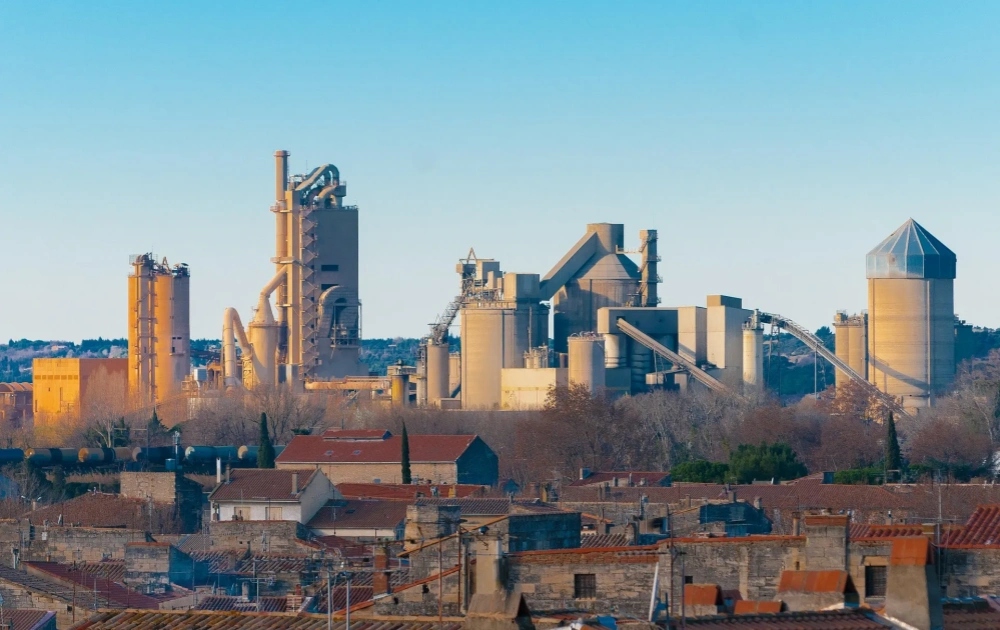
Non-ferrous metal smelters (processing copper, aluminum) battle acidic/alkaline molten slags that corrode ordinary High Alumina Bricks, causing lining spalling and monthly repairs. Highland’s corrosion-resistant high alumina refractory bricks blended with silicon carbide and coated with a proprietary anti-corrosion layer boost acid/alkali resistance by 50% vs. standard alumina bricks. Our alumina fire brick, optimized for smelting temperatures (1200-1600℃), resists both corrosion and thermal shock. A South American aluminum smelter reported a 35% drop in lining failure rates after switching to our bricks, cutting maintenance costs by $20,000 annually and meeting their demand for durable, low-upkeep solutions.
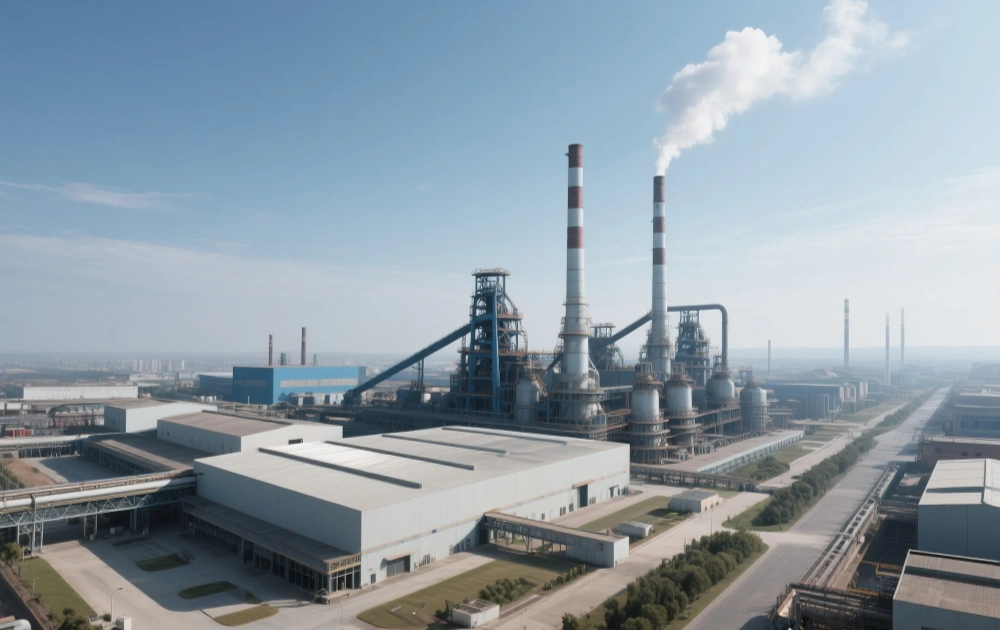
Waste incineration plants face frequent High Alumina Bricks replacement (every 6-8 months) due to 800-1200℃ heat and corrosive flue gases, leading to high procurement costs and production halts. Highland’s long-lasting alumina bricks made with high-purity bauxite and advanced sintering technologyextend service life to 18-24 months. Our high alumina fire brick, with low apparent porosity (<22%), blocks gas infiltration and reduces wear. A European waste-to-energy plant using our bricks reduced replacement frequency from 2 times/year to 1 time/2 years, slashing annual refractory costs by 25% and aligning with their goal of cost-efficient, continuous operation.