
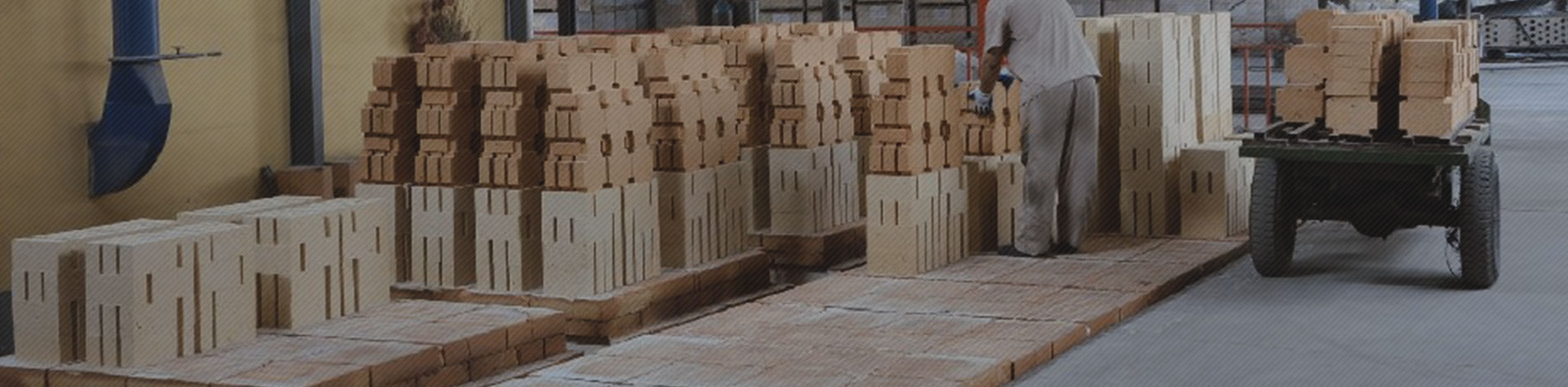
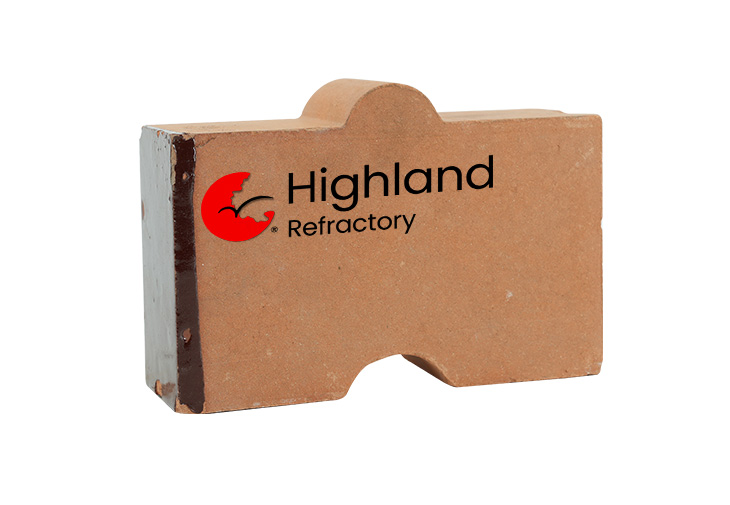
Highland Refractory’s Acid Resistant Brick is a trusted solution for foreign buyers and B-end users facing frequent erosion in acidic industrial settings, eliminating the hassle of costly, frequent replacements. Key specs include ≥98% acid resistance rate (tested in 98% sulfuric acid at 80℃ for 48h), refractoriness up to 1650℃, and cold compressive strength ≥30MPa ensuring it withstands strong acids and moderate heat without degradation.
Ideal as acid proof brick lining for chemical storage tanks, electroplating baths, and power plant desulfurization towers, it also suits acid-processing workshop flooring. Unlike low-grade acid proof bricks that fail in 6–12 months, this Acid Resistant Brick lasts 3–5 years, cutting maintenance downtime. With competitive acid proof bricks price versus European brands, it balances long-term durability and cost-effectiveness, making it a reliable choice for your acid-resistant infrastructure needs.
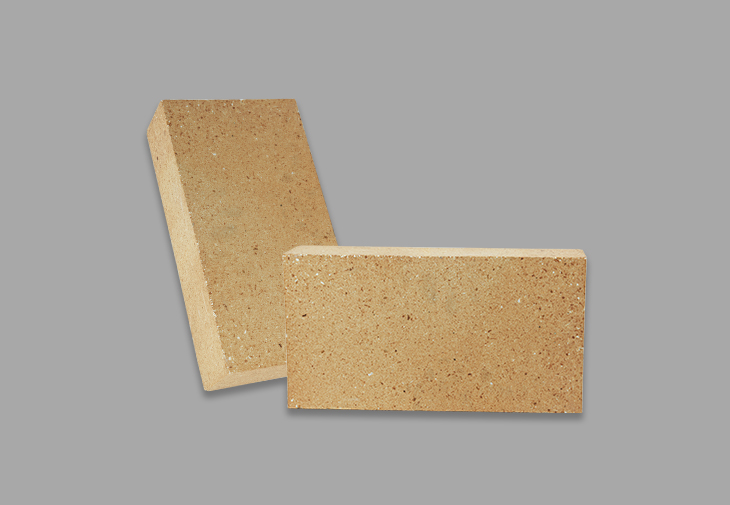
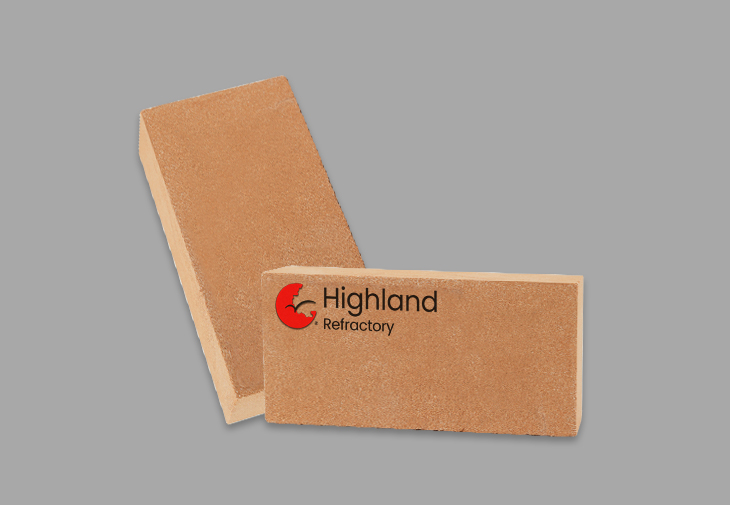
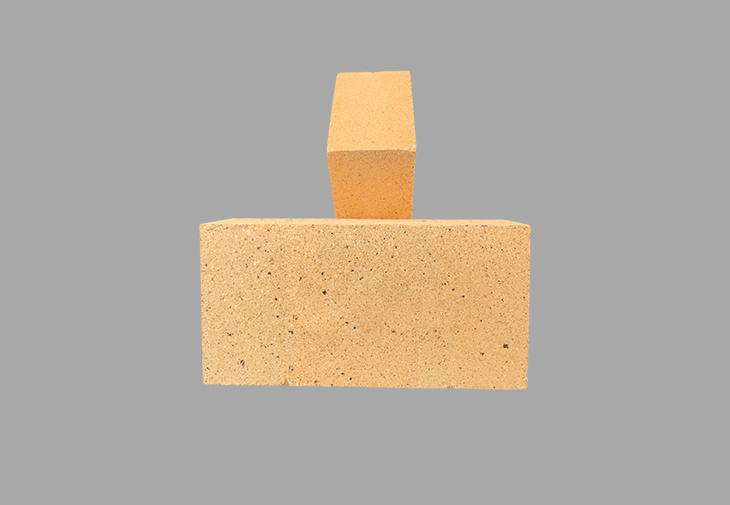
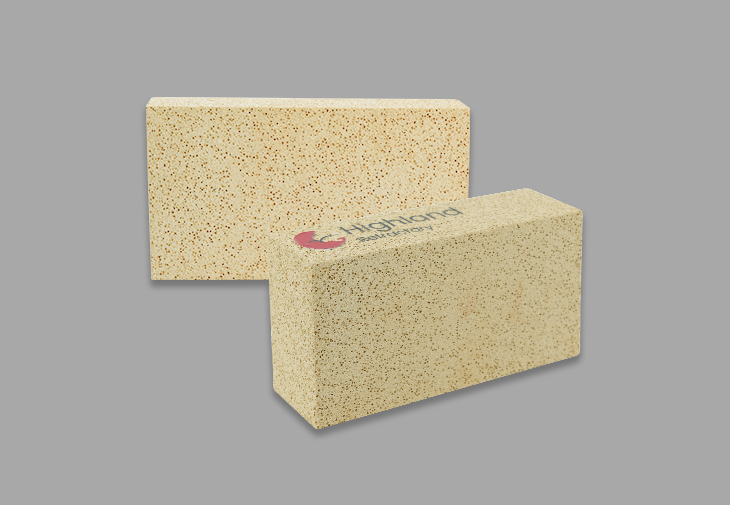
Acid-resistant brick is made of quartz, feldspar and clay as the main raw materials
Acid-resistant brick is made of quartz, feldspar and clay as the main raw materials
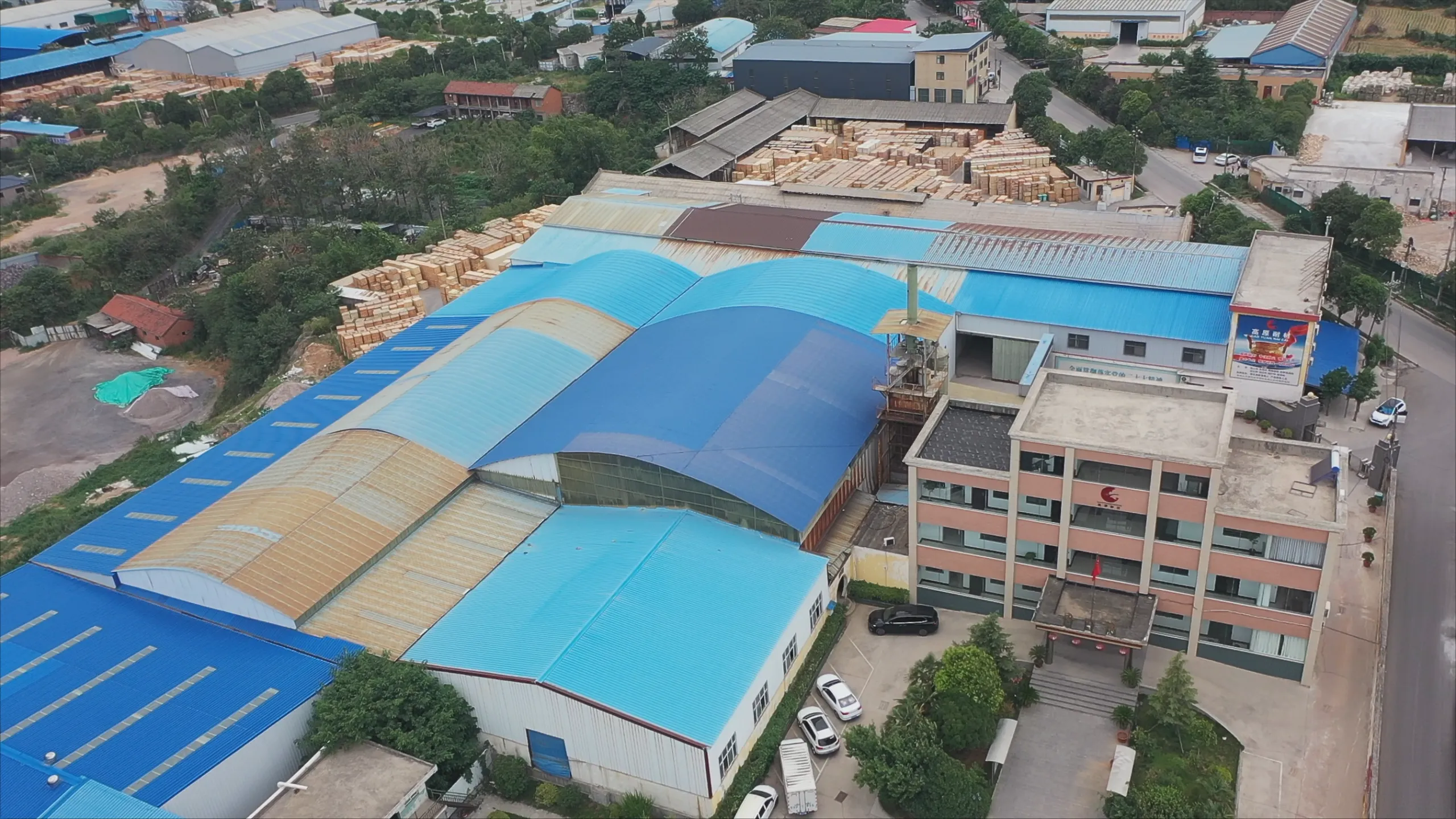
Global buyers in chemical, electroplating, and power industries often face a critical pain: delayed Acid Resistant Brick shipments disrupt the lining of storage tanks or desulfurization towers, leading to costly project delays. Founded in 1990, Highland Refractory—one of China’s top acid proof bricks manufacturers—fixes this with 1,100 skilled workers and complete production lines for acid resistant products. We swiftly fulfill bulk or urgent orders for Acid Resistant Brick, whether for standard variants or those tailored for acid proof brick lining. Our efficient production ensures on-time delivery, eliminating “long lead time” worries and keeping your acid-resistant infrastructure projects on schedule.
Contact us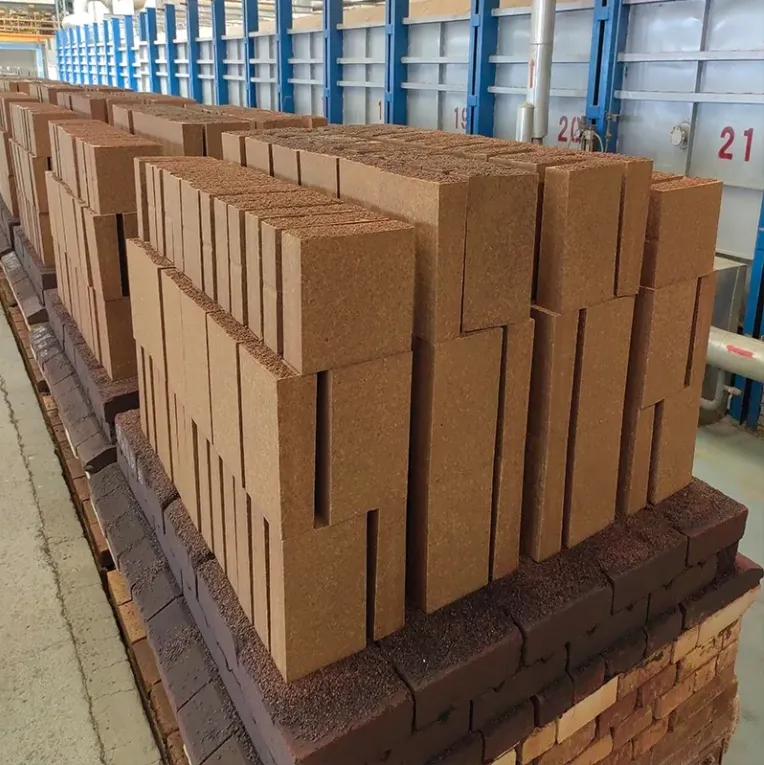
Terminal users (e.g., chemical plant operators) struggle with two issues: off-the-shelf Acid Resistant Brick can’t fit irregular tank shapes or meet special acid-resistance needs, and sourcing castables, fire bricks alongside acid brick lining requires coordinating multiple suppliers. Highland solves both. We customize Acid Resistant Brick to your exact specs adjusting size, thickness, and acid-resistance levels and offer one-stop supply of all your refractory needs (from high-alumina bricks to castables). This means no more “mismatched bricks” or “multi-vendor hassle,” as our products align perfectly with your acid-resistant lining projects.
Contact us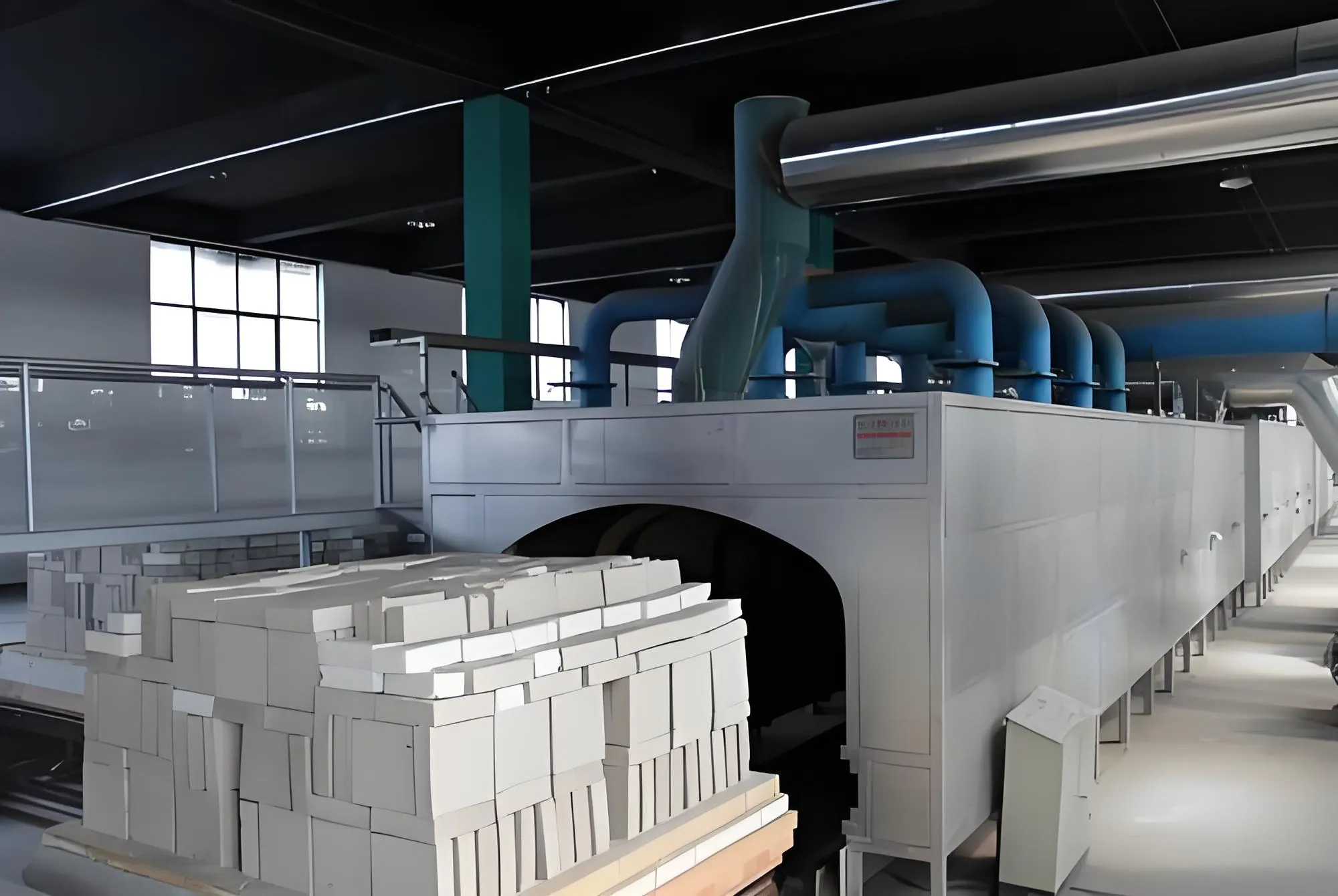
Overseas clients often face a dilemma: European/American Acid Resistant Brick ensures quality but is overpriced, while uncertified acid proof bricks risk premature failure in strong acids, ruining acid resistant brick lining. Highland resolves this. Our Acid Resistant Brick holds ISO 9001:2015 certification, meeting global standards (≥98% acid resistance, refractoriness up to 1650℃). Better yet, our prices are 25-30% lower than Western brands. This “certified quality + competitive pricing” combo eliminates “quality doubts” and “high cost” worries, making us a trusted partner for your acid brick lining needs.
Contact usTo resolve parameter mismatch worries, Highland Refractory’s Acid Resistant Brick provides clear, superior specs that outperform regular fire bricks, high-alumina bricks, and fire clay bricks. Our Acid Resistant Brick boasts ≥98% acid resistance (tested in 98% sulfuric acid at 80℃ for 48h), refractoriness up to 1650℃, and cold compressive strength ≥30MPa critical for withstanding strong acids and moderate heat. In contrast, fire clay bricks have ≤80% acid resistance and fail quickly in acidic environments, while high-alumina bricks prioritize high-temperature resistance over acid protection (only ~85% acid resistance). Even standard acid proof bricks from other brands often fall short of our durability, ensuring our product aligns with harsh acidic industrial needs without compromise.
For clients struggling with ill-fitting bricks, Highland offers flexible sizing for Acid Resistant Brick to suit diverse acid proof brick lining scenarios. Standard sizes cover industry norms: 230×114×65mm (for general flooring), 200×100×50mm (for small tanks), and 300×150×75mm (for large storage tank walls)—fitting most off-the-shelf equipment. For non-standard setups (e.g., irregularly shaped electroplating baths or curved desulfurization tower linings), we provide full customization: adjusting thickness (50–100mm), cutting edges, or molding bricks. This ensures seamless integration into your acid proof brick lining, no need for on-site modifications, and avoids gaps that lead to acid leakage.
To clear temperature-scene confusion, Highland maps Acid Resistant Brick variants to specific industrial demands. For ambient to 120℃ scenarios (e.g., chemical storage tanks, acid workshop flooring), our standard Acid Resistant Brick maintains stable acid resistance without degradation. For 120–600℃ environments (power plant desulfurization towers, acid vapor ducts), a reinforced variant resists thermal expansion and acid vapor erosion better than ordinary acid proof bricks. For 600–1650℃ high-temperature acidic kilns (e.g., chemical calcination kilns), our high-heat Acid Resistant Brick outperforms fire bricks (which lack acid protection) and ensures long-lasting acid proof brick lining helping you instantly match the right product to your operational temperature.
To address “imported product non-compliance” concerns, Highland’s Acid Resistant Brick meets strict global standards. All our Acid Resistant Brick and acid proof bricks are manufactured under ISO 9001:2015 and carry CE certification, complying with EU industrial regulations for acid-resistant materials. Every batch undergoes third-party testing (verifying acid resistance, compressive strength, and refractoriness) and comes with a detailed test report. Unlike uncertified products with inconsistent quality, our certified bricks guarantee stable performance across shipments—paired with competitive acid proof bricks price, they balance reliability and cost-effectiveness, letting you import with full confidence.
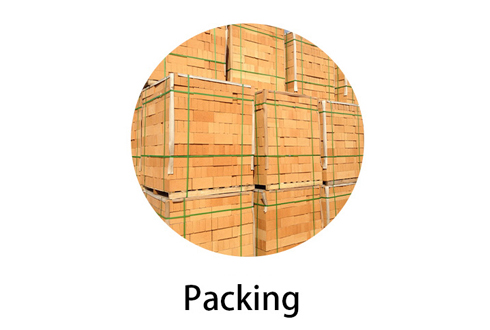
Highland Refractory eases foreign buyers’ international logistics worries when importing Acid Resistant Brick, solving pain points like transit damage, complex clearance, untraceable shipments, and slow emergency responses. For packaging, we differentiate from regular refractories (e.g., fire bricks, castables—packed in standard pallets): our Acid Resistant Brick, critical for acid resistant brick lining and acid brick lining projects, gets foam corner protectors, 5-layer corrugated cartons (20pcs/box), and IPPC-fumigated wooden pallets wrapped in stretch film, plus inner moisture-proof liners to prevent moisture damage and edge chipping during transit.
Domestically, sealed box trucks transport goods from our factory to ports (Shanghai, Guangzhou) to avoid rain; exports use 20ft/40ft containers based on order volume. We pre-prepare full clearance docs (commercial invoices, packing lists, certificates of origin) to skip delays. Post-shipment, a dedicated link tracks cargo in real time; transit-damaged Acid Resistant Brick is replaced free within 5 workdays (with photos). As trusted acid proof bricks manufacturers, we also offer a 24-hour green channel for urgent orders—ensuring a hassle-free full-logistics experience for your acid brick lining needs.
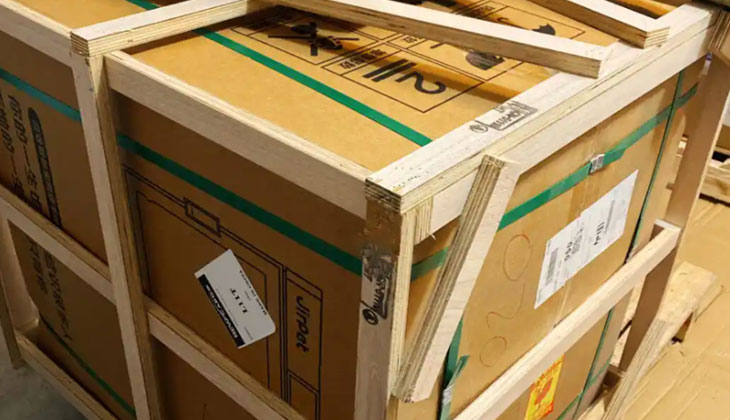
1. Domestic: 5-layer cartons (20–25 bricks) on 1200×1000mm pallets, stretch-wrapped;
2. Export: moisture-proof cartons + IPPC pallets + desiccant/labels;
3. Transport: domestic box trucks (≤60km/h), export containers (15cm gaps);
4. Loading/unloading: forklifts with pads; custom foam for irregular bricks (damage rate ≤0.5%);
Backed by decades of expertise, Highland Refractory delivers tailored refractory brick solutions across steel, cement, glass, and petrochemical industries. Trusted by global manufacturers, our products ensure long service life, efficiency gains, and cost savings—with on-site technical support to guarantee optimal performance for every client.
Ceramic manufacturers struggle with acid corrosion in acid leaching tanks and wastewater treatment pools—ordinary bricks degrade in 6–8 months, causing leaks and costly downtime. Highland Refractory’s Acid Resistant Brick solves this: with ≥98% acid resistance (tested in 98% sulfuric acid) and refractoriness up to 1650℃, it forms durable acid proof brick lining for these critical systems. Standard sizes like 230×114×65mm fit most tanks, while custom variants adapt to irregular wastewater pool edges. Unlike cheap acid proof bricks that fail quickly, our product lasts 3–5 years, reducing replacement costs. Paired with competitive acid proof bricks price, it ensures smooth ceramic production without corrosion disruptions.
Glass processing plants face acid erosion from etching solution storage tanks and transport pipes low-quality linings leak, contaminating glass and risking safety hazards. Highland’s Acid Resistant Brick is tailored for this: its dense structure resists hydrofluoric acid (common in glass etching) better than standard acid proof bricks, making it ideal for acid brick lining. The 200×100×50mm standard size fits pipe linings, while thicker 300×150×75mm bricks line large storage tanks. It maintains integrity even at 120–600℃ (typical of heated etchant systems), avoiding leaks. As trusted acid proof bricks manufacturers, we deliver consistent quality that keeps glass etching processes safe and efficient.
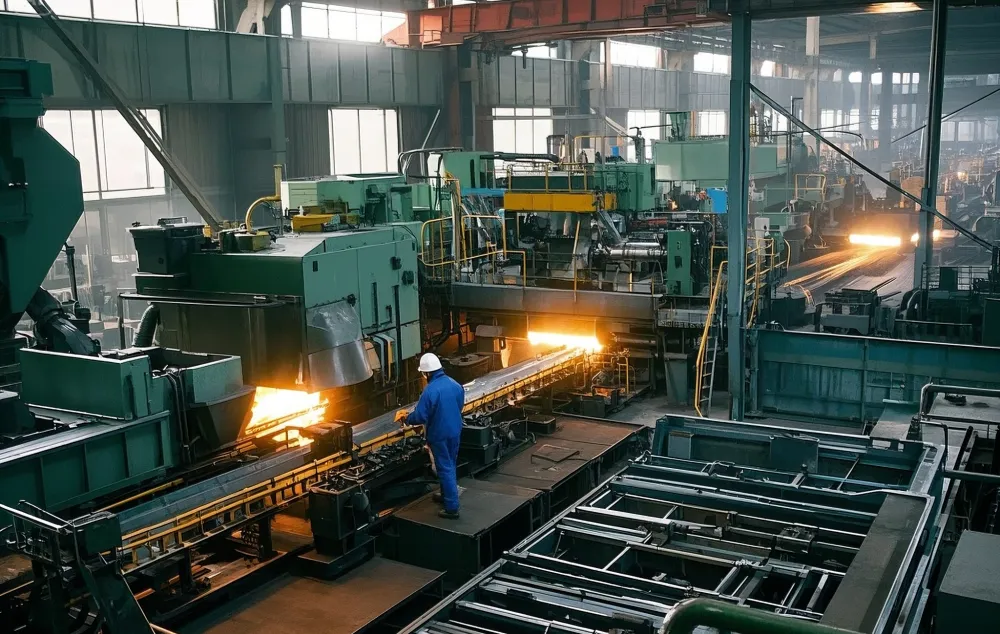
Metallurgical facilities battle corrosion in acid pickling tanks (for metal surface treatment) and acidic wastewater treatment units corroded linings lead to environmental non-compliance and production halts. Highland’s Acid Resistant Brick addresses this: with cold compressive strength ≥30MPa, it endures the mechanical stress of wastewater flow, and its ≥98% acid resistance handles pickling acids (e.g., hydrochloric, sulfuric). It forms reliable acid proof brick lining for pickling tanks (using 230×114×65mm bricks) and wastewater ponds (custom curved bricks for edges). Compared to fire bricks (no acid protection), it lasts 4x longer, ensuring metallurgical operations meet 环保 standards and cut maintenance costs.
Machinery manufacturers need durable linings for electroplating baths and metal part acid washing tanks—ordinary bricks peel, contaminating plating solutions and ruining part quality. Highland’s Acid Resistant Brick is a perfect fit: it releases no impurities, keeping plating solutions pure, and its high acid resistance (≥98%) withstands the harsh acids in washing processes. We offer custom sizes (e.g., thin 50mm bricks for small electroplating baths, thick 100mm bricks for large washing tanks) to form precise acid brick lining. As a leading Acid Resistant Brick supplier, we balance quality and acid proof bricks price, helping machinery plants maintain part quality and reduce downtime from lining failures.
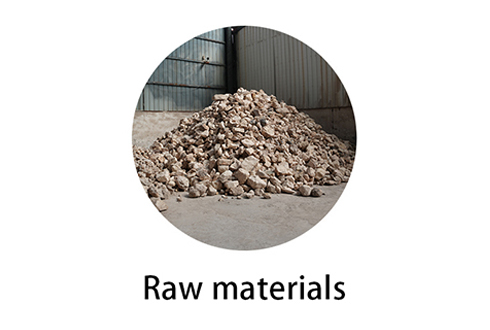
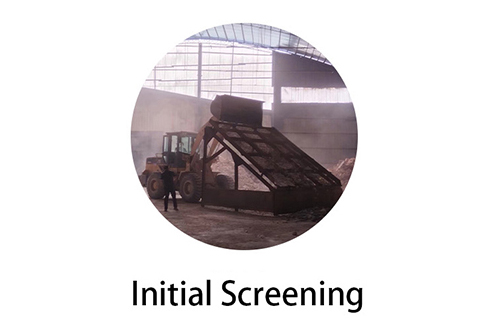
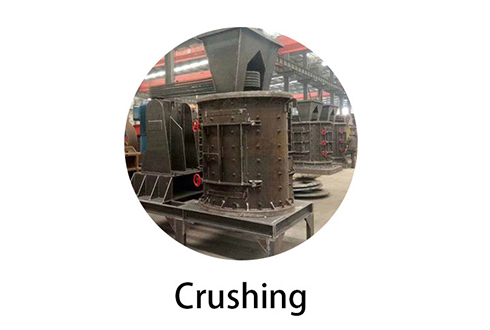
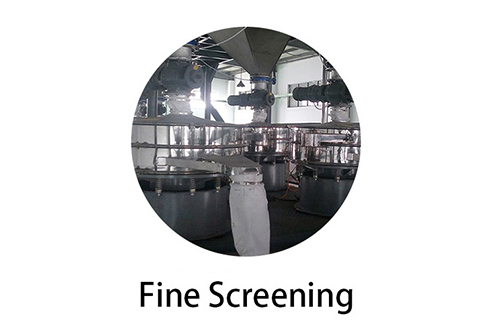
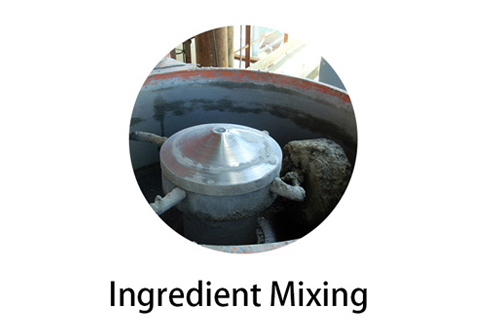
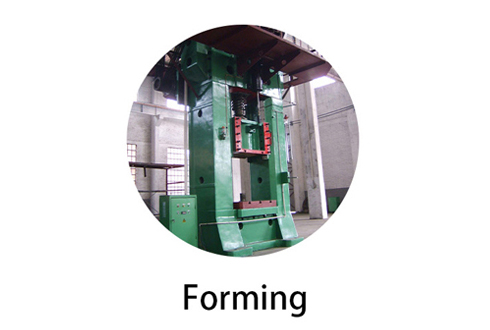
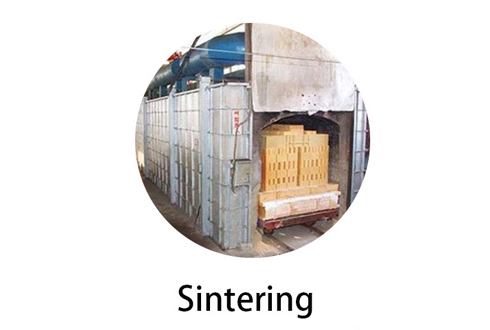
To ease buyers’ worries about opaque processes and unstable quality, Highland Refractory trusted acid proof bricks manufacturers follows strict steps for Acid Resistant Brick. First, we inspect high-purity quartz sand and feldspar (raw materials), ensuring impurity content ≤0.5% to guarantee acid resistance. Next, 1500-ton hydraulic presses shape the mixture, ensuring density ≥2.3g/cm³ (critical for acid proof brick lining durability). Then, we sinter in 1250–1350℃ tunnel kilns for 48 hours, avoiding porosity that weakens acid resistance.
Final tests cover acid resistance (≥98% in 98% sulfuric acid), cold compressive strength (≥30MPa), and size accuracy. Guided by ISO 9001:2015, we inspect at raw material intake, post-sintering, and shipment, sampling 5% per batch for strict checks. We also provide test reports, ensuring every brick meets acid brick lining needs—fully eliminating doubts about quality consistency.
Metallurgical plants face a major pain: ordinary bricks in acid pickling tanks corrode quickly (often failing in 6–8 months), causing acid leaks that risk environmental fines and production halts. Highland Refractory’s Acid Resistant Brick addresses this with ≥98% acid resistance (tested in 98% sulfuric acid at 80℃ for 48h)—far higher than low-grade acid proof bricks (≤85% acid resistance). It forms a tight acid proof brick lining that blocks leakage even in long-term exposure to hydrochloric or nitric acid. This reliability ensures pickling tanks run safely for years, eliminating “emergency repair” disruptions and making it a trusted choice for metallurgical acid-handling systems.
Ceramic manufacturers struggle with irregularly shaped acid leaching tanks and wastewater pools—standard bricks leave gaps in acid proof brick lining, leading to hidden corrosion. Highland solves this by offering fully customized Acid Resistant Brick: we adjust size (from 50mm thin plates to 100mm thick blocks), cut Alien edges, or mold arc bricks to match your equipment’s unique structure. For example, curved bricks fit circular wastewater pool walls, while tailored thin bricks line narrow tank corners. This eliminates on-site grinding or modification, ensuring seamless acid proof brick lining and avoiding the “one-size-fits-all” gaps that ruin acid resistance.

Machinery plants waste time and money replacing corroded electroplating bath linings—ordinary acid proof bricks need swapping every 6–12 months, disrupting production. Highland’s Acid Resistant Brick lasts 3–5 years, thanks to its dense sintered structure (density ≥2.3g/cm³) and high cold compressive strength (≥30MPa) that resists wear from plating solution flow. Paired with competitive acid proof bricks price, it slashes annual replacement costs by 60% compared to frequent low-quality brick changes. This “long life + cost-effectiveness” combo lets machinery plants focus on production, not constant lining repairs.
Glass processing plants face a unique challenge: acid vapor ducts operate at 120–600℃, and most acid proof bricks crack under heat, ruining acid proof brick lining. Highland’s reinforced Acid Resistant Brick solves this with refractoriness up to 1650℃ and thermal shock stability (no cracking after 5 cycles of 600℃ to room temperature). It maintains strong acid resistance even in hot acid vapor, outperforming regular acid proof bricks that lose integrity above 100℃. This makes it ideal for lining glass industry acid vapor ducts, ensuring long-term heat and acid resistance without “heat-induced failure” downtime.
Acid-resistant brick is made of quartz, feldspar and clay as the main raw materials
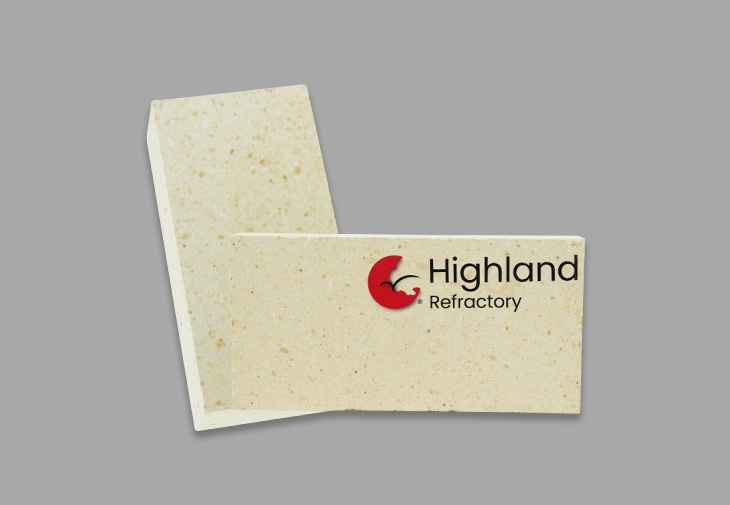
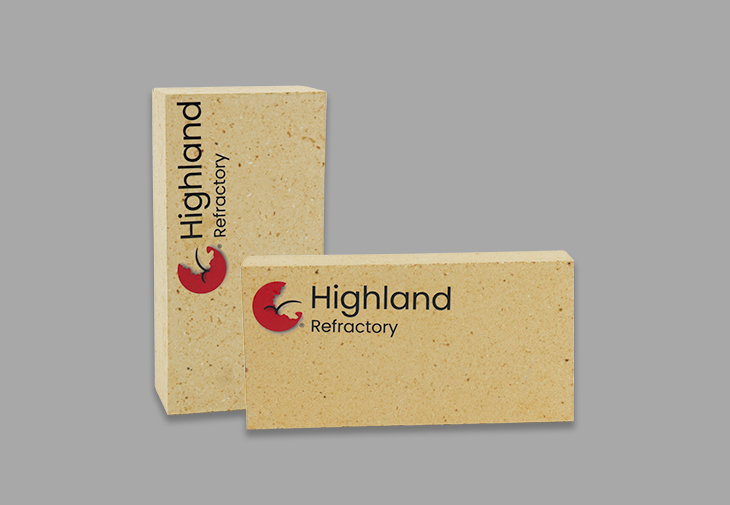
High alumina poly light brick is a high quality lightweight refractory material.
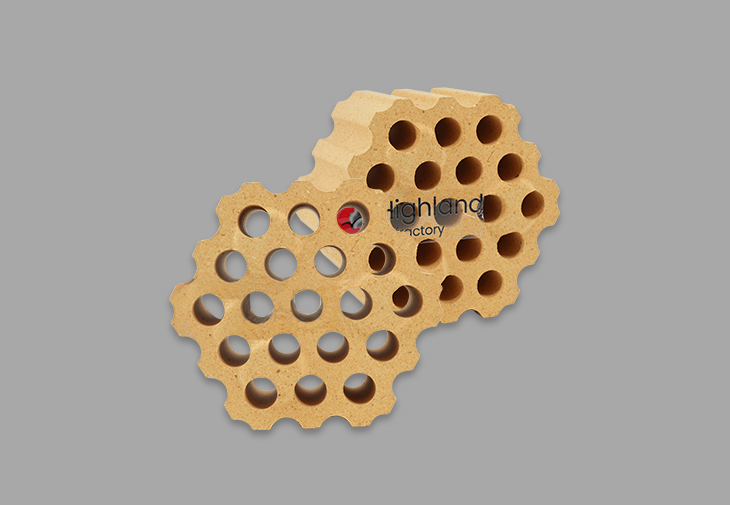
Checker bricks are heat transfer media used in the regenerative chambers of blast furnaces and hot blast stoves.