
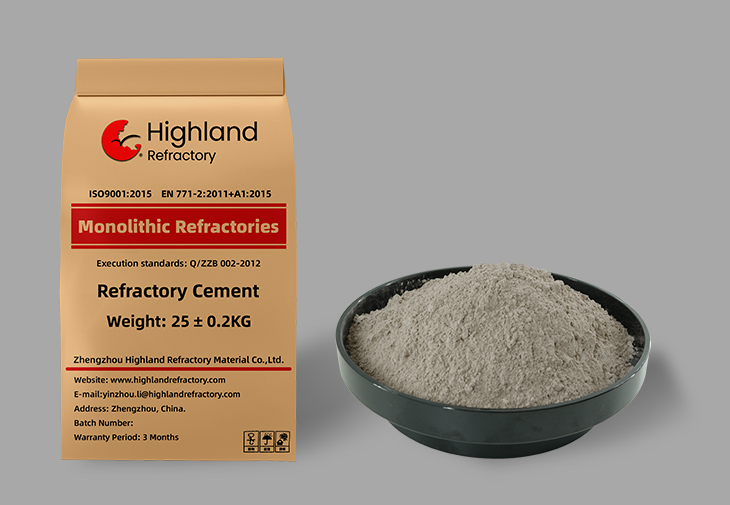
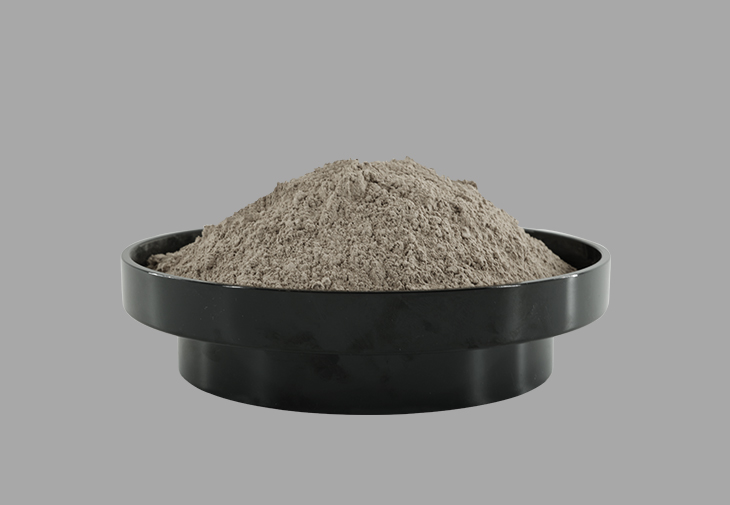
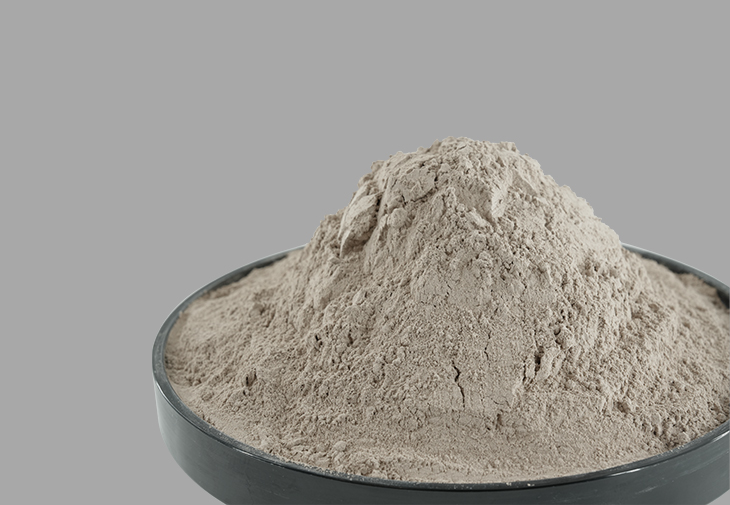
Refractory cement is made from high-quality bauxite and high-quality lime , mixed in a certain proportion to form a suitable amount of raw materials.
After sintering, the clinker mainly composed of aluminate is obtained, and then ground it into fine powder to make a water hardening cementitious material with refractory properties.
The fire resistance of refractory cement shall not be lower than 1580 degrees Celsius.
According to different compositions, it can be divided into aluminate refractory cement, low calcium aluminate refractory cement, calcium magnesium aluminate cement, and dolomite refractory cement.
(1) High refractoriness
(2) Good plasticity and bonding strength
(3) Good resistance to slag invasion
(4) Good thermal peelability
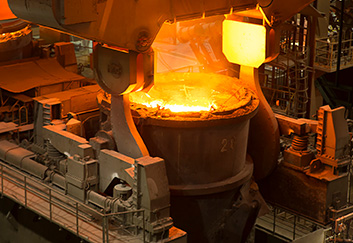
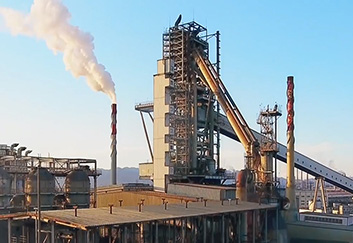
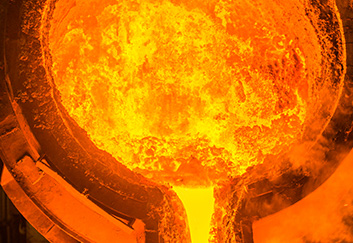
Lining of metallurgical furnaces such as blast furnaces, smelting furnaces, and converters

|
Type |
Al2O3 (%) |
SiO2 (%) |
Fe2O3 (%) |
Alkali [w(Na2O)+ 0.658w(K2O)](%) |
S (%) |
Cl- (%) |
|
CA50 |
50~60 |
≤9.0 |
≤3.0 |
≤0.50 |
≤0.2 |
≤0.06 |
|
CA60 |
60~68 |
≤5.0 |
≤2.0 |
≤0.40 |
≤0.1 |
|
|
CA70 |
68~77 |
≤1.0 |
≤0.7 |
|||
|
CA80 |
≥77 |
≤0.5 |
≤0.5 |
Highland Refractory categorizes Refractory Cement based on raw material composition and temperature resistance to adapt to diverse industrial needs, including High Alumina Refractory Cement (Al₂O₃ content 40%-90%, suitable for medium-to-high temperature environments like kiln linings), Silica Refractory Cement (SiO₂ content ≥85%, ideal for acid-resistant scenarios such as chemical plant furnaces), and Magnesia Refractory Cement (MgO content ≥80%, designed for alkaline slag environments like steel ladles); each type of Refractory Cement is formulated to adjust setting time and bonding strength, ensuring compatibility with different refractory aggregates and application conditions.
Highland’s Refractory Cement stands out in high-temperature construction with core strengths: it offers strong bonding performance, effectively adhering to refractory bricks, aggregates, or precast components to form stable, integral structures; it exhibits excellent thermal stability, maintaining structural integrity even under long-term exposure to temperatures ranging from 1200℃ to 1800℃ (depending on the type); it also features good workability, allowing easy mixing with water and shaping into complex forms for custom refractory parts—these advantages make Refractory Cement a critical material for building and repairing high-temperature industrial equipment.
Refractory Cement is widely used across sectors that require high-temperature structural bonding: in the steel industry, it serves as a mortar for lining steel ladles and tundishes, bonding refractory bricks to resist molten steel and slag erosion; in the cement industry, it is used to repair rotary kiln linings and bond refractory castables for high-wear zones; in the ceramic industry, it acts as a binder for kiln furniture (e.g., shelves and props) to ensure stable support during firing; in the power industry, it is applied to boiler linings and incinerator walls, withstanding high heat and flue gas corrosion—each application leverages Refractory Cement’s ability to create durable, heat-resistant structures.
Refractory Cement (Highland) excels as a ready-to-use bonding material, offering pre-formulated workability and direct bonding functionality— it can be mixed with water and applied immediately to bond refractory components, making it ideal for on-site construction and repairs; High Alumina Powder, by contrast, is a raw material that requires blending with binders, aggregates, or additives to form end products (e.g., refractories or ceramics), providing flexibility in custom formulations for specific performance needs—each product serves distinct roles, with Refractory Cement enabling convenient, direct bonding while High Alumina Powder supports flexible manufacturing of high-temperature materials.
Highland Refractory is a trusted producer of high-quality Refractory Cement, backed by 30+ years of refractory expertise—we use high-purity raw materials (such as fused alumina, silica, and magnesia), adopt advanced grinding and mixing technologies to ensure uniform particle distribution, and implement strict quality testing (measuring bonding strength, setting time, and high-temperature resistance for every batch), ensuring each Refractory Cement meets global industrial standards; we hold ISO 9001/CE certifications, maintain an annual production capacity of 60,000 tons (covering various refractory materials), and serve 1,500+ clients worldwide, making us a reliable partner for Refractory Cement needs.
Choosing Highland Refractory for your Refractory Cement requirements means accessing tailored solutions and comprehensive support: we offer customization (adjusting the Refractory Cement’s composition, setting time, and temperature resistance to match your application, such as fast-setting for emergency repairs or high-alumina for ultra-high temperatures), fast delivery (3–7 days for standard types in stock, 10–15 days for customized formulations), and bulk discounts (5–10% off orders ≥ 5 tons); we also provide free samples, detailed quality inspection reports, and 24/7 technical guidance (advising on mixing ratios and application methods), ensuring your Refractory Cement delivers reliable performance in high-temperature projects.

A: Yes, we do offer free samples of our standard Refractory Cement. You just need to cover the shipping cost to your address. If you're interested in samples of customized Refractory Cement with specific properties, a small fee may apply, but it will be refunded if you place a large order later.
A: For standard Refractory Cement that's in stock, you can expect delivery within 3 - 7 days. If you've ordered a customized type with special composition or performance features, it'll take 10 - 15 days as we'll need extra time for production and quality checks. For large - scale bulk orders, we'll work with you to set a suitable delivery schedule.
A: Our Refractory Cement is carefully packaged to ensure its quality during transit. It's first sealed in moisture - proof bags to prevent it from absorbing humidity. Then, these bags are placed in sturdy cardboard or steel drums, depending on the quantity. The drums are clearly labeled with handling instructions like "Keep Dry" and "Handle with Care".
A: We accept T/T (Telegraphic Transfer) and PayPal for payments. As with our other products, we require full payment before dispatching the Refractory Cement. We're always looking into adding more payment options to make it more convenient for you.
A: Absolutely. Every batch of Refractory Cement we produce undergoes strict quality control. You'll receive a detailed quality inspection report that includes information about its chemical composition, setting time, bonding strength, and high - temperature resistance. This will give you confidence in the quality of the product you're buying.
A: We apologize if you receive any damaged Refractory Cement. Please contact our customer service immediately and provide details and photos of the damage. We'll arrange to replace the damaged product with a new, undamaged batch at no extra cost to you.
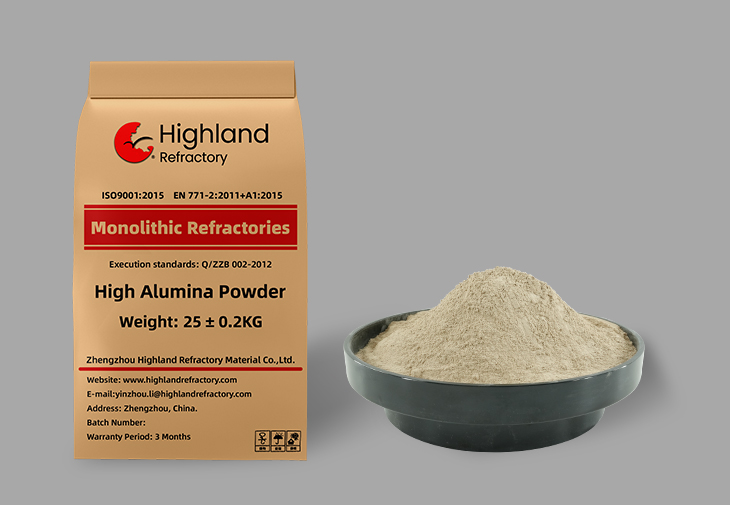
High alumina fine powder is a powder material with alumina (Al2O3) as the main component.
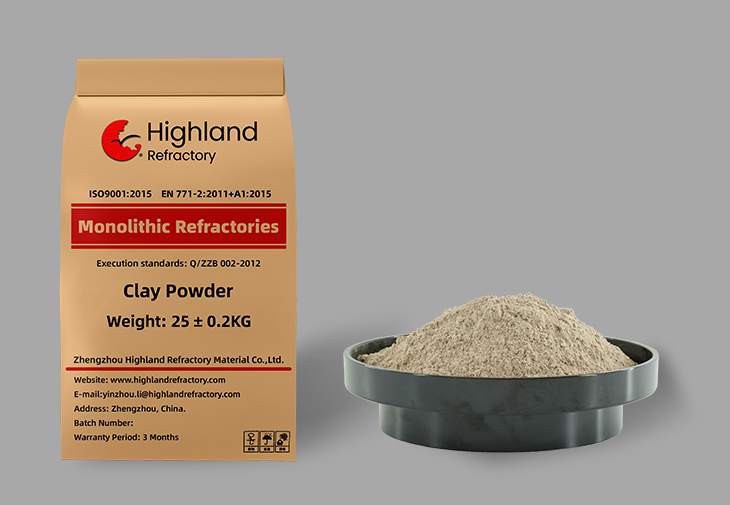
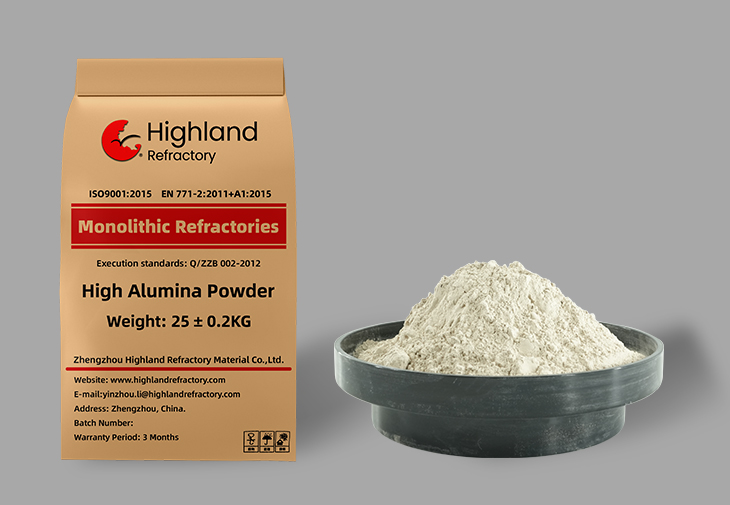
High alumina fine powder is a powder material with alumina (Al2O3) as the main component.
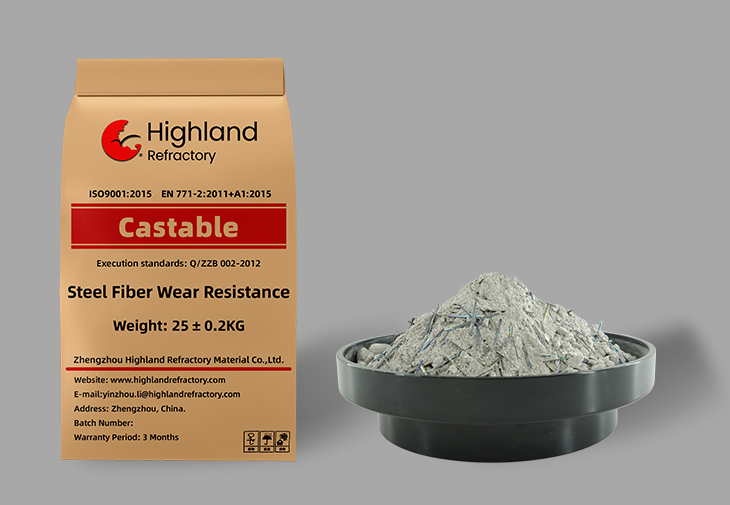
Steel fiber wear-resistant castables are widely used in high temperature and wear-resistant environments in many industrial fields such as metallurgy, building materials, and chemicals.
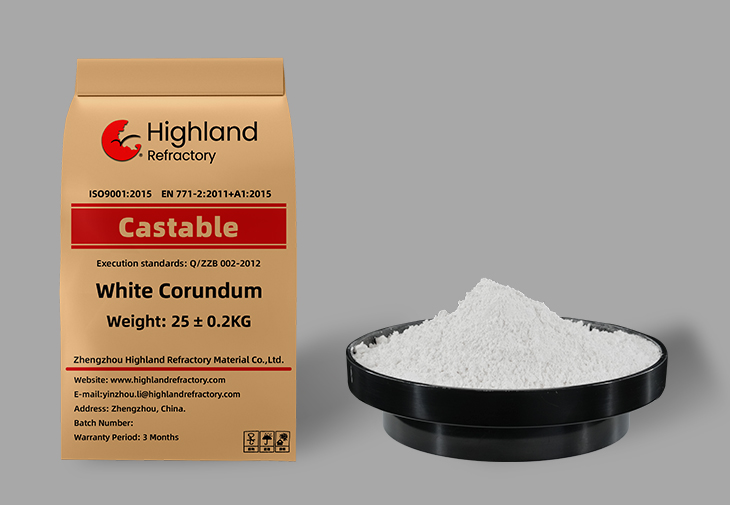
White corundum castable is a high-quality high-temperature refractory material with high-purity alumina powder as the main raw material.
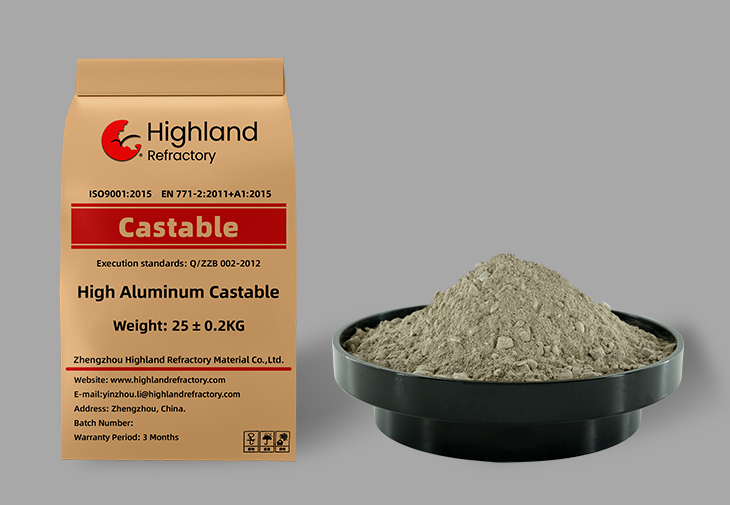
High aluminum castable refers to a refractory castable with Al2O3 content greater than 48%.
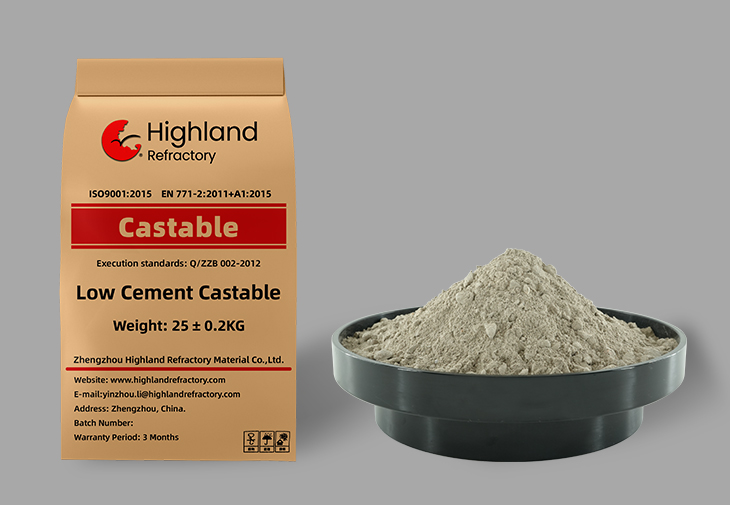
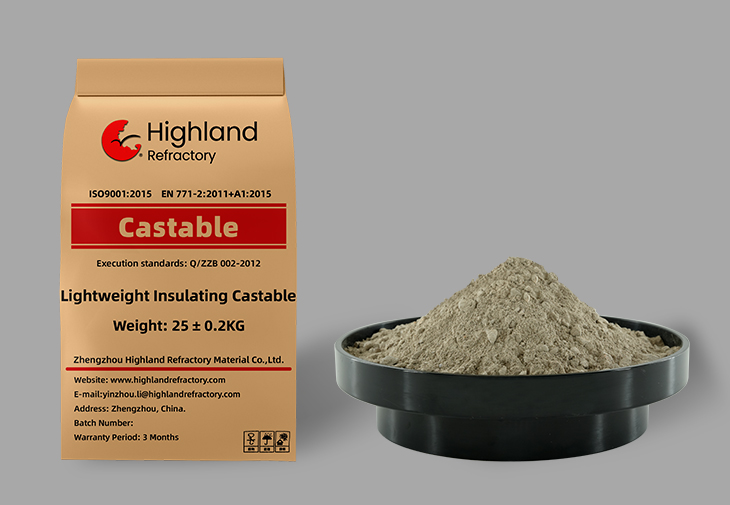
Lightweight insulation castable is a refractory with low density and excellent insulation properties.
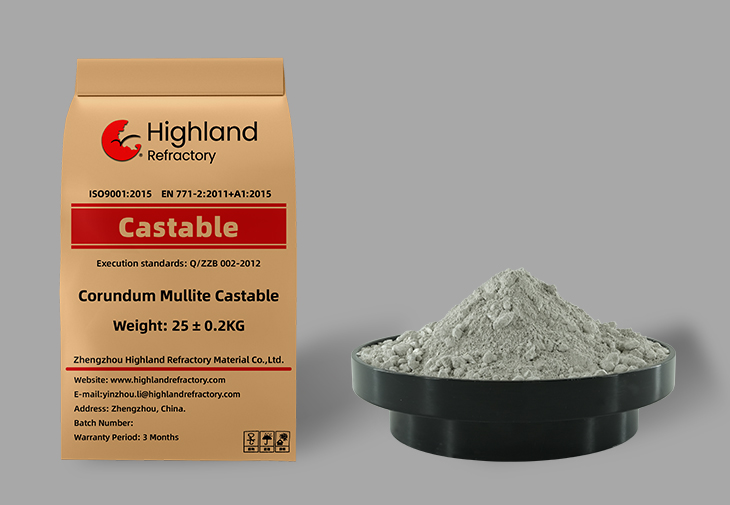
Corundum mullite castable is a high-quality high-performance refractory material with high thermal conductivity, insulation, good chemical stability and resistance to reducing agents.
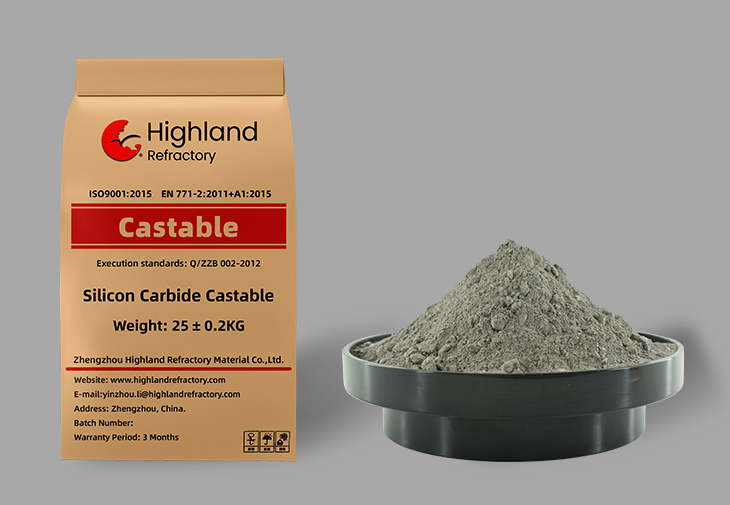
Silicon carbide castable is an amorphous refractory material with silicon carbide as the main component.
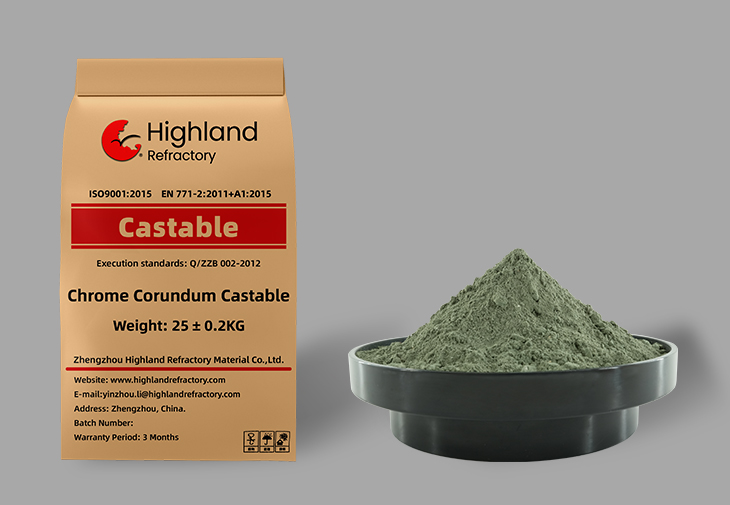
Chrome corundum castable is a high-performance amorphous refractory material composed of corundum and chromium. It has high melting point, high hardness, high stability and excellent slag resistance and wear resistance.
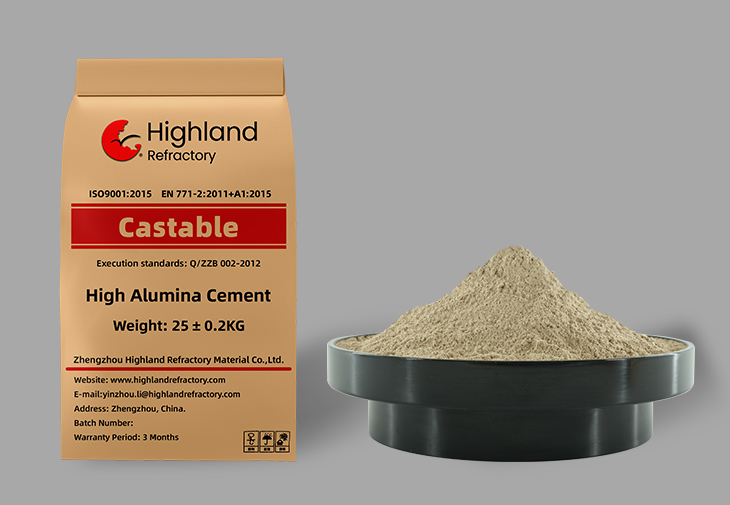
high alumina cement is a powder material with alumina (Al2O3) as the main component.
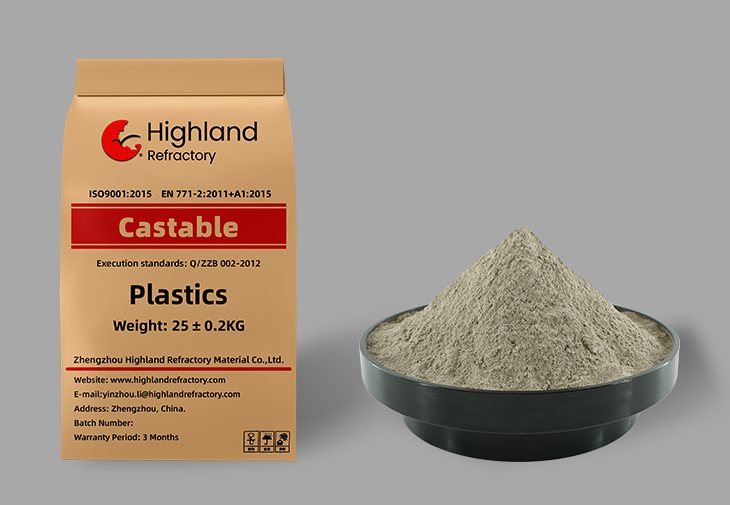
Plastic is an amorphous refractory material in the form of hard mud and has high plasticity.
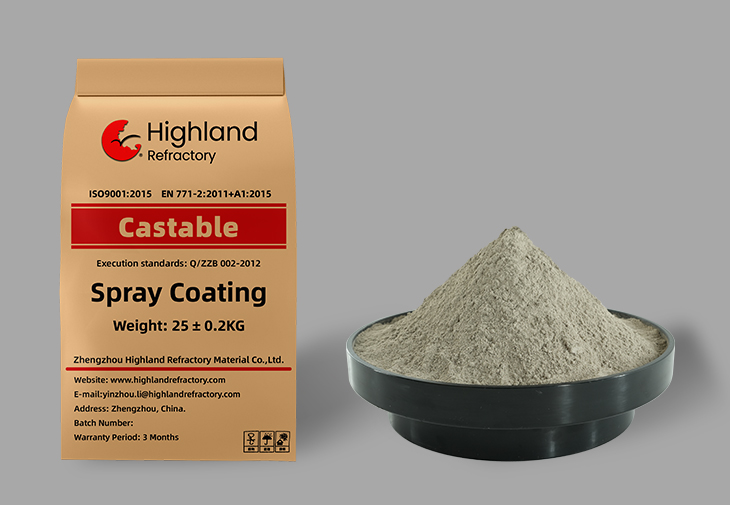
Refractory spray coating is a kind of amorphous refractory material, which is applied to the lining of thermal equipment by spraying construction method.
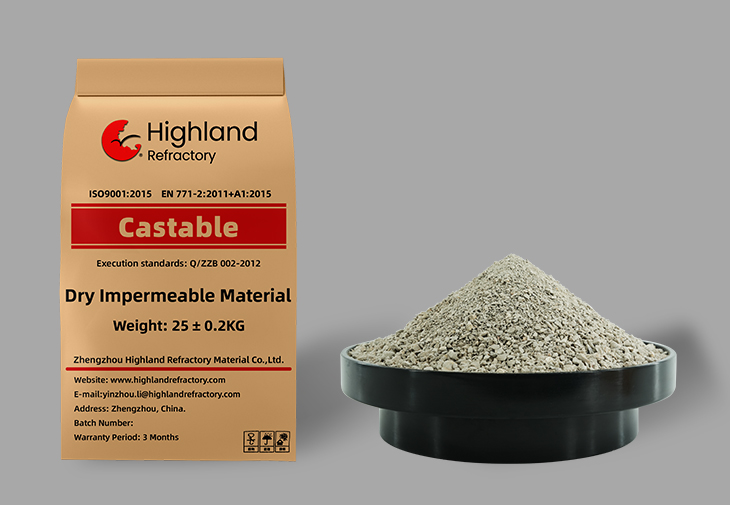
Widely used in a variety of furnace front package, transfer package, ladle insulation layer...
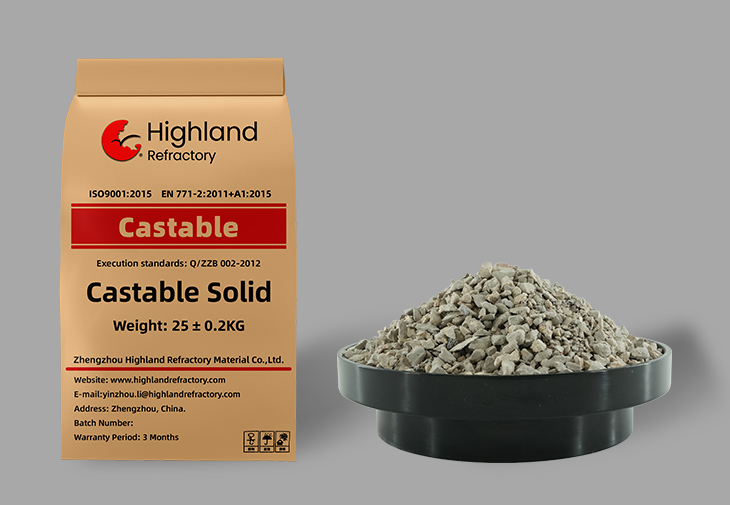
Widely used in a variety of furnace front package, transfer package, ladle insulation layer...
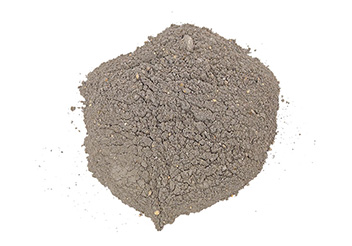
High temperature and high strength repair material is a special material used to repair equipment and structures in high temperature environments.
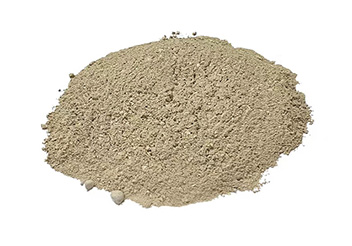
Lining coating is a functional material used on the surface of high-temperature equipment or facilities...
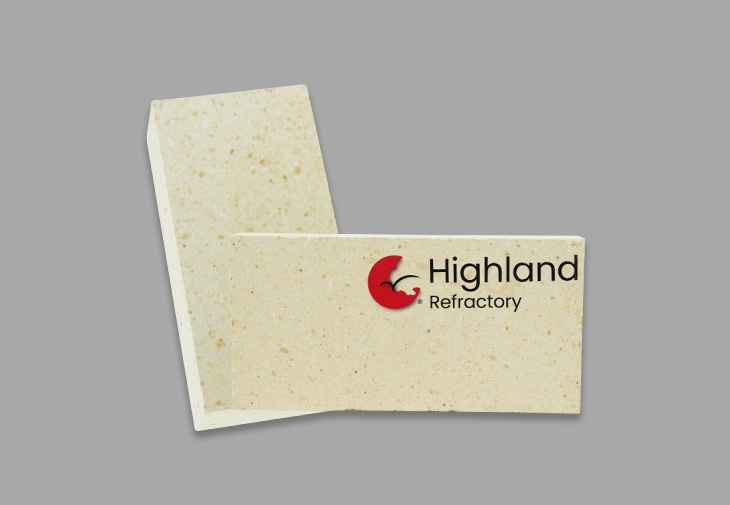
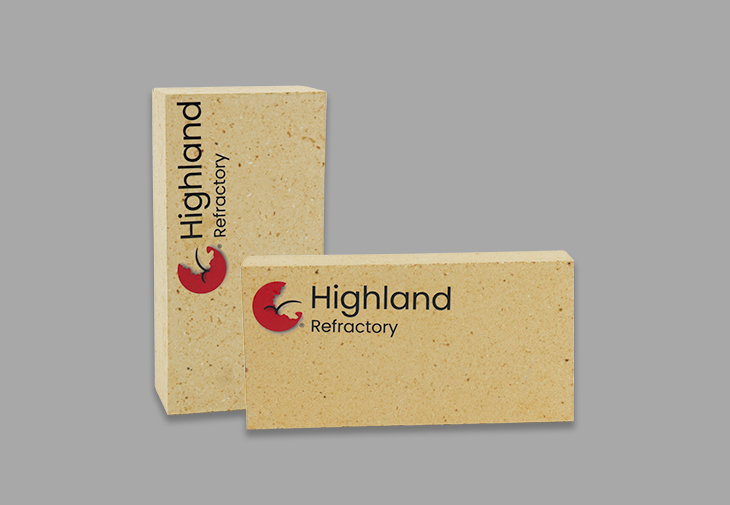
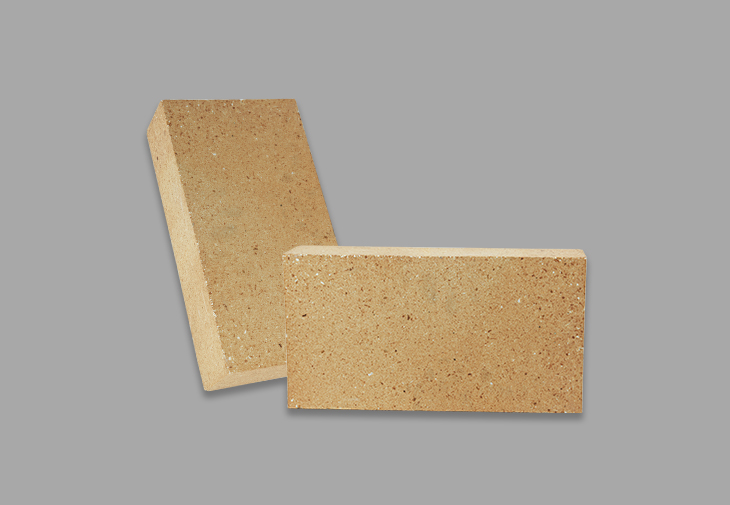
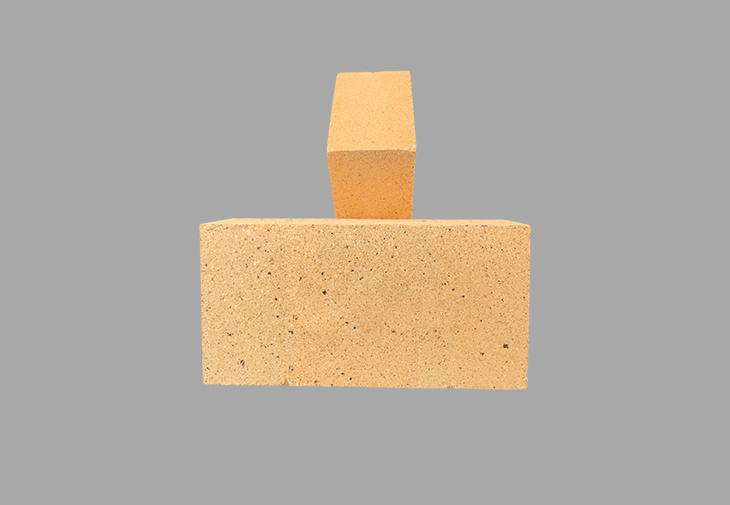
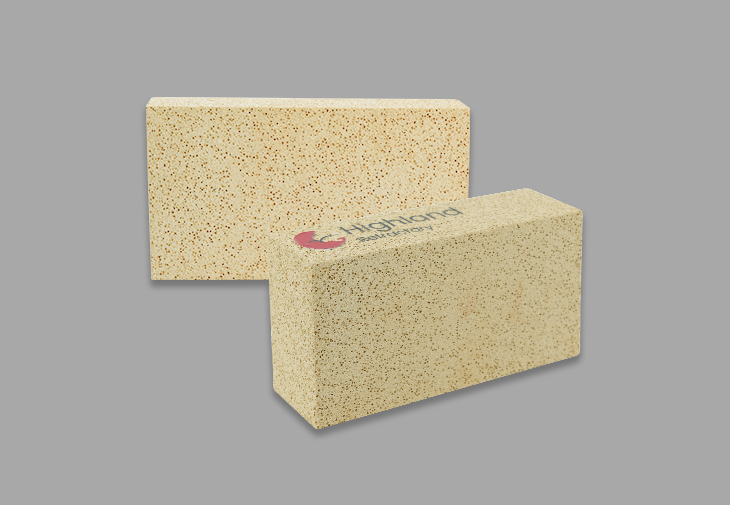
High alumina poly light brick is a high quality lightweight refractory material.
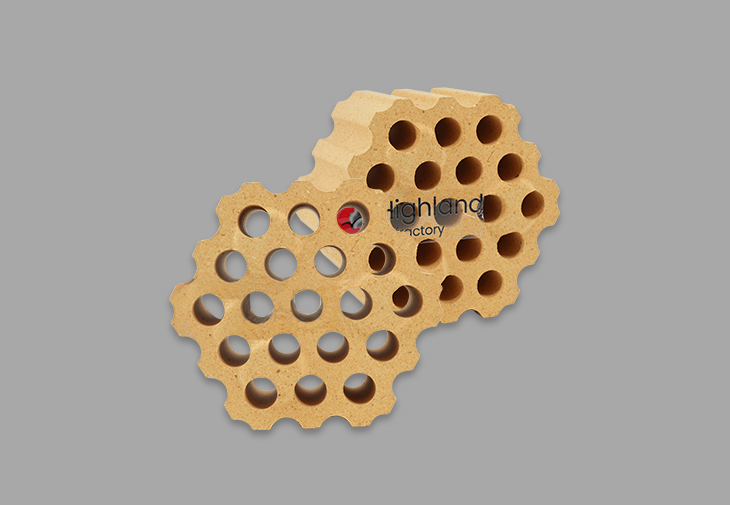
Checker bricks are heat transfer media used in the regenerative chambers of blast furnaces and hot blast stoves.