
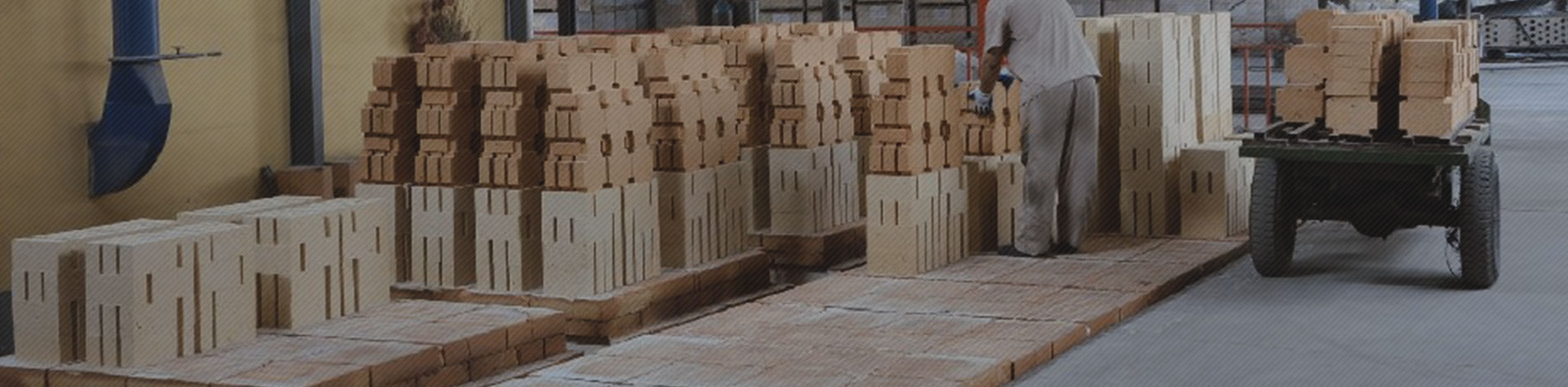
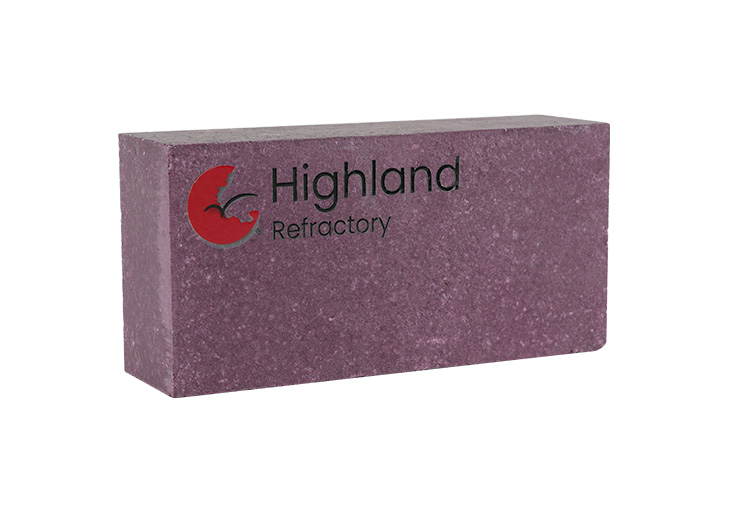
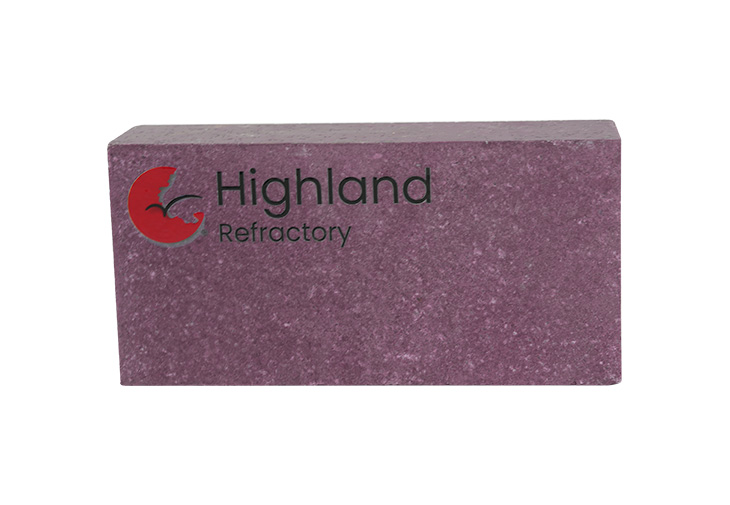
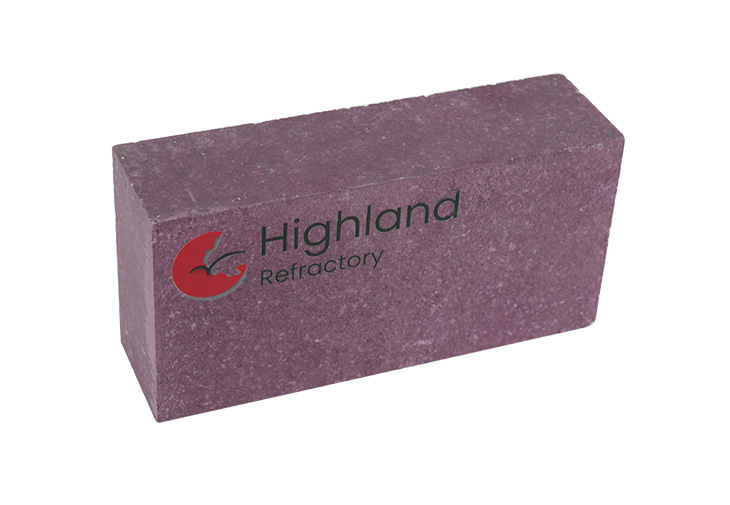
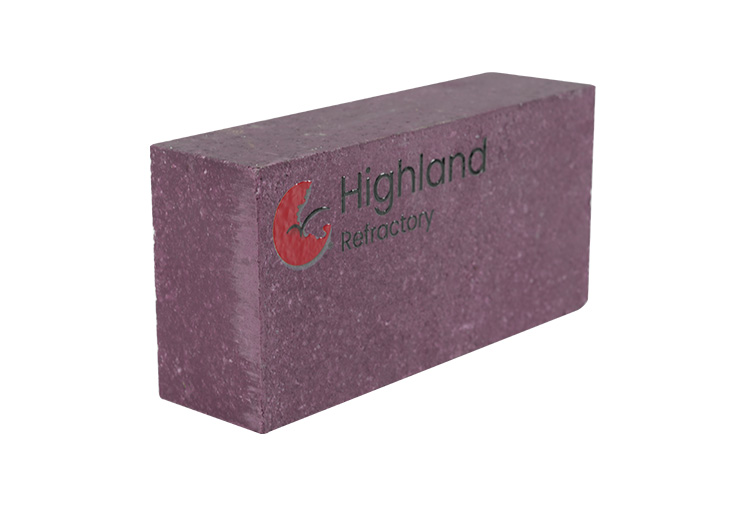
Chromium corundum is a material composed of aluminum oxide and chromium oxide, with high hardness, high melting point, excellent wear resistance, oxidation resistance and corrosion resistance.
(1) High refractoriness
(2) High refractoriness under load
(3) Strong slag resistance
(4) High compressive strength
(5) Good stability
(6) Good wear resistance
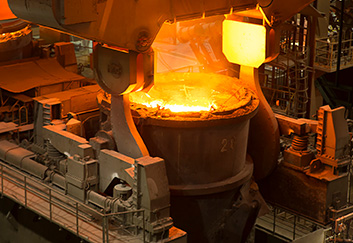
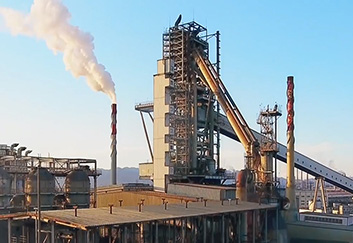
(1) Iron and steel manufacturing industry: blast furnace, hot blast furnace, electric furnace, ladle, tundish, heating furnace, refining furnace, heating furnace, annealing furnace, cupola
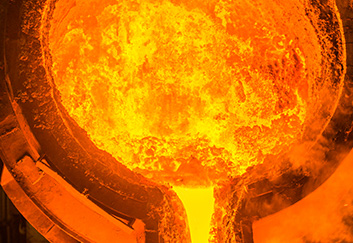
(2) Nonferrous metal industry: smelting furnace, refining furnace, reverberatory furnace, converter furnace.
(3) Building materials industry: cement kiln, glass kiln, ceramic kiln, lime kiln, kiln car, tunnel kiln
(4) Energy and incineration: coke oven, circulating fluidized bed boiler, carbon roaster, incinerator.

| Item | Parameter Range |
| Chemical Composition |
Al₂O₃: ≥85% Cr₂O₃: 5% - 30% (Low-chrome: 5%-10%; Medium-chrome: 10%-20%; High-chrome: ≥20%) SiO₂: ≤2% Fe₂O₃: ≤1.5% CaO + MgO: ≤1% |
| Physical Properties |
Bulk Density: ≥3.6g/cm³ Apparent Porosity: ≤12% Compressive Strength: ≥150MPa Bending Strength (Room Temperature): ≥18MPa Thermal Conductivity (1000℃): 3.0 - 4.0W/(m·K) Linear Expansion Coefficient (20℃ - 1000℃): 7.0 - 8.5×10⁻⁶/℃ Thermal Shock Resistance (1100℃ Water Quenching): ≥15 times |
| Temperature Resistance |
Long-term Operating Temperature: 1600℃ - 1750℃ Maximum Using Temperature: ≤1800℃ |
| Corrosion Resistance |
Corrosion Rate to Alkaline Slag (1500℃, 2h): ≤0.5g/cm² Corrosion Rate to Molten Steel (1600℃, 1h): ≤0.3g/cm² |
| Appearance & Size |
Regular Sizes: 230×114×65mm, 230×114×75mm, 250×125×65mm, 300×150×75mm Special Sizes: Customizable (Tolerance: ±1mm for length/width, ±0.5mm for thickness) |
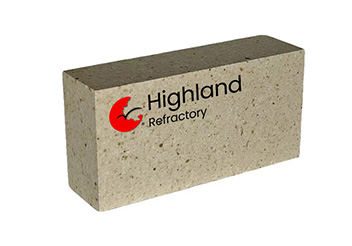
Highland Refractory classifies Chrome Corundum Bricks based on chrome oxide (Cr₂O₃) content to meet diverse high-temperature and corrosion-resistant needs, including Low-Chrome Corundum Bricks (Cr₂O₃: 5-10%, suitable for moderate-corrosion environments like glass kiln regenerators), Medium-Chrome Corundum Bricks (Cr₂O₃: 10-20%, ideal for high-wear scenarios such as cement kiln transition zones), and High-Chrome Corundum Bricks (Cr₂O₃: ≥20%, designed for extreme conditions like steel ladle slag lines); each type of Chrome Corundum Brick is engineered to balance corrosion resistance, wear resistance, and thermal stability, ensuring optimal performance in targeted industrial settings.
Highland’s Chrome Corundum Brick stands out in harsh high-temperature environments with core strengths: it exhibits exceptional resistance to alkaline slags and molten metals, preventing erosion even in long-term contact with aggressive media; it boasts high mechanical strength and wear resistance, maintaining structural integrity in high-impact areas like kiln feed zones; it also features excellent thermal shock resistance, avoiding cracking under rapid temperature fluctuations common in industrial furnaces—these advantages make the Chrome Corundum Brick a reliable choice for extending the service life of critical high-temperature equipment.
Chrome Corundum Bricks are widely used across sectors that demand both high-temperature stability and corrosion resistance: in the steel industry, they line steel ladles (especially slag lines) and tundishes, withstanding molten steel and slag erosion; in the cement industry, they serve as transition zone linings in rotary kilns, resisting alkaline clinker wear and high temperatures; in the glass industry, they protect glass kiln regenerators and throat sections from glass melt corrosion; in the non-ferrous metal industry, they line smelting furnaces, enduring molten non-ferrous metals and acidic/alkaline slags—each application leverages the Chrome Corundum Brick’s ability to thrive in harsh, multi-stress environments.
Chrome Corundum Bricks (Highland) excel in corrosion and wear resistance, offering superior protection against alkaline slags, molten metals, and high-impact wear—making them ideal for extreme zones like steel ladle slag lines and cement kiln transition zones; High Alumina Bricks, by contrast, specialize in cost-effective high-temperature structural stability, with strong load-bearing capacity at ultra-high temperatures (up to 1700℃) and good thermal conductivity, suiting general furnace linings, kiln crowns, and heat exchanger components in less aggressive environments—each product targets distinct needs, with the Chrome Corundum Brick leading in harsh condition resistance while High Alumina Bricks dominate economical high-temperature structural applications.
Highland Refractory is a leading producer of high-quality Chrome Corundum Bricks, backed by 30+ years of refractory expertise—we use high-purity raw materials (including fused corundum and high-grade chrome ore), adopt advanced sintering technologies to enhance density and corrosion resistance, and implement strict quality control (testing slag resistance, wear resistance, and thermal shock resistance for every batch), ensuring each Chrome Corundum Brick meets global industrial standards; we also hold ISO 9001/CE certifications, maintain an annual production capacity of 60,000 tons, and serve 1,500+ clients across Asia, Africa, Europe, and Australia, making us a trusted partner for Chrome Corundum Brick needs.
Choosing Highland Refractory for your Chrome Corundum Brick requirements means accessing tailored solutions and comprehensive support: we offer customization (adjusting the Chrome Corundum Brick’s chrome oxide content, size, and shape to match your specific equipment needs, such as steel ladle linings or cement kiln zones), fast delivery (3–7 days for standard sizes in stock, 10–15 days for custom batches), and bulk discounts (5–10% off orders ≥ 500 pieces); we also provide free samples, detailed quality inspection reports, and 24/7 technical guidance (advising on installation and maintenance for high-wear areas), ensuring your Chrome Corundum Brick investment delivers long-term durability and operational efficiency.
A: For standard Chrome Corundum Bricks in stock, delivery is usually within 3 - 7 days. If you've ordered customized bricks with specific sizes or compositions, it will take 10 - 15 days as we need extra time for production and quality checks. For large - scale bulk orders, we'll communicate and agree on a suitable delivery schedule based on your project's timeline.
A: Each Chrome Corundum Brick is first wrapped in multiple layers of shock - absorbing foam to protect it from impacts during transit. Then, these wrapped bricks are placed in robust wooden crates. The crates are reinforced with steel bands at the corners and edges. They are also clearly labeled with "Fragile" and other handling instructions to ensure careful handling during shipping.
A: Yes, we do offer free samples of our standard Chrome Corundum Bricks. You only need to cover the shipping cost to your provided address. If you want samples of customized Chrome Corundum Bricks, a small fee may be charged, which will be refunded if you place a substantial order with us later.
A: We accept T/T (Telegraphic Transfer) and PayPal as payment methods. Similar to our other refractory products, full payment is required before the Chrome Corundum Bricks are dispatched. We are constantly exploring additional payment options to provide more convenience to our customers.
A: Certainly. Every batch of Chrome Corundum Bricks produced by our company undergoes strict quality control. You will receive a detailed quality inspection report that includes information about the chemical composition, physical properties, and performance test results such as corrosion resistance and thermal shock resistance.
A: If you notice any damaged Chrome Corundum Bricks when they arrive, please contact our customer service immediately. Provide us with photos and details of the damage. We will arrange for a replacement of the damaged bricks promptly at no extra cost to you.
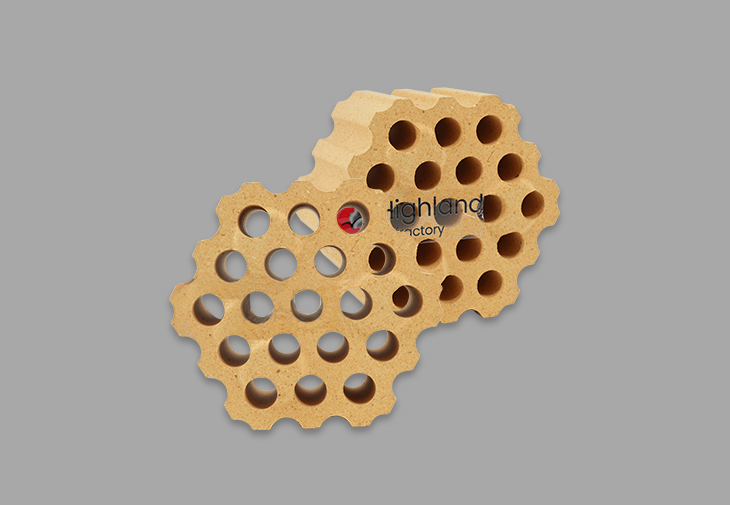
Checker bricks are heat transfer media used in the regenerative chambers of blast furnaces and hot blast stoves.
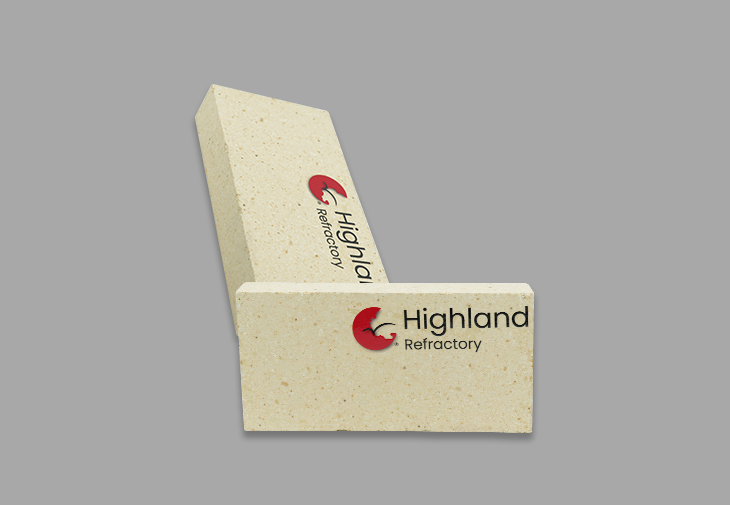
Low creep clay bricks have a low creep rate in high temperature environments and can maintain good shape and dimensional stability for a long time.