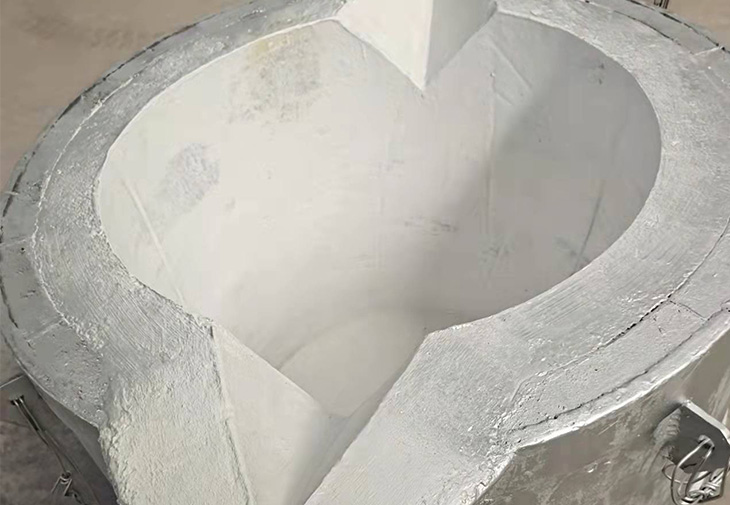
Highland Refractory Plastic Refractory is a formable refractory material developed for high-temperature lining and maintenance applications in iron ladles. Its plastic condition allows the material to be shaped directly to the required refractory area, making it suitable for lining sections, localized wear areas and repair work where a formable material is preferred.
The product range includes TJ-H and TJ-Q grades with different alumina and SiC+C compositions. Depending on the grade, the product provides a combination of plasticity, high-temperature strength, thermal shock stability and volume stability for demanding refractory applications.
For iron ladle applications, the material can be considered where refractory geometry, localized maintenance requirements or installation flexibility make a plastic refractory more suitable than a preformed refractory shape.
Plastic refractory is a formable, unfired refractory material supplied in a plastic condition so that it can be shaped or packed into the required refractory area. In ladle applications, plastic refractories can be used for lining work, localized repair and wear-area maintenance. Highland's product is available in TJ-H and TJ-Q grades for iron ladle applications.
Plastic refractory is a formable refractory material supplied in an unfired plastic condition. Unlike a preformed refractory brick, the material can be shaped to the required installation area before it hardens and develops its refractory properties through drying and subsequent heating.
This formability makes plastic refractory useful for applications where the refractory geometry is irregular or where localized maintenance is required. The installer can shape the material to match the required profile rather than relying entirely on a fixed prefabricated shape.
Plastic refractory should be distinguished from conventional castable. Castables are normally supplied as dry mixes that are prepared and installed according to their specific binder and water requirements. Plastic refractory is supplied in a formable condition and is installed by shaping, packing or other approved installation methods.
In foundry applications, plastic refractory products are used for ladle linings, repair areas and other refractory components exposed to high temperature, molten metal and wear. Industry product literature also distinguishes plastic refractory and ramming mixes from castables and describes hand, trowel or pneumatic installation methods for selected products. [1]
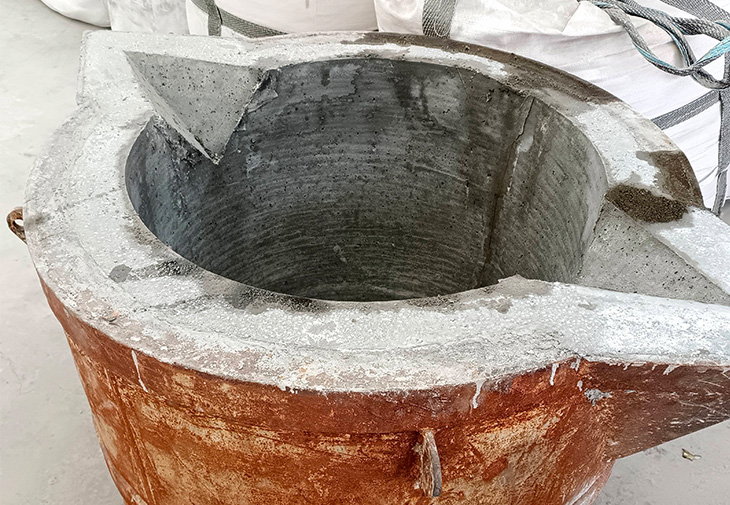
Iron ladle linings need to withstand repeated exposure to molten iron, thermal cycling, mechanical handling and refractory wear. Depending on the ladle design and maintenance strategy, a formable refractory can provide practical advantages when the lining includes irregular areas or requires localized repair.
A major characteristic of plastic refractory is its ability to be shaped during installation. This can be useful around irregular surfaces, transitions, joints and selected refractory areas where a rigid prefabricated shape may not provide the required fit.
Plastic refractory can be considered for both lining work and localized refractory maintenance. The material can be shaped directly to the required area, allowing the repair profile to follow the existing refractory geometry.
The TJ-H and TJ-Q grades are specified with density, flexural strength, compressive strength and linear-change values at elevated temperatures. These properties provide technical reference points when evaluating the material for iron ladle service.
Where an iron ladle contains a localized worn area rather than requiring immediate replacement of the complete lining, a suitable plastic refractory can be evaluated as a repair and maintenance material. The actual repair method should follow the plant's refractory maintenance procedure and the product technical documentation.
The plastic condition of the material allows it to be shaped during installation. This is useful where the refractory profile needs to be adjusted to the actual geometry of the ladle or repair area.
Highland's TJ-H and TJ-Q grades are tested after controlled heating conditions, with the supplied technical data including bulk density, strength and linear-change measurements.
The product is designed for refractory environments involving high-temperature molten metal and associated slag exposure. Material selection should be based on the actual molten-metal process and lining conditions.
Iron ladles may undergo repeated heating and cooling cycles during production and maintenance. The product is designed with thermal stability as part of its refractory performance, while final suitability depends on the actual thermal cycle of the ladle.
The supplied product data includes linear change after heating to 1450°C for 3 hours. This provides a reference for evaluating dimensional behavior after high-temperature treatment.
TJ-H and TJ-Q provide different chemical compositions. TJ-H contains both alumina and SiC+C, while TJ-Q provides a higher specified alumina content in the current product data.
Highland Plastic Refractory is currently supplied in TJ-H and TJ-Q grades. The following values are based on the technical data provided for this product.
| Property | Test Condition / Unit | TJ-H | TJ-Q |
|---|---|---|---|
| Al₂O₃ | % | ≥45 | ≥68 |
| SiC + C | % | ≥12 | — |
| Bulk Density | 110°C × 24h / g/cm³ | ≥2.30 | ≥2.50 |
| Bulk Density | 1450°C × 3h / g/cm³ | ≥2.40 | ≥2.60 |
| Linear Change | 110°C × 24h / % | -0.03 to 0.01 | 0.01 to 0 |
| Linear Change | 1450°C × 3h / % | -0.03 | 0.02–0.03 |
| Flexural Strength | 1100°C × 24h / MPa | ≥5.1 | — |
| Flexural Strength | 1450°C × 3h / MPa | ≥8.6 | — |
| Compressive Strength | 110°C × 24h / MPa | ≥32 | — |
| Compressive Strength | 1450°C × 3h / MPa | ≥46 | — |
Highland Plastic Refractory is primarily positioned for iron ladle and foundry refractory applications where a formable material is required. The actual installation area should be selected according to the ladle design, wear mechanism and maintenance requirements.
Plastic refractory can be evaluated for selected iron ladle working-lining areas where the refractory needs to tolerate high-temperature exposure and contact with molten iron. Grade selection should consider the actual operating environment and the properties required for the lining zone.
Depending on the refractory design, plastic materials can be shaped into selected bottom or wall areas where a formable installation method is advantageous. The material should be installed according to the specified lining geometry and technical requirements.
Areas surrounding tapholes, transitions or other irregular refractory geometries may require localized shaping rather than a standard brick shape. Plastic refractory can be considered where the material needs to conform to the actual repair or installation profile.
Where only part of an iron ladle lining has been damaged or worn, plastic refractory may be evaluated as a localized repair material. The damaged refractory should first be assessed to determine whether repair or complete lining replacement is appropriate.
Plastic refractory installation differs from castable installation because the material is supplied in a formable condition. The installation method should be selected according to the product specification, refractory geometry and project requirements.
For repair applications, the damaged or loose refractory should be removed until a sound surface is reached. Dust, loose material and other contamination should be removed before placing new refractory material.
The plastic refractory is shaped to the required profile during installation. Hand or trowel application can be used for suitable applications, while other installation tools may be specified for particular product systems.
The installed material should follow the designed ladle geometry. Particular attention should be given to transitions, corners, joints and areas around refractory components where an incorrect profile can affect service performance.
Plastic refractory products harden through the specified drying and heating process. The exact curing, drying and heat-up procedure should follow the current Highland technical data sheet rather than applying a generic schedule to every installation.
One of the practical uses of plastic refractory is localized refractory repair. When a ladle develops a worn, cracked or locally damaged area, the first step is to determine whether the surrounding lining remains structurally sound.
If localized repair is appropriate, a formable refractory can be shaped to the damaged profile. This can be useful where the repaired area has an irregular geometry or where a standard refractory shape does not match the existing lining.
Plastic refractory can therefore form part of an industrial refractory maintenance program for ladles and other high-temperature equipment. It should not, however, be used to cover major structural damage without evaluating the condition of the underlying lining.
Plastic refractory, castable and refractory brick can all be used in refractory systems, but they are supplied and installed in different forms. Selecting between them depends on the lining design and the required installation method.
| Material | Material Form | Main Installation Characteristic | Typical Role |
|---|---|---|---|
| Plastic Refractory | Plastic / formable | Shaped or packed during installation | Lining sections and localized refractory repair |
| Steel Ladle Castable | Monolithic castable | Installed according to the castable's mixing and casting procedure | Structural monolithic steel ladle lining |
| Refractory Brick | Preformed shape | Built into the designed lining geometry | Shaped refractory lining |
| Ladle Coating | Coating layer | Applied over an existing refractory surface | Additional lining surface protection |
| Anti-Slag Coating | Protective coating | Applied as a surface layer | Slag adhesion and build-up control |
These materials can have different roles within a broader ladle refractory system. Plastic refractory should be selected when its formability and installation characteristics match the requirements of the specific refractory area.
Selecting the right plastic refractory for an iron ladle starts with the actual refractory problem rather than simply selecting the highest alumina grade.
For projects where several refractory products are required, the plastic refractory should also be evaluated as part of the complete Steel Ladle Refractories system.
When purchasing plastic refractory for an iron ladle, the technical specification should be evaluated together with the intended installation area and maintenance procedure.
Highland Refractory supplies TJ-H and TJ-Q plastic refractory grades for industrial refractory applications. The available specifications cover chemical composition, density, linear change and strength for the listed test conditions.
For B2B project evaluation, buyers can provide the ladle dimensions, refractory lining type, application area, current wear condition and estimated material requirement. This information helps establish whether plastic refractory is suitable for the project and which product specification should be considered.
Highland can also evaluate plastic refractory requirements alongside related ladle refractory products when a complete refractory package is required.
Plastic refractory is a formable refractory material supplied in an unfired plastic condition. It can be shaped during installation and is used for refractory lining, maintenance and localized repair applications.
Yes. Plastic refractory products are used in selected ladle lining and repair applications. Highland's TJ-H and TJ-Q grades are positioned for iron ladle and foundry refractory applications, subject to the actual lining design and operating conditions.
TJ-H and TJ-Q are two Highland plastic refractory grades with different chemical composition specifications. TJ-H has Al₂O₃ ≥45% and SiC+C ≥12%, while TJ-Q has Al₂O₃ ≥68% according to the supplied product data.
Plastic refractory is installed in a formable condition and can be shaped to the required refractory profile. The specific installation method, tooling, drying and heat-up procedure should follow the applicable product technical data sheet.
Plastic refractory is supplied in a plastic, formable condition for shaping or packing during installation, while castable is generally supplied as a dry monolithic mix that is prepared and installed according to its binder and casting requirements. The appropriate material depends on the refractory design and installation method.
Send your iron ladle type, lining area, current refractory condition and estimated quantity. Highland Refractory can provide the available TJ-H and TJ-Q technical information for your project evaluation.
Send Your Plastic Refractory InquiryHighland Refractory | Plastic Refractory for Iron Ladle | TJ-H & TJ-Q
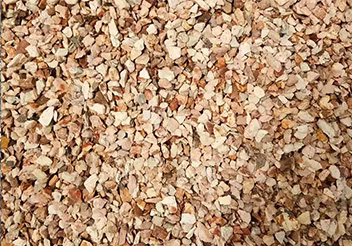
High alumina aggregates are widely used in different types of ceramics, enamels, glass, chemical and other factories for finishing and deep processing of thick and hard materials.
Ceramic fiber board is a new type of refractory insulation material.
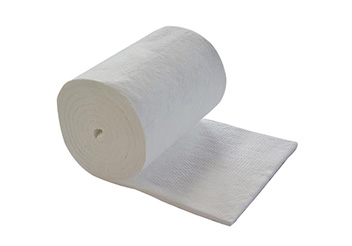
Ceramic fiber is a fibrous lightweight refractory material
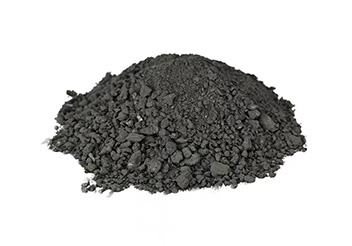
Carburant is a carbon-containing substance added to make up for the carbon content lost during steel smelting.
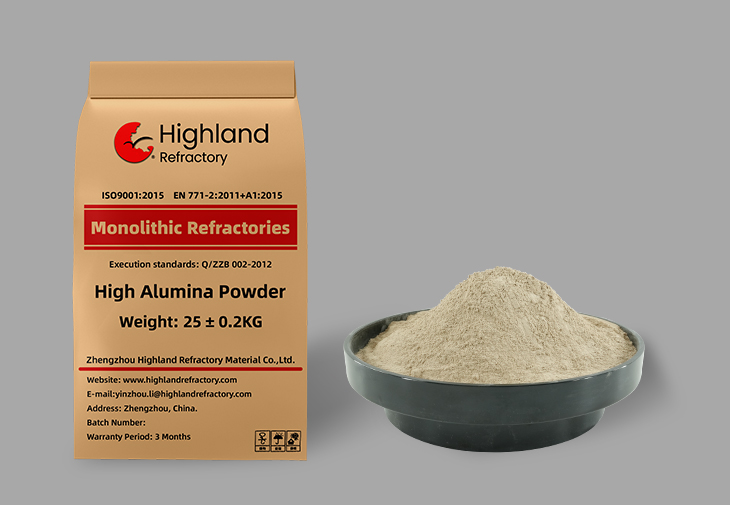
High alumina fine powder is a powder material with alumina (Al2O3) as the main component.

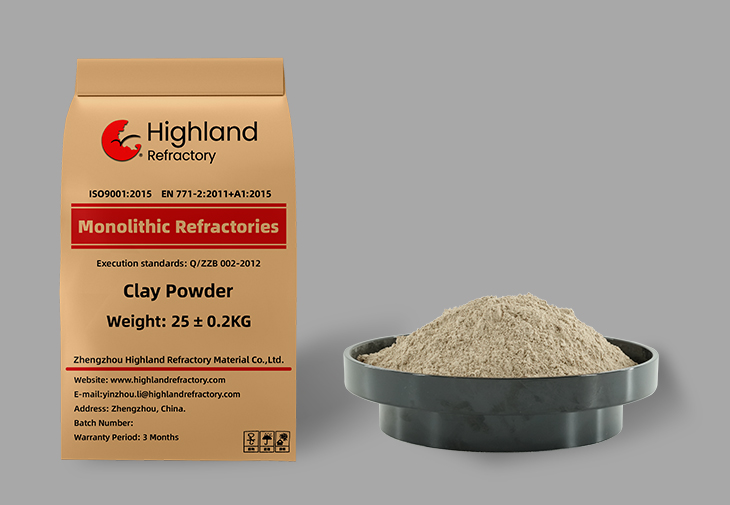
Clay powder is a powdery material with clay minerals as the main component.

Refractory cement, also known as aluminate cement, is a fire-resistant hydraulic cementitious material.