Monolithic Refractories
Carbon Raiser for Steelmaking & Foundry Applications

Carbon Raiser for Steelmaking & Foundry Applications

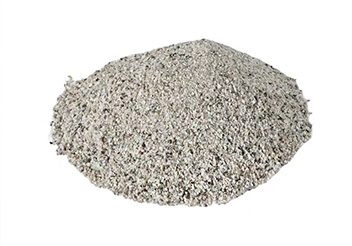
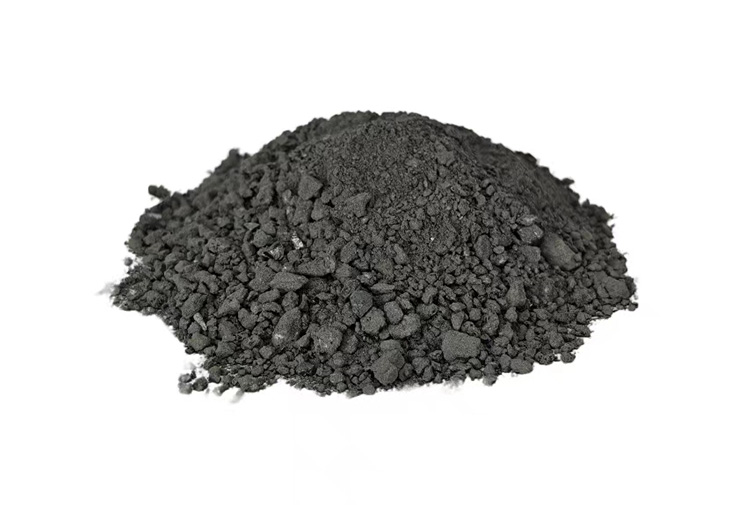
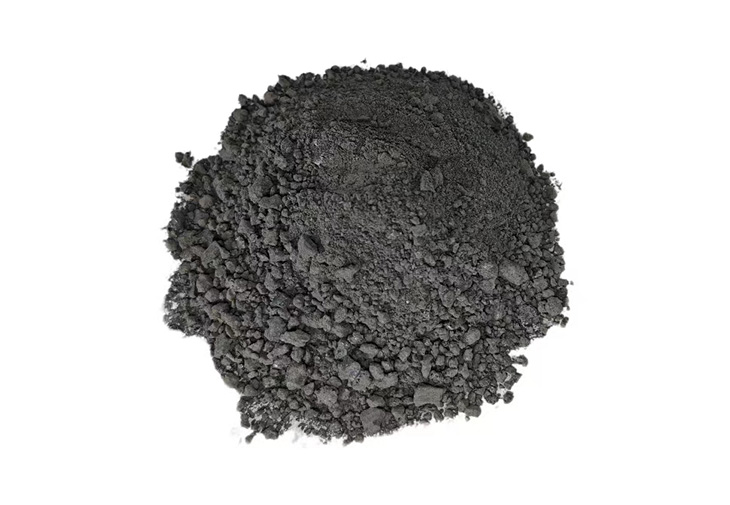
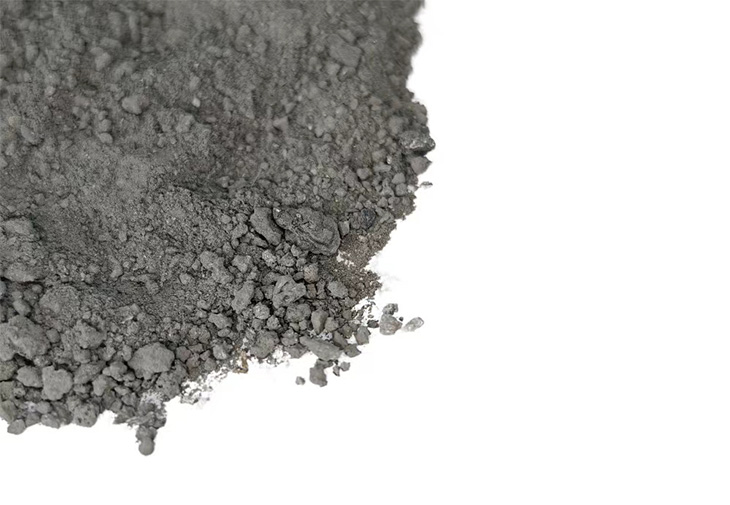
Carbon Raiser, also known as Recarburizer or Carbon Additive, is a critical metallurgical material used to increase carbon content during steelmaking and foundry processes. It plays a key role in controlling chemical composition, improving melt quality, and ensuring consistent mechanical properties of finished metal products.

Our Carbon Raiser is manufactured from carefully selected carbon-rich raw materials and processed under strict quality control to deliver high fixed carbon, low sulfur, low ash, and excellent carbon absorption efficiency, making it suitable for a wide range of iron and steel applications.

Product Feature

(1) High fixed carbon content

(2) Low sulfur content

(3) The carburization effect is stable

(4)High carbon absorption rate
Product Application

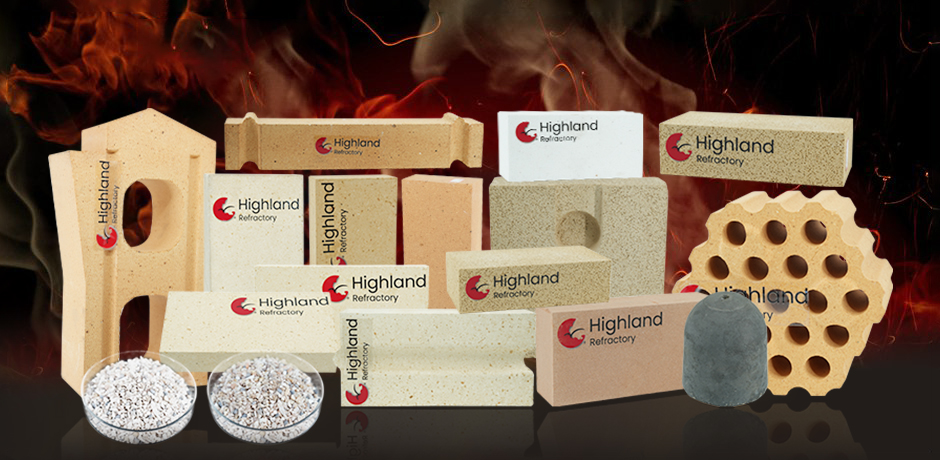
Electric furnace melting carburizing, cast steel carburizing, cast iron carburizing
Product Property

Model

Chemical composition

Remarks

C%

S%

Ash content

Water

content

TZ-A

≥98.5

≤0.05

--

--

Graphitized

TZ-B

≥98

≤0.05

--

--

Graphite coke

TZ-C

≥90

≤0.2

--

--

Coal

Carbon Raiser (Recarburizer) for Steelmaking & Foundry Applications

High Fixed Carbon · Low Impurities · Stable Carburization Performance

Carbon Raiser, also known as Recarburizer or Carbon Additive, is a critical metallurgical material used to increase carbon content during steelmaking and foundry processes. It plays a key role in controlling chemical composition, improving melt quality, and ensuring consistent mechanical properties of finished metal products.

Our Carbon Raiser is manufactured from carefully selected carbon-rich raw materials and processed under strict quality control to deliver high fixed carbon, low sulfur, low ash, and excellent carbon absorption efficiency, making it suitable for a wide range of iron and steel applications.


What Is Carbon Raiser?

Carbon Raiser is a carbonaceous additive introduced into molten iron or steel to compensate for carbon loss during melting, refining, or remelting. It ensures precise carbon adjustment, which directly affects hardness, strength, wear resistance, and casting quality.

Compared with traditional carburizing methods, modern Carbon Raiser offers:

  • Faster dissolution in molten metal

  • Higher carbon recovery rate

  • Lower impurity introduction

  • More stable metallurgical performance


Why Carbon Raiser Is Essential in Metallurgy

During steelmaking and casting, carbon is inevitably lost due to oxidation, slag reactions, and high-temperature exposure. Insufficient carbon can lead to:

  • Reduced strength and hardness

  • Poor machinability

  • Inconsistent microstructure

  • Increased rejection rates

Using a high-quality Carbon Raiser helps metallurgical operators:

  • Accurately adjust carbon content

  • Improve molten metal cleanliness

  • Reduce alloy consumption costs

  • Achieve repeatable production quality


Types of Carbon Raiser We Supply

Different metallurgical processes require different carbon sources. We offer multiple grades of Carbon Raiser to meet diverse operational needs:

1. Calcined Petroleum Coke (CPC) Carbon Raiser

  • High fixed carbon content

  • Low moisture and volatile matter

  • Widely used in steelmaking and foundries

2. Graphitized Petroleum Coke (GPC) Carbon Raiser

  • Ultra-high carbon content

  • Excellent carbon absorption rate

  • Ideal for high-grade steel and ductile iron

3. Anthracite-Based Carbon Raiser

  • Cost-effective solution

  • Stable chemical composition

  • Suitable for general foundry applications

4. Customized Carbon Raiser Grades

  • Tailored particle size distribution

  • Controlled impurity levels

  • Designed according to specific furnace and process requirements


Technical Specifications (Typical Values)

Parameter Standard Range
Fixed Carbon 92% – 99%
Sulfur (S) ≤ 0.05%
Ash ≤ 1.5%
Volatile Matter ≤ 1.0%
Moisture ≤ 0.5%
Particle Size 0–1 mm / 1–3 mm / 1–5 mm / Customized

Specifications can be customized based on application and customer requirements.


Key Performance Advantages

High Carbon Recovery Efficiency

Optimized particle structure allows rapid dissolution and efficient carbon transfer into molten metal, minimizing material waste.

Low Sulfur & Impurities

Strict raw material selection and processing ensure minimal negative impact on steel purity and downstream mechanical properties.

Stable and Predictable Results

Consistent chemical composition supports repeatable metallurgical outcomes and better process control.

Flexible Particle Size Options

Suitable for different furnace types, feeding systems, and process stages.


Applications of Carbon Raiser

Our Carbon Raiser is widely used in:

  • Steelmaking (Electric Arc Furnace, Induction Furnace)

  • Gray Iron and Ductile Iron Foundries

  • Cast Steel Production

  • Metallurgical Refining Processes

  • Carbon Content Adjustment During Remelting

Whether used during initial melting or late-stage carbon correction, our products deliver reliable performance.


How to Choose the Right Carbon Raiser

Selecting the correct Carbon Raiser depends on several factors:

  • Target carbon content

  • Furnace type and temperature

  • Desired carbon absorption rate

  • Allowable sulfur and impurity levels

  • Cost-performance balance

Our technical team can assist in selecting or customizing the optimal grade for your specific process.


Packaging & Supply Options

  • 25 kg bags

  • 1 MT jumbo bags

  • Bulk supply available

Packaging can be customized to meet handling, storage, and transportation needs.


Quality Control & Testing

Each batch of Carbon Raiser undergoes strict quality inspection, including:

  • Chemical composition analysis

  • Particle size verification

  • Moisture and ash content testing

Test reports and material datasheets are available upon request.


Frequently Asked Questions (FAQ)

What is the difference between Carbon Raiser and Recarburizer?

They refer to the same type of product. “Carbon Raiser” emphasizes carbon content adjustment, while “Recarburizer” highlights its role in restoring lost carbon.

How is Carbon Raiser added during steelmaking?

It can be added directly into the furnace or ladle, depending on the process stage and desired carbon recovery efficiency.

Which particle size should I choose?

Smaller particles dissolve faster, while larger particles provide more controlled carbon release. Selection depends on furnace type and process conditions.

Can Carbon Raiser replace graphite?

In many applications, high-quality graphitized carbon raiser can partially or fully replace natural or synthetic graphite.


Request a Quote or Technical Support

Looking for a reliable Carbon Raiser supplier with consistent quality and competitive pricing?

  • Request a technical datasheet

  • Get a customized specification

  • Ask for a quotation

👉 Contact us today to discuss your metallurgical requirements.

Send Message If you need our products please write down any questions, we will reply as soon as possible.

    Related Products

    TZ Series Slag-Coagulating Agent

    The stainless Tz series slag agglomerator is non-toxic and odorless, free of harmful components.

    Ceramic Fiber Blankets

    Ceramic fiber is a fibrous lightweight refractory material

    Ladle Lining Coating

    Lining coating is a functional material used on the surface of high-temperature equipment or facilities...
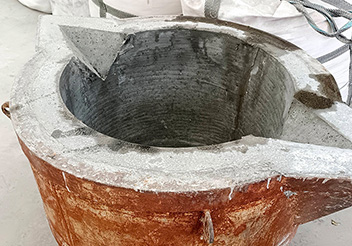
    Plastic Refractories for Iron Ladle

    Plastic is an amorphous refractory material used in hot metal ladle.

    High Alumina Brick

    Aluminum content 75%-80% Refractory 1770℃ or above

    Silicon Carbide Plate

    Silicon carbide plates are mainly composed of silicon carbide (SiC) as the aggregate (with a content usually ≥ 80%).

    High Alumina Brick

    Aluminum content 65%-75% Refractoriness above 1770℃

    Fire Clay Brick

    Aluminum content 30%~48% Refractoriness above 1400℃

    Clay Insulation Bricks

    Aluminum content 30%~48% Refractoriness above 1400℃

    Refractory Castable

    Low cement castable refers to castable with low cement content.

    Refractory Cement

    Refractory cement, also known as aluminate cement, is a fire-resistant hydraulic cementitious material.

    Clay Powder

    Clay powder is a powdery material with clay minerals as the main component.

    Refractory Clay Powder

    Clay powder is a powdery material with clay minerals as the main component.

    High Alumina Powder

    High alumina fine powder is a powder material with alumina (Al2O3) as the main component.

    Home Tel Mail Inquiry

    Send Message