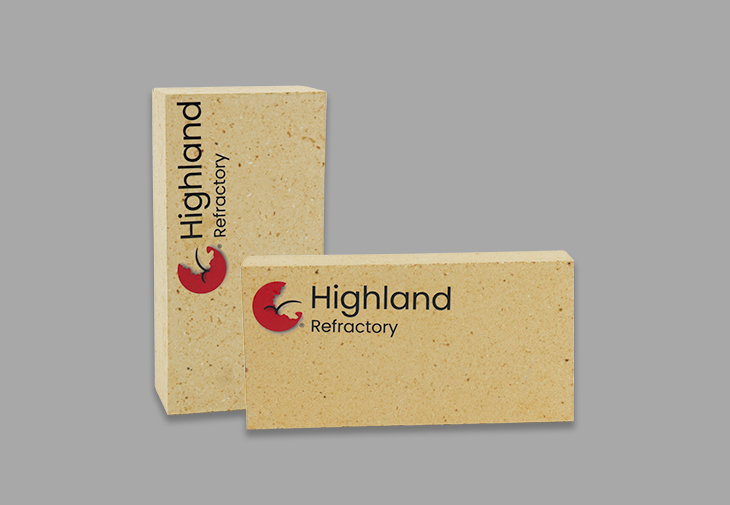

Refractory materials are essential components in industries that operate at elevated temperatures. These materials are designed to withstand extreme heat, chemical corrosion, and mechanical stress without deteriorating. Their primary function is to line furnaces, kilns, reactors, and other high-temperature equipment, ensuring structural integrity and efficiency in various industrial processes.
Definition and Composition
A refractory material is an inorganic, non-metallic substance capable of withstanding high temperatures without significant deformation or chemical change. These materials are typically composed of oxides, silicates, and other compounds that exhibit high melting points and thermal stability. Common examples include alumina (Al₂O₃), silica (SiO₂), and magnesia (MgO) .
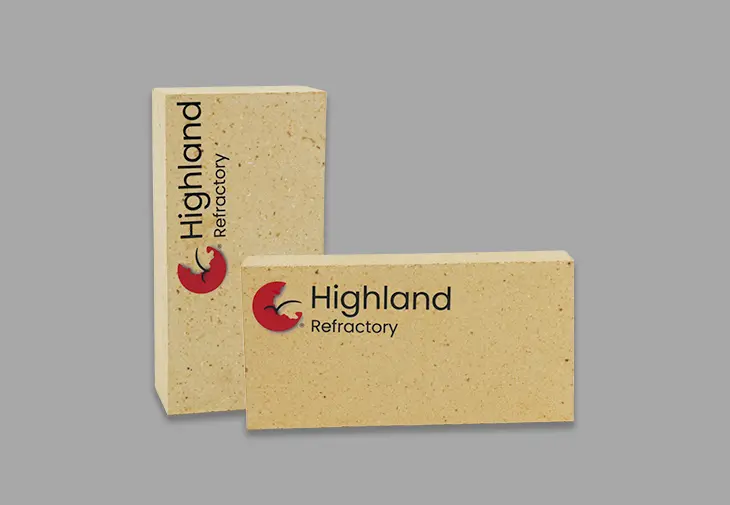
Key Characteristics of Refractory Materials
High Melting Point: Refractories must possess a high melting point to endure the intense heat encountered in industrial applications. For instance, silica refractories can perform well up to approximately 1,700°C, making them suitable for glass furnaces .
Thermal Stability: The ability to maintain structural integrity under rapid temperature changes is crucial. Refractories should resist thermal shock and not crack or degrade when subjected to fluctuating temperatures .
Chemical Resistance: Exposure to molten metals, slags, or gases can cause corrosion. Refractories must be chemically inert or resistant to such aggressive environments to prolong their service life .
Mechanical Strength: Refractories should withstand mechanical stresses, including abrasion and impact, without significant wear or failure. This is particularly important in areas subjected to physical wear, such as furnace linings.
Low Thermal Conductivity: Insulating refractories help conserve energy by reducing heat loss. Materials with low thermal conductivity are ideal for applications requiring thermal insulation .
Types of Refractory Materials
Refractories are classified based on their chemical composition and the conditions they are designed to withstand:
Acidic Refractories: Made from silica and alumina, these refractories resist acidic slags and are used in applications like glass furnaces and cement kilns.
Basic Refractories: Composed of magnesia or dolomite, they offer resistance to basic slags and are commonly used in steelmaking processes.
Neutral Refractories: Made from chromite or carbon, these refractories are resistant to both acidic and basic slags, making them versatile for various applications.
Applications in High-Temperature Industries
Refractory materials play a vital role in several high-temperature industries:
Steel and Metallurgical Industry: Refractories line blast furnaces, electric arc furnaces, and ladles, handling molten metal temperatures and aggressive slags.
Cement and Lime Kilns: Refractories withstand the high temperatures and chemical environments in rotary kilns during the production of cement and lime.
Glass Manufacturing: Silica refractories are used in glass tanks and furnaces, where they endure temperatures above 1,400°C .
Petrochemical Industry: Refractories line reactors and furnaces in the production of chemicals and petrochemicals, resisting high temperatures and corrosive substances.
Selecting the Right Refractory Material
Choosing the appropriate refractory material depends on several factors:
Operating Temperature: The maximum temperature the material will be exposed to determines its melting point and thermal stability requirements.
Chemical Environment: The presence of acidic or basic substances influences the choice of material to ensure chemical resistance.
Mechanical Stress: Areas subjected to physical wear require refractories with high mechanical strength and abrasion resistance.
Thermal Insulation Needs: Applications requiring energy conservation benefit from refractories with low thermal conductivity.
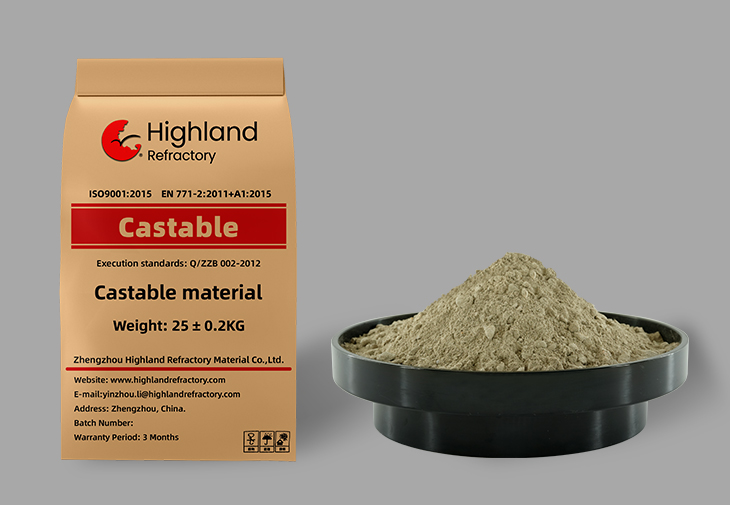
Conclusion
Refractory materials are indispensable in high-temperature industries, providing essential functions such as heat resistance, chemical stability, and mechanical strength. Understanding their properties and selecting the appropriate type for specific applications ensures efficient and safe operations in various industrial processes.
Common Questions
What is a refractory material?
A refractory material is an inorganic, non-metallic substance capable of withstanding high temperatures without significant deformation or chemical change. These materials are used to line furnaces, kilns, reactors, and other high-temperature equipment.
Why are refractories important in industrial applications?
Refractories are crucial because they maintain structural integrity and efficiency in high-temperature environments, protecting equipment from heat, chemical corrosion, and mechanical stress.
What are the main types of refractories?
Refractories are classified into three main types: acidic, basic, and neutral, based on their chemical composition and the conditions they are designed to withstand.
How do you select the right refractory material?
The selection depends on factors such as operating temperature, chemical environment, mechanical stress, and thermal insulation needs.
Can refractories be used in all high-temperature industries?
While refractories are essential in many high-temperature industries, the specific type and composition must be chosen based on the unique conditions and requirements of each application.
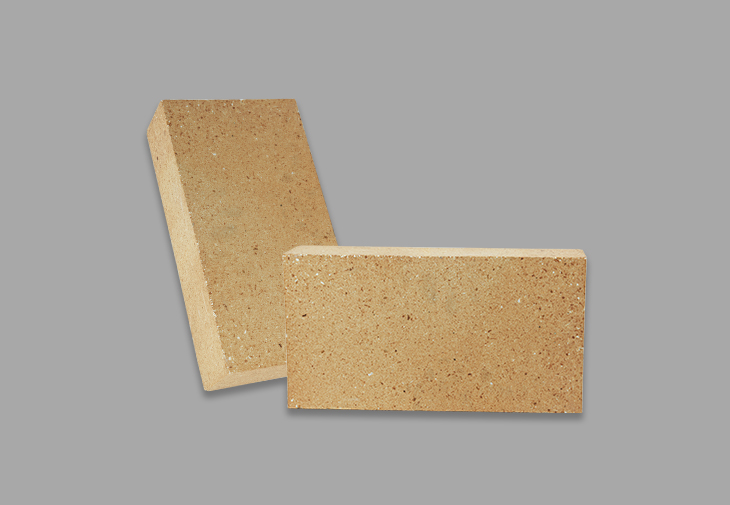
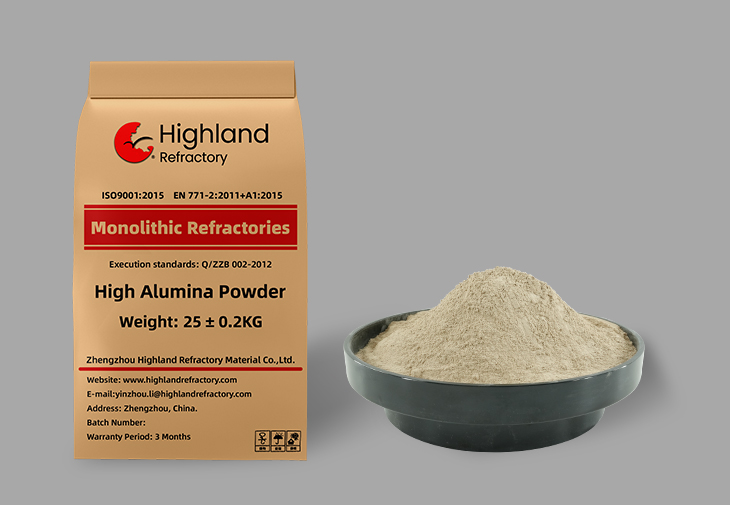
High alumina fine powder is a powder material with alumina (Al2O3) as the main component.
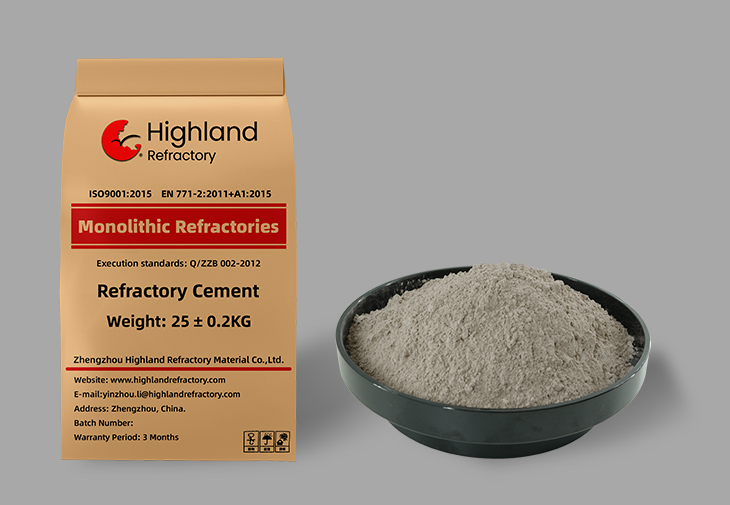
Refractory cement, also known as aluminate cement, is a fire-resistant hydraulic cementitious material.