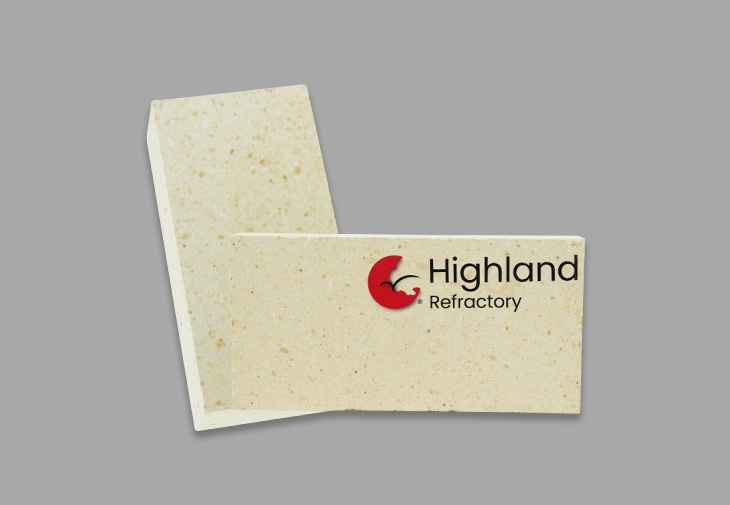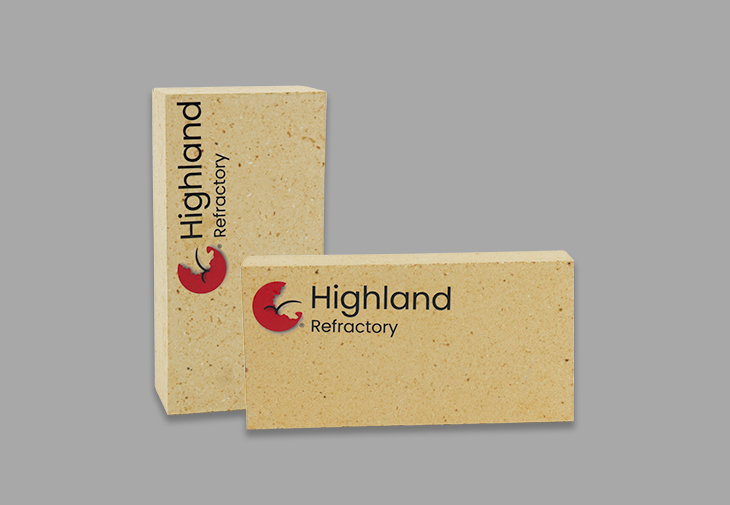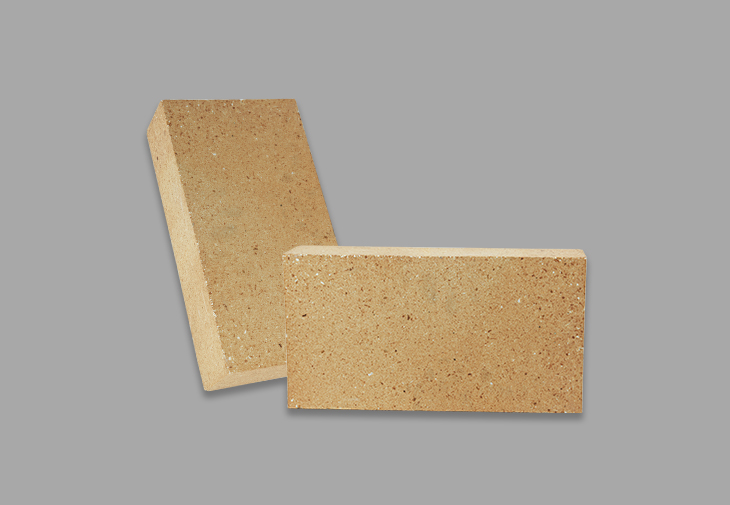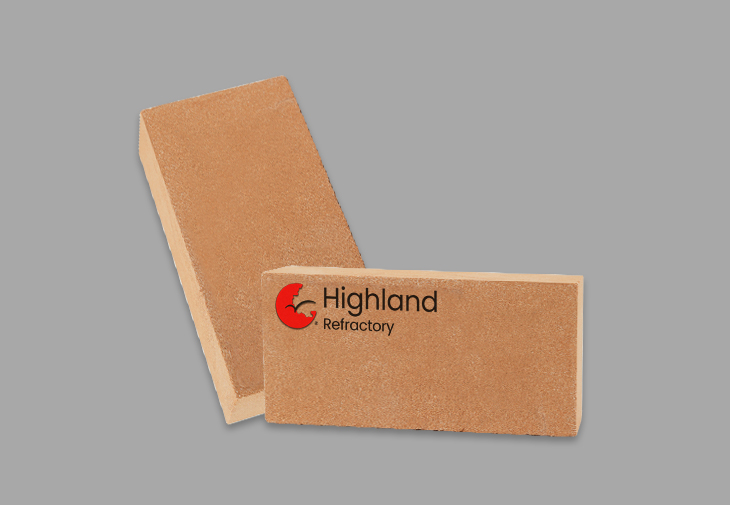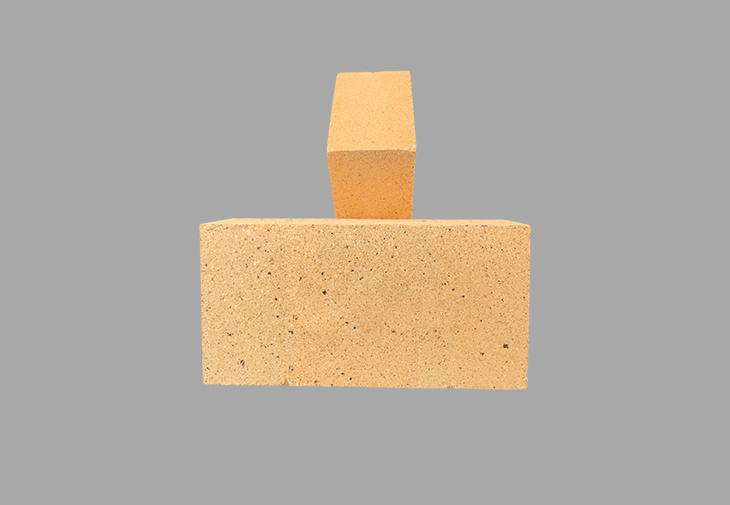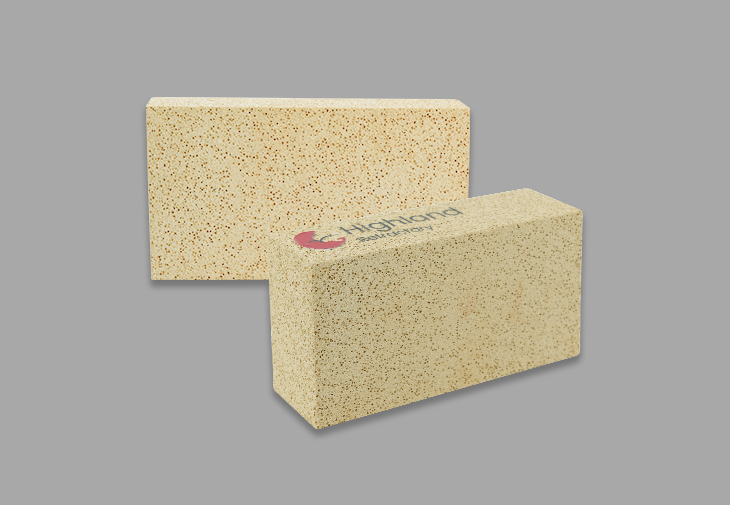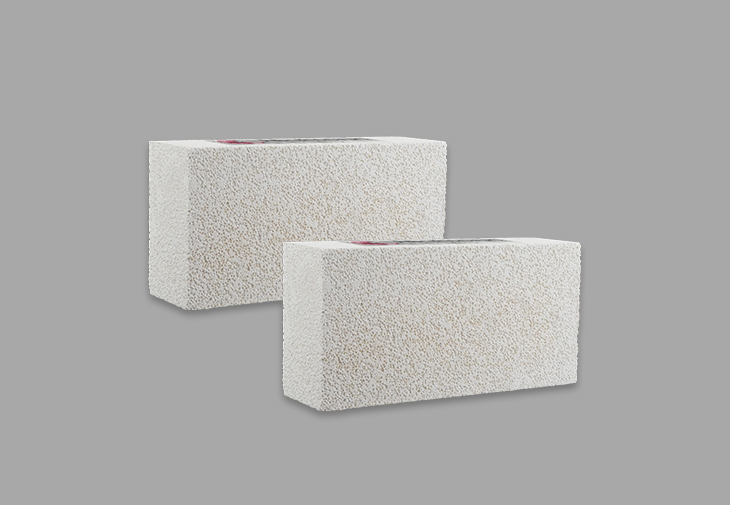
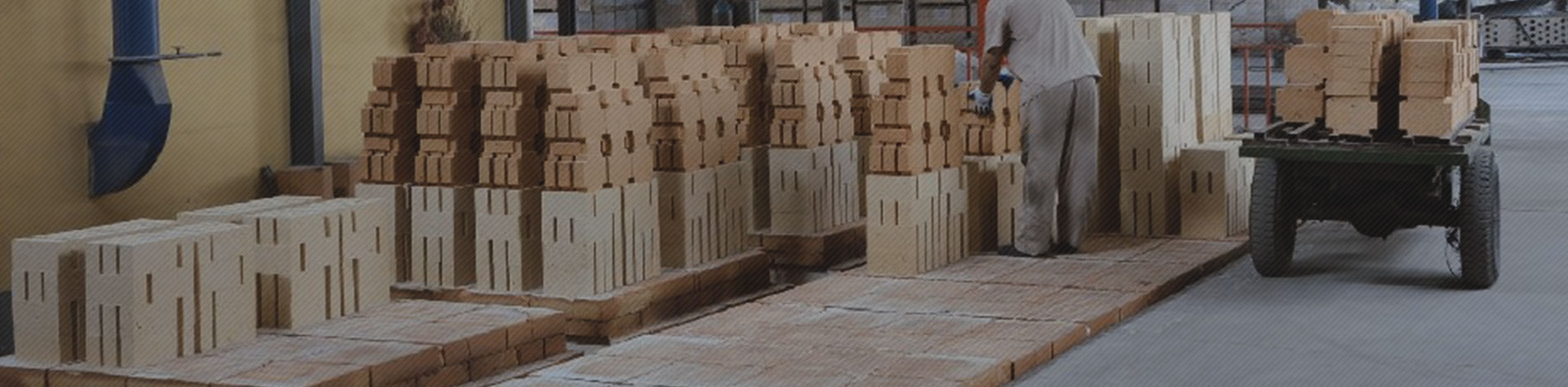
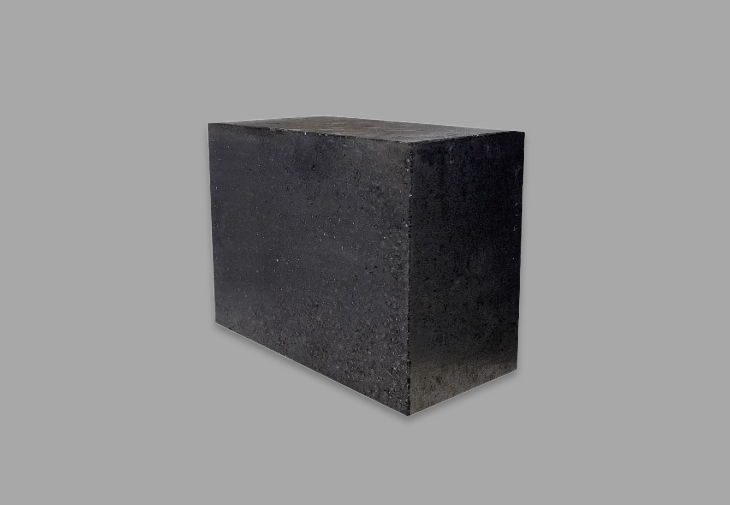

Magnesia Carbon Bricks, also known as MC Bricks or Magnesia Carbon Refractory Bricks, are high-end alkaline refractory materials specifically designed for high-temperature, high-alkaline working conditions in the steelmaking industry.
With core advantages of high MgO content, excellent alkaline slag resistance, outstanding thermal shock stability and long service life, Magnesia Carbon Bricks have become the preferred choice for middle and high-end purchasers, metallurgical engineers and foreign trade B2B customers in steel mills.
As a professional China Magnesia Carbon Bricks manufacturer, we focus on solving the refractory selection pain points of converter slag lines, ladle slag lines and secondary refining equipment, helping customers extend equipment service life and reduce comprehensive maintenance costs.
(1)Good thermal shock resistance
(2)Good thermal conductiviy
(3) Strong slag resistance
(4) Good chemical stability
(5) Long service life
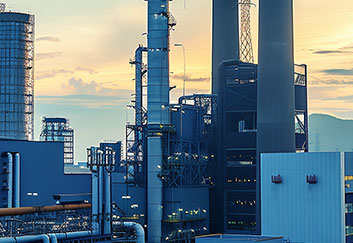
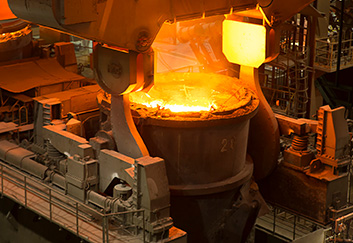
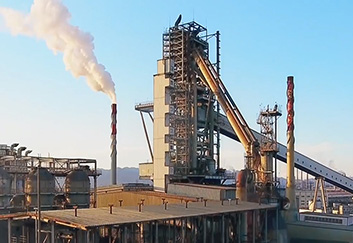
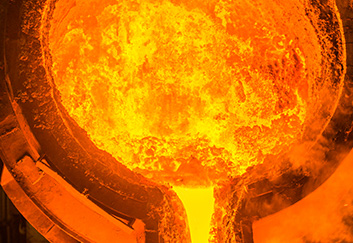
Metallurgical industry、chemical industry、aerospace and nuclear industry
|
Item |
Index |
|||||||
|
MT-5A |
MT-8A |
MT-10A |
MT-12A |
MT-14A |
MT-16A |
MT-18A |
||
|
Chemical composition/%≥ |
MgO |
85.0 |
82.0 |
80.0 |
78.0 |
76.0 |
74.0 |
72.0 |
|
C |
5.0 |
8.0 |
10.0 |
12.0 |
16.0 |
16.0 |
18.0 |
|
|
Apparent porosity/%≤ |
5.0 |
4.5 |
4.0 |
4.0 |
3.5 |
3.5 |
3.0 |
|
|
Body density(g/cm3≥) |
3.10 |
3.05 |
3.02 |
2.97 |
2.95 |
2.92 |
2.89 |
|
|
Cold pressing strength/Mpa |
50.0 |
45.0 |
40.0 |
40.0 |
38.0 |
35.0 |
35.0 |
|
|
High temperature folding strength/Mpa(1400°C ×0.5h)≥ |
6.0 |
6.0 |
10.0 |
8.0 |
10.0 |
|||

Our Magnesia Carbon Bricks stand out in high-alkaline steelmaking scenarios due to four core technical advantages, which are verified by factory tests and actual customer applications, bringing tangible economic benefits to customers.
Technical Feature: Adopt high-purity fused magnesia (MgO≥98%), flake graphite (fixed carbon≥99%), add special antioxidants, and mix them with precise proportioning.
Industry Value: Improve the brick's resistance to alkaline slag erosion and oxidation, and reduce carbon loss at high temperatures, ensuring stable performance during long-term use.
Data Case: After application in a large domestic steel mill, the carbon loss rate of converter slag line bricks was reduced by 35%, and the service life was increased by 40% compared with ordinary MC bricks.
Technical Feature: High MgO content (≥85%) forms a stable magnesia structure, which can efficiently resist the erosion and penetration of strong alkaline steel slag.
Industry Value: Suitable for core alkaline working conditions such as converter slag lines and ladle slag lines, slowing down the erosion rate of the brick body and reducing the frequency of replacement.
Data Case: After 72 hours of alkaline slag immersion test, the weight loss is ≤2%, reaching ASTM C886 Grade 1 standard (third-party test report available).
Technical Feature: Reasonable graphite content + high-pressure molding process reduce the thermal expansion coefficient, alleviating internal stress caused by sudden temperature changes (1200℃→20℃).
Industry Value: Avoid brick cracking and spalling, reduce maintenance frequency, and lower downtime losses caused by refractory failures.
Data Case: Thermal shock cycle ≥40 times, linear change rate ≤±0.5% after 1800℃×24h (actual application data of European customers).
Technical Feature: Balanced comprehensive performance, taking into account slag resistance, thermal shock resistance and oxidation resistance, suitable for harsh alkaline working conditions.
Industry Value: Compared with ordinary refractory bricks, the service life of converters/ladles is increased by 40%+, and the comprehensive maintenance cost is reduced by 30%.
Data Case: A long-term cooperation with a European large-scale steel mill, purchasing 800 tons of MC bricks per month, saving about 200,000 US dollars in annual maintenance costs.
Magnesia Carbon Bricks are mainly used in key parts of steelmaking equipment with high-alkaline working conditions. The following are core application scenarios, adaptability analysis and recommendation reasons to help you accurately match needs.
Applicable Parts: Converter slag line, middle part of furnace wall
Working Conditions: High temperature 1800-2000℃, strong alkaline slag erosion, large temperature fluctuation, mechanical scouring during tapping and slag dumping
MC Brick Advantages: High MgO content resists alkaline slag, strong thermal shock resistance reduces spalling and cracking, high compressive strength resists mechanical impact
Recommendation Reason: Solve the core pain points of easy erosion and frequent replacement of converter slag lines, extend the converter service life to 350 heats+, and reduce maintenance costs significantly
Applicable Parts: Ladle slag line, ladle wall
Working Conditions: High temperature 1600-1800℃, strong alkaline steel slag erosion, molten steel impact, long-term immersion in molten steel
MC Brick Advantages: Excellent slag erosion resistance + impact resistance, low porosity prevents molten steel penetration, stable performance at high temperatures
Recommendation Reason: Suitable for core parts of steel ladles, reduce the risk of steel leakage, and extend the ladle service life by 30%+
Applicable Parts: RH furnace, VD furnace, LF furnace lining and slag line
Working Conditions: High temperature of secondary refining, complex atmosphere (oxidation/reduction), strong alkaline slag, molten steel stirring and scouring
MC Brick Advantages: Stable structure under complex atmospheres, excellent oxidation resistance, no pollution to molten steel
Recommendation Reason: Ensure the purity of special steel smelting, improve the qualification rate of steel products, and meet the strict requirements of secondary refining
Applicable Parts: Alkaline submerged arc furnace lining, non-ferrous metal smelting furnace slag line
Working Conditions: High alkaline medium, high temperature stability, strong erosion
MC Brick Advantages: Strong alkaline resistance, wide applicability, can be customized to adapt to different industry working conditions
Recommendation Reason: High versatility, can be customized to adapt to non-standard furnaces, meeting the needs of high-alkaline smelting in multiple industries
In the high-alkaline steelmaking process, refractory bricks in key parts face many pain points. Our Magnesia Carbon Bricks provide targeted solutions based on years of industry experience and technical accumulation.
Solution: MC bricks with high MgO content (≥85%) + anti-oxidation formula have excellent resistance to alkaline slag erosion, extending the service life of converter slag line to 350 heats+, and reducing maintenance frequency by 40%.
Solution: Add special antioxidants and adopt high-density molding process to reduce carbon loss at high temperatures, and reduce the performance attenuation rate by 35%.
Solution: Support customization of special-shaped MC bricks such as wedge-shaped and arc-shaped, provide drawing review services, and the customization cycle is only 15-25 days, which can perfectly adapt to non-standard converters/ladles.
Solution: The products have passed ISO 9001 and ASTM certifications, and provide complete quality inspection reports and customs clearance documents, which are suitable for export needs of more than 60 countries and regions, avoiding customs clearance risks.
Choosing the right refractory brick is crucial for high-alkaline steelmaking. The following table compares Magnesia Carbon Bricks with Alumina Magnesia Carbon Bricks and High Alumina Bricks, highlighting their core advantages in high-alkaline scenarios.
|
Feature |
Magnesia Carbon Bricks |
||
|---|---|---|---|
|
Alkaline Slag Resistance |
Excellent (MgO-based, top-tier) |
Good (Al₂O₃+MgO dual protection) |
Poor (Al₂O₃-based) |
|
Thermal Shock Stability |
Excellent (carbon network buffer) |
Excellent (low expansion coefficient) |
Moderate (easy to crack) |
|
Max Service Temperature |
1800-2000℃ |
1700-1750℃ |
1700-1900℃ |
|
Converter Life (Heats) |
300-350 |
280-320 |
200-250 |
|
Applicable Scenario |
Converter slag line, ladle slag line (high alkaline) |
Ladle, secondary refining (complex conditions) |
General furnace (low corrosion) |
|
Cost-Effectiveness |
High (long life, high alkaline scenario) |
High (comprehensive performance) |
Medium (low cost, short life) |
Conclusion: For high-alkaline working conditions such as converter slag lines and steel ladle slag lines, Magnesia Carbon Bricks offer unparalleled alkaline slag resistance and high-temperature stability, which is the first choice for high-end steelmaking refractory materials.
We adhere to strict production standards and quality control systems to ensure the stability and reliability of Magnesia Carbon Bricks, and have won the trust of customers around the world.
High-purity raw material screening: Strictly inspect the purity, particle size and chemical composition of fused magnesia, flake graphite and other raw materials
Precise proportioning and mixing: Automatic batching machine ensures accurate proportioning, and wet mixing technology ensures uniform distribution of raw materials and antioxidants
High-pressure molding: Hydraulic press with pressure ≥350MPa forms the brick body, ensuring high bulk density and low porosity
Gradient sintering: High-temperature sintering kiln with precise temperature control realizes gradient sintering, improving the structural density of the brick body
Anti-oxidation treatment: Special surface anti-oxidation coating process to reduce carbon loss at high temperatures
Finished product finishing: Precision processing of finished products to ensure size accuracy and surface flatness
Strict quality inspection: Comprehensive testing of finished products, unqualified products are eliminated
Packaging and delivery: Professional export packaging to ensure product safety during transportation
Raw material inspection: Use XRF and precision particle size analyzer to test the chemical composition and particle size distribution of raw materials, and reject unqualified raw materials
Process inspection: Monitor key parameters such as mixing uniformity, molding density and sintering temperature in real time to ensure production stability
Finished product inspection: Conduct comprehensive tests on physical properties (bulk density, compressive strength, porosity) and chemical composition of finished products according to ASTM/ISO standards, and provide detailed test reports for each batch
Our Magnesia Carbon Bricks have obtained ISO 9001:2015, ASTM C1366, ASTM C831, GB/T 2275-2017 and other certifications. The technical team has more than 20 years of refractory R&D experience, with 60+ professional engineers, providing customers with working condition adaptation, selection guidance, on-site technical support and other one-stop services.
Testing Equipment: Precision density meter, compressive strength tester, high-temperature thermal shock tester, oxidation resistance tester, XRF analyzer
Our Magnesia Carbon Bricks have been widely used in steel mills around the world, with successful cases in Europe, Southeast Asia, South America and other regions, and have won unanimous praise from customers.
Cooperation Content: Purchased 3000 tons of Magnesia Carbon Bricks, adapted to the converter slag line
Application Effect: The converter service life was increased from 250 heats to 350 heats, and the annual maintenance cost was reduced by 32%. The stable performance ensured the continuous operation of the production line.
Customer Feedback: “The magnesia carbon bricks have significantly improved our converter's service life and reduced downtime. The technical support is professional and responsive, which helps us solve on-site problems in a timely manner.”
Cooperation Content: Long-term cooperation, purchasing 600 tons of MC bricks per month, adapted to the ladle slag line
Application Effect: Zero quality complaints in 4 years, the ladle maintenance frequency was reduced from 3 times a month to 1 time every 2 months, and the production efficiency was increased by 18%.
Customer Feedback: “High-quality magnesia carbon bricks and reliable delivery make us trust this manufacturer. Their after-sales service is also very thoughtful, providing timely technical guidance for our masonry work.”
We provide transparent procurement information and thoughtful logistics services to meet the needs of B2B customers at home and abroad, ensuring a smooth procurement process.
Standard export packaging: Wooden pallets + waterproof film + steel straps, which can effectively prevent moisture and damage during transportation. Custom packaging is supported, including container-specific packaging and project-customized packaging, to meet different transportation needs and ensure product integrity.
Transportation methods: Sea freight, land freight and air freight are optional. Trade terms: FOB/CIF/EXW are available. Port of shipment: Qingdao/Shanghai, China. We provide complete customs clearance documents, including commercial invoice, packing list, bill of lading, quality inspection report and certification documents, to ensure smooth customs clearance in different countries and regions.
MOQ: 100pcs for standard size, 500kg for custom size; small-batch trial orders are supported to help customers test product quality
Price: Factory direct price, no middlemen; discounts are available for bulk purchases, and long-term cooperative customers enjoy more favorable policies
Payment: T/T (30% advance payment + 70% balance against bill of lading copy), L/C is acceptable for large orders
Delivery Time: 7-15 days for standard size, 15-25 days for custom size; we will optimize the production process according to the order quantity to ensure on-time delivery
Samples: 1-3pcs free samples are provided, freight collect; samples can be sent within 3 working days after confirming the request
1-year quality guarantee: Free replacement for non-human damage. 24-hour technical support: Provide masonry guidance, mortar selection, on-site problem solutions and other services. Regular follow-up after sales: Understand the product use status, collect feedback and provide optimization suggestions to ensure the best performance of the products.
Q1: What is the difference between Magnesia Carbon Bricks and Alumina Magnesia Carbon Bricks? A1: Magnesia Carbon Bricks are MgO-based, with excellent alkaline slag resistance and higher service temperature (1800-2000℃), suitable for converter slag lines. Alumina Magnesia Carbon Bricks combine Al₂O₃ and MgO, with comprehensive performance, suitable for ladles and secondary refining.
Q2: Can you provide custom-shaped Magnesia Carbon Bricks? A2: Yes! We support customization of sizes (wedge-shaped, arc-shaped) and performance according to your furnace design, working temperature and medium. Please provide drawings or detailed requirements, and our technical team will provide a tailored solution within 48 hours.
Q3: How to ensure the quality of your MC bricks? A3: We implement a three-step quality control system, pass ISO 9001 and ASTM certifications, and provide a complete quality inspection report for each batch. You can also arrange on-site inspection before delivery to ensure product quality meets your requirements.
Q4: What is the delivery time for custom MC bricks? A4: The lead time for custom products is 15-25 days, depending on the quantity and customization difficulty. We will prioritize production for urgent orders and inform you of the progress in real time.
Q5: Do you provide technical support for installation? A5: Yes! Our professional engineer team provides on-site installation guidance, masonry method training and mortar selection suggestions. We can also send engineers to the site to solve problems if necessary.
Q6: What is Magnesia Carbon Bricks used for? A6: Magnesia Carbon Bricks are mainly used in high-alkaline working conditions such as converter slag lines, ladle slag lines, RH furnaces, VD furnaces and alkaline submerged arc furnaces, suitable for steelmaking and non-ferrous metal smelting industries.
High alumina poly light brick is a high quality lightweight refractory material.
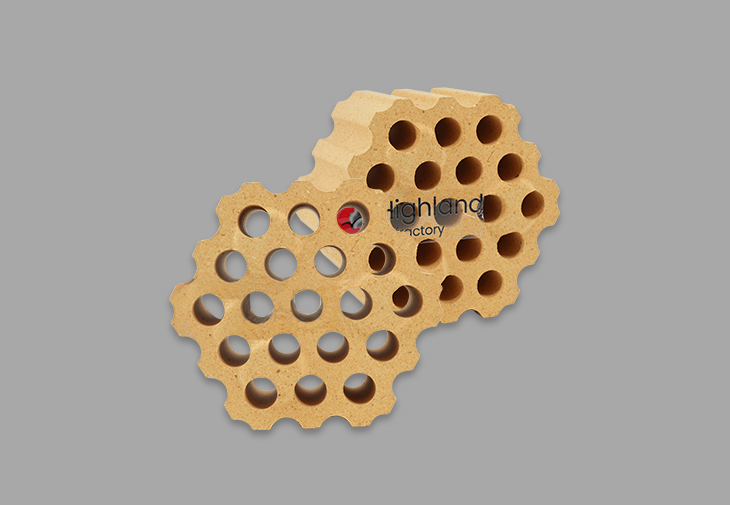
Checker bricks are heat transfer media used in the regenerative chambers of blast furnaces and hot blast stoves.
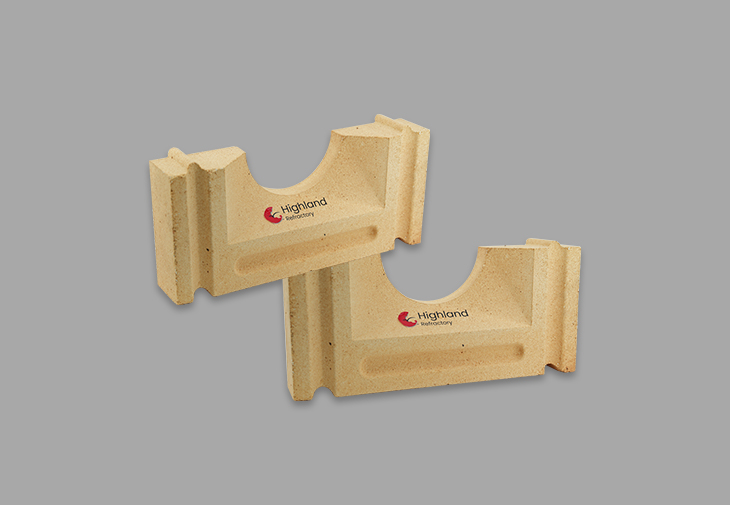
Mullite lightweight insulation brick is a high-quality insulation material.
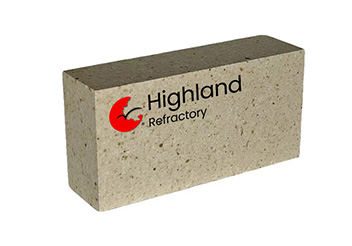
Low creep clay bricks have a low creep rate in high temperature environments and can maintain good shape and dimensional stability for a long time.
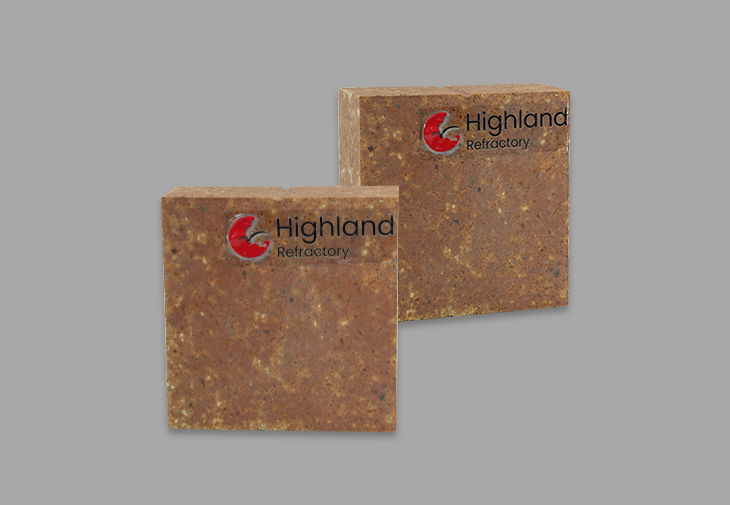
Silica-molybdenum bricks have high resistance to chemical erosion and excellent wear resistance, and are the preferred material for the transition zone and preheating zone of large cement kilns.
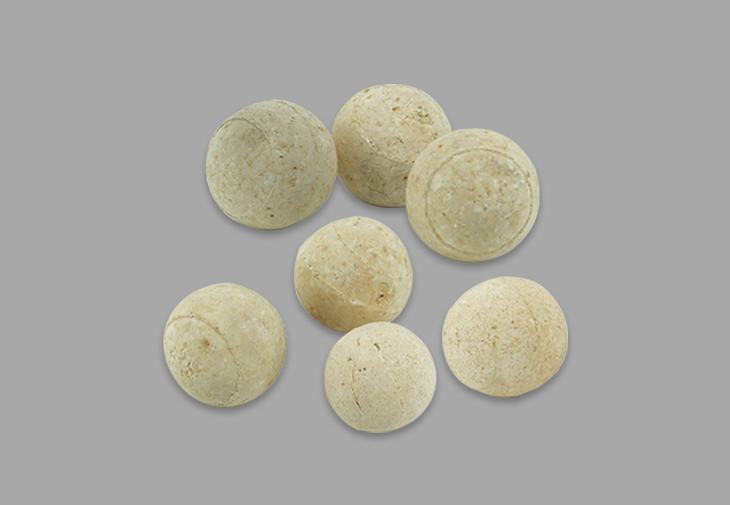
Made from industrial alumina and refractory kaolin as the main raw materials, produced through scientific formulation...

Silicon carbide plates are mainly composed of silicon carbide (SiC) as the aggregate (with a content usually ≥ 80%).
High alumina fine powder is a powder material with alumina (Al2O3) as the main component.
Refractory cement, also known as aluminate cement, is a fire-resistant hydraulic cementitious material.
High alumina fine powder is a powder material with alumina (Al2O3) as the main component.